Lake Carmi best fishing spots
It's a common story, isn't it? You arrive at a new lake, full of anticipation, only to spend hours casting into unproductive water because you just don't know where the fish are hiding. Lake Carmi, with its sprawling shallows and distinctive structure, can feel like a mystery at first glance. But don't you worry, this guide is here to unravel that mystery, providing you with the insider knowledge on the very best fishing spots on Lake Carmi, ensuring your next Vermont angling adventure is far from a guessing game.
Navigating Lake Carmi's Unique Ecosystem for Anglers
Lake Carmi is one of Vermont's true gems for multi-species anglers, but its shallow, fertile nature means understanding its unique ecosystem is paramount to finding consistent success. This isn't your deep, clear mountain lake; Carmi operates on a different rhythm, largely dictated by its depth, extensive weed beds, and the rich food sources it offers. Getting a handle on these foundational elements will drastically improve your fishing game before you even make your first cast.
Geographical Features and Water Characteristics
Nestled in Franklin County, Lake Carmi is Vermont's fourth-largest natural lake, but what truly sets it apart is its relatively shallow average depth, often less than 20 feet, with a maximum depth of around 30 feet. This characteristic makes it warm up quickly in the spring and sustain higher water temperatures through the summer. The lakebed is primarily composed of soft sediments, with scattered rocky areas and expansive flats. The nutrient-rich water fosters abundant aquatic vegetation, which, while challenging for navigation in some areas, creates incredible habitat for fish. Think dense milfoil, lily pads, and coontail – these aren't just weeds; they're fish cities, providing cover, ambush points, and vital oxygen. The lake also has a significant watershed, feeding into the Pike River, which eventually flows into Lake Champlain, impacting its water quality and fish movements, especially during spawning runs.
Primary Forage and Its Impact on Fish Locations
Just like in any thriving fishery, understanding what the fish eat is your golden ticket to figuring out where they'll be. Lake Carmi is teeming with a variety of forage species, and the local gamefish key in on these meals. The most prevalent baitfish include various minnows, shiners, and juvenile yellow perch. Crawfish are also a significant food source, especially for the lake's robust bass population. The dense weed beds that define much of Carmi's structure aren't just for cover; they're also productive feeding grounds for these smaller organisms, which in turn attract the larger predators. For example, during summer, when baitfish school up in open water or along the deeper weed edges, you'll often find predatory fish like northern pike and larger bass shadowing these schools. Similarly, areas with rock rubble or hard bottom where crawfish might hide will naturally draw in smallmouth bass looking for an easy meal. Your fishing strategy should always consider what's on the menu and where that food source is most likely to be found.
Prime Hunting Grounds for Lake Carmi's Top Species
Lake Carmi boasts a fantastic multi-species fishery, offering anglers everything from hard-fighting bass and toothy pike to plentiful panfish. But knowing what you want to catch is only half the battle; knowing where to intercept them is what truly makes a trip successful. We'll break down the hotspots for Carmi's most sought-after residents, helping you refine your approach. If you're looking for broader guidance on how to secure your Vermont Fishing License Guide for 2026, that's a good place to start before you even hit the road.
Largemouth and Smallmouth Bass Hotspots
Lake Carmi is renowned for its excellent bass fishing, hosting both largemouth and smallmouth. The key is knowing their preferred habitats.
- Largemouth Bass: These green-backed beauties are creatures of cover. You'll find them holding tight to the thickest vegetation, fallen timber, and docks, especially in the shallower bays and coves. The southern end of the lake, particularly around the areas known locally as "The Narrows" and the sheltered bays along the eastern shore, are absolute largemouth havens. These areas feature extensive lily pad fields and submerged weed beds where largemouth can ambush prey. Pitching jigs, Texas-rigged plastics, and weedless frogs into these dense patches is often incredibly effective. Early mornings and evenings often see them cruising the edges of these weed lines looking for an easy meal.
- Smallmouth Bass: While largemouth prefer the thick stuff, smallmouth lean towards harder bottoms, rocky points, and areas with access to deeper water. The northern end of Lake Carmi, especially where the bottom transitions from soft mud to gravel or scattered rock, can be productive. Keep an eye out for submerged humps and subtle depth changes. These smallmouth aren't as prevalent as their largemouth cousins, but they fight like demons! Look for them in areas where there's a good mix of cover and open water, allowing them to chase bait. Drop-shotting tubes or soft plastics, or throwing small crankbaits around these structures, can yield exciting results. To learn more about specific tactics, check out our guides on How to Catch Largemouth Bass in Vermont and How to Catch Smallmouth Bass in Vermont Lakes.
Northern Pike and Chain Pickerel Havens
If you're after toothy predators, Lake Carmi delivers with a healthy population of northern pike and chain pickerel. These species are ambush hunters, and their locations are almost always tied to heavy cover.
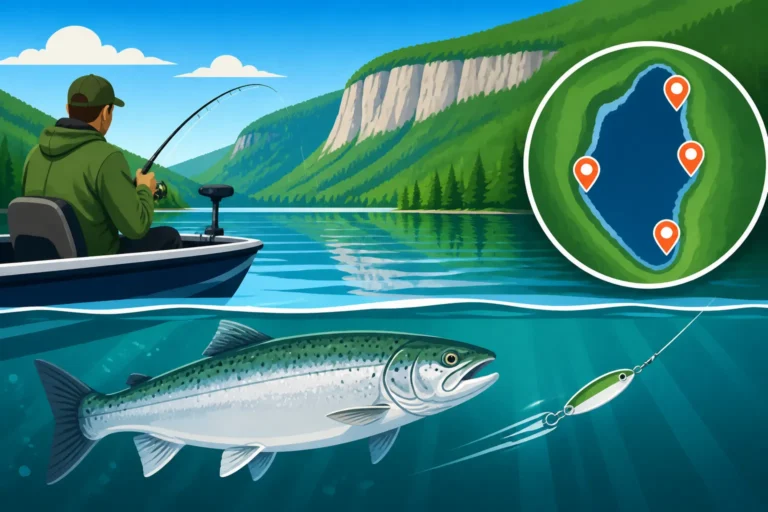
- Northern Pike: Pike in Lake Carmi love to lurk in the expansive weed beds, particularly those bordering deeper water access points. The main lake basin, especially where there are deeper channels or troughs running alongside dense submerged vegetation, is prime pike territory. They will sit, motionless, waiting for an unsuspecting baitfish to swim by. Trolling large spoons, spinners, or casting oversized jerkbaits along the weed edges or over the top of sparse weeds can be very effective. The area around the public boat launch on the western shore and the deeper weed flats in the central part of the lake are known to hold some impressive pike. Remember, pike have sharp teeth, so come prepared with wire leaders! For more on where these fierce predators lurk, explore Northern Pike Waters in Vermont.
- Chain Pickerel: Often confused with smaller pike, chain pickerel are abundant in the shallower, heavily vegetated areas of the lake, particularly the same lily pad and milfoil beds where you'd find largemouth bass. They are aggressive biters and will readily strike nearly anything that moves. Small inline spinners, spoons, and brightly colored shallow-diving crankbaits work wonders. These fish are a blast to catch, especially for younger anglers, offering consistent action. Just like pike, be mindful of their sharp teeth when unhooking!
Panfish Paradise: Yellow Perch and Bluegill
Lake Carmi is an absolute dream for panfish enthusiasts, offering abundant yellow perch and bluegill. These species are fantastic for family outings or just a relaxing day on the water, providing consistent bites and delicious table fare.
- Yellow Perch: Perch are schooling fish, and where you find one, you'll often find many. They tend to congregate around submerged structures, weed edges, and sometimes even in open water over deeper flats, especially during the colder months or when chasing schools of baitfish. The channels and transitions between the main lake and smaller bays can be excellent spots. Small jigs tipped with worms, minnows, or grubs are incredibly effective. During the ice fishing season, these schools are a primary target. You can find more about angling for these fun species in our Panfish Fishing in Vermont guide.
- Bluegill: True to their nature, bluegill are found in virtually any area with aquatic vegetation, especially in the shallower, warmer parts of the lake. Docks, lily pad fields, and sparse weed beds are all prime bluegill real estate. They are usually found in large schools. A tiny hook with a piece of worm under a bobber is often all it takes to have non-stop action. The shoreline areas near the state park and various private docks offer excellent bluegill opportunities, making them ideal for young anglers or those looking for an easy catch.
Seasonal Strategies for Maximizing Your Lake Carmi Catch
Just like the leaves change color on Vermont's hillsides, the behavior of fish in Lake Carmi shifts dramatically with the seasons. What works in spring won't necessarily produce results in summer, and a hot fall pattern will be useless come ice-fishing season. Adapting your approach to the time of year is crucial for consistent success on these waters. It’s also wise to double-check the Vermont Fishing Regulations Explained before heading out, as some rules can change seasonally.
Springtime Action: Post-Spawn and Early Season Tactics
Spring on Lake Carmi is a time of awakening, and the fish are on the move. As ice-out occurs, typically in late March or early April, the water temperatures begin to rise, signaling the start of the spawn for many species.
- Ice-Out to Pre-Spawn: Immediately after ice-out, many fish, especially perch and some pike, will be found in shallower water, often near tributary inlets or sun-drenched northern shores where the water warms quickest. They're looking for easy meals after a long, lean winter. Small crankbaits, jigs, and slowly worked jerkbaits can be very productive. The bays along the western shore, warmed by the afternoon sun, often become active first.
- Spawn and Post-Spawn: Bass, pike, and pickerel will move into their spawning grounds, which are typically shallow, protected bays with abundant vegetation or some hard bottom. Largemouth bass will make their nests in the thickest cover. For smallmouth, look for slightly harder bottoms near transition areas. Immediately after spawning, many fish will be hungry and aggressive, recouping lost energy. This is a fantastic time for active fishing. Casting spinnerbaits, chatterbaits, and soft plastics into the newly emerging weed lines can be incredibly effective. Remember, while it's legal to fish for bass during their spawn, careful catch and release is always encouraged to protect the fishery.
Summer Success: Deep Water and Weedline Approaches
Summer transforms Lake Carmi into a lush, green underwater garden. While some areas can become challenging due to extremely dense weeds, the same vegetation provides prime habitat if you know where to look.
- Weed Edge Mastery: As surface temperatures soar, oxygen levels can drop in the densest, shallowest weeds. Many fish will gravitate towards the cooler, more oxygenated water along the deeper edges of the weed beds. This is where your electronics become invaluable, helping you identify distinct weed lines, drop-offs, and points within the vegetation. Trolling deep-diving crankbaits or slowly working jigs and Texas-rigged worms along these edges can be incredibly productive for bass and pike.
- Open Water Schools: Don't overlook the main lake basin, especially for species like yellow perch and even transient schools of smallmouth bass. They may suspend over deeper water, chasing schools of baitfish. A good fish finder can help you locate these schools. Vertical jigging spoons or blade baits can be effective once you mark fish. Keep an eye out for surface activity, like baitfish flickering or birds diving, which can indicate a feeding frenzy below. Booking a trip through a service like FishingBooker can sometimes connect you with local guides who specialize in these techniques.
Fall Feeding Frenzy: Aggressive Bites and Lasting Memories
Fall is arguably one of the best times to fish Lake Carmi, as the cooling water temperatures trigger an intense feeding period for most species. Fish know winter is coming, and they're bulking up.
- Shallow to Deep Movement: As autumn progresses and vegetation begins to die back, fish will gradually transition from the thickest cover to more defined structure and deeper edges. They're still active, but their locations become more predictable. Look for bass and pike to be concentrated along major points, channel edges, and any remaining green weed lines.
- Aggressive Tactics: This is the time for aggressive presentations. Larger crankbaits, spinnerbaits, and jerkbaits worked quickly can draw violent strikes from hungry fish. Trolling can also be very effective for covering water and locating schools of feeding pike and larger bass. The entire lake becomes a potential hotspot, but focus on areas that offer a quick transition from shallow feeding flats to deeper escape routes. The cooler, clearer water of fall often makes for some of the most memorable days on the water.
Accessing Lake Carmi's Waters: Ramps, Shores, and Kayak Spots
Getting onto and around Lake Carmi is generally straightforward, but knowing your options can make a big difference in your fishing experience, whether you're bringing a full-sized bass boat or just a small kayak. Understanding the various public access points and shoreline opportunities is key to exploring the best fishing spots on Lake Carmi. When planning your trip, you might also want to consult Vermont Boating Laws for Anglers to ensure you're in compliance.
Public Boat Launches and Parking
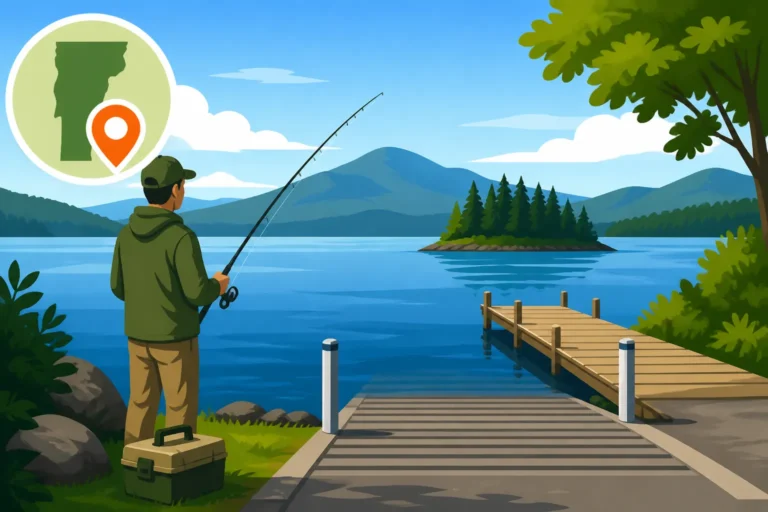
Lake Carmi offers excellent public access for boaters, primarily through the Lake Carmi State Park.
- Lake Carmi State Park Public Access: Located on the eastern shore, the state park provides a paved boat launch suitable for various vessel types, from large bass boats to smaller jon boats. There's ample parking available for trailers and vehicles. This launch offers immediate access to the central and southern parts of the lake, including the productive weed beds and bays. Be mindful of typical state park regulations and fees, especially during peak season. The launch area itself, and the adjacent shoreline, can sometimes offer good fishing for panfish and even cruising bass in the early morning.
- Other Informal Access: While the state park is the primary developed launch, some smaller, less formal access points may exist around the lake, often suitable for canoes or kayaks, but these can be harder to locate and may have limited parking. Always respect private property when exploring these options. Services like FishingBooker can sometimes list specific access points or guide services that operate from various locations around the lake.
Shore Angling Hotspots
Even without a boat, Lake Carmi offers some decent opportunities for shore anglers, particularly within the state park.
- Lake Carmi State Park Shoreline: The state park provides several areas where anglers can cast from shore. The designated swimming beach areas, when not in use by swimmers (especially early morning or late evening), can offer access to bluegill and perch. Further along the park's perimeter, there are often trails or open areas that allow for casting into weed beds or open water. These spots are excellent for kids learning to fish, as panfish are usually cooperative.
- Bridges and Culverts: While less common on Carmi due to its relatively contained nature, any bridge crossing over an inlet or outlet stream can concentrate fish, especially during periods of higher flow or cooler temperatures. The outlet near the northern end of the lake, which leads into the Pike River, can sometimes be productive for a variety of species, though access here might be more challenging and dependent on private land.
- Kayak and Canoe Launch Points: For those who prefer paddle craft, almost any public access point where you can carry your vessel to the water becomes a launch. The state park launch is perfect for kayaks and canoes, but smaller informal pull-offs or even roadside access points (if legal and safe) can work. Kayaks allow you to navigate the extensive weed beds more quietly and effectively than larger boats, opening up otherwise inaccessible fishing grounds. For advice on choosing the right paddle craft, check out our guide on Best Kayaks for Vermont Fishing.
Top Fish Species and Their Preferred Spots on Lake Carmi
To help you visualize your target and plan your approach, here’s a quick overview of some of Lake Carmi's most popular species and their go-to hideouts:
| Species | Preferred Habitat | Common Baits/Lures | Best Times to Fish |
|---|---|---|---|
| Largemouth Bass | Dense lily pads, submerged weed beds, fallen trees, docks | Jigs, Texas-rigged plastics, weedless frogs, spinnerbaits | Spring (post-spawn), Summer (early/late), Fall |
| Smallmouth Bass | Rocky points, gravel beds, submerged humps, deeper transitions | Tubes, drop-shot worms, small crankbaits, jerkbaits | Spring (pre-spawn), Summer (cooler periods), Fall |
| Northern Pike | Deep weed edges, submerged weed flats, main lake channels | Large spoons, inline spinners, jerkbaits, large minnows | All seasons, especially Spring & Fall |
| Chain Pickerel | Shallow, dense weed beds, lily pad fields | Small spinners, spoons, brightly colored crankbaits | All seasons, very active in warmer water |
| Yellow Perch | Weed edges, submerged structures, open water schools | Small jigs (tipped with worm/minnow), grubs | All seasons, excellent for ice fishing |
| Bluegill | Shallow weeds, docks, lily pads, protected bays | Small worms, crickets, tiny jigs, fly patterns | All seasons, especially warmer months (consistent action) |
Important Considerations for Fishing Lake Carmi
While knowing the best fishing spots on Lake Carmi is a huge advantage, a few other factors can significantly impact your success and enjoyment. These aren't just minor details; they can be the difference between a memorable day and a frustrating one. Remember, preparation is key for any successful outing.
Understanding Lake Carmi's Water Quality Challenges
Lake Carmi has historically faced challenges with water quality, particularly related to nutrient loading from its watershed, which can lead to algal blooms, especially in late summer. These blooms can impact fishing conditions by reducing visibility, potentially affecting oxygen levels in certain areas, and sometimes making the fishing experience less pleasant.
- Monitoring Conditions: Before heading out, especially during warmer months, it’s a good idea to check local reports or the Vermont Department of Environmental Conservation's Lake Carmi monitoring page for any current advisories regarding water quality or algal blooms. Being aware of these conditions can help you adjust your expectations and even your fishing locations.
- Adapt Your Approach: If an algal bloom is present, fish might move to deeper, cooler, or more oxygenated water. Consider fishing earlier in the morning or later in the evening when conditions might be more favorable. Using louder, more visual lures can also help fish find your presentation in murky water. This is where local knowledge, potentially gained through a guide found on FishingBooker, can be invaluable.
Respecting Lake Carmi's Fisheries and Environment
As anglers, we're stewards of the natural resources we enjoy. Lake Carmi is a valuable fishery, and it's up to all of us to ensure its health for future generations.
- Catch and Release: While keeping some panfish or a legal limit of other species is part of the angling experience, practicing responsible catch and release, especially for bass and pike, helps maintain healthy populations. Handle fish gently, minimize their time out of water, and use appropriate tools like de-hookers to ensure their survival.
- Leave No Trace: Always pack out everything you pack in. This includes fishing line, bait containers, and any other trash. Pollution degrades water quality and harms wildlife. This is especially critical in state park areas and around public access points.
- Boating Etiquette: Be mindful of other boaters, kayakers, and swimmers. Operate your boat safely and responsibly, adhering to all Vermont Boating Laws for Anglers. Excessive wake can disturb others and damage shorelines.
- Invasive Species Prevention: Lake Carmi, like many Vermont lakes, is susceptible to aquatic invasive species. Always Clean, Drain, and Dry your boat, trailer, and fishing gear thoroughly before and after each outing. This simple step can prevent the spread of harmful invaders like zebra mussels or Eurasian watermilfoil, which can devastate a native ecosystem. This includes checking for weeds on your anchor and prop!
By understanding Lake Carmi's unique environment, knowing where to focus your efforts for specific species, adapting to seasonal changes, and practicing responsible angling, you're not just increasing your chances of a successful day – you're contributing to the long-term health and enjoyment of one of Vermont's true fishing treasures. So pack your gear, check the regulations, and get ready to experience the fantastic fishing that Lake Carmi has to offer!
Disclaimer
Please be aware that fishing conditions, regulations, and access points can change. Always consult the latest Vermont Fish & Wildlife Department regulations before heading out. This guide provides general information and recommendations, but local conditions can vary. Fishing always carries inherent risks, so prioritize safety on the water.