Winooski River Fishing Spots
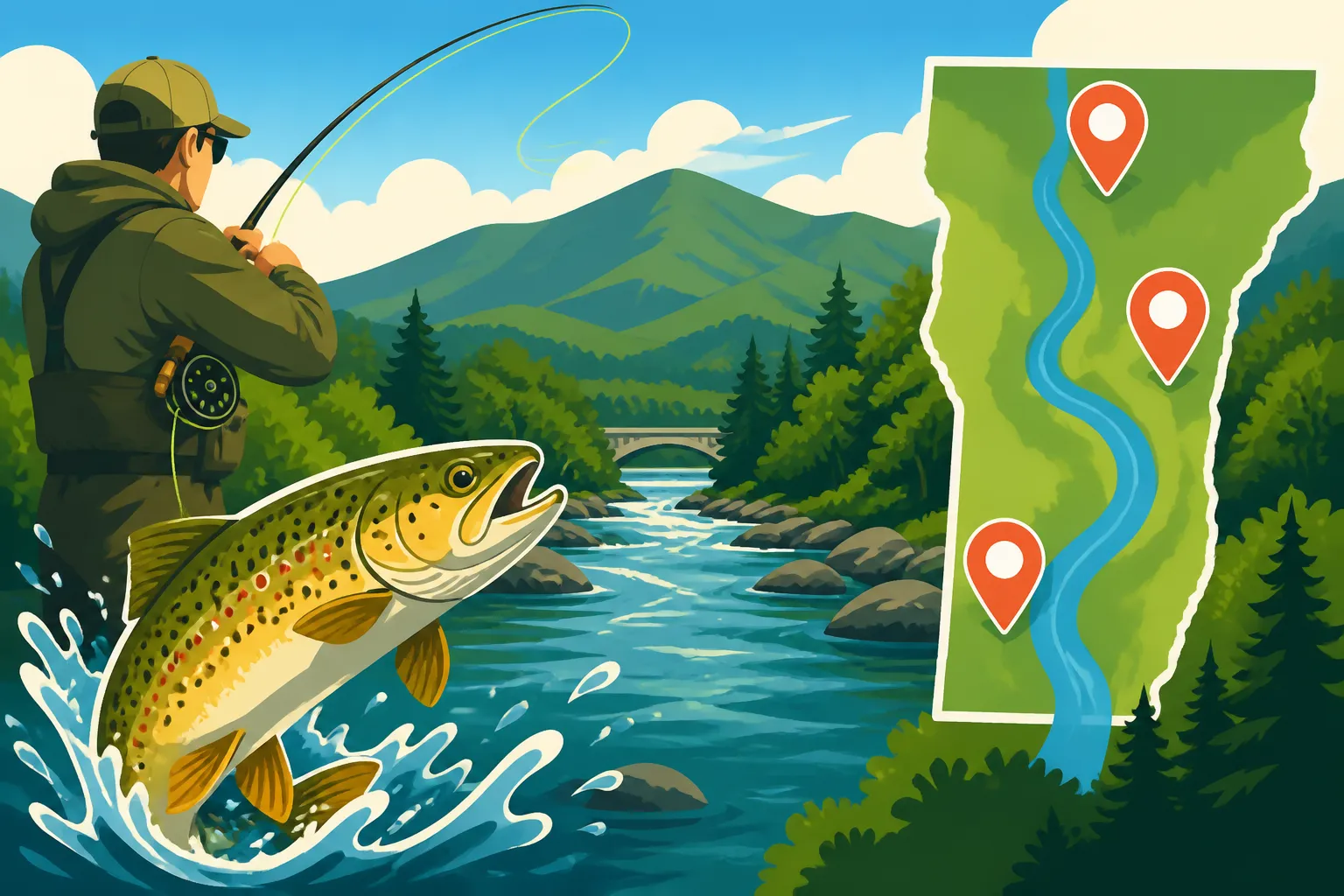
For anglers new to Vermont, or even seasoned locals looking to explore new waters, the Winooski River can feel like a vast, intimidating puzzle. Stretching from its headwaters near Cabot all the way to Lake Champlain, this river presents a dynamic tapestry of fishing opportunities, but knowing where to start and what to expect can be overwhelming. This comprehensive guide is designed to cut through the confusion, offering a detailed look at the Winooski River's diverse fishing spots, the species you'll encounter, and the best ways to tackle this magnificent waterway.
Understanding the Winooski River's Unique Character
The Winooski River, often affectionately called "The Onion River" by locals, is one of Vermont's longest and most significant waterways. Its journey from the rural, high-elevation landscapes of the Northeast Kingdom down to the bustling shores of Lake Champlain carves through varied terrain, creating distinct fishing environments. This means that an angler targeting brook trout in the headwaters will use vastly different techniques and gear than someone chasing smallmouth bass near its confluence with the lake. It's truly a river of contrasts, and understanding these differences is key to a successful outing.
The Headwaters and Upper Reaches: Coldwater Gems
As the Winooski begins its flow, it's often a small, intimate stream, typical of Vermont's classic trout water. These upper sections, particularly around towns like Cabot and Plainfield, offer a serene and picturesque fishing experience. Here, the river runs cold and clear, tumbling over rocks and through forested stretches.
Imagine a crisp spring morning, mist still clinging to the evergreens, as you carefully approach a secluded bend. This is prime territory for native brook trout, along with some feisty wild brown trout. The water in these sections is highly oxygenated, and while the fish might not be massive, they're typically vibrant, beautiful, and incredibly fun to catch on light tackle or a delicate fly presentation. Access can be a bit more challenging, often requiring some bushwhacking or navigating private lands with permission, but the reward of solitude and wild fish is often worth the effort.
The Middle Section: A Diverse Fishery Beckons
As the Winooski widens and gains volume through towns like Marshfield, Plainfield, Montpelier, and Waterbury, it transforms into a river with greater depth and varied habitat. This middle section is where you really start to see a blend of coldwater and coolwater species. The river still holds trout, especially in pockets where cooler tributaries feed in or around deeper pools, but you'll also find an increasing presence of smallmouth bass, northern pike, and even some walleye as you get closer to Lake Champlain.
This part of the river offers a fantastic mixed-bag opportunity. One day you might be drifting nymphs for trout in a deep run, and the next you could be casting spinnerbaits for smallmouth bass around submerged boulders. The landscape also changes, moving from more rural forests to agricultural fields and eventually into more developed areas. Public access points become more numerous, often found near bridges or town parks, making it easier for anglers to find their way to the water. This middle stretch is where the Winooski truly begins to show its versatility.
The Lower Winooski: Gateway to Lake Champlain
The final stretch of the Winooski, particularly from Winooski and Burlington downstream to its mouth, feels very different from its origins. Here, the river is wider, deeper, and slower, influenced heavily by the backwaters of Lake Champlain. This is a truly significant transition zone, acting as a highway for many Lake Champlain species. The fishing here can be absolutely phenomenal, especially during certain times of the year when fish are migrating or congregating.
Think of it: massive schools of walleye moving into the river in spring to spawn, followed by smallmouth bass pushing up from the lake. You'll also find abundant northern pike, chain pickerel, yellow perch, and a variety of other panfish. The lower Winooski, with its urban backdrop near Burlington and Winooski, provides surprisingly productive fishing right within reach of Vermont's largest city. Shore access is available, but many anglers prefer fishing from a boat, kayak, or canoe to effectively cover the wider expanses and deeper channels. Local guides found through services like FishingBooker often specialize in these lower stretches, offering a fantastic way to navigate the river's complexities.
Targeting Key Species in the Winooski River
The Winooski River is a multi-species angler's dream, offering different challenges and rewards depending on what you're hoping to hook. Knowing what fish prefer which parts of the river, and what they're likely to bite on, will greatly improve your chances of success.
Trout Fishing: From Wild Streams to Stocked Waters
The Winooski River and its many tributaries are synonymous with trout fishing, particularly in the upper and middle sections. This is where you'll find the classic Vermont trout experience.
Brook Trout in the Headwaters
For many, the brook trout is the jewel of Vermont's waters. In the Winooski's highest reaches and its myriad small feeder streams, you'll find these native beauties. They thrive in the cold, clear, oxygen-rich water that tumbles over rocky bottoms and through dense forested areas. These fish are often smaller, typically ranging from 6 to 10 inches, but their vibrant colors and feisty fight make them a truly rewarding catch.
If you're heading out for brook trout, think stealth and subtlety. Light spinning gear with small spinners (like Mepps or Panther Martin) or worms works wonders. Fly anglers will have a field day with small dry flies, emergers, and nymphs. Focus on pocket water, small pools behind boulders, and undercut banks. Remember, these wild fish are easily spooked, so approach quietly and keep a low profile. Check the Vermont Trout Season and Stocking Rules to know when the season is open and if any special regulations apply to specific streams you plan to explore.
Brown and Rainbow Trout in the Middle River
As the Winooski gains size and its waters warm slightly, you'll start to encounter more brown trout and rainbow trout. Many of these are "holdovers" from previous stockings, or wild fish that have established populations. The Vermont Fish & Wildlife Department also stocks specific sections of the Winooski, particularly around popular access points, to enhance fishing opportunities. You can often find information on Vermont Fish Stocking Search Tool, Explained to pinpoint recent stocking locations.
In these middle sections, brown trout can grow quite large, often holding in deeper pools, under logjams, or around bridge abutments. Rainbow trout, known for their acrobatic jumps, are often found in faster riffles and runs. For bait anglers, nightcrawlers, corn, or PowerBait can be effective, fished on the bottom or under a bobber. Spin fishermen will do well with small spoons, crankbaits, and larger spinners. Fly anglers can switch to larger nymph patterns, streamers, and, during hatches, larger dry flies. Drifting techniques are particularly effective here, allowing your bait or fly to naturally flow through likely holding water.
Bass Fishing: Smallmouth Domination
The Winooski River is renowned for its smallmouth bass fishing, particularly from the middle sections downstream to Lake Champlain. These hard-fighting fish provide incredible action, especially during the warmer months.
Smallmouth Bass Hotspots
Smallmouth bass love structure, current, and rocky bottoms. In the Winooski, this means focusing your efforts around ledges, submerged boulders, current seams, fallen trees, and bridge pilings. As the river approaches Lake Champlain, the sheer volume of water and abundant forage create a fantastic environment for larger smallmouth. You'll find excellent smallmouth action around Waterbury, Montpelier, and especially in the lower Winooski near the city of Winooski and Burlington.
For lure choices, think about imitating crawfish and baitfish, which are staple foods for smallmouth. Crankbaits, spinnerbaits, tube jigs, grub jigs, and topwater lures (especially at dawn and dusk) are all highly effective. For fly anglers, large streamers that mimic baitfish or crawfish patterns are a must. Remember that Vermont Bass Minimum Length Limits and daily limits apply, so always check the latest regulations. If you're looking for advanced tips, check out our guide on How to Catch Smallmouth Bass in Vermont Lakes.
Seasonal Patterns for Smallmouth
Smallmouth bass fishing on the Winooski is best from late spring through early fall.
- Spring (Post-spawn): After they finish spawning, usually in late May to early June, smallmouth are hungry and aggressive. They'll be found in shallower rocky areas, often near their spawning beds, before moving to deeper water.
- Summer: During the heat of summer, smallmouth will often seek out cooler, deeper pools, or areas with stronger current and shade. Early mornings and late evenings can be particularly productive for topwater action.
- Fall: As water temperatures begin to drop in autumn, smallmouth will feed heavily to prepare for winter. They can often be found congregating in deeper holes, actively chasing baitfish.
Walleye and Pike: Lake Champlain Influence
As the Winooski nears its confluence with Lake Champlain, the fishing opportunities broaden significantly to include species like walleye and northern pike, which move into the river from the lake.
Spring Walleye Runs
The Winooski River is one of the most popular places in Vermont to target walleye, especially during their spring spawning run. Typically in April and May, as water temperatures rise, large numbers of walleye migrate from Lake Champlain upstream into the lower Winooski. This can lead to incredible fishing, though it's also a popular time, so expect company.
The best spots for walleye will be the deeper channels, current seams, and pools in the lower river, particularly below the dams in Winooski and near the river mouth. Jigs tipped with shiners or a piece of nightcrawler, vertically jigged or slowly retrieved along the bottom, are highly effective. Stickbaits and crankbaits that dive to appropriate depths can also work. Remember to check Vermont Walleye Limit on Lake Champlain for current regulations, as they can sometimes change to protect spawning populations. FishingBooker local guides often offer specific trips for this exciting spring run.
Northern Pike and Chain Pickerel
Northern pike are ambush predators, and they thrive in the Winooski's slower, weedier sections, especially in the middle and lower river. They are often found lurking in submerged vegetation, around logjams, or in quiet backwaters, waiting for an unsuspecting baitfish to swim by. Chain pickerel, a smaller but equally aggressive relative, are also abundant in similar habitats.
Large spoons, spinnerbaits, jerkbaits, and live bait (like shiners) are excellent choices for pike. Use a heavy leader (fluorocarbon or wire) to prevent their razor-sharp teeth from cutting your line. While pike are not typically targeted for eating in the same way as walleye, they offer an exciting fight. Both pike and pickerel can be caught throughout the warmer months, often providing action when other species are less active.
Accessing the Winooski River
Getting to the Winooski River is relatively easy, as it flows through numerous towns and is crossed by many roads. However, knowing the best access points for your preferred fishing style can make a huge difference.
Public Access Points and Parks
Vermont's public lands and municipal parks offer fantastic access to the Winooski. These spots often have parking, clear trails to the water, and sometimes even boat launches.
| Section of River | Town/Area | Primary Species | Common Access Points | Key Features |
|---|---|---|---|---|
| Upper Winooski | Cabot, Marshfield | Brook Trout, Brown Trout | Bridge crossings, unmarked pull-offs | Small, intimate water, remote feel |
| Middle Winooski | Montpelier, Waterbury | Brown Trout, Rainbow Trout, Smallmouth Bass | Wrightsville Beach, Montpelier city parks, Waterbury Dam access | Mix of pools, runs, some deeper holes |
| Lower Winooski | Winooski, Burlington | Walleye, Smallmouth Bass, Northern Pike, Perch | Salmon Hole (Winooski), Delta Park (Colchester), various boat launches | Wide, deep, slower current, strong Lake Champlain influence |
- Montpelier: Within the state capital itself, there are several public access points. Hubbard Park offers some river access, and many bridge crossings provide informal spots to get to the banks. The river here presents a good mix of trout and smallmouth opportunities.
- Waterbury: The area around Waterbury Dam (which holds back the Little River, a major Winooski tributary) and downstream from the dam offers good river access for various species. There are public lands and parks that lead to the river's edge.
- Winooski (Salmon Hole): This is one of the most famous and accessible spots on the lower Winooski. Located just upstream from the Winooski One hydro dam, the Salmon Hole is a significant bottleneck where migrating fish congregate. It's easily accessible from the city of Winooski and is a prime spot for spring walleye and smallmouth bass. Be prepared for crowds during peak seasons.
- Delta Park (Colchester): Near the mouth of the Winooski, Delta Park offers excellent access, particularly for anglers wanting to target species moving in and out of Lake Champlain. It has boat launches and ample shore fishing opportunities.
Always be mindful of private property. While the river itself is public, the land along its banks may be private, and you'll need permission to access it. Stick to clearly marked public access points or obtain permission from landowners. For more general information on river access, consult guides like Best Fishing Rivers in Vermont.
Boating and Kayaking on the Winooski
For many, especially in the wider middle and lower sections, a boat or kayak is the best way to explore the Winooski River effectively. It allows you to cover more water, reach secluded spots, and fish deeper channels that are inaccessible from shore.
Kayaks and Canoes
Kayaks and canoes are ideal for the Winooski, particularly in the middle stretches where the current can be moderate, and the river isn't excessively wide. They offer quiet access, allowing you to sneak up on fish without spooking them.
- Benefits: Stealth, access to shallower areas, can be easily launched from many informal spots.
- Considerations: Stability is key if you plan to stand and cast. Always wear a Life Jacket Requirements for Vermont Boaters and be aware of current strength, especially during high water. Portaging might be necessary around dams or rapids. A guide on Best Kayak for River Fishing in Vermont might be helpful.
Motorized Boats
Larger motorized boats are more suited for the wider, deeper, and slower stretches of the lower Winooski, especially near its mouth and close to Lake Champlain. These boats are excellent for trolling for walleye or covering large areas for pike and bass.
- Benefits: Speed, ability to cover vast distances, comfortable for longer outings.
- Considerations: Requires dedicated boat launches, might be too large for narrower upstream sections, fuel considerations. Be aware of Vermont Boating Laws for Anglers and other regulations.
Seasonal Fishing Opportunities
The Winooski River offers year-round fishing, but the best species and techniques will change dramatically with the seasons.
Spring: Revival and Runs
Spring on the Winooski is a time of incredible action. As the ice melts and water temperatures begin to climb, fish become active again after a long winter.
- Trout: Early spring (April-May) is prime for trout, especially brown and rainbow trout in the middle sections. They'll be hungry and often found in slower pools or eddies where they can ambush food. Try worms, PowerBait, or small spinners. Fly anglers will find success with nymph patterns.
- Walleye Run: As mentioned, the spring walleye run (April-May) in the lower Winooski is legendary. Focus on the Salmon Hole and Delta Park.
- Smallmouth Bass: Smallmouth start to awaken in late spring, moving into shallower areas to feed before their spawn. They'll readily take crankbaits and jigs.
Summer: Warm Water Action
Summer brings consistently warmer water temperatures, pushing coldwater species to deeper, cooler refuges, while warmwater species thrive.
- Smallmouth Bass: This is peak smallmouth season on the Winooski. Fish early mornings and late evenings with topwater lures, or target deeper structure during the heat of the day with jigs and crankbaits.
- Northern Pike & Pickerel: These toothy predators are active all summer, especially in weed beds and slower backwaters of the middle and lower river.
- Trout: In the upper reaches, brook trout are still active, but midday fishing can be slow. Seek out shaded, oxygenated pockets. Many middle river trout will move to cooler tributaries or deep springs. Focus your trout efforts during cooler parts of the day.
Fall: Feeding Frenzy and Beautiful Backdrops
Autumn is a truly magical time to fish the Winooski, with stunning foliage providing a breathtaking backdrop. Many fish species engage in a pre-winter feeding frenzy.
- Trout: Fall can offer some of the best brown trout fishing, as these fish become aggressive and often put on their spawning colors. Streamers and larger nymphs can be very effective.
- Smallmouth Bass: Smallmouth continue to feed heavily, often schooling up in deeper holes. Crankbaits, jigs, and slow-rolled spinnerbaits are good choices.
- Walleye: While not as concentrated as the spring run, walleye can still be caught in the lower river as they feed actively before winter.
- Salmon (Landlocked): While the Winooski isn't primarily a salmon river, landlocked salmon from Lake Champlain may occasionally venture into the lower reaches in fall for spawning purposes. However, dedicated Landlocked Salmon Fishing in Vermont is typically found in larger, deeper lakes like Willoughby or Champlain itself.
Winter: Ice Fishing Opportunities
When the Winooski freezes over, particularly in its wider, slower sections and backwaters connected to Lake Champlain, ice fishing becomes an option.
- Panfish: Yellow perch, crappie, and sunfish are popular targets through the ice. Small jigs tipped with bait (like spikes or mousies) are effective.
- Northern Pike: Large tip-ups rigged with live bait (shiners) can entice hungry pike.
- Safety First: Always prioritize safety on the ice. Ensure ice is at least 4 inches thick for foot travel, and carry safety gear. For more detailed safety information, check out our guide on How thick ice needs to be for Vermont anglers to walk on it.
Essential Gear and Techniques
Having the right gear and understanding the appropriate techniques will make your Winooski River fishing experience much more enjoyable and successful.
Rod and Reel Setups
Given the diverse species and sections of the Winooski, a versatile rod and reel setup, or a couple of specialized ones, will serve you well.
- Light to Medium-Light Spinning Combo: For trout in the upper and middle river, and panfish throughout. A 6-7 foot rod with fast action and a 1000-2500 size spinning reel spooled with 4-8 lb monofilament or fluorocarbon is perfect. This is ideal for casting small spinners, jigs, and bait.
- Medium Spinning or Baitcasting Combo: For smallmouth bass, pike, and walleye in the middle and lower river. A 6'6" – 7'6" rod with medium-fast to fast action and a 2500-4000 size spinning reel or a medium baitcaster, spooled with 8-15 lb braided line (with a fluorocarbon leader), is a great all-around choice. This handles heavier lures and offers more backbone for larger fish. For specific bass tackle, consult Best Tackle for Vermont Smallmouth Bass.
Lures, Baits, and Flies
Your tackle box should reflect the river's diversity.
- Trout: Small inline spinners (Mepps, Panther Martin), tiny spoons (Kastmaster, Little Cleo), various PowerBait forms, nightcrawlers, and salmon eggs. Fly anglers should carry a range of nymphs (Hare's Ear, Pheasant Tail), dry flies (Elk Hair Caddis, Adams), and small streamers.
- Smallmouth Bass: Crankbaits (diving and shallow-running), spinnerbaits (chartreuse, white), tube jigs (green pumpkin, black), grub jigs, soft plastic swimbaits, and topwater lures (poppers, walk-the-dog baits).
- Walleye: Jigs (leadhead with plastic bodies or tipped with shiners/worms), lipless crankbaits, diving crankbaits for trolling, and stickbaits.
- Pike & Pickerel: Large spoons (Daredevle, Johnson Silver Minnow), spinnerbaits with large blades, jerkbaits, and live shiners under a bobber.
Wading and Safety Gear
Wading the Winooski can be exhilarating but requires caution.
- Waders and Boots: Neoprene waders for colder water, or breathable waders for warmer months. Felt-soled wading boots offer excellent grip on slippery rocks but are banned in some states due to invasive species concerns (not currently in Vermont, but always good to check for updates). Rubber-soled boots with studs are a great alternative. A Best Wading Boots for Rocky Streams guide can help you decide.
- Wading Staff: Absolutely essential for stability in strong currents or on uneven, slippery river bottoms.
- Polarized Sunglasses: Crucial for spotting fish and submerged structure, and for eye protection from hooks.
- Life Jacket: Always wear one when boating, kayaking, or wading in swift or deep water.
Understanding River Currents and Structure
The Winooski's flow changes dramatically depending on rainfall and snowmelt. Always be aware of current conditions.
- High Water: After heavy rains, the river can become swift and muddy, making fishing challenging and sometimes dangerous. Focus on slower eddies, backwaters, and slack water areas.
- Low Water: During dry spells, the river can become very low and clear, making fish spooky. Use lighter lines, smaller presentations, and be stealthy.
- Reading the Water: Look for current seams, where fast water meets slow water; these are prime ambush points. Target logjams, submerged rocks, bridge pilings, and undercut banks, as these all provide cover and holding areas for fish.
Conservation and Regulations
Fishing the Winooski River is a privilege, and responsible angling ensures its health for future generations. Always be aware of and follow Vermont's fishing regulations. The Vermont Fishing Regulations Explained is your best friend for this.
Catch and Release Practices
While harvesting fish for the table is part of the angling experience, practicing catch and release, especially for larger fish or vulnerable species, helps maintain healthy populations.
- Handle Fish Gently: Wet your hands before touching fish.
- Minimize Air Time: Keep fish in the water as much as possible, especially during warm weather.
- Use Barbless Hooks: They make release much easier and less stressful for the fish.
- Proper De-hooking: Use pliers or hemostats to quickly remove hooks.
Protecting the Ecosystem
The Winooski River is part of a larger, delicate ecosystem.
- Leave No Trace: Pack out everything you pack in, including fishing line and bait containers.
- Prevent Invasive Species: Clean, Drain, Dry your boats, kayaks, and gear between water bodies to prevent the spread of invasive species like zebra mussels or Eurasian watermilfoil.
- Respect Wildlife: Give space to other wildlife you encounter along the river.
By understanding the Winooski River's unique characteristics, knowing where to find different species, and employing responsible angling practices, you're well on your way to a truly rewarding fishing experience in the heart of Vermont. It’s a river that truly offers something for everyone, from quiet solitude to thrilling battles with trophy fish.
Disclaimer
Please note that fishing conditions, regulations, and access points can change. Always consult the latest Vermont Fish & Wildlife Department regulations before heading out to fish. The information provided here is for general guidance and informational purposes only.