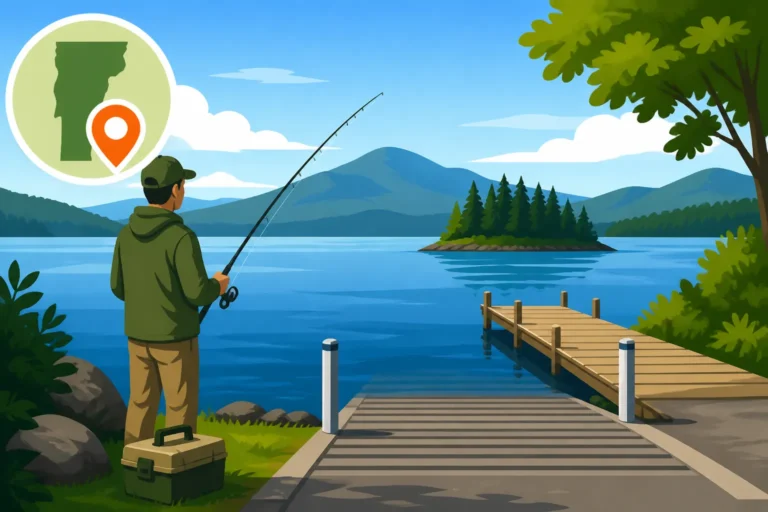
Lake Champlain Smallmouth Bass Fishing
There’s nothing quite like the powerful fight of a smallmouth bass, especially when you hook into one of the bronzebacks cruising the vast, clear waters of Lake Champlain. For many anglers, the sheer size and diverse habitat of Lake Champlain can feel overwhelming, making it tough to pinpoint where these incredible fish hide and what tricks will get them to bite. This guide is here to break down the complexities of Lake Champlain smallmouth bass fishing, offering practical advice and seasoned insights to help you land more of these sought-after game fish.
The Allure of Lake Champlain's Smallmouth Bass Fishery
Lake Champlain isn't just a big lake; it's an angler's paradise, and its smallmouth bass population is arguably one of its crown jewels. Known for their acrobatic jumps and relentless tugs, these fish offer an unparalleled freshwater fishing experience that keeps folks coming back year after year. Forget the myths about smallmouth only being river fish; on Champlain, they dominate vast sections of the lake, providing incredible action for both novice and seasoned anglers alike.
Why Smallmouth Thrive in Lake Champlain
Lake Champlain provides an almost perfect environment for smallmouth bass, contributing to their impressive numbers and size. The lake's unique blend of clear, cool water, abundant rocky structures, and a diverse forage base creates an ideal habitat. Imagine miles of submerged rock piles, natural reefs, and expansive hard-bottomed areas—these are the playgrounds and hunting grounds for smallmouth. They absolutely love these types of areas, especially where they can find protection and ambush baitfish like alewives, smelt, and yellow perch. The sheer scale of the lake means there's always new territory to explore, keeping the smallmouth population healthy and widely distributed.
Furthermore, the lake's rich ecosystem supports a robust food chain. From various insect larvae and crayfish to schooling baitfish, smallmouth bass have a smorgasbord of dining options throughout the year. This abundant food source translates directly into faster growth rates and larger, healthier fish. It’s not uncommon to find smallmouth exceeding four or five pounds in Champlain, truly making it a trophy destination.
The Thrill of the Fight: Smallmouth's Reputation
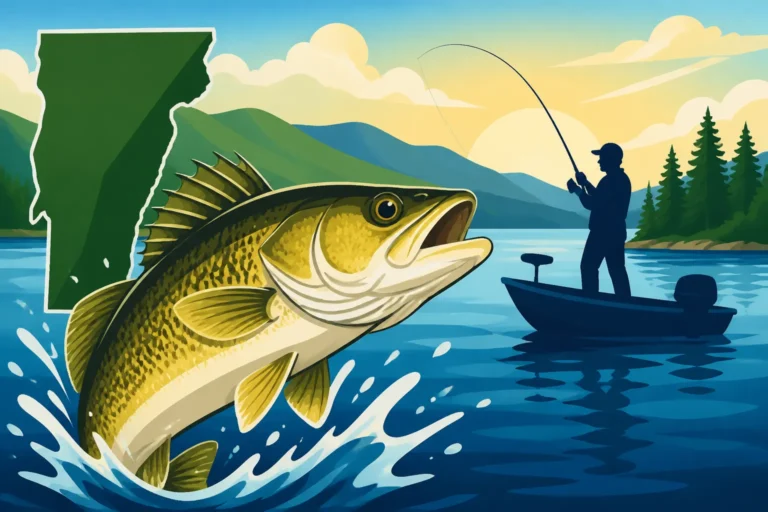
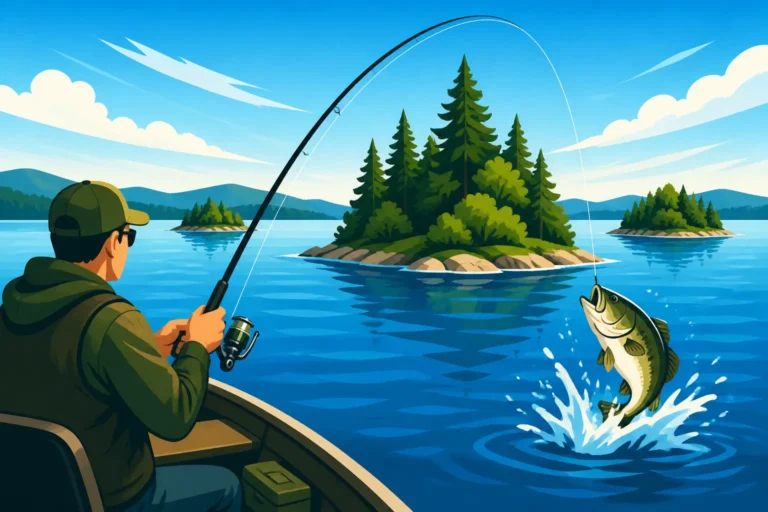
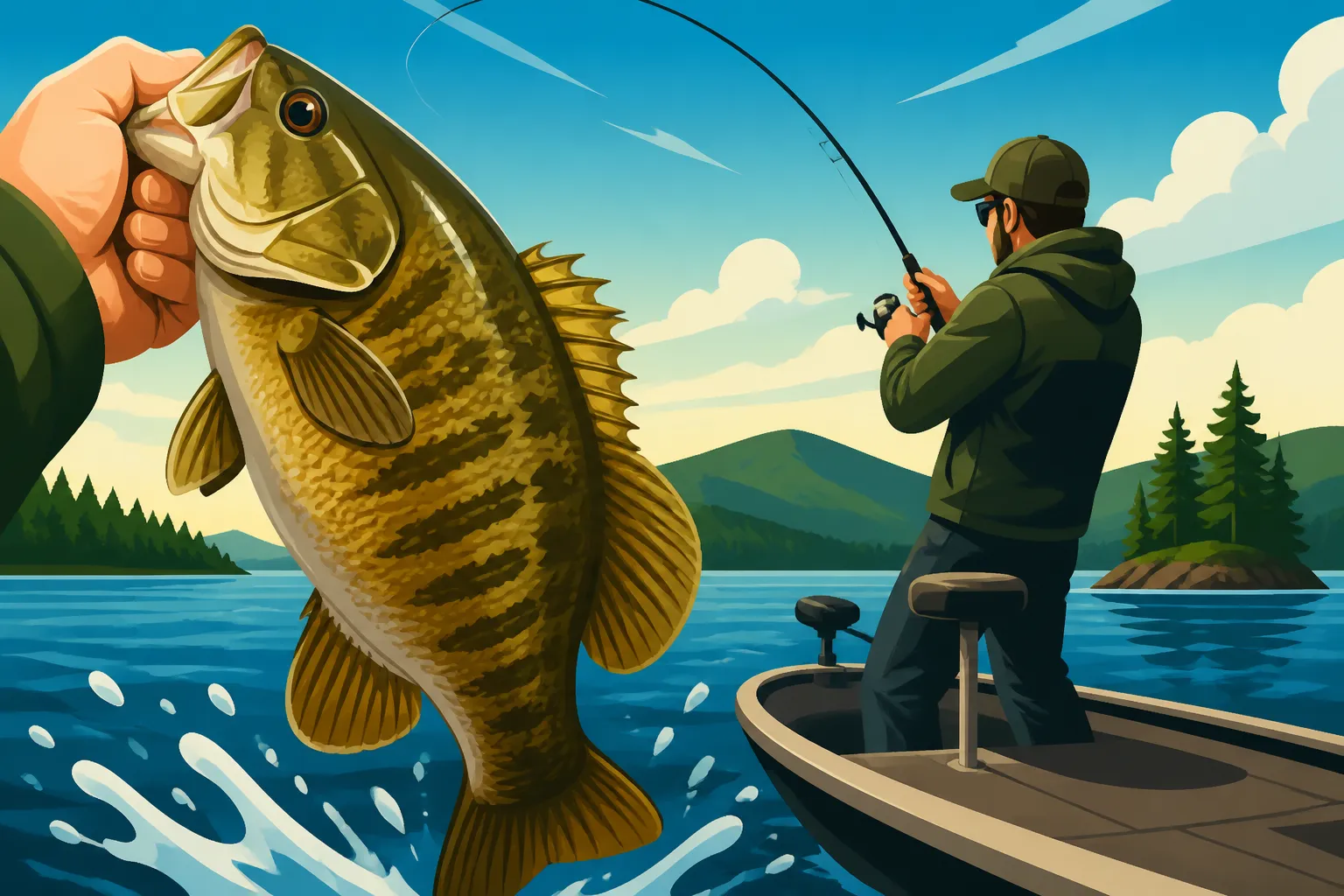
If you've ever hooked a smallmouth bass, you know exactly what we're talking about. These fish aren't called "bronze bombers" for nothing! Unlike their largemouth cousins, who often dive into cover, smallmouth are famous for their open-water acrobatics. They'll rip line off your reel, make powerful runs, and often launch themselves clear out of the water, shaking their heads violently to throw the hook. It's an adrenaline rush that few other freshwater species can match.
This fighting spirit is what truly captivates anglers. Picture this: you've just felt a subtle tap on your line, set the hook, and suddenly your rod bends double as a powerful fish streaks away, then explodes out of the water in a shimmering leap. It's a moment that defines the joy of fishing, a true test of your tackle and your angling skills. The anticipation leading up to that first jump, and the careful fight to bring them to the net, makes every catch memorable.
Understanding Smallmouth Habits on Lake Champlain
To consistently catch smallmouth bass on Lake Champlain, you need to think like a smallmouth. These fish are creatures of habit, often relating to specific types of structure and depth depending on the season, water temperature, and available forage. They prefer areas with hard bottoms—rock, gravel, and sand—rather than the silty, weedy bottoms favored by largemouth. You’ll often find them congregating around points, humps, ledges, and drop-offs.
Their movements throughout the year are largely dictated by water temperature and spawning cycles. In spring, they move into shallower, warmer waters to spawn, often found in bays and on protected flats. As summer progresses and water temperatures rise, they migrate to deeper, cooler offshore structures. Fall sees them moving back towards shallower feeding grounds as they gorge themselves in preparation for winter. Understanding these seasonal migrations and their preferred habitat is key to unlocking the lake’s smallmouth secrets. For more detailed insights into their behavior, check out our guide on Smallmouth Bass Habits on Lake Champlain.
Prime Locations for Smallmouth Bass on Lake Champlain
Lake Champlain is enormous, stretching over 120 miles from north to south. While smallmouth can be found throughout, certain areas consistently produce better results due to their optimal habitat. Knowing where to start can save you a lot of time and frustration, especially if you're exploring the lake for the first time.
Targeting Rocky Points and Shoals
If there's one golden rule for finding smallmouth on Lake Champlain, it's to look for rocks. Rocky points and submerged shoals are absolute magnets for these fish. These structures provide everything a smallmouth needs: cover from predators, ambush points for prey, and current breaks. Think about areas where a rocky shoreline extends out into the lake, or where underwater mapping reveals a sudden rise in the bottom composition.
For instance, the points around the Grand Isle region, like those jutting out from South Hero or North Hero, are legendary. These areas often feature a mix of boulders, gravel, and rubble, creating perfect holding spots. The shallower edges of these points, especially in the mornings or evenings, can be fantastic for topwater action, while the deeper flanks hold fish during the brighter parts of the day. Similarly, areas in the broad lake, such as around the Ligonier Point or Thompson's Point, are known for extensive rocky shoals that attract large numbers of smallmouth. Getting a good marine map or using your fish finder to locate these submerged structures is crucial. You might even consider booking a charter through a service like FishingBooker to get direct insights from local experts on the best spots.
Productive Bays and Islands
While rocky points are prime, many of Lake Champlain’s numerous bays and islands also offer incredible smallmouth fishing, especially during the spring and fall. Bays often warm up faster in the spring, drawing smallmouth in for their pre-spawn and spawning activities. Look for bays with rocky shorelines, gravelly flats, or scattered boulders, and avoid the overly silty or dense weed beds, which are more attractive to largemouth.
Islands, both large and small, frequently have surrounding rocky structures and deep-water access that smallmouth adore. The clusters of islands, like those in the Gut or the channels between Grand Isle and the mainland, create current flows and varying depths that concentrate baitfish and, in turn, smallmouth. For example, some of the smaller, uninhabited islands often have pristine rocky ledges that are less pressured. Always remember to respect private property when fishing around island shorelines.
River Mouths and Transitional Zones
River mouths and the transitional zones where rivers feed into Lake Champlain are often overlooked but highly productive smallmouth bass spots. These areas typically feature a mix of current, varying depths, and a constant influx of nutrients and baitfish, creating a dynamic ecosystem. Smallmouth will stage in these areas, particularly during migratory periods or when feeding actively.
Consider the mouth of the Winooski River near Burlington, or the Otter Creek entrance in Vergennes. These spots provide excellent opportunities, especially after a rain when the river brings fresh water and stirred-up forage into the lake. The mixing of different water temperatures and current speeds creates seams and eddies that smallmouth love to ambush prey from. It’s a bit different from fishing open lake structure, requiring a keen eye for current breaks and subtle changes in depth. When you're fishing these spots, pay attention to current lines and where baitfish are congregating—smallmouth won't be far behind.
Essential Techniques and Lures for Lake Champlain Smallmouth
Catching smallmouth bass on Lake Champlain requires a versatile approach, as conditions can change rapidly and the fish can be found in a wide range of depths. Having a diverse tackle box and a willingness to adapt your techniques will significantly increase your success rate.
Topwater Action and Reaction Baits
There's nothing quite as exhilarating as a smallmouth exploding on a topwater lure. This is often a morning or evening bite, especially in the shallower sections of rocky points and shoals, or around docks and laydowns in bays. When the water is calm and the fish are actively feeding on the surface, topwater lures like poppers, walking baits (e.g., a Heddon Zara Spook), and prop baits can be incredibly effective. The key is to work these lures with a cadence that mimics struggling baitfish or insects, creating commotion and drawing aggressive strikes.
Beyond topwater, reaction baits are crucial for covering water and triggering strikes from active fish. Spinnerbaits, chatterbaits, and shallow-diving crankbaits are excellent choices, especially when fishing rocky shorelines, weed edges (if present), or over submerged rock piles. For deeper fish, medium to deep-diving crankbaits that mimic the local forage, like smallmouth bass lures for Lake Champlain in summer, can be deadly when retrieved through rock fields or along drop-offs. The key is to match the bait to the depth the fish are holding and experiment with retrieve speeds until you find what triggers a bite.
Finesse Tactics for Challenging Conditions
Not every day on Lake Champlain is a topwater blowout. When the bite gets tough—perhaps after a cold front, under bright sun, or when fish are pressured—finesse tactics become your best friend. This is where subtle presentations and lighter tackle can make all the difference. Techniques like drop-shotting, Ned rigging, and using shaky heads are incredibly effective for enticing wary smallmouth.
For drop-shotting, use a light spinning rod with fluorocarbon line and small, soft plastic baits like minnow imitations or worms. This allows you to present your bait vertically, keeping it in the strike zone directly above your weight, which is perfect for suspended fish or those tight to structure. The Ned rig, with its mushroom-shaped jig head and buoyant worm, stands upright on the bottom, offering a subtle, tempting presentation. Shaky heads, similar to Ned rigs, can be worked through rocky cover with minimal snagging. These methods are fantastic for probing deep rock piles, ledges, and clear water where fish have ample time to inspect your offering. Remember, a light touch and patience are paramount with finesse fishing. To learn more about specific baits, refer to our guide on Best Baits for Smallmouth Bass on Lake Champlain.
Trolling and Deep Water Strategies
While many anglers associate smallmouth with casting, trolling can be a highly effective method for covering vast expanses of Lake Champlain and locating schools of deeper fish, especially during the warmer summer months. When smallmouth move offshore, they often suspend over deep structure or roam open water in search of baitfish. Trolling allows you to present multiple lures at varying depths until you find the sweet spot.
Deep-diving crankbaits, spoons, or even bucktail jigs can be trolled successfully. Using downriggers or lead core line can help you reach specific depths where fish are holding. Pay close attention to your fish finder to identify baitfish schools or thermoclines where smallmouth might be congregating. Another effective deep water strategy involves vertical jigging with heavy spoons or blade baits over humps and rock piles. This technique is particularly potent when you mark fish on your sonar. Dropping a jig directly to them and imparting an erratic, vertical action can often trigger an immediate strike. Understanding how to find deep structure on Lake Champlain is crucial here; consider searching for specific Best deep water structure spots on Lake Champlain.
Seasonal Strategies for Consistent Smallmouth Success
The behavior of smallmouth bass on Lake Champlain changes dramatically with the seasons, driven primarily by water temperature and their reproductive cycle. Adapting your approach throughout the year is essential for consistent success.
Spring: Pre-Spawn and Spawning Success
Spring on Lake Champlain is a time of transition, and it offers some of the most exciting smallmouth fishing opportunities. As the ice recedes and water temperatures begin to rise, typically into the high 40s and 50s Fahrenheit, smallmouth start to move from their deep wintering grounds into shallower bays and protected areas. This pre-spawn period is when they feed heavily, bulking up for the upcoming spawn. Look for them on the sunny sides of rocky points and northern bays, where the water warms quickest. Jerkbaits, spinnerbaits, and suspending crankbaits are highly effective during this stage.
Once the water temperature consistently hits the low to mid-60s, typically late May into June, the smallmouth will move onto their spawning beds. These beds are usually found on gravelly or rocky flats in 2 to 10 feet of water. While sight fishing for bedding bass can be tempting, it's generally recommended to practice extreme caution and quick release to protect the fishery. Vermont has specific regulations for the Vermont Bass Catch-and-Release Season, Explained and often has a catch-and-release only period before the full season opens. Soft plastics like tubes, grubs, or small creature baits worked slowly near beds can be irresistible to guarding males. Knowing the Vermont Bass Season Opening Date for 2026 is vital for planning your spring trips.
Summer: Deep Water and Early Morning Bites
As Lake Champlain warms up in the summer, typically from July through August, many smallmouth will retreat to deeper, cooler water. This is when offshore structure like humps, deep rock piles, and submerged ledges become prime real estate. Finding these areas with your electronics is key. Smallmouth might be holding anywhere from 15 to 40 feet deep, or even deeper, depending on the specific lake section and thermocline.
The early morning and late evening hours can still offer excellent shallower water action, particularly on windy days when wave action breaks up light penetration. Topwater lures can still work at dawn, but as the sun climbs, you'll want to transition to deep-diving crankbaits, drop-shot rigs, and vertical jigs. On hot, bright days, finesse presentations are often the ticket for tempting inactive fish. Trolling with spoons or deep crankbaits can also be very effective for covering vast areas and finding schools of fish suspended over structure. Staying out in the middle of the lake to target these deep water areas can be highly productive. If you're looking for specific areas, consider researching Best smallmouth bass spots on Lake Champlain.
Fall: Feeding Frenzy and Migration Patterns
Fall on Lake Champlain is arguably one of the best times of year to target trophy smallmouth bass. As water temperatures begin to cool, usually from September through October, the smallmouth enter a pre-winter feeding frenzy. They become incredibly aggressive, gorging themselves on baitfish in preparation for the lean winter months. This is when you can find some of the largest, healthiest smallmouth of the year.
The fish will often move shallower, closer to the abundant baitfish that are also moving towards shorelines. Look for them on main lake points, rocky flats adjacent to deep water, and around river mouths. Reaction baits like large crankbaits, spinnerbaits, and hefty jerkbaits become highly effective. Live bait, such as shiners or crayfish, can also be deadly. As the water continues to cool, smallmouth will eventually retreat to their deep wintering holes, usually large rock piles or deep channels, where they remain relatively dormant until spring. This autumn migration offers a fantastic window for active fishing.
Navigating Regulations and Best Practices for Smallmouth Bass
Fishing on Lake Champlain, or any Vermont water, means understanding and respecting the local regulations. Beyond the rules, adopting ethical best practices ensures the fishery remains healthy and vibrant for future generations.
Understanding Vermont Bass Regulations
Before you even cast a line, it’s crucial to familiarize yourself with Vermont’s fishing regulations for smallmouth bass. These rules are put in place by the Vermont Fish & Wildlife Department to manage fish populations sustainably. Regulations often cover aspects like open seasons, daily bag limits, and minimum length limits. For example, there might be a specific Vermont Bass Daily Bag Limit and a Vermont Bass Minimum Length Limits that vary throughout the year or for specific bodies of water.
It's not uncommon for Vermont to implement a "catch and release only" season for bass in the spring to protect spawning fish, followed by a general season with specific size and creel limits. Always check the most current regulations guide before heading out. You can usually find this information on the Vermont Fish & Wildlife Department website or at any local bait and tackle shop. Ignoring these rules can lead to fines and loss of fishing privileges, which nobody wants.
Catch and Release Best Practices
Lake Champlain’s smallmouth bass fishery is thriving partly because many anglers practice responsible catch and release. If you plan to release the fish you catch (and we highly recommend it for all but a few for the dinner table), it's essential to do so in a way that maximizes the fish's survival chances.
Here are some key tips:
- Use appropriate tackle: Avoid excessively light tackle that prolongs the fight, exhausting the fish.
- Handle with care: Minimize handling the fish, and always use wet hands or a wet net. Avoid touching their gills or eyes.
- Use de-hooking tools: Have needle-nose pliers or a dedicated de-hooker ready to quickly remove hooks, especially if they're deeply set. Consider using single, barbless hooks to make removal even easier.
- Support the fish: If you must take a photo, support the fish horizontally with two hands. Avoid holding large fish vertically by the jaw alone, as this can damage their internal organs.
- Revive properly: If a fish seems sluggish, hold it gently in the water, facing into a mild current, until it can swim away on its own.
These practices ensure that the incredible smallmouth bass of Lake Champlain continue to thrive, providing enjoyment for countless anglers.
Hiring a Guide or Charter for Lake Champlain
For those who are new to Lake Champlain, or simply want to maximize their time on the water, hiring a local fishing guide or charter can be an invaluable experience. These professionals spend countless hours on the lake and possess intimate knowledge of smallmouth bass behavior, current hotspots, and effective techniques. They can quickly put you on fish, teach you new tactics, and help you navigate the vast waters safely.
Many excellent guides operate on Lake Champlain, specializing in smallmouth bass. Services like FishingBooker can help you find reputable local guides and charters, providing details on their expertise, available dates, and rates. It's a fantastic way to accelerate your learning curve and experience the best of what the lake has to offer. A good guide can provide all the necessary gear, teach you how to read your electronics, and even share local tips on other species like walleye or lake trout. Whether you're targeting Lake Champlain Smallmouth Bass Fishing specifically or just want a general overview of the area, a guided trip can transform your understanding of this magnificent fishery.
Lake Champlain Smallmouth Bass Seasonal Fishing Overview
| Season | Water Temperature Range | Typical Depth | Key Lures/Techniques | Notes |
|---|---|---|---|---|
| Spring | 40s – Low 60s F | 5 – 20 feet | Jerkbaits, Spinnerbaits, Suspending Crankbaits, Tubes | Pre-spawn feeding, spawning on rocky/gravelly flats. Often catch & release only period. |
| Summer | Mid 60s – 70s F | 15 – 40+ feet | Drop-shots, Deep Cranks, Vertical Jigs, Topwater (AM/PM) | Fish move deeper offshore. Early mornings & evenings offer shallower bites. Finesse is key for inactive fish. |
| Fall | 50s – Low 60s F | 5 – 25 feet | Large Crankbaits, Spinnerbaits, Jerkbaits, Live Bait | Aggressive feeding frenzy. Fish move shallower to gorge. Excellent time for trophy fish. |
Disclaimer
Please note that fishing regulations, seasons, and limits can change. Always consult the official Vermont Fish & Wildlife Department website or their current printed guide for the most up-to-date and accurate information before planning your fishing trip. The information provided here is for general guidance only.