Vermont Lake Willoughby special regulations
There's nothing quite like planning a fishing trip to a truly iconic spot, but the excitement can quickly turn to frustration when you realize not all waters play by the same rules. Vermont's stunning Lake Willoughby, with its breathtaking beauty and famed fisheries, is one such place where standard regulations often don't apply. This comprehensive guide will walk you through the special regulations that govern fishing on Lake Willoughby, helping you avoid common pitfalls and ensuring a successful, compliant, and enjoyable angling experience on this remarkable body of water.
The Allure and Challenges of Lake Willoughby's Unique Waters
Lake Willoughby isn't just another beautiful lake in Vermont; it's a geological marvel often referred to as Vermont's "Fjord." Its incredible depth, crystal-clear waters, and unique ecosystem set it apart, making it a bucket-list destination for many anglers. But with such uniqueness comes the responsibility of protecting its delicate balance, which is why special regulations are firmly in place.
A Deep Dive into Vermont's "Fjord"
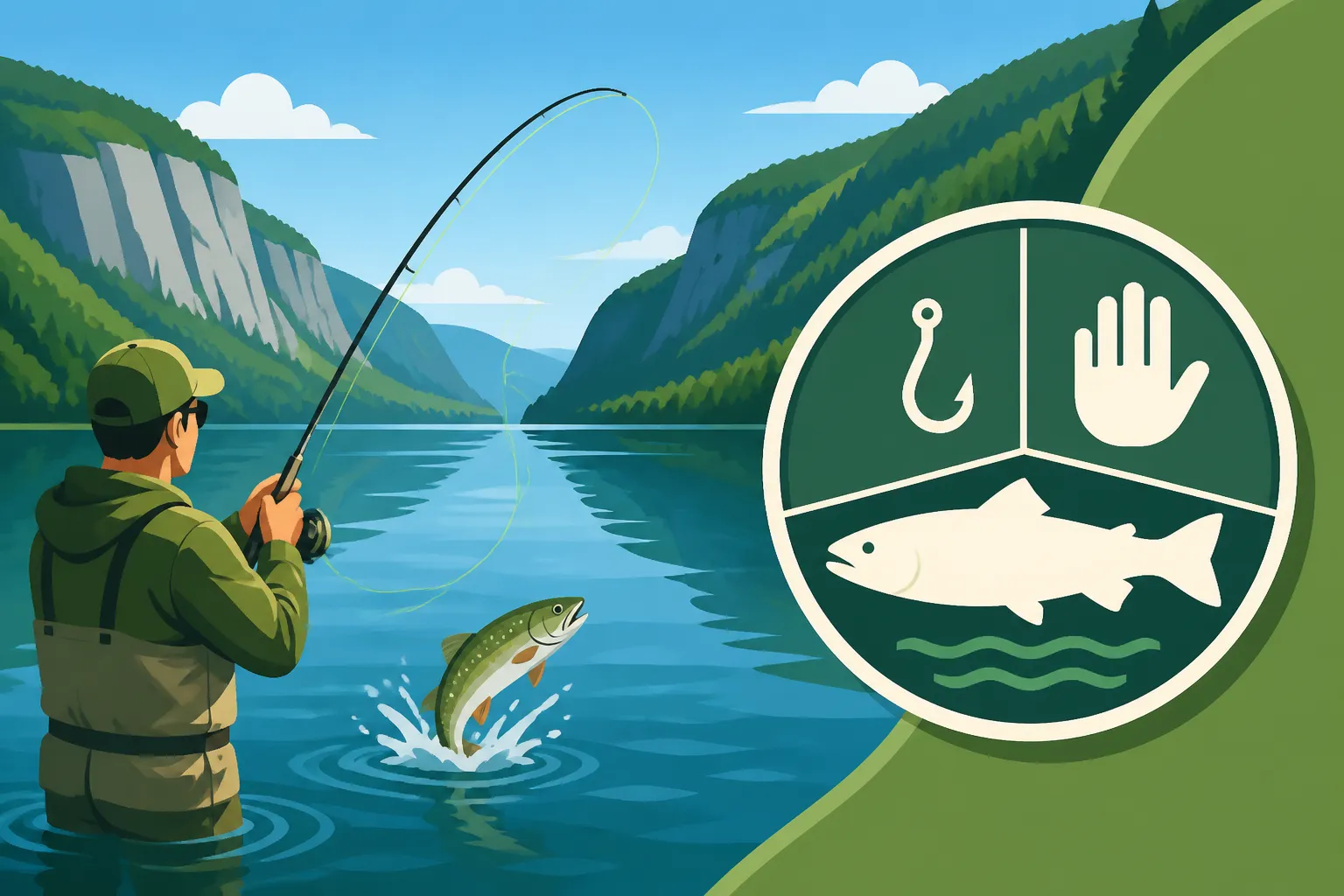
Imagine standing on a shore, gazing across water so clear you can see significant depths, flanked by steep, forested cliffs that plunge dramatically into the water. That's Lake Willoughby. Located in Vermont's Northeast Kingdom, this glacial lake boasts depths exceeding 300 feet, making it the deepest lake entirely within Vermont. These cold, oxygen-rich depths are exactly what makes it such prime habitat for cold-water species like lake trout, landlocked salmon, and even some wild brook trout in its tributaries.
The lake's formation, carved by glaciers, created a unique environment where these species thrive, growing to impressive sizes. It’s not uncommon to hear tales of truly massive fish pulled from Willoughby's depths, a testament to its productivity and the careful management it receives. However, its very productivity and popularity mean that without specific rules, the fishery could easily be overstressed. This deep, clear water also means fish can be spooky, requiring a different approach than shallower, warmer lakes.
Why Special Regulations are a Must for Willoughby
The Vermont Fish & Wildlife Department doesn't impose special regulations just to be difficult; they do it to safeguard valuable and often fragile fisheries. For Lake Willoughby, these rules are crucial for several reasons. Firstly, they protect the genetic integrity and populations of its cherished wild and stocked landlocked salmon and lake trout. These aren't just any fish; they are a vital part of the lake's ecosystem and a significant draw for anglers. Overharvesting, especially of larger, breeding-age fish, could quickly decimate populations that take years to grow.
Secondly, special regulations help maintain the "trophy" quality of the fishery. Many anglers visit Willoughby with the hope of catching a truly memorable fish, and these rules, often involving unique size and bag limits, are designed to allow a certain number of fish to reach larger sizes before they can be harvested. This creates a balance, ensuring there are enough fish for anglers to pursue while also guaranteeing future generations of sizable fish. You'll find similar considerations for other prized Vermont waters, which you can learn about in our comprehensive guide to Vermont Fishing Regulations Explained. Without these carefully crafted rules, Willoughby's reputation as a premier cold-water fishery could easily erode, impacting both the ecosystem and the local economy that relies on fishing tourism.
Decoding Lake Willoughby's Specific Fishing Regulations
When you're heading out onto Lake Willoughby, you absolutely need to know the specific rules that apply there. These aren't just suggestions; they are legally binding regulations designed to protect the very resource you're hoping to enjoy. While some statewide rules apply, it's the specific exceptions and additions for Willoughby that you need to pay close attention to.
Understanding the Trophy Management for Salmon and Trout
Lake Willoughby is managed as a trophy fishery for both landlocked salmon and lake trout, which means the regulations for these species are distinct from many other Vermont waters. The most important rule to commit to memory is the daily limit and length restriction:
- Landlocked Salmon and Lake Trout: The daily limit is 2 fish total for these two species combined. This means you can't keep two salmon and two lake trout; it's a maximum of two fish from either species in any combination per day.
- Minimum Length: Both species have a minimum length of 15 inches.
- The "One Over" Rule: Here's the critical special regulation that sets Willoughby apart: Only one of the two fish kept may exceed 20 inches in length. This is a significant detail. If you catch two salmon, one 18 inches and one 22 inches, you can keep them. If you catch two salmon, one 18 inches and one 25 inches, you can keep them. However, if you catch two salmon that are both 22 inches, you can only keep one, and the other must be released. This rule is specifically designed to allow some larger, mature fish to be harvested while ensuring a strong population of big breeders remains in the lake. It's a key factor in how Vermont manages its Vermont Landlocked Salmon Regulations and lake trout populations in trophy waters.
This unique length limit encourages anglers to release larger fish, especially if they've already kept a trophy-sized fish for the day. It reinforces the idea that conservation isn't just about limits, but about selective harvest. Always have a reliable measuring device on your boat or in your tackle box, and use it responsibly. A flexible tape measure or a bump board can be easily found on platforms like Amazon and is an indispensable tool for accurate measurement.
General Bag and Length Limits for Other Species
While the focus for special regulations often falls on salmon and lake trout, other species in Lake Willoughby generally adhere to statewide regulations, but it's always wise to double-check the current Vermont Fish & Wildlife digest.
- Brook Trout: In Lake Willoughby itself, and its immediate tributaries, brook trout typically follow standard statewide regulations, which usually means a daily limit of 6 fish with a minimum length of 6 inches. However, always confirm if any specific tributary streams feeding Willoughby have their own unique restrictions, as some smaller, wild brook trout streams in Vermont can have different rules, like catch-and-release only or specific lure restrictions.
- Smallmouth Bass: Willoughby has a healthy population of smallmouth bass, especially in shallower rocky areas. These typically fall under general statewide Vermont Bass Minimum Length Limits and bag limits. For example, during the open season, it’s often a daily limit of 5 bass, with a minimum length of 10 inches, but these can change.
- Yellow Perch, Chain Pickerel, and Other Panfish: These species are generally subject to generous statewide limits, often with no daily or possession limits for species like yellow perch or sunfish. Chain pickerel usually have a 10-fish daily limit. These fish provide excellent action, especially for families or during times when the salmon and trout are less active.
The best practice is always to consult the latest Vermont Hunting, Fishing & Trapping Laws and Guide before each fishing season. This guide is your ultimate authority on all regulations, including any nuances specific to Lake Willoughby. You can find out more about where to get this vital information in our guide on Reading the Vermont Fishing Regulations Guide.
Navigating Seasonal Considerations and Ice Fishing Rules
Lake Willoughby offers fantastic fishing opportunities year-round, but seasons definitely influence what you can catch and how you can catch it.
- Open Water Season: For landlocked salmon, lake trout, and brook trout, the open water season typically runs from the second Saturday in April through October 31st. This is generally when you'll be trolling with downriggers for the deep-water species or casting near structure for smallmouth. For specific dates, always check the official guide, as these can sometimes shift. Our guide on Vermont Trout Season and Stocking Rules offers more context on these seasonal openings.
- Bass Season: Smallmouth bass typically have a catch-and-release only season during their spawning period, usually from the second Saturday in April until the second Saturday in June, after which a harvest season begins. Confirm these dates as well.
- Ice Fishing Season: Lake Willoughby is a prime ice fishing destination, drawing anglers seeking giant lake trout and salmon through the ice. The ice fishing season for salmon and lake trout typically opens the third Saturday in January and runs through March 15th. For yellow perch and other panfish, ice fishing generally opens the same day as salmon and trout and extends to March 31st.
- Line Limits: During ice fishing, the statewide rule is usually that an angler may use no more than 5 lines at any time. Each line must be under the immediate control of the person using it, meaning you can't set lines and wander far off. This is a common rule across Vermont's frozen lakes, similar to those you might find covered in our Vermont Ice Fishing Season Dates article.
- Live Bait: While live bait is generally allowed in Willoughby, remember that some waters in Vermont have live bait fish restrictions to prevent the spread of disease. Always verify these rules for any particular waterbody or its tributaries before using live bait.
Table: Lake Willoughby Key Species Regulations Overview
| Species | Daily Limit | Minimum Length | Special Conditions | Typical Season |
|---|---|---|---|---|
| Landlocked Salmon | 2 (combined) | 15 inches | Only one fish may exceed 20 inches | Apr – Oct 31, Ice Fishing Jan – Mar 15 |
| Lake Trout | 2 (combined) | 15 inches | Only one fish may exceed 20 inches | Apr – Oct 31, Ice Fishing Jan – Mar 15 |
| Brook Trout | 6 | 6 inches | Check specific tributary rules | Apr – Oct 31 |
| Smallmouth Bass | 5 | 10 inches | Check for catch-and-release only periods (e.g., spawning) | Mid-June – Nov 30 |
| Yellow Perch | None | None | Statewide general rules apply | Year-round |
| Chain Pickerel | 10 | None | Statewide general rules apply | Year-round |
Note: All dates and limits are subject to change. Always consult the most current Vermont Fish & Wildlife digest.
Essential Gear and Responsible Practices for Willoughby Anglers
To truly enjoy Lake Willoughby, understanding the rules is just one piece of the puzzle. Having the right gear and adopting responsible angling practices are equally important for both your success and the long-term health of this incredible fishery.
Recommended Tackle for Deep-Water Species
Given Willoughby's extreme depths and the powerful fish that inhabit it, your gear choices are crucial. For landlocked salmon and lake trout, a medium-heavy action rod with a strong, smooth reel spooled with 10-20 lb test monofilament or braid is a good starting point. Many anglers specifically targeting these deep-water species will rely on downriggers to get their lures to the precise depths where fish are holding, often 50-150 feet or more. Look for specialized trolling rods that can handle the stress of downrigger fishing.
Lures often include large spoons, stickbaits, and even large streamer flies trolled behind dodgers or flashers. Brands like Dreamweaver and Sutton are popular for spoons, while Rapala and Bomber make effective stickbaits. You can find a vast selection of these specialized trolling lures and equipment on Amazon, which can be delivered right to your door. A quality fish finder is also almost a necessity on Willoughby to locate baitfish schools and underwater structure where trout and salmon often lurk. Our guide on Best Fish Finders for Vermont Lakes can help you choose the right one.
For smallmouth bass, a medium-action spinning rod with 6-10 lb fluorocarbon line (which is nearly invisible in Willoughby's clear water) is ideal. Jerkbaits, tubes, drop shot rigs, and Ned rigs are highly effective for these wary fish. For those who prefer a more traditional approach, live bait such as shiners or smelt can be effective for all species, but always verify current regulations regarding live bait on specific waters.
Conservation Mindset and Leave No Trace Principles
Fishing on Lake Willoughby isn't just about catching fish; it's about being a steward of an extraordinary natural resource. Practicing catch and release, especially for fish you don't intend to keep or those that exceed the "one over 20 inches" rule, is vital. Handle fish carefully with wet hands, minimize their time out of the water, and use de-barbed hooks to reduce injury. A good landing net with a rubberized mesh is also crucial for minimizing harm to fish you intend to release, and many options are available on Amazon.
Beyond the fish, adopting "Leave No Trace" principles is paramount. This means packing out everything you pack in, including all trash, broken fishing line, and any other debris. Avoid disturbing shoreline vegetation or wildlife. If you're using a boat, be mindful of your wake, especially near sensitive shorelines or other small craft. Respect private property and only access the lake through designated public access points. This responsible behavior ensures that Lake Willoughby remains pristine and productive for everyone, for generations to come.
Checking the Official Vermont Fishing Guide
I can't stress this enough: always, always, always refer to the official Vermont Hunting, Fishing & Trapping Laws and Guide for the most up-to-date regulations. Regulations can change annually, and what was true last year might not be true this year. These guides are available digitally on the Vermont Fish & Wildlife Department website, at most license vendors, and sometimes even at bait and tackle shops around the state.
Taking a few minutes to review the specific section on Lake Willoughby, along with the general statewide regulations, can save you from potential fines or, more importantly, from inadvertently harming the fishery. Ignorance of the law is not an excuse, and game wardens patrol these popular waters regularly. Having a current copy of the regulations, whether physical or on your phone, is just as important as having your Vermont Fishing License Guide for 2026 in hand. Remember, a successful day on the water isn't just measured by the fish you catch, but by the respect you show for the resource and the rules that protect it.
Preserving the Legacy: The Importance of Willoughby's Special Rules
The special regulations on Lake Willoughby are more than just bureaucratic hurdles; they are the bedrock of a long-term conservation strategy aimed at protecting a truly unique and valuable natural asset. Understanding the "why" behind these rules helps us appreciate their importance and encourages voluntary compliance, which is often the most effective form of conservation.
Protecting Native Populations and Unique Genetics
Lake Willoughby's deep, cold waters provide a rare habitat for certain cold-water fish species that are not as prevalent in other Vermont lakes. While stocking programs do occur, especially for landlocked salmon, the lake also supports wild populations and maintains critical genetic diversity. The "one over 20 inches" rule for salmon and lake trout, for instance, is a prime example of a regulation designed to protect the largest, most reproductively valuable fish. These larger individuals contribute significantly to the gene pool, passing on traits that allow fish to thrive in Willoughby's specific environment, such as their ability to grow to impressive sizes.
When these large, mature fish are allowed to continue spawning, they help ensure the genetic health and resilience of the overall population. This contrasts with fisheries where unrestricted harvest of large fish might inadvertently select for smaller, faster-maturing fish, potentially altering the long-term quality and character of the fishery. These regulations, therefore, are an investment in the biological future of Lake Willoughby, ensuring its unique fish populations remain robust.
Ensuring a World-Class Fishery for Future Generations
Ultimately, the special regulations on Lake Willoughby are about sustainability. They are designed to manage the fishery in a way that allows current anglers to enjoy world-class fishing while simultaneously guaranteeing that the same opportunities exist for our children and grandchildren. Without careful management, even a prolific fishery like Willoughby could be depleted, losing its appeal and ecological value.
By imposing thoughtful limits on what can be harvested, particularly for the highly sought-after salmon and lake trout, the Vermont Fish & Wildlife Department helps to balance angling pressure with the lake's ability to replenish itself. This kind of forward-thinking management makes places like Willoughby stand out as premier fishing destinations, drawing anglers from across the region and beyond. It’s a collective effort, requiring every angler to understand and respect these rules, to ensure that the thrill of catching a trophy fish in the stunning clear waters of Lake Willoughby remains a possibility for generations to come. This commitment to long-term health is why Vermont also has robust programs like the Vermont Fish Stocking Search Tool, Explained, ensuring active management complements conservation.
Disclaimer
Please remember that fishing regulations are subject to change. While this guide aims to provide accurate and up-to-date information regarding Lake Willoughby's special regulations, it is your responsibility to consult the most current Vermont Fish & Wildlife Department official regulations guide before heading out on the water. This guide does not constitute legal advice.