Vermont muskellunge minimum length on Lake Memphremagog
It can be incredibly frustrating to head out on the water, excited for a chance to hook into a legendary fish like the muskellunge, only to be riddled with anxiety about whether you're following every single regulation. Especially when it comes to specific waters like Lake Memphremagog, where these toothy giants roam, knowing the exact rules, like the minimum length, is absolutely critical. This comprehensive guide is here to clear up all that confusion and ensure you're fully prepared to chase muskie responsibly and legally in Vermont's portion of Lake Memphremagog.
Understanding Muskellunge Regulations on Lake Memphremagog
Muskellunge, often affectionately called "muskie," are apex predators that demand respect, not just in their fighting prowess but also in how we manage their populations. Vermont, recognizing the unique trophy fishery that Lake Memphremagog offers, has put specific regulations in place to protect these magnificent fish and ensure their future for generations of anglers. These aren't just arbitrary numbers; they're carefully considered measures aimed at sustainability.
Why Specific Length Limits Exist for Muskellunge
The Vermont Fish & Wildlife Department doesn't just pull these numbers out of thin air. When it comes to a species like the muskellunge, which grows incredibly large and takes many years to reach maturity, a minimum length limit is a cornerstone of conservation. Essentially, it's about protecting the future of the fishery. By setting a high minimum length, anglers are required to release younger, smaller fish. This allows those fish to grow to a size where they can spawn multiple times, contributing significantly to the population before they are eligible for harvest. It helps ensure there are enough breeding adults to sustain the population naturally, preventing overfishing of the younger, more vulnerable segments of the population. For trophy fish like muskie, it's also about letting them reach that truly impressive, state-record-worthy size that draws anglers from far and wide.
The Current Minimum Length for Muskie in Lake Memphremagog
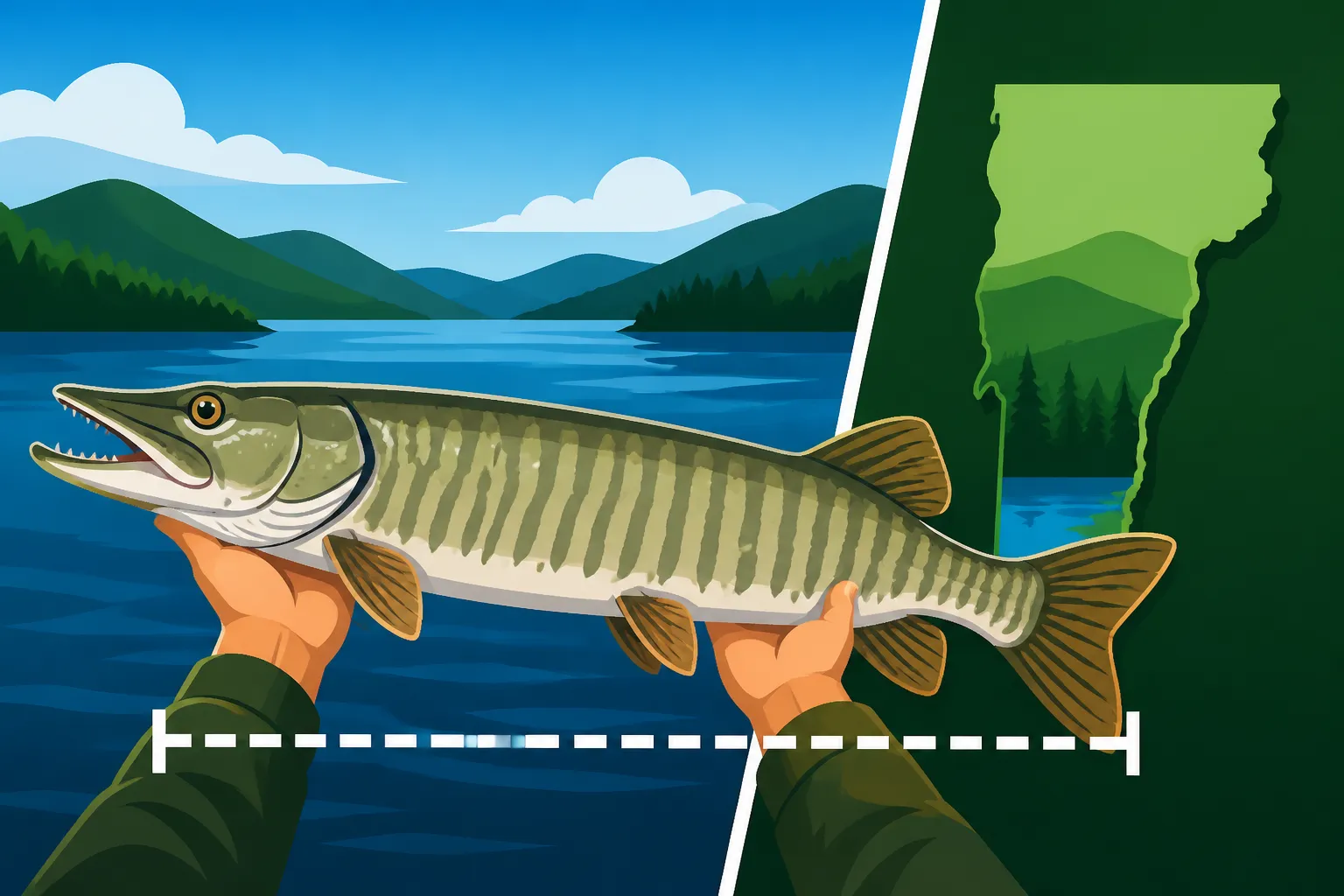
Alright, let's get right to the heart of the matter. If you're fishing for muskellunge in the Vermont waters of Lake Memphremagog, you need to be acutely aware of this crucial number: the minimum length for muskellunge is 50 inches. That's right, fifty inches! This is a significant length, reflecting the state's commitment to fostering a true trophy muskie fishery. Any muskellunge you catch that measures less than 50 inches must be immediately released unharmed. It’s a strict rule, but one that has helped cement Lake Memphremagog's reputation as one of the premier muskie destinations in the region. Understanding the details of other specific limits, such as the daily limit, can be found in the comprehensive guide on Vermont Muskellunge Regulations on Lake Memphremagog.
Border Water Nuances: Vermont and Quebec
Lake Memphremagog is a rather unique body of water in that it straddles an international border, with a significant portion of the lake lying in Quebec, Canada. This can lead to some confusion for anglers, as regulations can and often do differ between jurisdictions. It's vital to remember that Vermont's fishing regulations, including the 50-inch minimum length for muskellunge, apply solely to the waters within Vermont's territorial boundaries. If you venture into the Canadian side of Lake Memphremagog, you are subject to Quebec's fishing laws and regulations, which might have different length limits, daily creel limits, and even different licensing requirements. Always ensure you know exactly which side of the border you are fishing on and have the appropriate licenses and are adhering to the relevant regulations. Ignorance of the law, especially across international borders, is never an excuse for non-compliance.
Practical Implications for Anglers
Knowing the regulation is one thing, but practically applying it on the water is another. Catching a muskie, especially a large one, is an intense experience, and you'll want to be prepared to handle it safely and legally. The specific guidelines laid out in the Vermont Fishing Regulations Explained are crucial for all anglers to review annually.
Measuring Your Catch Accurately
When you finally land that muskie, the excitement can be overwhelming, but a calm, accurate measurement is paramount. Muskie grow incredibly quickly, and a small mistake in measurement can mean the difference between a legal catch and a violation. You'll need a reliable measuring board or tape measure that extends well beyond 50 inches. For muskie, a sturdy bump board is ideal, allowing you to lay the fish flat, nose against the "bump" at the zero mark, and read the length quickly.
When measuring, always lay the fish on its side on a wet surface (like a measuring board or wet carpet in the boat) to minimize stress and scale removal. Pinch the tail to get the maximum length. Avoid suspending the fish vertically by its jaw or gill plates, as this can cause severe internal damage. If the fish is thrashing, keep it in the water as much as possible, using the measuring board at the boat's side. Many anglers choose to photograph their catch quickly and release it immediately, especially if it's borderline or clearly under the legal minimum. You can find durable, boat-friendly measuring boards easily on Amazon, which are invaluable for quickly assessing your catch without undue stress to the fish.
Catch and Release Best Practices for Muskellunge
Given the 50-inch minimum, most muskies you catch will likely be released. Therefore, mastering catch and release techniques is not just a good idea; it's an absolute necessity. Muskie are powerful, but they can be surprisingly delicate if handled improperly.
- Minimize Fight Time: Use appropriate, heavy-duty tackle to land the fish as quickly as possible, reducing exhaustion. You can learn more about suitable gear in our guide on Best Line Weight for Muskellunge Fishing.
- Keep it Wet: Do everything you can to keep the fish in the water. Prolonged exposure to air is detrimental.
- Tools are Key: Have a large, rubberized landing net (often called a "muskie net") ready. These are widely available, including on platforms like Amazon, and are far gentler on the fish's slime coat and fins than knotted nylon nets. Also, carry long-nosed pliers, bolt cutters (for cutting hooks if necessary), and a jaw spreader. These tools allow you to safely remove hooks without putting your hands near those sharp teeth.
- De-hooking: Use your long tools to quickly and carefully remove hooks. If a hook is deeply embedded or too difficult to remove quickly, cut the shank of the hook with bolt cutters. Hooks will rust out over time, and a quick release is more important than retrieving a hook.
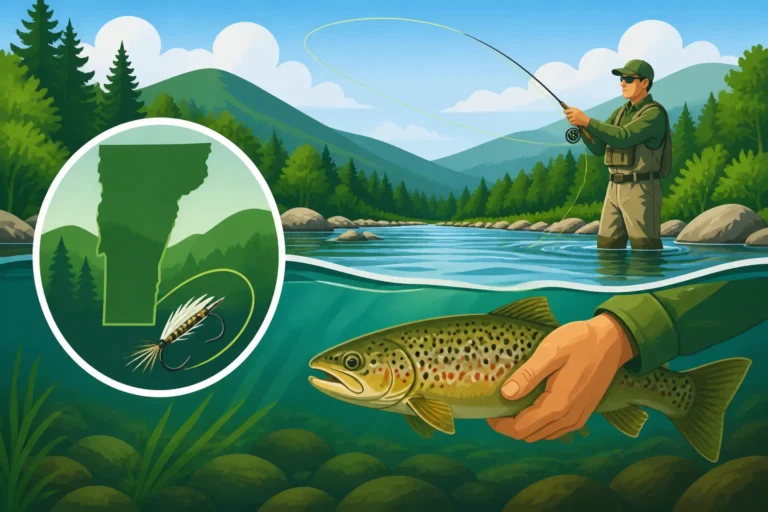
- Support the Fish: If you must lift the fish for a quick photo, support its body horizontally with two hands—one under the head/gill plate area and one under the belly near the tail. Never hold a muskie vertically by the jaw alone.
- Revival: After de-hooking, hold the fish gently in the water, supporting it by the tail and under the belly, allowing water to flow over its gills. Move it slowly back and forth if necessary until it regains its strength and can swim away on its own. This entire process is crucial for the survival of the fish, as detailed in Muskellunge catch and release survival tips.
What to Do if You Catch an Undersized Muskie
This one is simple and non-negotiable: release it immediately. If your muskie doesn't meet the 50-inch minimum, it must go back into the water right away. There's no gray area here. Trying to keep an undersized fish, even accidentally, can lead to serious penalties, including significant fines and potential revocation of your fishing license. Enforcement is taken very seriously, especially for trophy species. Always err on the side of caution. Even if you think it's close, a quick, safe release is the best policy.
The Significance of Lake Memphremagog's Muskie Fishery
Lake Memphremagog isn't just another body of water in Vermont; it holds a special place in the hearts of muskie enthusiasts. The thriving population of these giants is a testament to dedicated conservation efforts and smart management. Learning about the species itself, including their habits, can greatly improve your chances, as outlined in Muskellunge Habits on Lake Memphremagog.
History of Muskellunge Restoration in Lake Memphremagog
It might surprise some, but the muskellunge population in Lake Memphremagog wasn't always as robust as it is today. In the early 2000s, there was a concerted effort by the Vermont Fish & Wildlife Department, in collaboration with Quebec agencies, to restore and enhance the muskie fishery. This involved extensive stocking programs, habitat improvements, and, crucially, the implementation of protective regulations like the high minimum length. These efforts have paid off spectacularly, transforming Memphremagog into a world-class muskie destination. This story of successful restoration is a powerful reminder of why adhering to regulations is so important – it directly contributes to the incredible fishing opportunities we enjoy.
The Trophy Fishery Status
Lake Memphremagog is renowned for its potential to produce truly enormous muskellunge. The 50-inch minimum length regulation is a key component of this trophy status. It means that the fish have a chance to grow for many years, reaching impressive sizes that are rare in many other fisheries. Anglers come to Memphremagog specifically for the chance to tangle with a muskie that could potentially break the state record or at least provide the fight of a lifetime. The sheer size and power of these fish make them an incredible challenge, and the chance to encounter one that has reached such a grand scale is what drives the passion for muskie fishing here. Detailed techniques for catching these giants are covered in How to Catch Muskellunge on Lake Memphremagog.
Impact on the Ecosystem and Tourism
Beyond the thrill for individual anglers, a healthy muskellunge population has broader benefits. As apex predators, muskellunge play a vital role in the lake's ecosystem, helping to maintain balance by preying on other fish species. This natural control contributes to the overall health and biodiversity of Lake Memphremagog. Furthermore, the allure of a trophy muskie fishery brings significant tourism revenue to the Newport and surrounding areas in Vermont's Northeast Kingdom. Anglers travel from all over, spending money on accommodations, bait, tackle (which they might purchase from local shops or even places like Amazon for specific gear), guides, and food, all of which support local businesses and the economy. It’s a win-win scenario: healthy fish populations support thriving communities. To plan your trip, consider checking out the comprehensive Lake Memphremagog Fishing Guide.
Here's a quick reference table for the current muskellunge regulations on the Vermont side of Lake Memphremagog:
| Regulation Type | Muskellunge (Lake Memphremagog – VT Side) |
|---|---|
| Minimum Length | 50 inches |
| Daily Limit | 1 |
| Possession Limit | 1 |
| Season | Open year-round |
| Key Note | Catch and Release highly encouraged |
Before heading out, always consult the official Vermont Fishing License Guide for 2026 and the most current Vermont Fish & Wildlife Department regulations booklet, as rules can change. For specific details on other species, you might find useful information in the Vermont Bag and Possession Limits by Species guide. And remember, having the right gear, including a good Best Landing Net for Muskellunge, is essential for a successful and ethical muskie outing.
Disclaimer
Please remember that fishing regulations, including those for muskellunge on Lake Memphremagog, can change. While every effort has been made to provide accurate and up-to-date information, it is your responsibility as an angler to always consult the most current official Vermont Fish & Wildlife Department regulations before heading out on the water. This guide is for informational purposes only and should not be considered legal advice.