Vermont Fishing License Refund and Replacement Policy
It's incredibly frustrating when your fishing plans change unexpectedly, or worse, when that precious fishing license somehow goes missing or gets damaged right before a trip. We've all been there, wondering what to do next, if our money is just gone, or how on earth we get a new license without a huge hassle. This comprehensive guide is here to demystify the Vermont Fish & Wildlife Department's policies on fishing license refunds and replacements, giving you clear steps and peace of mind.
Navigating Vermont's "All Sales Are Final" License Policy
Let's get this out of the way upfront: like many state agencies, the Vermont Fish & Wildlife Department generally operates on an "all sales are final" policy when it comes to fishing licenses, permits, and stamps. This can be a real bummer if your plans suddenly change, but it's largely in place due to the administrative costs involved in processing refunds and the nature of governmental revenue collection for conservation efforts.
The General Rule: Why Refunds Are RARE
When you purchase a fishing license, whether it's a Vermont Fishing License Guide for 2026 or a specific short-term permit like the Vermont 1-Day Nonresident Fishing License Cost, you're essentially buying access to a public resource for a set period. That transaction is typically considered complete at the point of sale. Imagine buying a concert ticket; even if you can't go, it's rare to get your money back from the venue itself. The same principle largely applies here. The funds from your purchase directly support vital conservation work, fish stocking programs, habitat restoration, and enforcement efforts across the state. Because these funds are often allocated soon after collection, undoing a sale can create significant administrative hurdles. This is why you'll find that if you simply change your mind, get sick, or realize you won't be able to use your license before its Vermont annual fishing license expiration date, a refund isn't typically on the table.
Rare Exceptions and What to Do
While the "all sales are final" policy is firm, there are occasional, very rare exceptions, almost exclusively tied to an error in the purchasing process itself, not a change in your personal circumstances. For instance, if you accidentally purchased the exact same license twice, or if there was a verifiable system error during the transaction that resulted in an incorrect charge or license type, you might have a case. Another potential, albeit unlikely, scenario would be if an authorized vendor made a clear error on their part, leading to an invalid license. In these extremely specific situations, your best course of action is immediate and direct communication with the Vermont Fish & Wildlife Department. Do not delay! Gather all your proof of purchase, transaction IDs, and any other relevant documentation. Be prepared to explain the situation clearly and concisely. While a refund isn't guaranteed, providing thorough documentation for an obvious error on their end or a duplicate charge might lead to a resolution.
Seamlessly Replacing Your Lost, Stolen, or Damaged Vermont Fishing License
Losing your fishing license can feel like a punch to the gut, especially if you're already out on the water or about to head out. The good news is that replacing a lost or damaged Vermont fishing license is usually quite straightforward, especially with the modern conveniences of online access. You definitely don't want to risk facing a Vermont fishing without a license penalty, which can be steep, so sorting out a replacement quickly is paramount.
The Free Online Reprint Option: Your First Stop
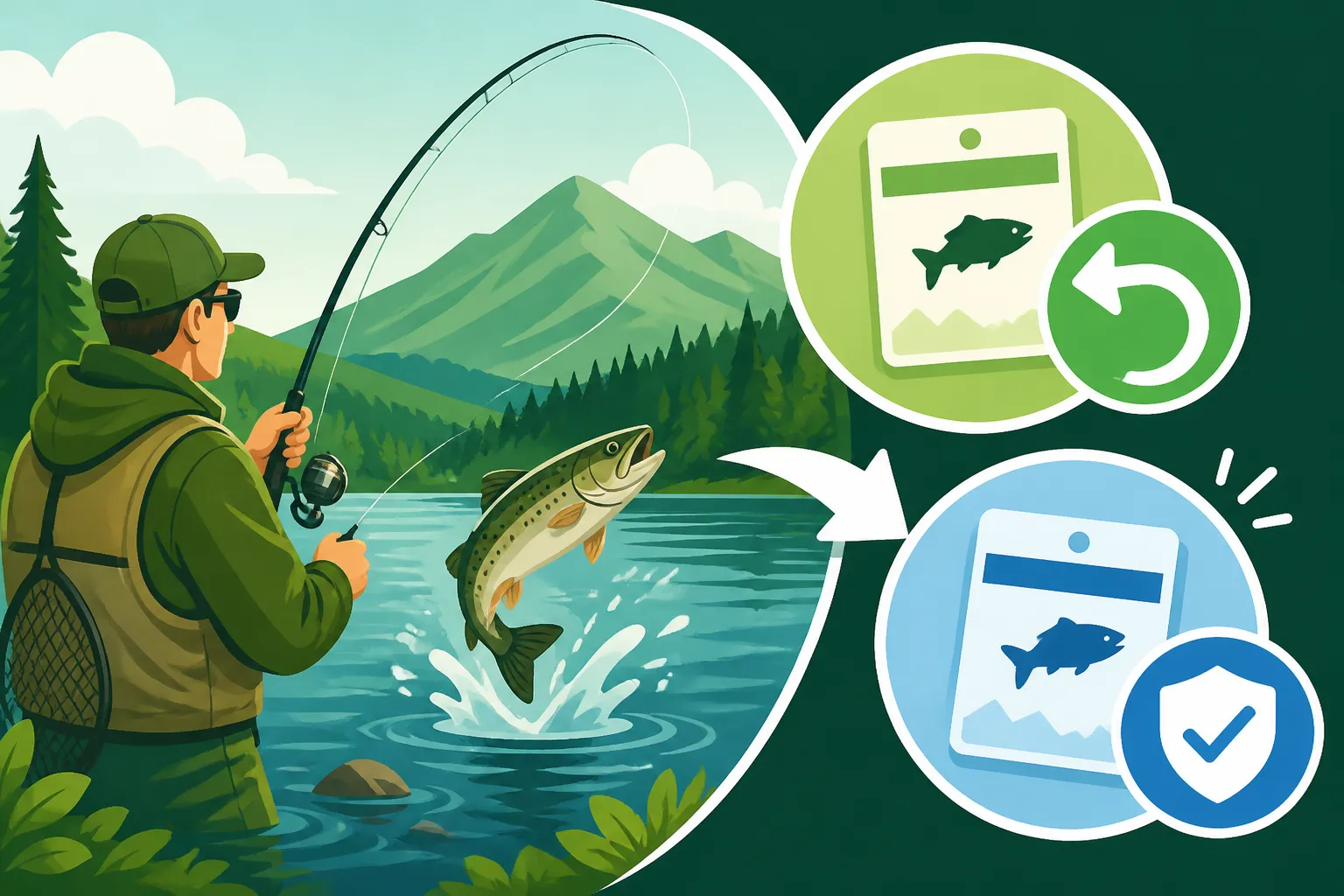
For most anglers, the easiest and most cost-effective way to replace a lost or damaged license is by simply reprinting it yourself. When you purchase your license, especially if you opted to How to Buy a Fishing License Online in Vermont, a digital record is created and linked to your customer profile. This is fantastic because it means your license isn't truly "gone" just because the paper copy vanished. You can usually log back into the Vermont Fish & Wildlife Department's online licensing system using your customer ID and date of birth, navigate to your purchases, and print out a fresh copy. This service is typically free of charge and provides an identical, valid license. It’s a great idea to make multiple copies once you've purchased your license – one for your tackle box, one for your vehicle, and maybe even a laminated one for your wallet.
Getting a New Physical Card and Potential Fees
While the online reprint option covers most situations, some anglers prefer a more durable, perhaps credit-card-style physical license. The Vermont Fish & Wildlife Department does offer the option to receive a physical replacement card, often for a small administrative fee. This might be necessary if you don't have access to a printer, or if you simply prefer the durability of a plastic card. The exact fee can vary, so it's best to check the official Vermont Fish & Wildlife Department website or contact their customer service line for the most up-to-date pricing. This process often involves filling out a request form, either online or by mail, and submitting the associated fee. Remember, the online reprint is instant, whereas requesting a physical card will involve mailing time, so plan accordingly if you need it for an upcoming trip.
Special Cases: Stolen Licenses and Reporting
In the unfortunate event that your fishing license, along with your wallet or other important documents, is stolen, the process is slightly different than a simple loss. While the replacement steps remain largely the same (using the online reprint or requesting a new physical card), it's advisable to report the theft to local law enforcement. While the fishing license itself might not be a high-value item, reporting its theft, especially in conjunction with other stolen identification, can help protect you from potential identity fraud. Make sure to keep a copy of any police report, as this documentation could be helpful if there are any discrepancies or questions regarding your license status down the line.
Understanding Your License Type and How Changes Affect It
Life happens, and sometimes your original fishing plans or circumstances change after you've bought your license. It's crucial to understand how different license types work and what flexibility, or lack thereof, exists when your situation shifts. For instance, understanding the difference between a Resident vs Nonresident Fishing License Costs in Vermont, or the implications of a specific short-term permit, is key.
From Annual to Short-Term: Is a Change Possible?
Let's say you bought an annual resident fishing license, but now realize you'll only be in Vermont for a brief vacation. Or perhaps you bought a Vermont 3-Day and 7-Day Nonresident Fishing Permits, but your trip got extended. Can you change your license type? Generally, no. As discussed, the "all sales are final" policy means that once a license type is purchased, it cannot typically be converted or exchanged for another type, nor will you receive a partial refund for unused portions or a lower-cost option. This underscores the importance of carefully considering your needs when you initially purchase your How Much Does a Vermont Fishing License Cost. If you're unsure, it might be safer to start with a shorter-term license if your plans are flexible, and then upgrade to an annual one if you find yourself fishing more often. However, you cannot downgrade and expect a refund.
Residency Shifts: What Happens When You Move?
Moving is a big life event, and it can certainly impact your fishing license status. If you were a Vermont resident, purchased a resident license, and then moved out of state, your resident license remains valid for the term it was purchased, but you would not be eligible for resident pricing for future purchases. Conversely, if you move to Vermont and establish residency after purchasing a nonresident license, you generally cannot get a partial refund for your nonresident license and then purchase a resident one. You would typically fish out the remainder of your nonresident license's validity, and then purchase a resident license when it expires. The rules for establishing Vermont fishing license residency requirements, which usually involve a certain period of continuous physical presence and intent to reside, are strictly enforced, so be sure you meet all criteria before claiming resident status.
Youth and Senior Licenses: Specific Considerations
Special licenses, like the Vermont youth fishing license rules by age, or licenses for disabled residents, often come with specific criteria and pricing. For youth licenses, if a child's age changes during the license year, they might transition from needing no license to needing a youth license. Similarly, if someone becomes eligible for a Vermont Senior Fishing License Discount, they would purchase that specific license type when their current one expires. These transitions are generally handled by purchasing the appropriate new license type, not by altering or refunding an existing one. It's crucial to understand the age cutoffs and eligibility requirements at the time of purchase to ensure you have the correct and valid license for yourself or any young anglers in your family.
Digital vs. Physical: Ensuring You're Always Compliant on the Water
In an increasingly digital world, the question of how to carry your fishing license is more relevant than ever. Thankfully, Vermont has embraced technology, offering anglers flexibility, but it's important to understand the nuances of what's acceptable.
The Convenience and Legality of Digital Licenses
The Vermont Fish & Wildlife Department permits anglers to carry a digital version of their fishing license on their smartphone or other mobile device. This is a huge convenience! No more worrying about losing a paper copy that gets wet, torn, or simply forgotten at home. You can simply save a PDF of your license to your phone, or access it directly through your online licensing account if you have service. Many anglers use cloud storage services or email the PDF to themselves for easy retrieval. The key is that the license must be readily accessible and viewable by a game warden upon request. Just make sure your phone is charged!
When a Physical Copy Still Makes Sense
While digital licenses are convenient, a physical copy still holds its own. For starters, what happens if your phone battery dies, or you drop it in the lake? Having a laminated physical copy tucked away in your tackle box or a glove compartment can be a lifesaver. Some remote fishing locations might also lack cell service, making it impossible to access a digital copy if you haven't downloaded it beforehand. Furthermore, for those who prefer not to bring expensive electronics on the water, a good old-fashioned paper or laminated card is the perfect solution. It really comes down to personal preference and how prepared you want to be for any eventuality. Many seasoned anglers carry both, ensuring they're covered no matter what the day brings.
Best Practices for Carrying Your License
Whether you choose digital, physical, or both, the goal is always to have your valid license on your person and readily available while fishing. Here's a quick comparison of methods:
| Method | Pros | Cons | Cost (Replacement) |
|---|---|---|---|
| Printed at Home | Free, instant, can make multiple copies | Prone to water damage, tearing; needs printer access | Free (online) |
| Digital on Phone | Convenient, always with you (if you have your phone) | Dependent on battery life and cell service; risk of phone damage | Free (online) |
| Physical Card (Mail) | Durable, credit-card style, waterproof | Small fee, takes time to arrive, still can be lost | Small fee |
| Laminated Copy | More durable than paper, inexpensive to do yourself, waterproof | Requires laminator or service, can still be lost | Cost of lamination |
For those utilizing a digital copy, always ensure you've actually downloaded the PDF to your device, rather than relying solely on website access. Services like Amazon sell waterproof phone cases that can give you added peace of mind if you're carrying your license digitally. No matter your choice, ensure it's protected from the elements and easily produced for a game warden. Take a look at Printing or Carrying a Digital Fishing License in Vermont for more detailed information.
Troubleshooting Common License Purchase and Access Issues
Even with the best intentions, hiccups can occur during the license purchase or retrieval process. It's important to know who to contact and what steps to take if you encounter a problem.
What to Do If Your Online Purchase Has Issues
Online purchasing is incredibly convenient, but sometimes things go wrong. Perhaps your credit card was charged but you didn't receive a confirmation email, or the license didn't appear in your online account. The first step is to check your email spam folder, as confirmations sometimes end up there. Next, double-check your bank or credit card statement to confirm the charge went through. If you have a transaction ID, that's crucial. Then, log back into the Vermont Fish & Wildlife Department's licensing system. Sometimes, a successful purchase just needs a moment to update on your profile. If the issue persists, do not try to purchase another license immediately – you could end up with a duplicate charge. Instead, gather all your documentation and move to contacting customer support.
Resolving Errors with Vendor-Issued Licenses
While most licenses are bought online or directly from the Vermont Fish & Wildlife Department, some local vendors, like sporting goods stores, also sell them. If you purchased a license from a vendor and discover an error (e.g., incorrect dates, wrong species, or misspelled name), your first point of contact should generally be that vendor. They might be able to correct the mistake directly, or at least provide you with documentation of the error. If the vendor is unable to resolve the issue, or if they claim they can't help, then you'll need to escalate the issue to the Vermont Fish & Wildlife Department, providing details of your purchase, the vendor's information, and the nature of the error. Again, swift action is best to avoid any complications before you head out to fish.
Direct Support from the Vermont Fish & Wildlife Department
When all else fails, or if the issue is complex, direct communication with the Vermont Fish & Wildlife Department is your best bet. They have dedicated staff to assist with licensing issues. You can usually find their contact information, including phone numbers and email addresses, on their official website. When you call or email, be prepared with:
- Your full name and contact information
- Your customer ID (if you have one)
- Date of birth
- Details of the license purchased (type, date of purchase, cost)
- A clear and concise explanation of the problem
- Any relevant transaction IDs or error messages.
Being patient and organized will greatly assist them in resolving your issue. They are there to help ensure you're compliant and ready to enjoy Vermont's beautiful waters. For specific contact details, you might want to look up the Vermont Fish and Wildlife license customer service phone number.
Proactive Steps to Safeguard Your Vermont Fishing License
An ounce of prevention is worth a pound of cure, especially when it comes to keeping your fishing license safe and accessible. Taking a few simple steps can save you a lot of headache and ensure your fishing trips go smoothly.
Making Copies and Digital Backups
As we've discussed, printing multiple copies of your license is a fantastic, free way to have backups. Keep one in your wallet, one in your tackle box, and one in your vehicle. For digital backups, once you download the PDF of your license, consider saving it to a cloud storage service (like Google Drive or Dropbox), emailing it to yourself, or saving it directly to your phone's files in a dedicated "fishing" folder. That way, even if your phone itself has an issue, you can often access the file from another device. If you're a fan of physical organization, consider a small, waterproof document holder—you can find many options on Amazon—to keep your important fishing papers, like licenses and boat registrations, together and protected.
Protecting Your License from Wear and Tear
Paper licenses are notoriously fragile. A simple lamination can significantly extend the life of your printed license, protecting it from moisture, tears, and general wear and tear. You can often find affordable laminating pouches and small laminators online or at office supply stores. If you don't want to laminate, at least store your paper license in a clear plastic sleeve or a dedicated wallet slot. Avoid folding it repeatedly or stuffing it loosely into a pocket where it can be easily damaged. For digital licenses, a robust, waterproof, and shockproof phone case is your best defense against the elements and accidental drops.
Planning Ahead for Your Fishing Season
The simplest way to avoid license-related stress is to plan ahead. Don't wait until the morning of your first fishing trip to purchase or check your license. Take a moment to understand Vermont Fishing Season Dates and Closures, or consider getting a Vermont Combination Hunting and Fishing License Options if you enjoy both activities. Purchase your annual license well in advance of the season opener. Review the Vermont Fishing Regulations Explained annually, as rules can sometimes change. If you're a nonresident planning a trip, research the Nonresident Annual Fishing License Cost in Vermont and buy it before you travel. By taking these proactive steps, you can focus on the joy of fishing, knowing you're fully prepared and compliant.
Disclaimer
The information provided in this guide is for general informational purposes only and is subject to change. While we strive to provide accurate and up-to-date information, fishing regulations, license policies, and fees in Vermont can be updated by the Vermont Fish & Wildlife Department. Always consult the official Vermont Fish & Wildlife Department website or contact them directly for the most current and authoritative information before making any decisions related to your fishing license.