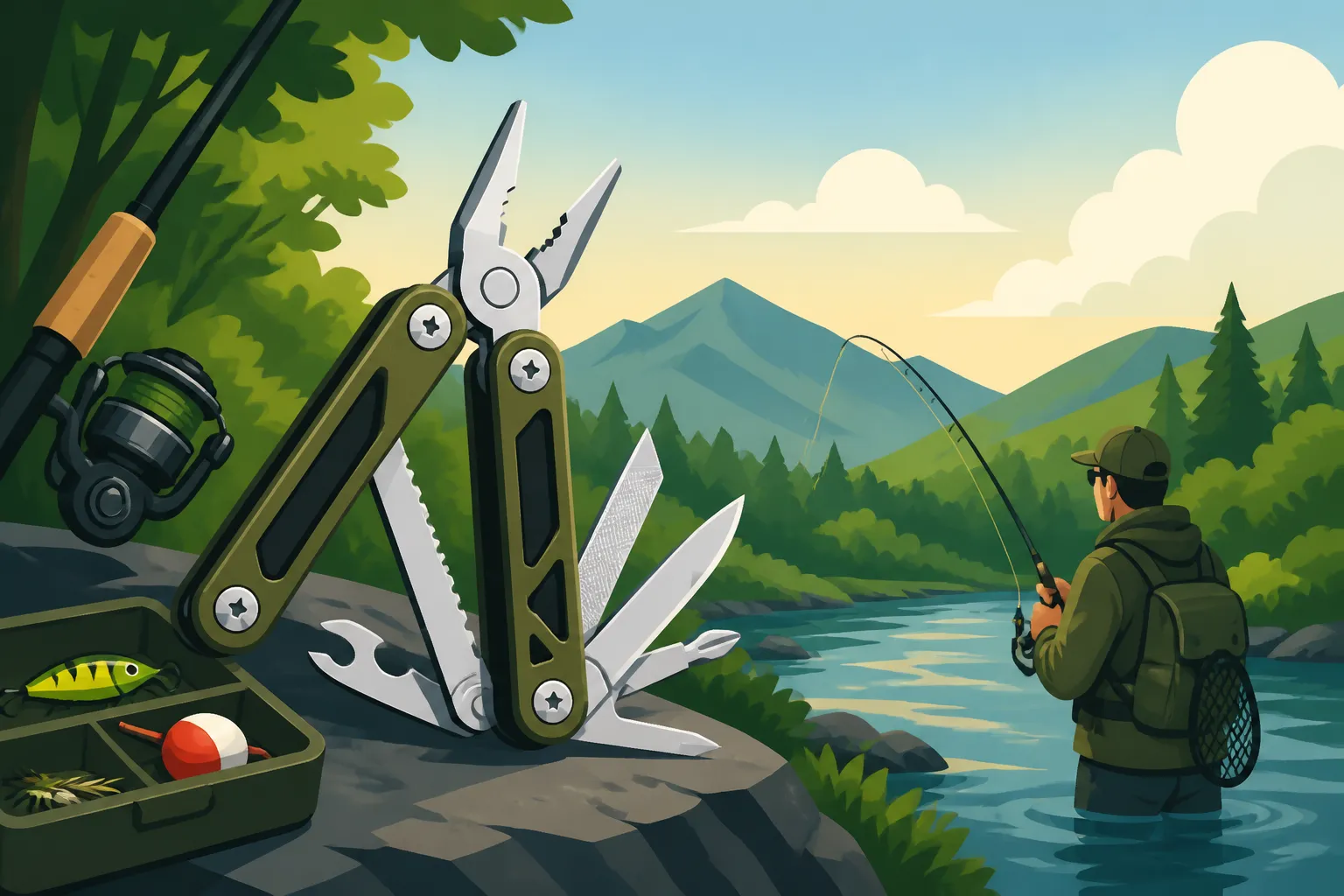
Best multi-tool for fishing trips
There's nothing quite as frustrating as being out on a beautiful Vermont lake or stream, maybe targeting some feisty smallmouth bass or elusive trout, only to realize you need a specific tool that's either at home, at the bottom of the boat, or inexplicably vanished from your vest. Your hands are wet and cold, a hook is deep, or a knot just won't cinch, and you're fumbling. This guide is all about finding that one indispensable piece of gear—the humble but mighty multi-tool—that can save your fishing trip from these common headaches, keeping you prepared for anything Vermont's waters throw your way.
Why a Multi-Tool is Indispensable for Vermont Anglers
When you're out fishing in Vermont, whether it's navigating the vastness of Lake Champlain or wading a smaller, intimate tributary, conditions can change, and unexpected tasks always seem to pop up. A good fishing multi-tool isn't just a nice-to-have; it's a game-changer that streamlines your gear and prepares you for almost anything.
Beyond Just Pliers: The Versatility Factor
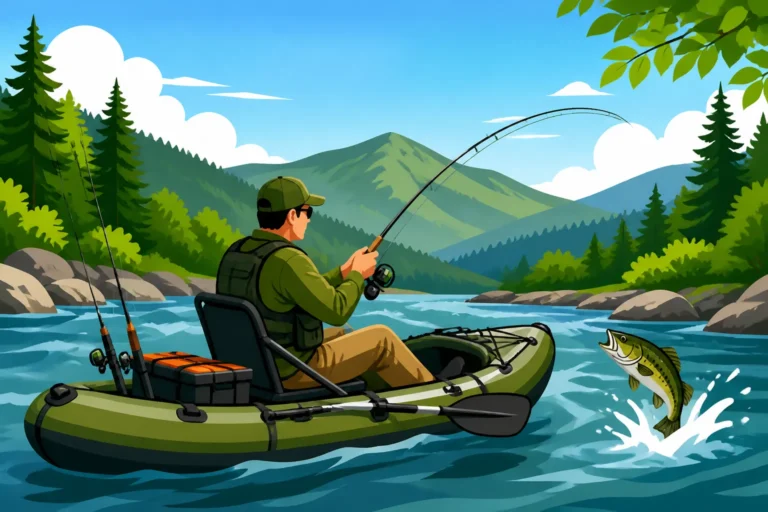
Think about all the little things that come up on a fishing trip. You might need to cut a stubborn piece of braided line that your teeth just can't handle, or maybe you're trying to carefully extract a hook from a fish's mouth without causing harm, especially when practicing catch and release. A high-quality multi-tool with needle-nose pliers and sharp cutters covers these bases effortlessly. But it doesn't stop there. What if a screw on your reel starts to loosen up mid-fight, or you need to trim a piece of leader material precisely? Many multi-tools come equipped with various screwdriver bits, files, and even small saws, making quick repairs or adjustments a breeze. This kind of versatility means you're not carrying a bulky collection of single-purpose tools that inevitably get lost or forgotten. Instead, one compact item handles a multitude of scenarios, ensuring you spend more time fishing and less time fumbling. Imagine you're trying to re-rig quickly in a kayak on Best Fishing Lakes in Vermont – every second, and every bit of space, counts.
Space Saving and Convenience on the Water
One of the biggest advantages of a fishing multi-tool is its incredible ability to consolidate your gear. Instead of a bulging tackle bag or a vest with pockets stuffed with separate pliers, cutters, screwdrivers, and knives, you have one streamlined unit. This is especially critical for anglers who often wade into streams, fish from kayaks, or spend time exploring Best Shore Fishing Spots in Vermont where space and weight are at a premium. When you’re focused on casting and retrieving, the last thing you want is to be digging through a cluttered Best Tackle Box Setup for Vermont Anglers or fumbling with several different items to achieve a simple task. A multi-tool easily clips to your belt, stows in a small pouch, or fits snugly in a designated pocket, always within arm's reach. This convenience means less time searching and more time with your line in the water, which, let's be honest, is why we're out there in the first place. For instance, during the Vermont Trout Opening Day Traditions, when everyone's scrambling to get that first fish, having your essential tools instantly accessible can make all the difference.
Handling Unexpected Situations with Confidence
Fishing, particularly in the wild landscapes of Vermont, often throws curveballs. Beyond the routine tasks of rigging and unhooking, there are always those unexpected moments. A multi-tool can be a lifesaver for small emergencies. Ever get a stubborn splinter from an old dock or a piece of driftwood? The fine tip of needle-nose pliers can be perfect for removal. What about needing to snip off a piece of rope or cord, or even quickly open a stubborn package of bait or a snack when your hands are wet and slippery? The knife blade comes in handy. Maybe you need to adjust a component on your boat or gear that suddenly seems loose. The array of screwdriver heads usually found on a multi-tool can often provide just the right fit. It's about having that peace of mind, knowing that whatever minor hiccup arises, you likely have the means to deal with it efficiently, without having to cut your outing short.
Key Features to Look For in a Fishing Multi-Tool
Not all multi-tools are created equal, especially when it comes to the specific demands of fishing. Knowing what features are truly essential will help you pick one that will serve you well on Vermont's waters.
Pliers and Cutters: The Core Functionality
At the heart of any good fishing multi-tool are its pliers and cutters. The pliers should ideally be needle-nose, allowing for precise work like removing hooks from a fish's mouth, crimping split shot onto your line, or bending a hook barb down for catch and release. Look for a strong spring action in the pliers, which makes them easier to operate one-handed, a huge plus when you're juggling a rod and a fish.
The cutters are equally critical. They need to be sharp and durable enough to handle various line types – monofilament, fluorocarbon, and especially braided line, which can be notoriously tough to cut cleanly. Some multi-tools feature replaceable cutter blades, which is a fantastic long-term value, as these are often the first part to dull. Ensure the cutters are positioned in a way that allows for easy access and clean cuts without fraying your line, whether you're rigging up for How to Catch Smallmouth Bass in Vermont Lakes or patiently jigging for perch through the ice.
Knife Blades: Sharpness and Utility
A sharp knife is a fisherman's best friend, and a good multi-tool will include one or more quality blades. You'll want at least one straight-edge blade for general utility tasks like cutting bait, opening packages, or performing light cleaning work on smaller panfish if you decide to keep a few for dinner. Some multi-tools also offer a serrated blade, which excels at cutting through tougher materials like rope or thick plastic. The steel quality is important here; look for stainless steel, which offers good corrosion resistance – a must for tools exposed to water and fish slime. Ease of opening and closing the blade is also a factor; some multi-tools allow for one-handed deployment, which is incredibly convenient when your other hand is busy.
Specialty Fishing Tools: Beyond the Basics
This is where multi-tools really start to differentiate themselves for anglers. Beyond the universal pliers and knives, certain specialized features can elevate a multi-tool from good to great for fishing.
- Hook Sharpener: A small, integrated hook sharpener can be invaluable. Even the best hooks dull over time, and a quick touch-up can dramatically improve your hook-up ratio.
- Descaler/Ruler: For those times you're keeping your catch, a small descaler blade can be surprisingly effective. Many also incorporate a ruler printed directly on the handle or a tool, handy for checking Vermont Bass Minimum Length Limits or other regulations quickly.
- Screwdriver Bits: We already touched on reel repairs, but screwdriver bits can also be useful for adjusting boat accessories, securing a loose mount for a fish finder, or even tightening the screws on your sunglasses. Having Phillips and flathead options, and sometimes even specialized bits, is a huge plus.
- Bottle Opener: Let's be real, after a long day of casting on Lake Champlain Fishing Guide, a refreshing beverage is often in order. An integrated bottle opener might seem trivial, but it’s a welcome addition when you need it.
These thoughtful additions make a multi-tool truly tailored for the fishing experience, ensuring you have the right tool for those specific angling challenges.
Durability and Corrosion Resistance
Vermont's fishing conditions can be tough on gear, from the dampness of a rainy spring day to the harsh cold of Ice Fishing in Vermont. Therefore, the durability and corrosion resistance of your multi-tool are paramount.
- Materials: Look for tools made from high-grade stainless steel. While no steel is entirely rust-proof, good quality stainless steel, sometimes treated with specific coatings, will resist corrosion far better than cheaper alternatives.
- Construction: The way the tool is put together matters. Riveted construction, solid handles, and robust pivot points will ensure the tool stands up to repeated use and pressure. Avoid anything that feels flimsy or has excessive play in the moving parts right out of the box.
- Coatings: Some multi-tools come with specialized coatings, such as black oxide or cerakote, which can provide an extra layer of protection against the elements and reduce glare. While not strictly necessary, they can contribute to the tool's longevity.
Investing in a multi-tool that’s built to last will save you money and frustration in the long run, ensuring it remains a reliable companion season after season.
Choosing the Right Size and Carry Method
The best multi-tool is one you’ll actually carry and use. This means finding the right balance between size, functionality, and how you plan to keep it accessible while fishing.
Compact vs. Full-Sized: Matching Your Trip
Multi-tools come in a wide range of sizes, from tiny keychain models to substantial, full-sized tools designed for heavy-duty work. For fishing, you'll want something in the middle to upper range, depending on your primary angling style.
- Compact Tools: These are great for minimalistic setups, like when you're fly fishing a small trout stream with just a vest and a small pack. They'll typically have essential pliers, a knife, and maybe a screwdriver. They are lightweight and won't drag down your waders or fishing shirt. Perfect for quick tasks and less demanding environments, or if you're just looking for something to supplement your existing Best Gear for Vermont Trout Fishing.
- Full-Sized Tools: If you're fishing from a boat on a larger water body like Lake Memphremagog Fishing Guide, doing a lot of bank fishing where you might need to process fish, or if you simply prefer having a wider array of tools at your disposal, a full-sized multi-tool might be better. These often include more robust pliers, longer knife blades, more bit options, and additional specialty tools. They're heavier and bulkier but offer maximum utility. Consider what you typically need on your specific fishing adventures across Best Fishing Rivers in Vermont.
Sheaths, Clips, and Lanyards: Keeping it Accessible
Having the right tool is useless if you can't get to it when you need it most.
- Sheaths: Many multi-tools come with a sturdy nylon or leather sheath that can be worn on your belt. This keeps the tool secure and protected from the elements while offering easy access. Look for a sheath that has a strong closure (Velcro, snap, or buckle) to prevent accidental loss. Some sheaths even have extra pockets for small items like a ferro rod or spare bits.
- Pocket Clips: Some smaller or mid-sized multi-tools feature a built-in pocket clip, allowing you to secure it directly to your pants pocket, waders, or vest. This is incredibly convenient for quick draws.
- Lanyards and Retractors: For kayak fishing on Best Kayaks for Vermont Fishing or wading in fast currents, a lanyard or retractable tool tether is a non-negotiable accessory. This prevents your valuable multi-tool from sinking to the bottom of the lake or getting swept downstream if it slips from your grasp. Many multi-tools have a lanyard hole built into the handle for this very purpose. When shopping, always consider how you’ll carry your tool to ensure it’s both secure and readily available.
Brand Considerations and Value
When it comes to multi-tools, there are several reputable brands that have built their reputation on quality and innovation. While I can't recommend a single "best" one, companies like Leatherman and Gerber are widely recognized and produce excellent fishing-specific models. SOG and Victorinox also offer solid options that many anglers swear by.
When you’re looking, it’s a good idea to check out larger outdoor retailers. Places like Bass Pro Shops often have a wide selection of multi-tools, allowing you to get a feel for them in person before you buy. Alternatively, for sheer variety and competitive pricing, Amazon is a popular choice where you can read countless customer reviews to gauge real-world performance. Ultimately, the best value isn't necessarily the cheapest option, but the one that offers the features you need, built with the durability to withstand the rigors of Vermont fishing.
Maintaining Your Fishing Multi-Tool for Longevity
A multi-tool is an investment in your fishing efficiency and enjoyment. Like any good piece of gear, it needs a little care to ensure it performs flawlessly for years to come. Neglecting it, especially after exposure to water, can quickly lead to rust and stiff mechanisms.
Post-Trip Cleaning and Drying
This is perhaps the most critical step, especially after fishing in brackish or even fresh water.
- Rinse Thoroughly: As soon as you get off the water, give your multi-tool a good rinse under fresh, clean tap water. This washes away any salt, dirt, fish slime, or debris that could cause corrosion or gum up the moving parts. Pay special attention to the pivot points and any serrated edges where gunk can hide.
- Scrub if Needed: For stubborn grime, a small brush (like an old toothbrush) can be used to gently scrub away residue. Avoid harsh abrasive cleaners that could damage coatings or finishes.
- Dry Completely: This step is paramount. After rinsing, dry the tool thoroughly with a clean cloth. Then, allow it to air dry completely in an open position (with all tools extended) to ensure no moisture is trapped in crevices. You can even use compressed air if you have it, especially in the joints, to push out any lingering water. Never put it away wet, as this is a guaranteed path to rust, especially in the damp Vermont climate.
Lubrication and Sharpening
Just like your fishing reels, the moving parts of your multi-tool benefit from occasional lubrication.
- Lubricate Pivots: A small drop of light oil (like mineral oil or a good quality gun oil, or even a specialized reel oil) on each pivot point will keep the tools opening and closing smoothly. Work the tools open and shut a few times to distribute the lubricant. This is particularly important if you find the tools becoming stiff or gritty.
- Sharpen Blades: Even high-quality knife blades will eventually dull with use. Keep a small sharpening stone or ceramic rod in your tackle box or at home to periodically touch up the edge. A sharp knife is a safe knife, as it requires less force to cut, reducing the chance of slips. For specialized cutters, if they are replaceable, make sure to change them out when they become dull or nicked, as clean cuts are essential for maintaining line integrity.
Storage Best Practices
How you store your multi-tool between trips also impacts its lifespan.
- Dry Environment: Always store your multi-tool in a dry environment. A tackle box, a drawer, or a tool chest are all good options, as long as they are not prone to humidity. Avoid leaving it exposed to the elements in your boat or vehicle where condensation can occur.
- Sheath Protection: If your multi-tool came with a sheath, use it. The sheath protects the tool from bumps, scratches, and direct contact with other metal objects that could cause damage or accelerate corrosion.
- Regular Checks: Periodically inspect your multi-tool for any signs of rust, damage, or wear. Addressing small issues early, like a developing rust spot or a loose screw, can prevent bigger problems down the line and ensure your tool is always ready for your next adventure chasing How to Catch Landlocked Salmon in Vermont or any other species.
By taking these simple maintenance steps, your fishing multi-tool will remain a trusted companion for countless trips, proving its worth time and time again.
Fishing Multi-Tool Feature Comparison
Here's a quick look at common features and why they matter for anglers:
| Feature | Key Function for Anglers | Benefit |
|---|---|---|
| Needle-Nose Pliers | Hook removal, split shot crimping, knot tightening, lure tuning | Precision, safe hook removal, versatile handling |
| Wire/Line Cutters | Cutting mono, fluoro, braided line | Clean cuts, prevents line fray, works on tough braids |
| Straight-Edge Knife | Cutting bait, opening packages, general utility | Versatile cutting, essential for various tasks |
| Serrated Knife | Cutting rope, tougher materials | Efficiently slices through stubborn cords or plastic |
| Screwdriver (multi-bit) | Reel repair, adjusting boat accessories, tackle box fixes | On-the-spot adjustments, critical for gear maintenance |
| File (with hook groove) | Hook sharpening, smoothing burrs, nail care | Keeps hooks razor-sharp, extends hook life |
| Ruler (integrated) | Measuring fish length, checking regulations | Quick verification of catch and release limits |
| Bottle/Can Opener | Refreshments, opening stubborn containers | Convenience for food/drink, general utility |
| Spring-Assisted Pliers | Easier one-handed operation | Reduces hand fatigue, enhances usability in awkward situations |
| Lanyard Hole/Clip | Secure attachment to vest, belt, or kayak | Prevents loss in water, keeps tool accessible |
| Corrosion-Resistant Steel | Prevents rust and degradation | Durability, longevity in wet environments |
This article is for general informational purposes only and does not constitute professional advice. Laws, prices and regulations vary by location and change over time. Consult a qualified professional for guidance on your specific situation.