Best used boat to buy for lake fishing
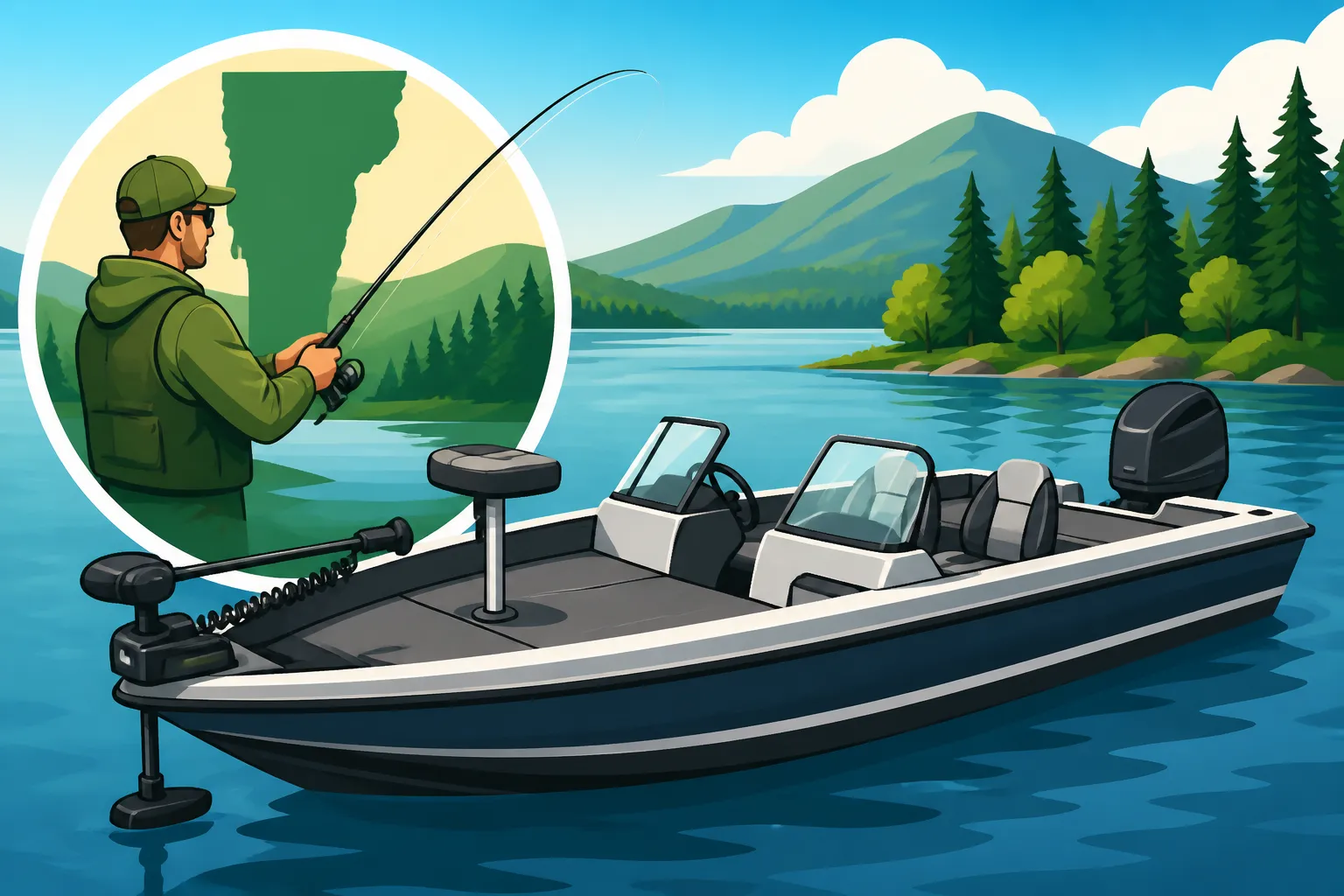
Finding that perfect used boat for lake fishing here in Vermont can feel like searching for a needle in a haystack, especially when you're trying to balance your budget with your angling dreams. You want something reliable, something that handles our unique waters from the small, quiet ponds to the vast expanse of Lake Champlain, but without breaking the bank or becoming a never-ending project. This guide is all about helping you navigate the waters of used boat shopping, so you can land a great deal on a vessel that's just right for your Vermont fishing adventures.
Why a Used Boat for Vermont Lake Fishing Makes Sense
Let's be honest, stepping into a dealership and eyeing a brand-new fishing rig is exciting, but for many of us, it’s not always the most practical choice. There's a lot to be said for going the used route, especially when you're looking to fish the diverse lakes and ponds across Vermont. It's a smart decision for both your wallet and your fishing journey.
Cost Savings and Value Retention
The biggest, most obvious benefit of buying used is the significant cost savings. Boats, much like cars, depreciate quite a bit in their first few years. When you buy a used boat, someone else has already taken that initial depreciation hit. This means you can often get a much higher-quality boat, or a boat with more features, for the same price you'd pay for a stripped-down new model. Think about it: a well-maintained five-year-old boat might still have decades of life left in it, but at a fraction of its original price. You're getting more boat for your buck, which leaves more money for gas, tackle, and perhaps even a weekend getaway to one of Vermont's stunning fishing destinations.
Furthermore, a used boat tends to hold its value better over time compared to a new one. The steep drop-off has already occurred, so if you decide to upgrade in a few years, you're likely to recoup a larger percentage of your initial investment. This makes used boats a more financially savvy choice for many anglers, allowing you to invest in a fishing platform without the worry of massive value loss.
Customization Potential
When you buy a used boat, you're often getting a blank canvas, or at least a partially painted one, that you can truly make your own. A new boat usually comes with a set package, and adding custom features can be expensive and sometimes tricky. With a used boat, you have the freedom to install the electronics you prefer, such as a state-of-the-art fish finder, customize the rod holders to your exact specifications, or even tweak the seating arrangement for maximum comfort on those long days chasing Lake Champlain Walleye Fishing.
This DIY aspect can be incredibly rewarding. Perhaps you want to add a new trolling motor for silent approaches to bass beds, or upgrade the lighting for night fishing. You can shop for these components over time, perhaps finding great deals on sites like Amazon or at local Bass Pro Shops sales. The ability to personalize your vessel ensures it perfectly fits your unique fishing style and the specific challenges of Vermont's varied waterways, without the pressure of paying for features you don't need or want from the factory.
Perfect for Vermont's Diverse Waters
Vermont is blessed with an incredible variety of lakes, from the massive, often choppy waters of Lake Champlain and Lake Memphremagog to the tranquil, smaller ponds tucked away in the Green Mountains. A new boat purchase might feel like a commitment to a single type of fishing, but a used boat allows for more flexibility. You can find a boat that's already proven itself on similar waters, or one that's versatile enough to handle both.
Maybe you start with a smaller jon boat for exploring calm rivers and ponds, and then later upgrade it with a more powerful outboard or a bow-mounted trolling motor as your fishing horizons expand. A used boat often comes with a history that can tell you a lot about its suitability. Many Vermont anglers swear by certain older models for their specific fishing needs, whether it's a sturdy aluminum boat for bouncing off rocks in shallow coves or a deeper V-hull for tackling the swells of Lake Champlain. It's about finding a boat that has the right bones to adapt to whatever Vermont throws at you.
Key Factors When Choosing a Used Fishing Boat in Vermont
Before you even start browsing listings, it’s crucial to sit down and think about what you really need and want from a fishing boat. Vermont's diverse aquatic landscape demands a thoughtful approach, and what works perfectly for one angler might be completely impractical for another.
Your Fishing Style and Target Species
This is perhaps the most important consideration. Are you primarily a fly fisherman targeting wild brook trout in remote ponds, or are you a bass angler who loves to work the weed lines on bigger lakes like Bomoseen or Dunmore? Your preferred fishing style directly influences the type of boat that will serve you best.
If you enjoy casting for bass and northern pike in shallower, weedier waters, a boat with a wide, stable casting deck might be high on your list. This could point you towards certain aluminum utility boats or even older bass boat models. If trolling for lake trout or landlocked salmon in deep, open water is your passion, then a boat with a high freeboard, ample storage for multiple rods, and space for downriggers would be more suitable. Consider how much gear you typically bring, whether you prefer standing or sitting while you fish, and if you need livewells for tournaments or just a cooler for your catch. Thinking through these details will quickly narrow down your options and prevent you from buying a boat ill-suited for your angling adventures. You might find some useful insights in our guide to How to Catch Smallmouth Bass in Vermont Lakes or How to Catch Landlocked Salmon in Vermont as you consider your target species.
Types of Vermont Lakes You'll Fish
Vermont's lakes vary wildly in size, depth, and character. Will you mainly be fishing small, calm ponds, or will you venture out onto the large, often windy expanses of Lake Champlain?
- Small Ponds and Calm Rivers: For these serene waters, a lighter, more maneuverable boat is ideal. Jon boats, small utility boats, or even larger fishing kayaks shine here. They're easy to launch, retrieve, and navigate in tight spaces. You won't need a massive engine, and shallow draft is a huge plus.
- Medium-Sized Lakes (e.g., Lake Bomoseen, Lake Dunmore, Waterbury Reservoir): These lakes can get choppy, especially on windy days. You'll want something a bit more substantial than a jon boat – perhaps a deep-V aluminum boat or a small fiberglass runabout. Stability becomes more important, and a slightly more powerful engine will help you cover ground efficiently and safely.
- Large Lakes (e.g., Lake Champlain, Lake Memphremagog): These are serious bodies of water that can throw impressive waves at you. For these, a boat with a deeper V-hull, higher freeboard, and a strong, reliable engine is paramount for safety and comfort. Boats designed for multi-species fishing or even older fiberglass runabouts that can handle rough water are excellent choices here. Don't underestimate the power of these large lakes; safety should always be your top priority. You'll find specific rules for these waters in Vermont Lake Champlain Fishing Rules.
Budget Beyond the Purchase Price
It's tempting to focus solely on the sticker price of the used boat, but that's just the beginning of your financial commitment. Owning a boat involves several ongoing costs that you absolutely need to factor into your overall budget.
- Registration and Titling: Every motorized boat in Vermont needs to be registered. There are fees associated with this, and they typically need to be renewed periodically. Vermont Boat Registration Requirements can give you an idea of what to expect.
- Insurance: While not always legally required for smaller boats, insuring your vessel is a very wise investment. Accidents happen, and coverage for liability, theft, and damage can save you from significant financial headaches down the line.
- Maintenance: Used boats will inevitably need maintenance. This could be routine engine servicing, trailer upkeep (tires, bearings), or repairs to electrical systems. Factor in costs for things like oil changes, new spark plugs, fuel filters, and winterization services.
- Fuel: A larger, more powerful engine means higher fuel consumption. If you plan to spend many hours on the water, those gas bills can add up quickly.
- Storage: Where will you keep your boat when you're not using it? Do you have space in your yard, or will you need to pay for storage at a marina, especially for winter? Winterization itself is an annual expense if you don't do it yourself.
By considering these additional costs upfront, you can ensure that your dream of owning a used fishing boat doesn't turn into a financial nightmare. A "good deal" on a boat might not be so good if you can't afford to maintain or fuel it.
Top Used Boat Types for Vermont Lake Fishing
Vermont's fishing opportunities are vast, and thankfully, so are the options for used fishing boats that can get you to your favorite spots. Each type has its pros and cons, especially when considering our unique environment.
Aluminum Jon Boats and Utility Boats
These are often the entry point for many new boat owners, and for good reason. Jon boats are typically flat-bottomed, simple, and very robust. Utility boats are a slight step up, often with a V-bow that flattens out towards the stern, offering a slightly smoother ride than a pure jon boat. Brands like Lowe, Alumacraft, and Tracker Marine often have plenty of these older models floating around the used market.
Pros:
- Durability and Low Maintenance: Aluminum hulls are incredibly tough, shrugging off bumps and scrapes that would damage fiberglass. They rarely require much more than a good wash-down.
- Shallow Water Access: Their shallow draft means you can get into skinny water where bigger boats dare not tread, perfect for exploring tucked-away coves or navigating small rivers.
- Lightweight and Easy to Transport: Many can be easily launched by hand or from unimproved ramps. They’re also a breeze to trailer, even with smaller vehicles, making them great for moving between different lakes.
- Affordability: Generally, these are among the most budget-friendly used options.
Cons:
- Rough Water Performance: The flat or nearly flat bottom means they can pound quite a bit in choppy conditions, making for an uncomfortable and wet ride on larger lakes like Champlain on a breezy day.
- Limited Storage and Features: They are often very basic, with minimal built-in storage or advanced fishing features, though this can be a blank slate for customization.
- Comfort: Seating is often basic benches, which can get uncomfortable after a full day on the water.
These boats are fantastic for anglers who prioritize simplicity, shallow-water access, and low running costs. They're ideal for exploring Vermont State Park Fishing Guide opportunities or targeting bass in smaller ponds.
Fiberglass Bass Boats (Older Models)
When you think "fishing machine," the classic bass boat often comes to mind. While newer models can be pricey, older fiberglass bass boats can be found at more accessible price points on the used market. Brands like Ranger, Skeeter, and Nitro are common.
Pros:
- Speed and Performance: Designed to get you to your fishing spot quickly, they often have powerful outboards and hulls that cut through moderate chop with ease, allowing you to cover vast areas like Lake Champlain efficiently.
- Excellent Casting Decks: Large, flat bow and stern decks provide ample, stable platforms for multiple anglers to cast simultaneously.
- Integrated Fishing Features: Many come equipped with livewells, rod lockers, tackle storage, and even built-in electronics (though you might want to upgrade older units).
- Smooth Ride: Fiberglass hulls, especially those with deeper V-designs, offer a smoother, drier ride than most aluminum boats in similar conditions.
Cons:
- Cost: Even used, fiberglass bass boats can be more expensive than aluminum utility boats, and their specialized nature means maintenance can be higher.
- Shallow Water Limitations: While some can get into relatively shallow water, their deeper draft compared to jon boats means certain skinny-water spots will be inaccessible.
- Fuel Consumption: Those powerful engines often come with a thirst for fuel, adding to your operating costs.
- Trailering: They tend to be heavier and wider, requiring a more substantial tow vehicle.
Older bass boats are a great choice for dedicated bass and pike anglers who prioritize performance, speed, and specialized fishing features, especially on larger, more open bodies of water. You'll definitely want a sturdy boat if you're venturing out for Lake Champlain Smallmouth Bass Fishing.
Deep-V Aluminum Boats (Walleye/Multi-Species)
These boats combine the durability of aluminum with a hull design that's much better suited for rough water than a flat-bottomed jon boat. Often marketed as "multi-species" boats, they're popular with walleye, trout, and salmon anglers. Lund, Alumacraft, and Crestliner are common manufacturers.
Pros:
- Rough Water Handling: The deeper V-hull handles chop much better than a jon boat, providing a drier and more comfortable ride on big lakes.
- Versatility: Excellent for a wide range of fishing styles, from trolling for lake trout to casting for bass. Many have spacious interiors for multiple anglers and gear.
- Durability: Still boasts the robust, low-maintenance characteristics of aluminum.
- Ample Storage: Often come with built-in livewells, rod lockers, and dry storage, making them very functional.
Cons:
- Heavier and Larger: Not as easy to maneuver or launch as a jon boat, requiring a decent tow vehicle.
- Price: Generally more expensive than basic jon boats on the used market, though often less than fiberglass bass boats.
- Draft: While better than bass boats, they still draw more water than a jon boat, limiting access to very shallow areas.
Deep-V aluminum boats are a fantastic all-around choice for the Vermont angler who wants to fish big lakes and target a variety of species, offering a great balance of performance, durability, and features. They are perfect for chasing Walleye Fishing on Lake Champlain.
Small Fiberglass Runabouts/Bowriders (Adapted for Fishing)
Sometimes, the best used fishing boat isn't a dedicated fishing boat at all! Many older fiberglass runabouts or bowriders, originally designed for family outings and watersports, can be adapted quite effectively for fishing. Think about models from brands like Sea Ray, Glastron, or Bayliner.
Pros:
- Smooth Ride: Fiberglass hulls provide a very comfortable and dry ride, excellent for larger lakes that get choppy.
- Family-Friendly: If you also want to take the family out for cruising or swimming, these boats offer more seating and general comfort.
- Protection from Elements: Often come with windshields and convertible tops, offering shelter from wind, rain, and sun.
- Affordable Used Options: You can sometimes find these in good condition for surprisingly low prices, as their owners often prioritize upgrading to newer models.
Cons:
- Less Dedicated Fishing Features: You'll likely need to add rod holders, possibly a tackle storage system, and definitely a fish finder. Livewells are rare.
- Deck Space: Less open casting space compared to a dedicated fishing boat, which can feel cramped when multiple anglers are casting.
- Higher Maintenance: Fiberglass and larger engines can mean more complex and expensive maintenance if not properly cared for.
- Weight and Trailering: Similar to bass boats, they can be heavy and require a good tow vehicle.
If you're looking for a versatile boat that can double as a family cruiser and a fishing platform for larger waters, an adapted runabout can be a great, cost-effective option.
Pontoon Boats (Fishing Configurations)
While not always the first choice for hardcore anglers, pontoon boats, especially those configured for fishing, offer unmatched stability and space, making them surprisingly good for certain types of lake fishing in Vermont.
Pros:
- Unmatched Stability and Space: Ideal for families, groups of friends, or anglers who bring a lot of gear. The wide, flat deck is incredibly stable, even in moderate chop.
- Comfort: Plush seating, plenty of room to move around, and often shade options make for a very comfortable day on the water.
- Accessibility: Great for those with mobility issues, as the flat deck is easy to move around on.
- Social Fishing: Perfect for a relaxed day of panfishing, bobber fishing, or even trolling at slower speeds.
Cons:
- Speed and Maneuverability: Generally slow and not designed for high-speed runs. They can also be challenging to maneuver in tight spaces or strong winds.
- Wind Sensitivity: Their high profile makes them prone to being pushed around by the wind, which can be a factor on larger, open lakes.
- Limited Shallow Water Access: While their draft isn't extreme, the pontoons themselves can be quite wide, limiting access to very narrow or extremely shallow areas.
- Cost (even used): Can still be a significant investment, especially larger fishing-equipped models.
A used fishing pontoon can be an excellent choice for anglers who prioritize comfort, space, and stability, especially for group outings or those who enjoy more relaxed fishing techniques on medium to large lakes. They are excellent for a leisurely day of Panfish Fishing in Vermont.
What to Look For (And Look Out For!) When Inspecting a Used Boat
This is where the rubber meets the road. A boat might look good in pictures, but a thorough, in-person inspection is absolutely essential. Don't be afraid to get dirty and ask tough questions. Better to walk away from a bad deal than inherit a money pit.
The Hull: A Critical Examination
The hull is the foundation of your boat. Any serious damage here can be incredibly expensive to repair, or worse, make the boat unsafe.
- Aluminum Hulls: Look for deep gouges, punctures, or signs of previous repairs. Patchwork or uneven welding could indicate a past problem. Pay close attention to the rivets if it's a riveted hull; loose or corroded rivets can lead to leaks. Also, check for any signs of electrolysis, which manifests as pitting or white powdery corrosion, often around dissimilar metals or electrical grounds.
- Fiberglass Hulls: Inspect for spider cracks (minor, cosmetic) versus structural cracks (deeper, often running in straight lines). Look for signs of "blistering" (small bubbles in the gelcoat), which can indicate osmotic blistering or "boat pox" – a sign of water ingress into the fiberglass laminate. Check the keel for heavy wear from beaching.
- The Transom: This is the back of the boat where the engine mounts. It's a high-stress area and a common point of failure, especially on older boats. Push down firmly on the engine, rock it side to side, and look for any flex, cracks, or soft spots in the transom wood (if applicable). Check for water stains or rot where the engine mounts meet the transom. A rotten transom means major, expensive repairs.
- The Bilge: Open the bilge area and look for excessive standing water or persistent moisture. While a little might be from rain, significant water could indicate leaks in the hull, through-hull fittings, or a faulty bilge pump. Smell for mildew or fuel, which could signal more serious issues.
The Engine: Heart of Your Boat
The engine is often the most expensive component to replace or repair. You need to be diligent here.
- Visual Inspection: Look for rust, corrosion, cracked hoses, frayed wires, or obvious leaks (oil, fuel, coolant). Check the propeller for dings or missing pieces, which can indicate rough use.
- Lower Unit Oil: Ask the seller to pull the lower unit drain plug and let a small amount of oil drip out. It should be clean and either golden (four-stroke) or light blue/green (two-stroke). Milky or black oil indicates water intrusion or excessive wear – a huge red flag.
- Compression Test: If possible, have a mechanic perform a compression test. This is the single best indicator of an outboard engine's internal health. Low or uneven compression can signal worn piston rings, valves, or head gasket issues.
- Start It Up: If possible, run the engine, even on a hose with "ear muffs" if it's an outboard. Listen for unusual noises (knocking, grinding, excessive smoke). Check the "tell-tale" stream of water from the cooling system; it should be strong and steady.
- Hours: While not always precise on older boats, inquire about engine hours. High hours don't necessarily mean bad, but they mean more wear and tear.
- Service History: Ask for maintenance records. A seller who can provide detailed service history is usually a responsible owner, which bodes well for the boat's condition.
Electrical Systems and Electronics
Modern fishing often relies heavily on electronics. While you might upgrade them, the underlying wiring needs to be sound.
- Wiring: Look for frayed, corroded, or improperly crimped wires. Any exposed wires or sloppy connections are potential fire hazards or sources of electrical failures. Marine wiring should be properly insulated and secured.
- Lights: Test all navigation lights, anchor lights, and interior lights.
- Battery: Check the battery terminals for corrosion. Inquire about the age of the battery. A weak battery can cause all sorts of phantom electrical issues.
- Fish Finders/GPS: Test any existing electronics. While you might replace an older unit, ensure the power source and transducer mounting are sound. If you plan to add new electronics, consider researching options from brands like Garmin or Humminbird, which you can often find at Bass Pro Shops or online at Amazon.
- Bilge Pump: Activate the bilge pump and ensure it operates correctly. This is a critical safety item.
Trailer Condition
Many used boats come with a trailer, and a neglected trailer can quickly become a headache, especially if you're planning to haul your boat around to different Best Fishing Lakes in Vermont.
- Tires: Check tire tread depth and look for dry rot (cracks in the sidewalls). Don't forget the spare!
- Wheel Bearings: These are notorious for failure. Grab each wheel and try to rock it side to side. Any play or clunking could indicate worn bearings. Look for grease leaking from the hub.
- Lights: Plug in the trailer and test all running lights, brake lights, and turn signals. Corrosion in the wiring harness is common.
- Frame Rust: Inspect the trailer frame thoroughly for significant rust, especially at welds and joints. Surface rust is common; deep, flaky rust is a problem.
- Bunks/Rollers: Ensure the bunks (carpeted wooden supports) are solid and not rotted. If it has rollers, check that they spin freely and aren't seized.
- Hitch Coupler and Safety Chains: Ensure the coupler mechanism works smoothly and the safety chains are intact and not rusted through.
Paperwork and History
Never overlook the administrative side of buying a used boat. This protects you legally.
- Title and Registration: Verify that the seller has a clear title to the boat and trailer (if applicable) and that the Hull Identification Number (HIN) matches the title. Ensure there are no liens against the boat.
- Maintenance Records: As mentioned, good records are a positive sign.
- Bill of Sale: Ensure you get a detailed bill of sale with the HIN, engine serial number, and seller's contact information.
- Vermont Boating Laws: Familiarize yourself with current Vermont regulations before you buy. For instance, you'll want to know about Life Jacket Requirements for Vermont Boaters.
Where to Find Your Next Used Fishing Boat in Vermont
Finding the right used boat often requires a bit of hunting. Luckily, Vermont has a pretty active outdoor community, which means there are several avenues to explore.
Local Dealerships and Consignment
While you're looking for a used boat, don't discount local dealerships, especially those specializing in marine sales. Many take trade-ins or offer consignment services.
Pros:
- Professional Inspection: Boats sold through dealerships are often inspected and sometimes serviced, giving you a greater degree of confidence in the purchase.
- Potential Warranties: Some dealerships offer limited warranties on used boats, which can be invaluable peace of mind.
- Financing Options: Dealerships can often assist with financing, which might not be available for private sales.
- Clear Title and Paperwork: They handle all the paperwork, ensuring a smooth transfer of ownership.
Cons:
- Higher Price: You'll typically pay a premium for the convenience and security of buying from a dealer.
- Limited Selection: Their used inventory might be smaller and more specialized.
Dealerships like A.O. Wilson in Colchester or Newport Marine can be good places to start, offering a range of new and used options.
Online Marketplaces and Classifieds
This is where the bulk of private used boat sales happen, offering the widest selection and often the best prices.
- Facebook Marketplace: This has become a dominant platform for local sales. Search for "fishing boat Vermont," "bass boat Vermont," or specific brands. You can often see the seller's profile, which can offer a tiny bit of insight.
- Craigslist: Still a strong contender for local classifieds. Be wary of scams, but legitimate deals can be found.
- Specialized Boating Forums/Websites: Websites like BoatTrader, Boats.com, or even regional fishing forums can have dedicated classified sections. These often cater to more specific types of boats and serious buyers.
Pros:
- Largest Selection: You'll find the most diverse range of boat types, ages, and prices here.
- Potentially Better Deals: Private sellers are often more willing to negotiate prices than dealerships.
Cons:
- Buyer Beware: You are entirely responsible for inspecting the boat and verifying its condition and paperwork. Scammers do exist, so always arrange to see the boat in person and never send money sight unseen.
- No Guarantees: Once you buy it, it's yours – "as is, where is" is the general rule.
When dealing with online sellers, always prioritize meeting in a public place, take a friend, and never feel pressured to buy.
Marina Bulletin Boards and Word of Mouth
Don't underestimate the power of local connections. Sometimes the best deals aren't advertised widely.
- Local Marinas: Check bulletin boards at marinas around Lake Champlain, Lake Memphremagog, or even smaller lakes. People often post boats for sale directly there.
- Local Bait and Tackle Shops: These are hubs for the local fishing community. Shop owners and regulars often know who's looking to sell, or might have a boat for sale themselves.
- Word of Mouth: Let your fishing buddies, neighbors, and colleagues know you're in the market for a used boat. You'd be surprised how often a friend of a friend has exactly what you're looking for.
Pros:
- Hidden Gems: You might find boats that aren't widely advertised, potentially leading to a unique deal.
- Local Knowledge: Sellers are often local and familiar with Vermont conditions, offering valuable insights.
Cons:
- Limited Reach: This method relies on chance and networking.
- No Formal Process: It's a very informal process, requiring you to be proactive about inspecting and negotiating.
This method is great for finding those unique local boats that might have been meticulously maintained by a fellow Vermont angler.
Used Fishing Boat Comparison for Vermont Waters
Here’s a quick overview of how different used boat types stack up for common Vermont fishing scenarios:
| Boat Type | Ideal Vermont Waters | Primary Fishing Style | Pros | Cons |
|---|---|---|---|---|
| Aluminum Jon/Utility | Small ponds, calm rivers, shallow coves | Panfishing, bass in weeds, river fishing | Durable, shallow draft, lightweight, affordable | Rough ride in chop, basic features, limited comfort |
| Fiberglass Bass Boat | Lake Champlain, large open lakes | Bass tournaments, high-speed travel | Fast, stable casting decks, specialized features, smooth ride | Higher cost, deep draft, fuel hungry, heavier to trailer |
| Deep-V Aluminum (Multi-Species) | Lake Champlain, Memphremagog, medium lakes | Walleye, trout, salmon, general lake fishing | Handles chop well, versatile, durable, good storage | Heavier than jon boats, less shallow access than jon boats |
| Small Fiberglass Runabout | Medium to large lakes | Family cruising/fishing, trolling | Smooth ride, family-friendly, good weather protection | Fewer dedicated fishing features, can be thirsty for fuel |
| Fishing Pontoon Boat | Large to medium calm lakes | Group fishing, leisurely trolling, panfishing | Stable, spacious, comfortable, good for groups | Slow, wind-sensitive, less maneuverable |
Remember, the "best" used boat isn't about the flashiest or the newest, but the one that best fits your specific fishing needs, budget, and the unique challenges and joys of fishing in Vermont. Take your time, do your homework, and don't be afraid to ask for help from experienced anglers. Happy hunting, and tight lines on our beautiful Vermont lakes!
Disclaimer
This article is for general informational purposes only and does not constitute professional advice. Laws, prices and regulations vary by location and change over time. Consult a qualified professional for guidance on your specific situation.