Best inline spinner for stream trout
There’s nothing quite like the feeling of wading into a crisp Vermont trout stream, but sometimes, those wily brookies and browns can be incredibly finicky. You cast, you retrieve, you try different lures, and still, nothing. It's enough to make you wonder if you're doing something wrong or if the fish just aren't biting. Well, often, it's about matching the right presentation to the right conditions, and for many anglers, especially those targeting stream trout, the inline spinner is an absolute game-changer. This guide will walk you through everything you need to know to pick the best inline spinner and how to fish it effectively in Vermont's diverse trout waters.
Why Inline Spinners Are a Go-To for Vermont Stream Trout
Inline spinners have earned their legendary status for a reason, particularly when it comes to tempting trout in flowing water. They offer a unique combination of visual appeal and vibration that few other lures can replicate, often provoking strikes when other offerings are completely ignored. When you're standing in a beautiful, clear mountain stream, trying to outsmart a native brook trout, having a reliable inline spinner in your arsenal can make all the difference.
The Irresistible Flash and Vibration
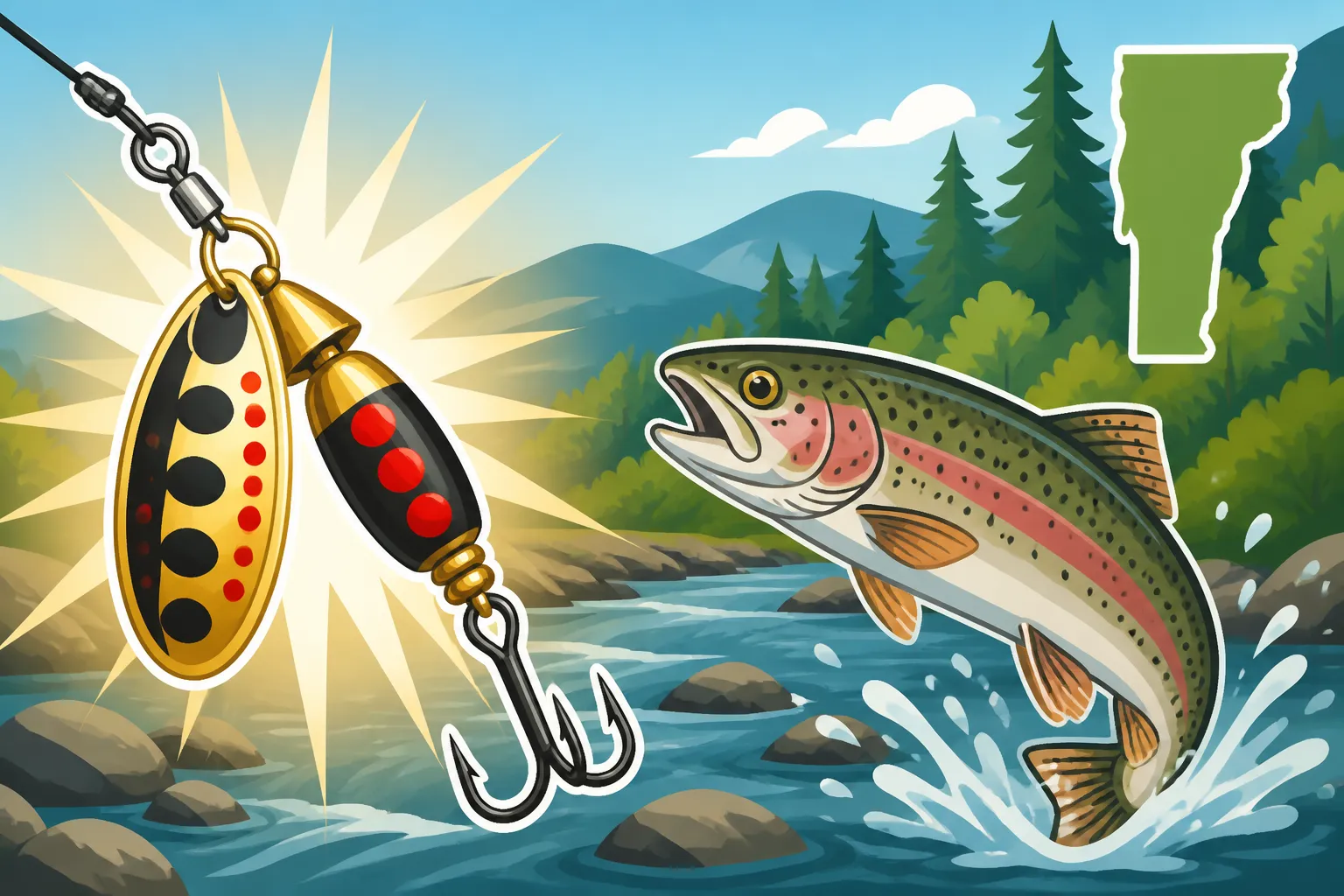
The magic of an inline spinner lies in its simple yet highly effective design: a spinning blade attached to a weighted body, often adorned with a dressed hook. As soon as this lure hits the water and you begin your retrieve, the blade starts to rotate, creating an undeniable flash and a distinct vibration in the water. This combination is incredibly effective at mimicking a variety of trout forage, from darting baitfish to struggling insects.
Consider a small minnow flashing its sides as it tries to escape, or a caddisfly larva tumbling downstream – the spinner's action taps into these natural triggers. Trout, being opportunistic predators, are drawn to this movement and often strike out of instinct, sometimes even aggression, especially in swift currents where reaction time is minimal. This visual and sensory appeal is precisely why an inline spinner can be a lifesaver when trout seem uninterested in anything else you throw at them.
Versatility in Different Stream Conditions
One of the greatest strengths of the inline spinner is its remarkable versatility across a wide range of stream conditions that you encounter across Vermont. Whether you're fishing a roaring spring torrent, a low and clear summer creek, or a wide, slow-moving river, there's usually an inline spinner that can get the job done. The key is knowing how to select the right size, weight, and presentation for the specific scenario.
For example, in fast-moving riffles and rapids, a heavier spinner can cut through the current and stay in the strike zone, whereas a lighter one might simply wash out. In deeper, calmer pools, a slower retrieve with a moderately weighted spinner can allow it to sink and wobble tantalizingly in front of holding fish. Even in stained or slightly murky water, the vibration produced by the spinning blade helps trout locate the lure, compensating for reduced visibility. This adaptability makes them an indispensable tool for any angler exploring Best Fishing Rivers in Vermont or even the smaller, unnamed tributaries.
Key Features to Look for in a Vermont Stream Trout Inline Spinner
Choosing the right inline spinner isn't just about grabbing the first one you see. There are specific characteristics that will make some spinners far more effective than others in the varied waters of Vermont. Understanding these nuances can significantly improve your catch rates and reduce the frustration of throwing lures that just don't perform as expected.
Size and Weight Considerations
When targeting stream trout, especially the wild populations found in many of Vermont's smaller waters, discretion is often the better part of valor. This typically translates to using smaller, more subtle lures. For stream trout, inline spinners in sizes #0, #1, and #2 are generally your best bet. A #0 spinner is tiny, perfect for ultra-clear, low-water conditions or when fish are extremely pressured. A #1 or #2 is a great all-around choice for most small to medium-sized trout streams.
The weight of the spinner is directly tied to its size and determines how well it casts and how deep it runs. Lighter spinners are excellent for shallow runs and delicate presentations, while slightly heavier ones are needed to battle strong currents or reach deeper pockets. Using an ultralight rod and reel setup with light line (2-4 lb test) will maximize your casting distance and control with these smaller lures, making for a much more enjoyable and productive experience. Trying to cast a tiny spinner on heavy gear is a recipe for short, inaccurate casts and frustration.
Blade Shape and Color
The blade is the heart of the inline spinner, responsible for its flash, vibration, and overall action. There are several common blade shapes, each with its own characteristics:
- Colorado Blade: This is a wide, round blade that produces maximum vibration and lift. It spins easily, even at very slow retrieve speeds, making it excellent for slow-moving water or when you want a strong thumping action. The significant flash it creates is also great for attracting attention in lower light or slightly stained water.
- Indiana Blade: A hybrid between the Colorado and Willowleaf, the Indiana blade is an oval shape. It offers a good balance of flash and vibration and is a versatile choice for many conditions, providing a moderate thump without as much lift as a Colorado.
- Willowleaf Blade: Long and slender, the Willowleaf blade produces less vibration but maximum flash. It spins close to the body of the lure, making it ideal for faster currents where you want to minimize resistance, or when you need to cut through the water column quickly. This blade shape often mimics a slender baitfish.
Regarding color, natural tones are usually the most effective for Vermont trout. Silver, gold, and copper blades are classics for a reason, mimicking the natural shimmer of small fish or insect bodies. Silver is often best on bright, sunny days and in clear water, while gold can shine on overcast days or in slightly darker conditions. Copper offers a more subdued, natural appeal. Beyond metallic finishes, painted blades in subtle colors like black, white, or olive can also be deadly, especially when trying to imitate specific insect hatches or when the fish are wary of too much flash.
Dressing and Hook Type
Many inline spinners come with a "dressed" hook, meaning it has material like bucktail, feathers, or synthetic fibers tied to it. This dressing adds to the lure's appeal by giving it more bulk and a lifelike pulsating action in the water, further mimicking a struggling insect or baitfish tail. Some anglers even add a small piece of worm or grub to the hook to enhance scent and visual appeal, especially on picky fish.
When it comes to hooks, most inline spinners come standard with a treble hook. However, for responsible catch and release, especially important for sustaining wild trout populations in Vermont Trout Season and Stocking Rules and other specific areas, many anglers opt to replace the treble with a single, barbless hook. Single hooks often cause less damage to the fish's mouth, making for a quicker and safer release. If you can't find barbless single hooks, simply crimping down the barbs on a treble hook with pliers is a quick and easy way to make it more fish-friendly.
Top Inline Spinner Brands and Models for Vermont Trout Streams
When you walk into a tackle shop or browse online, the sheer number of inline spinners can be overwhelming. Thankfully, a few brands have consistently proven their worth in trout streams, offering reliable performance and tempting designs that Vermont anglers have come to trust.
Classic and Reliable Choices
There are a few names that consistently come up in conversations about effective inline spinners, and for good reason. These brands have stood the test of time and continue to produce lures that catch fish.
- Mepps: Perhaps the most iconic name in inline spinners, Mepps offers a variety of models that are deadly for trout. The Mepps Aglia is a classic French spinner with an oval-shaped blade (similar to an Indiana) that rotates smoothly and easily. The Mepps Comet features dots on its blade for added visual appeal. For stream trout, look for Aglia or Comet in sizes #0, #1, or #2, with silver, gold, or copper blades. Their dressed hooks, often with natural squirrel tail, add to their allure. These are workhorses that every trout angler should have. You can often find a wide selection of Mepps spinners at a local Bass Pro Shops, or check out their extensive offerings on Amazon.
- Panther Martin: Known for its unique convex/concave blade design, Panther Martin spinners create a significant amount of flash and vibration. Their weighted body ensures good casting distance and helps the lure sink quickly. The standard Panther Martin in gold or silver, especially in 1/16 oz to 1/8 oz sizes, is a proven killer for trout. Many anglers swear by the distinctive red and yellow dot pattern on some of their blades, believing it triggers aggressive strikes.
- Rooster Tail: The Worden's Rooster Tail spinner is recognized by its signature hackle tail, which gives it a very lifelike appearance and action in the water. The spinning blade paired with the undulating hackle tail is a combination trout find hard to resist. Black, white, brown, or olive hackle tails with silver or gold blades in 1/16 oz or 1/8 oz are excellent choices for Vermont streams. They are particularly effective when retrieved slowly through deeper pools or along current seams.
Tips for Buying and Stocking Your Tackle Box
When you're ready to build your inline spinner collection, think variety. Trout can be picky, and what works one day might not work the next. It's smart to have a range of sizes, blade colors, and even some different blade shapes. Start with a few #0, #1, and #2 spinners in classic silver and gold, then add some with painted blades or dressed hooks.
Don't be afraid to experiment. While the big box stores like Bass Pro Shops offer a convenient selection, your local Vermont bait and tackle shops can be a treasure trove of regional favorites and expert advice. They often stock specific colors or models that have proven particularly effective in the local waters, based on decades of angler experience. When shopping online, sites like Amazon provide a vast selection, often with customer reviews that can give you insights into what's working for others. Remember, a well-stocked tackle box means you're prepared for whatever mood those Vermont trout are in!
| Blade Type | Shape | Vibration | Flash | Ideal Conditions | Notes |
|---|---|---|---|---|---|
| Colorado | Round | High | High | Slow water, stained water, low light | Spins easily at slow speeds, creates significant thump |
| Indiana | Oval | Medium | Medium | General purpose, moderate current | Good all-rounder, balances vibration and flash |
| Willowleaf | Long/Slender | Low | High | Fast current, clear water, deep presentations | Cuts through water well, less resistance, quick sink rate |
Fishing Techniques for Maximizing Your Spinner Success
Having the best inline spinners is only half the battle; knowing how to present them effectively is just as crucial. Stream trout are acutely aware of their surroundings, and a well-executed cast and retrieve can be the difference between a memorable day and a frustrating one. Whether you're targeting brook trout in a remote mountain stream or brown trout in a larger river like the White River, these techniques will help you maximize your success.
Casting and Retrieval Strategies
The way you cast and retrieve your inline spinner plays a huge role in its effectiveness. Unlike casting to stillwater fish, stream fishing requires an understanding of current and how it affects your lure.
- Upstream Casting: This is a very popular and effective technique. Cast your spinner slightly upstream and across the current, then begin your retrieve as soon as it hits the water. This allows the spinner to drift naturally downstream while the blade spins, mimicking an unalarmed baitfish or insect washing down. The goal is to retrieve just fast enough to keep the blade spinning, but not so fast that it looks unnatural. This approach also allows you to remain downstream of the fish, reducing your chances of spooking them.
- Across-Stream Casting: Casting directly across the current and retrieving can be effective for covering wider sections of the stream or targeting specific features on the opposite bank. Let the current swing the spinner downstream in an arc, maintaining a steady retrieve. This presentation can often trigger strikes as the lure sweeps through different current seams.
- Downstream Casting: While less common, casting downstream can be useful in certain situations, especially for working slow, deep pools or when you need to get the lure under an obstruction. Cast downstream and let the current carry the spinner, slowly reeling in just enough to keep the blade turning. Be mindful that fish often face upstream, so your presentation might need to be more precise to avoid spooking them.
Varying your retrieve speed and action can also be incredibly effective. Sometimes a steady, slow retrieve is all it takes. Other times, a quick twitch of the rod tip, followed by a pause, can make the spinner dart and flash, resembling a wounded prey fish, often triggering a reactionary strike. Experiment with different speeds and actions until you find what the trout are responding to on a given day.
Reading the Water and Targeting Holding Lies
Successful stream trout fishing isn't just about casting randomly; it's about understanding where trout live and feed. Reading the water is a fundamental skill that will drastically improve your success with inline spinners. Trout, especially in streams, are constantly seeking three things: food, cover, and favorable water conditions (like oxygenated water and moderate current).
Key holding lies where you should focus your casts include:
- Riffles and Runs: These faster, shallower sections are where trout often feed actively, picking off insects and small baitfish swept downstream. Cast your spinner into the head of the riffle and let it tumble and flash through the feeding lanes.
- Pools: Deeper, slower-moving sections of the stream. Trout often hold in pools, especially the tail-outs (where the water speeds up before flowing into the next riffle) and the heads (where the current from above slows down). Cast your spinner to the upstream end of a pool and let it sink slightly before retrieving it slowly.
- Undercut Banks and Overhanging Vegetation: These areas provide excellent cover from predators and strong currents. Fish will often sit directly under these banks, waiting for food to drift by. Cast your spinner as close as possible without getting snagged.
- Rocks, Boulders, and Log Jams: Any structure that breaks the current provides a calmer "current seam" where trout can rest without expending too much energy, while still having access to drifting food. Cast your spinner to drift just past these structures, or work it through the eddies created behind them.
- Confluences: Where two streams meet, or a smaller tributary enters a larger river, is often a hotspot. These areas bring together different currents, temperatures, and food sources, concentrating fish. Winooski River Fishing Spots and Lamoille River Fishing Guide can offer prime examples of such areas.
The Importance of Presentation and Stealth
Trout in streams, particularly the wild ones, are incredibly wary. A sloppy cast or a careless approach can send them darting for cover, effectively shutting down a spot for a good while. Stealth is paramount.
- Approach Quietly: Walk softly along the bank, avoiding heavy footsteps or disturbing rocks.
- Stay Low: Keep a low profile. Kneeling or crouching as you approach a promising spot reduces your silhouette and makes you less visible to the fish.
- Avoid Shadows: Be mindful of your shadow. If your shadow falls across the water where you're trying to fish, you're likely to spook any trout in that area. Position yourself so your shadow is behind you or away from the target water.
- Cast Accurately: Pinpoint accuracy is crucial, especially when targeting small pockets or tight lies. Practice your casting to place your spinner exactly where you want it without excessive splash or spooking casts.
- Use Light Line: As mentioned, lighter line (2-4 lb test monofilament or fluorocarbon) is less visible to fish and allows for a more natural presentation of your small spinner. It also aids in casting these lightweight lures further.
By combining the right inline spinner with thoughtful presentation and stealthy tactics, you'll dramatically increase your chances of hooking into some beautiful Vermont stream trout. Remember to check out the Vermont Trout Limit and Possession Rules before you head out to ensure you're fishing responsibly.
Disclaimer
This article is for general informational purposes only and does not constitute professional advice. Laws, prices and regulations vary by location and change over time. Consult a qualified professional for guidance on your specific situation.