Vermont Bass Catch-and-Release Season, Explained
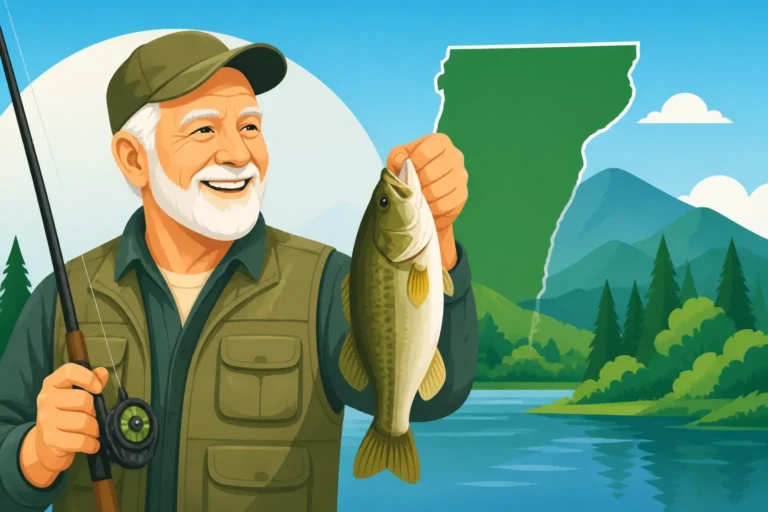
The excitement of spring in Vermont can get any angler itching to hit the water, especially when you know those feisty bass are starting to wake up. But for many, navigating the specific rules around bass fishing before the traditional summer season can feel like trying to untangle a particularly stubborn bird’s nest of fishing line. It’s easy to get confused about what’s allowed and what isn’t. This comprehensive guide is here to clear up all the mystery surrounding the Vermont bass catch-and-release season, ensuring you understand the regulations, fish responsibly, and make the most of this unique angling opportunity.
Understanding Vermont's Bass Fishing Seasons
Vermont offers a distinct calendar for bass anglers, designed to balance fishing enjoyment with robust conservation efforts. It's not a one-size-fits-all approach, and understanding the nuances between the general season and the catch-and-release period is crucial for any responsible angler looking to target smallmouth or largemouth bass. Getting it wrong can lead to serious penalties, so let's break down the foundational differences.
The General Bass Season: What It Means for Anglers
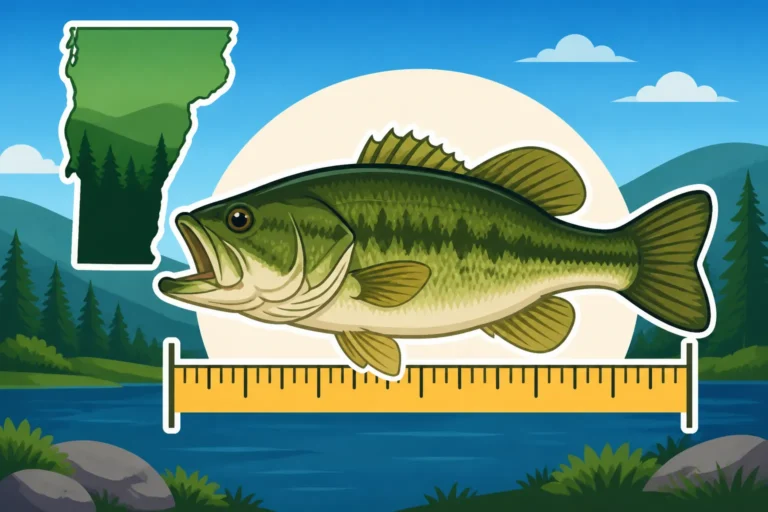
The "general" bass season in Vermont is what most folks think of when they picture a summer day on the lake, reeling in a keeper. This season typically kicks off on the second Saturday in June and runs all the way through November 30th. During this ample period, anglers have the freedom to harvest bass, within specified daily limits and minimum length requirements. For example, on Lake Champlain and its tributaries, the daily limit for bass is five fish, with a minimum length of 10 inches. Other waters might have slightly different rules, so it’s always wise to check the Vermont Fish & Wildlife Department's official guide.
Imagine a family vacation on Lake Bomoseen in July. The kids are having a blast, casting worms or small crankbaits from the dock or a rented pontoon boat. If they land a few smallmouth bass that meet the length requirements, say over 10 inches, and they're within their daily bag limit, they can absolutely keep a couple for a delicious fish fry back at the cabin. This is the essence of the general season: enjoying the harvest, sharing the bounty, and making memories. However, even during the general season, being mindful of Vermont Bass Daily Bag Limit and releasing larger, breeding-size fish can contribute to the long-term health of the fishery.
Why a Catch-and-Release Period Exists for Bass
Now, let's talk about the catch-and-release season. This period is a prime example of Vermont's commitment to conservation, especially for our beloved bass populations. This designated time, usually spanning from the second Saturday in April until the second Saturday in June, is specifically designed to protect bass during their crucial pre-spawn and spawning phases. During these weeks, bass are highly concentrated in shallower waters, making them more vulnerable to angling pressure. The goal is to allow these fish to reproduce successfully, ensuring a healthy population for future generations of anglers.
From a biological standpoint, bass become incredibly active and territorial as water temperatures rise in spring. They move into shallower bays, rocky points, and weed beds to prepare their nests and lay their eggs. Catching and handling a bass during this sensitive time, especially a female full of eggs or a male actively guarding a nest, can disrupt the spawning process or cause undue stress that impacts their reproductive success. The catch-and-release mandate helps minimize this disturbance. By requiring artificial lures and single hooks, and forbidding possession, the regulations aim to reduce mortality rates and protect the fish when they are most susceptible. It’s a collective effort to ensure that the thrill of catching a big bass today doesn't come at the expense of catching even more big bass tomorrow.
Navigating the Vermont Bass Catch-and-Release Season Specifics
Understanding the "why" behind the catch-and-release season is one thing, but knowing the precise "how" and "when" is absolutely critical for staying compliant and enjoying your time on the water. Vermont's regulations are quite specific during this period, and it's vital to have these details straight before you cast your first line.
Key Dates and Duration of the Catch-and-Release Period
The Vermont bass catch-and-release season officially kicks off on the second Saturday in April and concludes on the Friday preceding the second Saturday in June. While these dates provide a clear framework, it's important to remember that the exact calendar dates will shift slightly year to year. For example, if the second Saturday in April falls on the 8th one year, it might be the 14th the next. This can catch some anglers off guard if they don't consult the current year's regulations.
This approximately two-month window is a fantastic opportunity to get out and target pre-spawn and spawning bass when they're often aggressive and accessible. However, the responsibility falls squarely on the angler to verify the current year's dates directly from the Vermont Fish & Wildlife Department's official channels. You can usually find a comprehensive listing of all fishing seasons and closures on their website. It's truly your go-to resource, not just for bass, but for all species throughout the year. For a broader overview of when other species are fair game, checking out resources like Vermont Fishing Season Dates and Closures can also be incredibly helpful to plan your angling calendar.
Mandatory Practices: Single Hook, Artificial Lures Only
This is perhaps the most critical aspect of the catch-and-release season, and it's where many anglers who are used to the general season might need to adjust their tackle boxes. During the bass catch-and-release period, only artificial lures with a single hook are permitted. This means no live bait, no scented plastics designed to mimic live bait (like many popular soft plastic worms or creatures unless they are truly scent-free and designed for repeated use, not consumption), and absolutely no treble hooks.
Let's unpack what "artificial lures with a single hook" really means.
- Artificial Lures: These are hard baits (crankbaits, jerkbaits, topwaters), spinnerbaits, chatterbaits, jigs with soft plastic trailers, and fly patterns. The key is that the fish are enticed by the lure's action, color, or vibration, not by its natural scent or taste as food. This reduces the likelihood of deep hooking a fish, as they are less likely to swallow an artificial lure whole compared to a tempting live minnow or worm.
- Single Hook: Any lure you use must have only one point of contact with the fish. If your favorite crankbait comes with two or three treble hooks, you'll need to swap them out for single, inline hooks. Many anglers go a step further and pinch down the barbs on their single hooks or use "barbless" hooks. Barbless hooks make it much easier to remove the hook quickly and cleanly, minimizing tissue damage to the fish's mouth. This swift unhooking process is vital for the fish's survival, especially when they are already under stress from spawning activities.
For instance, if you're planning a trip to Lake Champlain and want to target smallmouth during this period, you might pack a selection of single-hooked jerkbaits, some jig heads with a single hook paired with a plastic swimbait, or perhaps a few spinnerbaits where you've replaced the treble with a single hook. You can find a great selection of these conversion hooks and compliant lures from retailers like Amazon, making it easy to adapt your existing tackle. Understanding the nuances of Best Tackle for Vermont Smallmouth Bass can further refine your gear choices for this specific season, ensuring you're both effective and compliant. And while we're talking about lures, it's a good time to remember how different regulations apply to different species and intentions; for example, the robust lures used for Best Lures for Walleye Trolling on Lake Champlain would also need single hooks if you were targeting bass with them during this specific season.
Rules and Regulations Beyond Hooks and Lures
Beyond the fundamental requirements of single hooks and artificial lures, there are additional layers of regulation that govern the bass catch-and-release season in Vermont. These rules are designed to reinforce the conservation goals of the period and ensure that all fish caught are treated with the utmost care, giving them the best chance of survival post-release.
Zero Possession Limit and Immediate Release Requirements
This is a non-negotiable rule: during the Vermont bass catch-and-release season, there is a zero possession limit. This means that any bass you catch, regardless of its size, condition, or how perfectly it might fit into your frying pan, must be immediately released back into the water from which it was taken. There are no exceptions for a "trophy" fish or one that might appear injured. The intent is clear: these fish are protected for spawning, and removal from the water beyond the brief moment of unhooking is strictly prohibited.
The emphasis here is on immediate release. This isn't just a suggestion; it's a critical part of the regulation designed to minimize stress and injury to the fish. When a bass is caught, it undergoes physiological stress. Prolonged time out of the water, excessive handling, or being kept in a livewell (even if you intend to release it later) can significantly reduce its chances of survival. Think of it this way: when you catch a bass, your goal should be to get it back into its natural environment as quickly and gently as possible, almost as if the interaction never happened. This includes avoiding stringers, coolers, or any other method that would temporarily hold the fish. If you're accustomed to planning around the Vermont Bass Daily Bag Limit during the general season, this shift in mindset to 'no possession whatsoever' is a major one.
Understanding "Trophy Trout Waters" and Exceptions
Vermont's fishing regulations can sometimes feel like a layered cake, with general rules forming the base and special regulations adding different flavors to specific waters. While the bass catch-and-release season rules generally apply across the state where bass are present, it's incredibly important to be aware that some specific bodies of water are designated as "Trophy Trout Waters" or have other special regulations that might impact or even override general rules.
For example, many "Trophy Trout Waters" have specific bait restrictions (often fly-fishing or artificial lures only) and season dates that are tailored to the trout fishery. While these regulations might not directly address bass, if you're fishing a body of water that has special rules for trout, it's paramount to check if those rules might also apply to other species or have implications for your bass fishing plans. You might find that the "artificial lures only" rule extends throughout the entire year, for instance.
The golden rule for any angler in Vermont is to always consult the official "Vermont Fish and Wildlife Digest of Fishing Regulations" for the current year before heading out. This digest details all statewide regulations, as well as specific rules for particular lakes, ponds, and rivers. This due diligence ensures you're not inadvertently violating a special regulation, even if you're following the general bass catch-and-release rules. Places like Vermont Trophy Trout Program Waters often have very particular regulations, and understanding Special Regulation Waters in Vermont is key to a responsible and legal fishing experience across the state. It really drills home the point that one size does not fit all in Vermont's diverse fishing landscape.
Best Practices for Successful and Ethical Catch-and-Release
The "catch" part of catch-and-release is only half the battle. The "release" part, and doing it properly, is arguably even more important, especially during the sensitive spawning period. Every angler has a role to play in ensuring the long-term health of Vermont's bass populations. This means equipping yourself with the right knowledge and gear to maximize fish survival.
Gear Considerations for Maximizing Fish Survival
When you’re focusing on catch-and-release, especially during the regulated bass season, your gear choices become even more critical than just catching the fish. You want to land the fish quickly, handle it minimally, and release it in the best possible condition.
- Rod and Line Choice: Use a rod and line setup appropriate for the size of bass you expect to encounter. A medium-heavy or heavy power rod with a stout line (e.g., 10-15 lb fluorocarbon or monofilament, or 20-30 lb braid) will allow you to land fish efficiently without unduly prolonging the fight. A long fight exhausts the fish, increasing stress and lactic acid buildup, which can reduce survival rates. If you’re using lighter tackle, try to land the fish as quickly as possible without "horsing" it in.
- Landing Nets: A good landing net is your best friend for catch-and-release. Look for nets with rubberized or knotless mesh. Traditional knotted nylon nets can remove a fish's protective slime coat, which is their first defense against disease, and can also damage fins. Rubberized nets are much gentler and prevent hooks from getting tangled, making for a quicker release. You can find excellent quality rubberized nets on Amazon that are specifically designed for catch-and-release. For some great options that apply to trout and other species, checking resources like Best Landing Net for Trout can give you an idea of what to look for in a good quality, fish-friendly net.
- Forceps or Pliers: These are non-negotiable tools. Even with single hooks, bass can swallow a lure or get a hook firmly embedded. Having a good pair of long-nosed pliers or hemostats (forceps) will allow you to quickly and safely remove the hook without sticking your fingers too far into the fish's mouth or gill plate. This minimizes both the fish's time out of water and your risk of injury. Keep them easily accessible in your boat or tackle bag.
Handling Techniques to Minimize Stress and Injury
Once you’ve landed that beautiful bass, how you handle it in those crucial moments before release makes all the difference. Remember, the goal is to leave the fish unharmed and ready to continue its important spawning duties.
- Wet Hands: Always, always wet your hands before touching a fish. Dry hands can strip away that vital protective slime coat, leaving the fish vulnerable to infection.
- Support the Body: When lifting a bass for a quick photo, support its body horizontally, especially larger fish. Avoid holding a bass vertically by the jaw for an extended period, as this can dislocate its jaw or damage internal organs due to its body weight. If you must grip the lower jaw, use a gentle hold and support the tail end with your other hand. Never squeeze the fish's belly.
- Quick Photos Only: We all love a good trophy shot, but during catch-and-release season, speed is paramount. Get your photo quickly, then release the fish. Avoid prolonged exposure to air.
- Unhooking: Use your forceps or pliers to remove the hook as quickly and cleanly as possible. If the hook is deeply embedded and removal would cause significant damage, it's often better to simply cut the line as close to the hook as possible. The hook will likely rust out, and the fish has a better chance of survival than if you cause severe trauma trying to remove it.
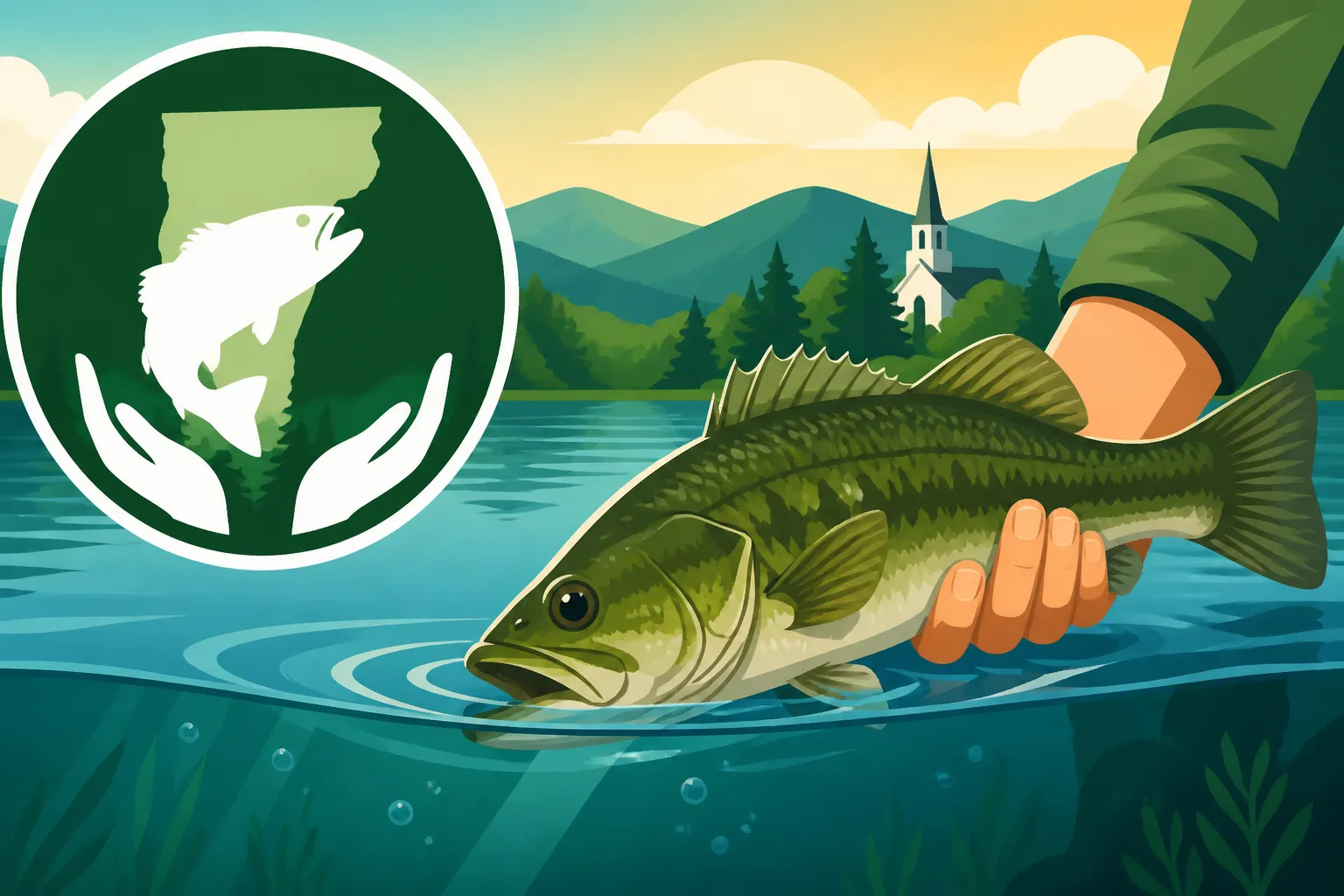
- Revival: Sometimes, after a spirited fight, a bass might be a bit lethargic when you release it. If a fish doesn’t immediately swim off, gently hold it upright in the water, facing into the current (if applicable), and move it back and forth to force water over its gills. This helps to re-oxygenate its blood. Only release the fish when it can swim away under its own power. A good rule of thumb is to hold it until it tries to pull away from your hands.
Prime Locations for Catch-and-Release Bass Fishing
During the catch-and-release season, bass are highly predictable in their movements. They are typically transitioning from deeper wintering grounds to shallower, warmer waters to spawn. Knowing where to look will significantly increase your chances of success.
- Shallow Coves and Bays: These areas warm up faster than open water and provide protection from wind and currents. Look for areas with dark bottoms (mud or rock) that absorb sunlight.
- Rocky Points and Ledges: Bass, especially smallmouth, love rocky structures. Points that extend into deeper water can be excellent staging areas before they move shallower to spawn.
- Submerged Vegetation: Early in the season, sparse weed beds can hold bass, offering cover and ambush points. As the season progresses, these areas become prime spawning habitat.
- Structure: Docks, fallen trees (laydowns), and bridge pilings can also hold bass. These provide cover and act as current breaks.
Vermont boasts some incredible bass fisheries perfect for catch-and-release. Lake Champlain is a prime example, renowned for its outstanding smallmouth and largemouth bass fishing. Its numerous bays, rocky points, and abundant structure make it an ideal location during the spring. Other fantastic lakes include Lake Memphremagog and Lake Bomoseen. For specific ideas on where these fish thrive, exploring resources like Best Bass Fishing Lakes in Vermont can provide valuable insights. If you're specifically interested in when the season might open on the big lake, a quick check of the Lake Champlain Bass Catch-and-Release Dates for 2026 will give you the precise window to plan your trip. And remember, the general Vermont Lake Champlain Fishing Rules still apply to all other aspects of your outing there.
| Regulation Aspect | Catch-and-Release Bass Season (Apr – June) | General Bass Season (June – Nov) |
|---|---|---|
| Duration | Approx. 2 months (Second Sat Apr – Friday before Second Sat June) | Approx. 5.5 months (Second Sat June – Nov 30) |
| Possession Limit | Zero (all bass must be immediately released) | Specific daily bag and possession limits apply (e.g., 5 fish, 10-inch minimum) |
| Bait Permitted | Artificial lures only | Artificial lures and live bait |
| Hook Type | Single hooks only (barbless recommended) | Single, double, and treble hooks permitted |
| Purpose | Protect spawning bass, ensure population health | Recreational fishing, harvest permitted, population management |
| Fish Handling | Emphasize immediate, gentle release; wet hands; minimal air exposure | Good handling practices still recommended, but less stringent given harvest option |
The Broader Impact and Community Engagement
Participating in the Vermont bass catch-and-release season isn't just about adhering to regulations; it's about being an active participant in a larger conservation effort. Every angler's decision has a ripple effect on the health and future of Vermont's cherished aquatic ecosystems.
Contributing to Vermont's Healthy Bass Population
When you follow the rules of the catch-and-release season, you're directly contributing to the vitality of Vermont's bass populations. By protecting bass during their most vulnerable reproductive period, you're helping to ensure successful spawning, which leads to robust year classes of young bass. This, in turn, fuels the entire fishery, providing more abundant and larger fish for everyone to enjoy in the general season and for years to come.
Think of it as an investment in the future of fishing. Sustainable fishing practices aren't just buzzwords; they're the actions we take today to guarantee that our children and grandchildren can experience the same joy and challenge of reeling in a strong Vermont bass. It’s about more than just catching a fish; it’s about nurturing an entire ecosystem and respecting the natural cycles of wildlife. By being a diligent and ethical angler during this period, you become a steward of Vermont's natural resources, ensuring that the legacy of great fishing continues.
Educational Resources and Staying Informed
The world of fishing regulations can change, albeit slowly, and staying informed is the best way to ensure you're always fishing legally and responsibly. The Vermont Fish & Wildlife Department is your absolute best friend in this regard. Their website is a treasure trove of information, offering the most up-to-date regulations, fishing reports, stocking schedules, and educational materials. Make it a habit to check their site annually, or even before each significant fishing trip, especially if you're venturing to new waters or fishing a different season.
Beyond the official sources, local bait and tackle shops are incredible hubs of localized knowledge. The folks working behind the counter often have their finger on the pulse of what's happening on local waters, recent regulation changes, and even tips on what lures are working best. Don't be shy about striking up a conversation and asking questions. They're usually passionate anglers themselves and happy to share their insights. Online fishing forums and local angling clubs can also be great places to connect with experienced anglers and learn more. For a deep dive into how to interpret all these rules, take a look at Reading the Vermont Fishing Regulations Guide, which can help you decipher the sometimes complex legal language. And of course, the most fundamental step before any fishing trip in Vermont is ensuring you have your current Vermont Fishing License Guide for 2026 in hand, or on your phone!
Disclaimer
Please remember that fishing regulations can change. While this guide provides comprehensive information, it is always your responsibility to consult the official Vermont Fish & Wildlife Department website or their printed digest for the most current and accurate regulations before you go fishing. This content is for informational purposes only and should not be considered legal advice.