What baitfish Vermont walleye key on
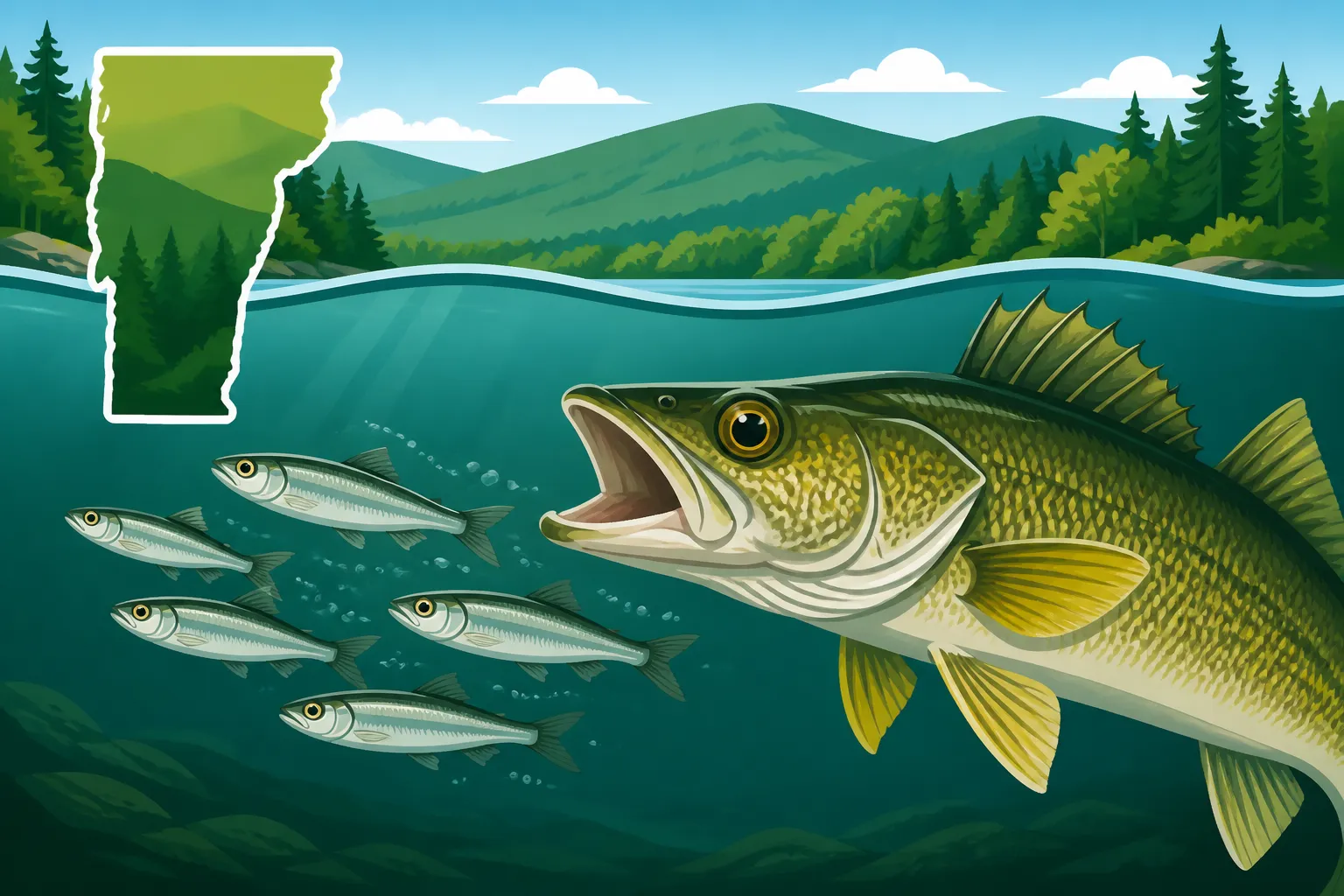
One of the most common questions I hear from fellow anglers, especially those just starting out or visiting Vermont for the first time, is "What are the walleye actually eating out there?" It's a completely valid frustration because if you don't have a clue what's on the menu, how can you possibly pick the right lure or bait? Understanding the primary forage for walleye in Vermont, particularly in a massive fishery like Lake Champlain, is absolutely crucial for consistent success. This guide will dive deep into the main baitfish species walleye key on, how their presence dictates walleye behavior, and most importantly, how you can "match the hatch" to put more fish in your boat or on the ice.
The Primary Forage: Smelt and Alewife – The Walleye's Main Course
When you talk about walleye forage in Vermont, especially in Lake Champlain, two species immediately come to mind: rainbow smelt and alewife. These fish are absolute game-changers for walleye populations, providing a dense, nutritious food source that drives their growth and migration patterns. Without these abundant baitfish, the walleye fishery wouldn't be anywhere near as robust as it is.
Rainbow Smelt: A Lake Champlain Staple
Rainbow smelt are arguably the most important forage fish for walleye in Lake Champlain. These small, slender fish are packed with protein and fat, making them an irresistible meal for hungry walleye. They're often found in large schools, which means a walleye can expend minimal energy for a maximum caloric intake, a true win-win for the predator.
Smelt have a fascinating life cycle that directly impacts walleye movements throughout the year. In the spring, after the ice recedes, smelt migrate from the deeper parts of the lake into shallower areas and tributaries to spawn. This is a critical time for walleye, as they often follow these smelt runs, creating incredible opportunities for anglers. Imagine hungry walleye gorging themselves on easy prey in relatively shallow water. As the water warms in summer, smelt retreat to cooler, deeper sections of the lake, often suspending in the water column or near thermoclines. Walleye follow them, shifting their feeding zones to these deeper, cooler haunts. In fall and winter, smelt can again be found closer to shore or near structures, depending on water temperatures, and walleye are right there with them. Understanding these movements is like having a secret map to where the walleye are going to be.
Alewife: An Abundant Energy Source
Another significant player in the walleye diet, particularly in Lake Champlain, is the alewife. These small, silver fish are a relatively recent addition to the Lake Champlain ecosystem compared to smelt, but they've certainly made their presence known. Alewife are known for their schooling behavior, forming massive aggregations that can span acres, providing an almost unlimited food source for species like walleye, salmon, and lake trout.
While alewife are incredibly abundant, they also present some unique challenges and opportunities. Walleye have adapted to feed heavily on these open-water baitfish, often chasing schools in the expansive main lake basins. Their high oil content makes them a very rich meal, contributing to the fast growth rates of walleye in the lake. However, their sheer numbers can sometimes make walleye harder to catch. If there's an endless supply of the real thing swimming around, your artificial lure has to be pretty convincing! Anglers often notice walleye with distended bellies, clearly full of alewife, which can lead to periods where they're less aggressive. Still, if you can find the schools of alewife, you're almost guaranteed to find walleye not far behind, especially during low-light conditions or when the walleye are actively chasing.
Other Important Baitfish and Opportunistic Prey
While smelt and alewife might dominate the walleye's menu, they're far from the only things these opportunistic predators will eat. Walleye are quite adaptable and will readily consume whatever smaller fish are available in their immediate environment. This flexibility is what makes them such successful predators across diverse habitats.
Yellow Perch: A Consistent Meal
Yellow perch are absolutely everywhere in Vermont's walleye waters, and they represent a consistently important food source. They share similar habitats with walleye, especially around weed lines, rocky structures, and drop-offs. Walleye will prey on perch of all sizes, from tiny fry to respectable juveniles. It's not uncommon to clean a walleye and find several perch in its stomach, sometimes still whole!
The beauty of perch as forage is their year-round availability. Unlike smelt, which often migrate to specific spawning grounds, perch are more resident in many areas, meaning walleye don't have to travel as far to find a meal. This makes imitating perch a solid strategy in almost any season. Smaller walleye will key on tiny perch, while larger walleye won't hesitate to gobble down a four to six-inch perch if given the chance. This constant availability means that a walleye often has a steady diet of perch, making them a go-to imitation for many anglers, especially when the walleye aren't actively chasing open-water baitfish. Yellow Perch in Vermont Lakes are abundant and a key part of the food web.
Smallmouth Bass Fry and Panfish: Seasonal Snacks
During certain times of the year, particularly late spring and early summer, walleye will opportunistically feed on the fry and juveniles of other species, including smallmouth bass and various panfish like bluegill and crappie. When these young fish hatch and move into shallower, warmer waters, they become easy targets for hungry walleye. This can be a brief but intense feeding period, as the walleye capitalize on the vulnerability of these young-of-the-year fish.
Imagine a newly hatched school of smallmouth bass fry, just inches long, hovering around a rocky point. A cruising walleye sees them as an easy, high-volume snack. Similarly, schools of tiny bluegill or crappie can attract walleye into areas they might not typically frequent. This means that if you're fishing during these times, especially near known spawning or nursery areas for these species, it pays to consider lures that mimic very small, dark-colored baitfish. These seasonal feeding opportunities highlight how walleye are incredibly adaptable and will capitalize on whatever food source is most readily available, even if it's not their usual fare.
Sculpins and Shiners: Bottom Dwellers
While many baitfish swim in the open water or just above the weeds, some important walleye forage lives closer to the bottom. Sculpins, for example, are small, bottom-dwelling fish with mottled coloration that blend perfectly with rocky or gravelly substrates. They don't swim quickly, making them easy prey for walleye that are rooting around on the bottom. In rivers or areas of Lake Champlain with significant current and rocky bottoms, sculpins can be a crucial part of the walleye's diet.
Similarly, various species of shiners can be found in different habitats, from tributary streams to shallow lake embayments. While some shiners are open-water dwellers, others hug the bottom or relate closely to structure. Walleye that are actively feeding on these types of baitfish will often be found close to the bottom, near rocks, ledges, or deep weed edges. This means that presentations like jigging with soft plastics that imitate sculpins or shiners, or slow-trolling bottom-bouncing rigs, can be incredibly effective when walleye are keying on these less flashy, but equally important, food sources.
Understanding Walleye Feeding Patterns Based on Forage
Knowing what walleye eat is one thing, but understanding when and where they eat it based on baitfish movements is what truly elevates an angler's game. Walleye are master ambush predators, and their entire existence revolves around efficiently finding and consuming their preferred forage.
Seasonal Movements and How Walleye Follow the Food
Walleye movements are inextricably linked to the seasonal migrations and behavior of their primary baitfish. This means that a successful walleye angler needs to think like a baitfish, too!
- Spring: As the ice disappears and water temperatures rise, walleye begin their spawning runs, often moving into rivers or shallow lake areas. During this time, the smelt are also moving into these areas to spawn. This overlap creates intense feeding opportunities. Walleye might be post-spawn and hungry, and an easy meal of spawning smelt is too good to pass up. Later in spring, after the walleye have spawned, they'll often hold in transition areas, waiting for the young-of-the-year baitfish to hatch or for the main baitfish schools to become more active. Look for them around points and shallow flats. The Vermont Trout Opening Day Traditions might get a lot of attention, but walleye anglers are thinking about their own opening day around this baitfish movement.
- Summer: As the lake warms significantly, many baitfish, especially smelt and alewife, retreat to cooler, deeper water or follow distinct thermoclines. Walleye will follow them. This often means fishing deeper structure, humps, offshore reefs, or suspended over open water. They might be 20, 40, or even 60 feet down, suspending just above massive schools of baitfish. Knowing How deep walleye go in summer on Lake Champlain is key for this period. Trolling large crankbaits or presenting vertical jigs can be highly effective during these summer months.
- Fall: As water temperatures begin to cool, baitfish often move back into shallower bays and nearshore areas, feeding heavily in preparation for winter. Walleye will again follow this migration, presenting fantastic opportunities for anglers fishing shallower rock piles, weed edges, and prominent points. This can be a prime time for casting jerkbaits or retrieving crankbaits in areas that were too warm for walleye in mid-summer.
- Winter (Ice Fishing): Even under the ice, walleye are still driven by their search for forage. Smelt and perch are primary targets during the hardwater season. Walleye will often cruise along drop-offs, follow old river channels, or ambush baitfish around submerged structure. Locating schools of perch or smelt with your electronics is often the first step to finding active walleye while ice fishing.
Water Clarity, Temperature, and Forage Behavior
Beyond seasonal migrations, other environmental factors heavily influence how and where walleye key on baitfish. Water clarity and temperature are paramount.
In clear water, walleye tend to be more wary. They rely heavily on their excellent low-light vision, but in bright, clear conditions, they might hold deeper or relate more tightly to cover, ambushing baitfish that venture too close. In these conditions, baitfish themselves can be more skittish. Anglers might need to use more subtle presentations, longer leaders, or more natural-looking lures. Conversely, in stained or turbid water, walleye can be more aggressive and less wary, as their advantage in low visibility is amplified. Baitfish can also be disoriented, making them easier targets. Brighter lures, more vibration, and louder rattles can be effective in these situations.
Water temperature directly impacts the metabolism of both walleye and their prey. Walleye are cold-blooded, so their activity levels, digestion, and feeding aggressiveness are all tied to water temperature. There's a "sweet spot" temperature range where walleye are most active and feed most vigorously, and this often aligns with the preferred temperature range of their key forage. For example, Best water temperature for walleye fishing is a critical piece of knowledge. If the water is too cold, walleye are sluggish and might only feed occasionally. If it's too warm, they can become stressed and less inclined to chase fast-moving baitfish. Understanding these thermal preferences helps you locate zones where both walleye and their food sources are comfortable and active.
"Matching the Hatch": Selecting Your Baits and Lures
Now that you understand what walleye eat and when and where they find it, the next logical step is to pick the right tools for the job. "Matching the hatch" means selecting lures and baits that closely resemble the natural forage the walleye are currently keying on.
Lure Profiles and Colors to Imitate Primary Baitfish
When walleye are actively chasing smelt or alewife, you want lures that mimic their slender profile and silvery flash.
- Jerkbaits: These lures are fantastic for imitating dying or wounded baitfish. Long, slender jerkbaits in silver, chrome, or even pearl white colors can be incredibly effective, especially in cooler water when walleye are a bit more sluggish. The erratic darting action mimics a disoriented smelt or alewife, triggering a strike. Brands like Rapala and Lucky Craft offer excellent jerkbaits that walleye absolutely crush. You can find a huge selection of these on Amazon.
- Crankbaits: Medium-diving and deep-diving crankbaits are essential, especially when trolling or casting for walleye holding at specific depths. Look for crankbaits with a tight wobble and realistic baitfish patterns. Again, silver, blue/silver, perch patterns, or even firetiger (especially in stained water) can be very productive. The vibration and profile of a good crankbait, like a Berkley Flicker Shad, can be deadly. Best Lures for Walleye Trolling on Lake Champlain will definitely include a variety of these.
- Swim Baits: Soft plastic swimbaits, often rigged on a jig head, offer a very realistic profile and swimming action. These are particularly good for imitating slightly larger baitfish or for a more subtle presentation. Paddle tail swimbaits in silver, pearl, or even dark green colors can be incredibly effective when slowly retrieved or jigged near baitfish schools.
Jigging and Live Bait Strategies
Sometimes, the most natural presentation is the best. Jigging and using live bait are tried-and-true methods for walleye, especially when they're less active or holding tight to structure.
- Jigging Spoons: When walleye are suspended in deep water over baitfish, jigging spoons can be a killer technique. A spoon dropped through a school of baitfish will often trigger a reaction strike from walleye below. Colors like silver, gold, or even a white/chartreuse can be very effective, especially if it glints like a dying alewife.
- Soft Plastics: Aside from swimbaits, various other soft plastics like grubs, shads, or fluke-style baits can be jigged vertically or cast and retrieved. Tipping these with a piece of worm or a minnow can add extra scent and appeal, especially in tough bite conditions.
- Live Minnows: There's simply no substitute for live bait when walleye are finicky. Live minnows, especially those that mimic the size and profile of smelt or shiners, fished under a bobber, on a slip sinker rig, or even slow-trolled, can be incredibly effective. A common frustration is keeping live bait lively, but good bait shops can help you pick the right species and offer tips for keeping them frisky. Using a small jig head tipped with a minnow is a classic walleye slayer. The Best rig for bottom fishing for walleye often involves live bait.
Trolling for Success
Trolling is a highly effective way to cover vast amounts of water and present lures at precise depths, especially in large lakes like Champlain where walleye can be widely dispersed or following open-water baitfish schools.
- Speed and Depth: When trolling, your speed and the depth of your lure are paramount. Walleye are often feeding within a narrow depth band, typically just above or within a school of baitfish. Using tools like planer boards, lead core line, or even downriggers allows you to present your lures right where the walleye are. Your speed needs to match the activity level of the fish and the type of lure you're using. Fast trolling often works when walleye are aggressive and chasing, while slower speeds are better for sluggish fish or when you're trying to entice a hesitant bite. Best trolling depth for walleye on Lake Champlain is highly dependent on where the baitfish are holding.
- Lure Selection for Trolling: Crankbaits and stickbaits are staples for trolling walleye. Experiment with different sizes, colors, and diving depths until you find what the walleye are responding to. Sometimes a subtle color like blue/silver is best, other times a wild chartreuse or firetiger pattern can trigger strikes. Pay attention to what's been working for other anglers or what local tackle shops recommend, as regional patterns can emerge. A good selection of trolling lures from Rapala, Bandit, or Reef Runner can be found on Amazon, allowing you to quickly adapt to changing conditions. This versatility is key when you're trying to locate fish that are following moving schools of baitfish.
| Baitfish Species | Typical Size | Primary Habitat | Walleye Feeding Strategy | Key Angling Imitations |
|---|---|---|---|---|
| Rainbow Smelt | 3-7 inches | Open water, deep basins, shallow in spring | Active chasing, ambush, schooling | Slender jerkbaits, spoons, clear minnows |
| Alewife | 4-8 inches | Open water, pelagic schooling | Active chasing, feeding frenzies | Crankbaits, swimbaits, silver/blue lures |
| Yellow Perch | 2-6 inches | Weed lines, rocky bottoms, drop-offs | Opportunistic ambush, bottom feeding | Perch pattern crankbaits, jigs, live perch |
| Sculpins | 2-4 inches | Rocky bottoms, current areas | Bottom foraging | Dark jigs, soft plastic creature baits |
| Shiners (various) | 2-6 inches | Shallow bays, weed edges, current | Ambush, schooling | Small crankbaits, inline spinners, live shiners |
By understanding what's on the menu, and then selecting baits and techniques to mimic those natural food sources, you'll dramatically increase your chances of finding and catching walleye in Vermont's waters. It's all about observing, adapting, and thinking like a walleye.
Disclaimer
This article is for general informational purposes only and does not constitute professional advice. Laws, prices and regulations vary by location and change over time. Consult a qualified professional for guidance on your specific situation.