What percentage of stocked trout survive the season
You’ve probably heard the buzz around Vermont’s spring trout stocking program, or seen the excited reports from anglers on opening day. There’s a wonderful anticipation that comes with knowing fresh fish have been added to our favorite rivers and ponds, ready for us to pursue. But amidst that excitement, a common question often lingers in the minds of many: what happens to all those stocked trout after they're released? Do they thrive, or are they quickly caught, or do they simply disappear? It’s a realistic concern, and understanding the survival rates of stocked trout is more complex than a simple yes or no answer. This guide aims to shed light on the many factors influencing how well—or not so well—our stocked trout fare throughout the season here in the Green Mountain State.
The Complex Reality of Stocked Trout Survival
When the Vermont Fish & Wildlife Department stocks trout, it's not a one-size-fits-all scenario. The survival of these fish is influenced by a myriad of factors, from the moment they leave the hatchery truck to months down the line. It's important to differentiate between short-term survival, which often means surviving until an angler catches them, and true long-term survival, where they adapt to the wild and potentially even reproduce.
Why Stocking Programs Exist in the First Place
Let's be real: stocking isn't just about ensuring there are always fish to catch, though that's certainly a huge part of it for many of us. In Vermont, trout stocking serves several critical purposes. For one, many of our popular fishing spots, especially those easily accessible or heavily fished, simply don't have enough natural reproduction to sustain the demand from anglers. Without stocking, these waters would quickly become "fished out," leading to immense frustration for those who love to cast a line.
Stocking also provides opportunities for new anglers, children, and families to experience the joy of fishing. Vermont Youth Fishing License Rules by Age are designed to encourage this, and when fish are abundant, success rates are higher, fostering a love for the outdoors. Furthermore, some waters might not support natural trout populations due to habitat limitations, warmer summer temperatures, or other environmental challenges, but they can still hold trout for a good portion of the year. In these cases, stocking creates a put-and-take fishery, meaning the fish are put in to be taken out, fulfilling a recreational need where natural populations can't.
Immediate Challenges Post-Stocking
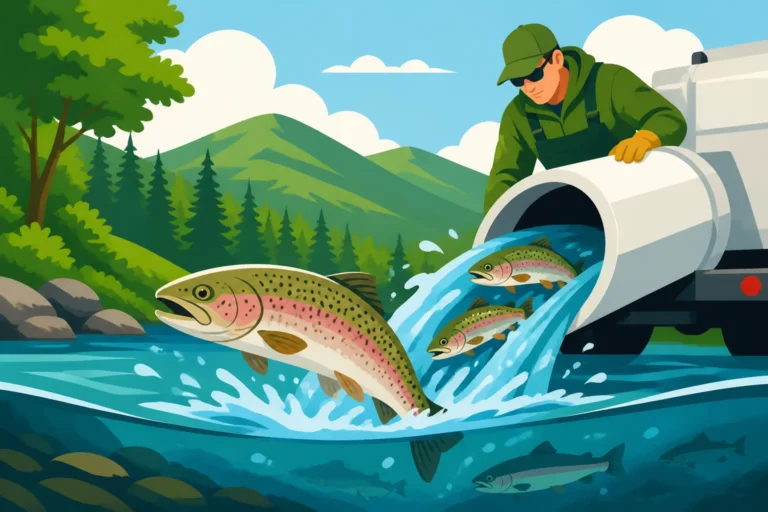
Imagine being suddenly dropped into a brand new neighborhood with new smells, new sights, and new challenges. That’s essentially what a hatchery-reared trout experiences. These fish have grown up in a relatively controlled environment, with regular feedings and no predators. When they're released into a river or pond, they face immediate stressors that can significantly impact their short-term survival.
First, there's the stress of transport and handling. Even with the best practices, moving fish from hatchery tanks to a stream takes a toll. Once in the water, they're in an unfamiliar environment. They need to find food that isn't pelleted and avoid real predators like ospreys, kingfishers, larger fish, and even raccoons, which they've never encountered before. This initial disorientation can make them particularly vulnerable in the first few days or weeks. Some fish might struggle to find cover, others might expend too much energy fleeing what they perceive as danger, or simply fail to locate natural food sources. This post-stocking shock is a very real, though often unseen, challenge they must overcome.
Factors Influencing Long-Term Survival Rates
While some stocked trout are caught within days or weeks, a portion of them do stick around. However, their ability to survive past the initial period and truly thrive depends on a complex interplay of environmental factors, natural pressures, and even our own actions as anglers.
Environmental Conditions and Habitat Quality
The specific water body where trout are stocked plays a monumental role in their long-term prospects. A cold, clear mountain stream with plenty of natural cover like fallen logs, undercut banks, and diverse insect life offers a much better chance for a stocked trout to adapt and survive compared to a warmer, slower-moving river with limited hiding spots. Waters with good oxygen levels, stable temperatures, and abundant natural food sources (insects, baitfish) are crucial.
For instance, a pond that gets stocked with rainbow trout might be excellent in the spring and early summer, but if its water temperatures climb too high by August, those trout will struggle immensely, often dying from heat stress. Conversely, a stream known for its Vermont Wild Trout Waters Regulations might see stocked fish integrating more successfully into the existing ecosystem, especially if they are fingerlings rather than catchable-sized adults. The quality of the habitat dictates whether a stocked trout can transition from a hatchery fish to a wild-adapted one.
Predation and Competition
Once in the wild, stocked trout are not alone. They enter an ecosystem where other creatures are already established and looking for a meal. As mentioned, birds of prey, otters, mink, and larger fish are all potential predators. These predators quickly learn where and when stocking trucks arrive, turning prime stocking locations into easy hunting grounds. It's a tough reality, but it's nature's way.
Beyond predation, there's competition for resources. If a stream already has a healthy population of wild brook trout or brown trout, newly stocked fish will compete for the same food and prime holding lies. Hatchery trout, being less adept at foraging and finding cover, can be at a disadvantage in this competition. Sometimes, heavy stocking can even put a strain on the natural food supply, affecting both wild and stocked fish. It's a delicate balance, and wildlife managers carefully consider these dynamics when deciding on stocking locations and numbers.
Angler Pressure and Catch-and-Release Practices
Let's face it: we're often the biggest "predators" of stocked trout! The primary goal of many stocking programs, especially for larger, catchable-sized fish, is to provide immediate angling opportunities. Therefore, a very significant percentage of stocked trout are caught by anglers within a relatively short period after release. This is exactly what the "put-and-take" fishery concept is all about.
However, how we, as anglers, treat the fish we don't keep also makes a difference. Catch-and-release fishing, while vital for sustaining wild populations, isn't without impact on stocked fish. A trout caught and released multiple times can suffer from stress, exhaustion, and physical injury (hook wounds, handling damage). While many stocked trout recover remarkably well, especially with proper handling, some might not. Using appropriate gear, minimizing fight time, keeping fish in the water, and promptly releasing them are all factors that improve post-release survival. You can find specialized nets and tools to help with this, many of which are readily available on Amazon, like a rubberized mesh net that's much gentler on fish slime coats.
Understanding the Numbers: What "Survival" Really Means
When we talk about the "percentage of stocked trout that survive the season," it's crucial to define what "survival" truly implies, and to acknowledge that there isn't a single, universal number. The figures vary wildly based on species, size, location, and the goals of the stocking program itself.
Short-Term vs. Overwinter Survival
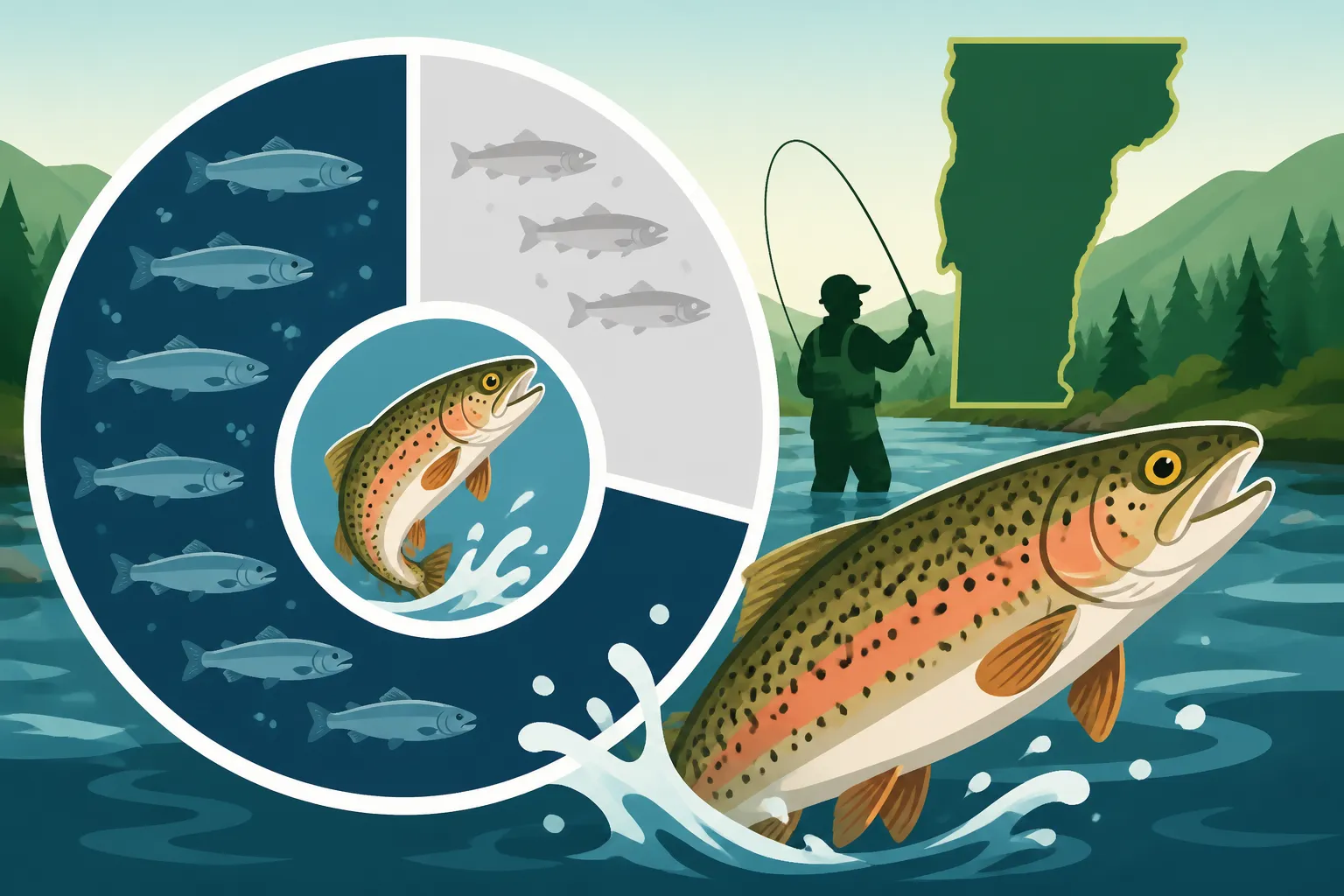
For many put-and-take fisheries, "survival" largely means existing long enough to be caught by an angler. In these scenarios, especially in easily accessible ponds or rivers with heavy angler pressure, a substantial portion—sometimes as high as 70-90%—of catchable-sized trout are harvested within weeks or even days of being stocked. These fish fulfill their purpose of providing recreational fishing opportunities. The expectation isn't for them to become permanent residents or reproduce, but rather to be caught.
Overwinter survival, however, is a different beast entirely. This refers to the percentage of stocked fish that make it through the harsh Vermont winter and into the next spring. For many hatchery-raised trout, especially rainbows and some browns in marginal habitats, this percentage can be quite low. Their instincts for finding deep, stable water or adequate food sources through the ice might not be as finely tuned as wild fish. Small fingerlings stocked in larger, wilder waters may have a better chance of adapting over time and surviving multiple seasons, but even then, their success rate in truly integrating into the wild ecosystem is usually a small fraction of the initial stocking numbers. This is why when you see official reports, they often discuss the "return to creel" rates, which is essentially the harvest rate, rather than long-term wild survival.
The Role of Different Trout Species
Vermont stocks several species of trout, and their inherent characteristics play a role in their survival.
- Rainbow Trout: Often the workhorse of put-and-take fisheries, rainbows are hardy and grow quickly in hatcheries. They are aggressive biters and popular with anglers. However, their ability to survive overwinter and adapt to truly wild conditions can be variable. Many are caught quickly.
- Brown Trout: Brown trout are generally more adaptable and hardier in wilder settings than rainbows. They are also notoriously wily once they've been in a river for a while. Many holdover brown trout can become quite large and challenging to catch. If stocked in suitable habitat, a higher percentage of brown trout might survive multiple seasons and even contribute to some natural reproduction. They are also quite tolerant of slightly warmer water than brook trout.
- Brook Trout: Our native state fish, brook trout, are highly prized but often less tolerant of warmer water or degraded habitats. Stocked brook trout, especially the larger ones, can be quite vulnerable to angler pressure. However, in pristine, cold-water streams, young brook trout fingerlings might integrate well and contribute to a wild population. For specific regulations and where to find them, you might want to read up on Brook Trout Native Range in Vermont.
Here's a simplified look at the general outlook for stocked trout:
| Factor | Short-Term Outlook (Days/Weeks) | Long-Term Outlook (Months/Years) |
|---|---|---|
| Hatchery Raised | High susceptibility to capture, some immediate mortality due to stress. | Low adaptation to natural foraging, high predation susceptibility. |
| Angler Pressure | High likelihood of being caught and harvested. | Very low if in easily accessible, heavily fished waters. |
| Habitat Quality | Can survive initial shock in most stocked waters. | Critical for survival; cold, clean water and cover are essential. |
| Predation | Vulnerable due to lack of wild instincts. | Continued vulnerability; may learn to evade over time, but many don't. |
| Competition | May struggle to find food/shelter against wild fish. | Likely to be outcompeted unless natural resources are abundant. |
| Species | Rainbows are hardy for initial survival; Browns are more resilient. | Browns tend to adapt better; Brook trout need pristine conditions. |
How Anglers Can Support Stocked Trout Populations
While the primary purpose of many stocked trout is to provide a harvestable resource, our actions as anglers can still make a meaningful difference, especially for those fish that might have a chance to survive longer or if we're fishing in waters where some carry-over is desired.
Responsible Angling Practices
Being a responsible angler isn't just about following the rules; it's about respecting the resource and improving the experience for everyone. If you plan to release some of the trout you catch, consider these practices:
- Minimize Handling: Keep the fish in the water as much as possible. If you must lift it, support its body horizontally and avoid squeezing it.
- Use Barbless Hooks: Barbless hooks, or hooks with crushed barbs, are much easier and quicker to remove, reducing damage to the fish's mouth. You can often find a good selection of these or tools to modify your existing hooks on sites like Amazon.
- Use Proper Tools: A good pair of long-nosed pliers or hemostats can make hook removal faster and safer for the fish. A rubberized landing net helps protect the fish's slime coat, which is vital for disease prevention.
- Be Mindful of Water Temperature: During hot summer months, water temperatures can become lethal for trout, especially rainbows. If the water feels warm, consider fishing for other species or in colder, higher-elevation waters. When Vermont Trout Streams Get Too Warm to Fish is a really important read.
- Know Your Limits: Adhere strictly to Vermont Bag and Possession Limits by Species. These limits are in place to manage the fishery and ensure sustainability. If you've caught your limit for the day, consider switching to catch-and-release only, or simply calling it a day.
By adopting these practices, we can ensure that any trout we release have the best possible chance of survival, whether that's for a few more weeks until another angler catches them, or, if they're particularly lucky, to adapt to the wild for a longer period.
Supporting Conservation Efforts
Beyond our individual angling practices, supporting broader conservation efforts is key to the health of Vermont's fisheries, both wild and stocked. This means understanding and appreciating the work done by the Vermont Fish & Wildlife Department.
- Purchase Your License: This might seem obvious, but buying your Vermont Fishing License Guide for 2026 is the most direct way to contribute. License fees fund stocking programs, habitat restoration, scientific research, and law enforcement that protects our natural resources.
- Report Poaching or Violations: If you witness illegal fishing activity, reporting it helps protect the fish population and ensures fair access for all.
- Advocate for Habitat Protection: Support efforts to maintain and improve water quality, riparian buffers, and in-stream habitat. Healthy streams and lakes benefit both wild and stocked fish. Sometimes, it’s not about stocking more fish, but about making the existing habitat better so fish can thrive naturally. Many local conservation groups are doing incredible work on streams throughout the state, like those managing sections of the Battenkill River Trophy Trout Section or the Winooski River Fishing Spots.
Ultimately, the survival of stocked trout is a testament to the resilience of the fish themselves, the quality of the waters we have in Vermont, and the collective responsibility we share as anglers and conservationists. While many stocked fish are destined for the creel, a portion do "go wild," adding to the challenge and joy of fishing in our beautiful state.
Disclaimer
This article is for general informational purposes only and does not constitute professional advice. Laws, prices and regulations vary by location and change over time. Consult a qualified professional for guidance on your specific situation.