What Atlantic salmon restoration on the Connecticut River means
It's a frustrating thought for many Vermont anglers to imagine a time when majestic Atlantic salmon, known as the "King of Fish," once migrated freely up the Connecticut River. For generations, this iconic species was a vibrant part of the river's ecosystem and a prized catch, only to vanish due to human impact. This guide will delve into the ambitious and complex efforts to bring Atlantic salmon back to the Connecticut River basin, exploring what these restoration projects mean for Vermont's natural heritage and for the fishing community.
The Ghost of Seasons Past: Why Atlantic Salmon Vanished
To truly understand the significance of Atlantic salmon restoration in the Connecticut River, we must first look back at what was lost. For centuries, these powerful fish were anadromous, meaning they were born in the cold, clear headwaters of rivers like the Connecticut and its tributaries, migrated to the Atlantic Ocean to mature, and then returned years later to spawn in the very same gravel beds of their birth. They were a cornerstone of both the ecosystem and the livelihoods of early settlers.
The Rise of Obstacles: Dams and Pollution
The primary culprits behind the disappearance of Atlantic salmon were remarkably straightforward: physical barriers and environmental degradation. As the industrial revolution took hold in New England, dams sprang up along the Connecticut River and its tributaries, powering mills and factories. These dams, built without fish passage in mind, created insurmountable walls for the returning salmon. Imagine a fish, driven by an ancient instinct to return home, only to find a concrete monolith blocking its way, sometimes hundreds of miles from the ocean. It was a death sentence for their migrations.
Simultaneously, the same industrial growth led to significant pollution. Untreated waste from factories and burgeoning towns flowed directly into the river, degrading water quality to such an extent that even if a salmon could somehow bypass the dams, the habitat itself was no longer hospitable for spawning or for juvenile salmon to thrive. The combination of these factors led to the complete extirpation of Atlantic salmon from the Connecticut River basin by the early 1800s, turning a once vibrant fishery into nothing more than a historical footnote.
The Ecological Void Left Behind
The absence of Atlantic salmon left a significant ecological void. These fish played a vital role in nutrient cycling, bringing marine-derived nutrients from the ocean back into freshwater ecosystems when they returned to spawn and eventually died. They were also a food source for a variety of wildlife. Their disappearance was a stark reminder of humanity's impact on natural systems and spurred a deep desire among conservationists to right a historical wrong. The dream was to one day see their powerful leaps upstream once more, a vision that has fueled decades of dedicated effort.
The Grand Vision: Goals and Aspirations of Restoration
The idea of bringing Atlantic salmon back to the Connecticut River isn't just about nostalgia; it's about ecological repair and fostering a healthier, more vibrant river system. The goals are ambitious, reflecting the scale of the challenge.
Reestablishing Self-Sustaining Populations
At the heart of the restoration effort is the ultimate aim of creating self-sustaining populations of Atlantic salmon. This isn't just about stocking fish from hatcheries indefinitely. The true measure of success will be when salmon born in the river can successfully migrate to the ocean, survive, return to spawn, and produce the next generation of wild salmon, all without continuous human intervention. This requires a comprehensive approach that addresses every stage of the salmon's complex life cycle.
For Vermont, this means ensuring the tributaries that feed the Connecticut River within the state, such as the White River or the West River, are pristine enough to support these delicate life stages. Anglers might eventually see special regulations implemented in these areas to protect juvenile salmon, similar to existing rules in Vermont Trout Season and Stocking Rules. Achieving self-sustainability would transform the Connecticut River from a managed fishery into a truly wild one for this iconic species.
Ecological Restoration and Broader Benefits
The ripple effects of Atlantic salmon restoration extend far beyond just one species. Salmon are considered an "umbrella species" – efforts to protect and restore them inherently benefit many other species and the overall health of the river ecosystem. Improving water quality, removing obsolete dams, and restoring riparian habitats for salmon also create better conditions for native brook trout, American shad, and a host of other aquatic organisms.
Think of the benefits to other species that share similar habitat needs. Healthier streams mean more insects for birds, cleaner water for human recreation, and better conditions for all the fish species that call the Connecticut River home. It promotes a more resilient ecosystem, capable of supporting a greater diversity of life. The efforts put into Green Mountain Trout Stream Access or restoring habitats for brown trout in Vermont streams directly align with creating a healthier environment for returning salmon.
The Herculean Effort: Strategies and Challenges
Bringing back a species that has been absent for two centuries is no small feat. It requires monumental cooperation, significant resources, and cutting-edge science. The effort involves various strategies, each with its own set of hurdles.
Reopening the Pathways: Fish Passage and Dam Removal
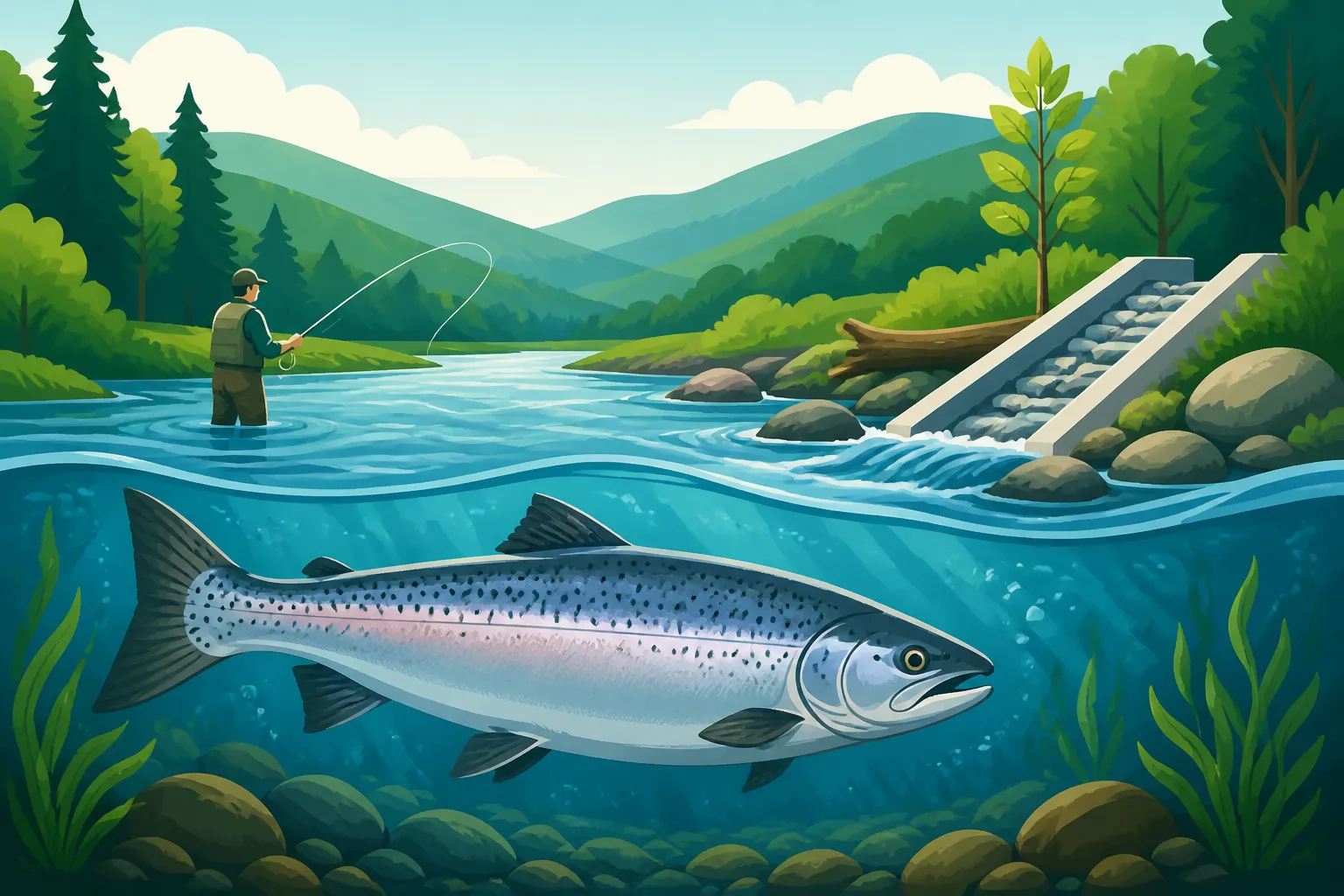
One of the most critical aspects of restoration is addressing the historical reason for the salmon's demise: the dams. This involves two main approaches: constructing fish passage facilities and, where feasible, dam removal. Fish ladders and fish lifts are engineered structures designed to help migrating fish bypass dams. The Holyoke Dam in Massachusetts, a major barrier downstream, famously employs a fish lift that physically transports fish over the dam.
However, these solutions aren't perfect. Fish ladders can be taxing on fish, and navigating multiple dams can deplete their energy reserves, making them more vulnerable to predators or less capable of successful spawning. The ultimate solution, where possible, is dam removal. Removing an old, obsolete dam not only opens up miles of habitat but also restores the river's natural flow and sediment transport, benefiting the entire ecosystem. It's a complex process involving engineering, environmental assessment, and community engagement, but the payoff in terms of ecological restoration can be immense. Such initiatives would open up more of the Best Fishing Rivers in Vermont for all species.
Hatchery Support and Stocking Programs
Since wild Atlantic salmon populations are no longer self-sustaining in the Connecticut River, hatchery programs play a crucial role. Millions of young salmon, called smolts, are raised in hatcheries and released into the Connecticut River system. The hope is that these hatchery-reared fish will "imprint" on the river's unique chemical signature, much like wild salmon, allowing them to find their way back after spending years in the ocean.
This stocking is a carefully managed process. Scientists monitor the survival rates of these smolts, track their migration, and analyze data from returning adults to assess the effectiveness of the program. While essential for kickstarting the population, the goal is always to reduce reliance on stocking as wild reproduction increases. Anglers who are passionate about conservation can even find educational resources on these programs, sometimes available through specialized books on Atlantic salmon ecology that you might find on Amazon.
The Unpredictable Ocean: Survival Challenges
Perhaps the most significant and frustrating challenge for Atlantic salmon restoration lies not in the river itself, but in the vast, unpredictable Atlantic Ocean. After migrating out to sea, these smolts face a gauntlet of threats, from shifting ocean currents and changes in food availability to predation from larger fish, marine mammals, and even commercial fishing (though Atlantic salmon fishing is strictly regulated in the U.S. and Canada, they can still be caught as bycatch).
Scientists have observed very low survival rates in the ocean, and the exact reasons are still being investigated. This "black box" of oceanic survival makes the restoration effort particularly challenging. Even if every effort is made to ensure optimal riverine habitat and successful downstream passage, factors far beyond human control can severely impact the number of returning adults. This highlights the complex, interconnected nature of ecosystems and the global scale of conservation challenges.
Vermont's Role in the Restoration
Vermont, as a headwater state for the Connecticut River, plays a crucial role. The state's section of the river and its pristine tributaries offer critical spawning and rearing habitat for juvenile salmon. Efforts by the Vermont Fish & Wildlife Department, often in collaboration with federal agencies and conservation groups, focus on improving habitat quality in these areas. This includes projects to stabilize riverbanks, plant native vegetation to provide shade and reduce erosion, and ensure that water quality remains high.
Anglers in Vermont should be aware that future success could mean seeing special management zones or regulations on certain tributaries that are identified as key salmon spawning grounds. These measures would be designed to protect the fragile young salmon and ensure they have the best possible chance to grow before their journey to the sea. Staying informed about Vermont Fishing Regulations Explained and engaging with local conservation efforts will be key for any angler hoping to witness the return of the King of Fish to Vermont's waters.
What it Means for Vermont Anglers and Beyond
The restoration of Atlantic salmon to the Connecticut River basin is a long-term endeavor, demanding patience and a deep understanding of ecological processes. For Vermont anglers, it carries both immediate implications and the promise of a truly extraordinary future.
A Glimmer of Hope: Future Fishing Opportunities
While the vision of widespread Atlantic salmon fishing in Vermont's portion of the Connecticut River is still a distant goal, the hope is what drives many. Imagine a day when, after decades of dedicated work, anglers might have the opportunity to legally pursue wild Atlantic salmon in the very waters where they once thrived. It would be a conservation success story unlike any other, offering a unique and challenging fishing experience that Vermont hasn't seen in centuries.
Such an opportunity would likely come with extremely strict regulations, possibly mandating catch-and-release only, specific gear requirements, or even limited seasons to protect the precious wild population. For those who enjoy the challenge and art of fly fishing, pursuing a strong, ocean-run Atlantic salmon would be the ultimate prize. Many anglers might begin preparing now by honing their skills in Fly Fishing for Trout in Vermont or investing in robust gear designed for powerful, migratory fish, which can often be found readily on Amazon.
Broader Conservation Ethic and Education
The Atlantic salmon restoration project serves as a powerful educational tool, teaching current and future generations about conservation, environmental stewardship, and the long-term impacts of human development. It highlights the importance of healthy rivers and oceans, fostering a broader conservation ethic among anglers and the general public.
This massive undertaking encourages anglers to think beyond their immediate catch and consider the entire ecosystem. Understanding the journey of a salmon from a small stream in Vermont to the vast ocean and back helps build appreciation for the interconnectedness of nature. This increased awareness might lead more people to support river cleanup initiatives, advocate for responsible land use, or simply spend more time appreciating the beauty and complexity of Vermont's waterways. Even something as simple as choosing the right Best Waders for Vermont Trout Streams shows respect for the river environment.
Economic and Recreational Benefits
While direct fishing opportunities for Atlantic salmon are still aspirational, the restoration efforts already bring tangible economic and recreational benefits to Vermont. Improved river health, vital for salmon, also enhances habitats for other popular species like smallmouth bass and various trout, indirectly boosting fishing tourism for those species. Anglers seeking these other species might utilize access points detailed in Connecticut River Fishing Access in Vermont.
Furthermore, the work involved in dam removal, fish ladder construction, and habitat improvement creates jobs and stimulates local economies. The aesthetic value of a healthier river system, free of defunct dams and bustling with diverse wildlife, also contributes to Vermont's appeal for ecotourism and outdoor recreation.
Looking Ahead: A Testament to Persistence
The journey to restore Atlantic salmon to the Connecticut River is a multi-generational commitment. It's a testament to the persistence of scientists, conservationists, state and federal agencies, and dedicated volunteers who believe that even the greatest ecological wrongs can, with immense effort, begin to be mended.
For Vermont anglers, it means that the Connecticut River, already a fantastic fishery for species like smallmouth bass (as explored in How to Catch Smallmouth Bass in Vermont Lakes) and various trout, holds the potential for something even grander. It's a reminder that our actions today have profound impacts on the environment for decades, even centuries, to come. The effort to bring back the King of Fish is a symbol of hope, a beacon for what dedicated conservation can achieve, and a promise that the roar of the ocean-run salmon might one day echo again in the cold, clear waters of Vermont's magnificent rivers.
The vision of Atlantic salmon returning to Vermont's waterways is a powerful one, inspiring continued efforts and reminding us that the natural world is resilient, given a chance. It's a challenging path, but one that holds the promise of an incredible future for fishing and conservation in the Green Mountain State.
Disclaimer
This article is for general informational purposes only and does not constitute professional advice. Laws, prices and regulations vary by location and change over time. Consult a qualified professional for guidance on your specific situation.