Vermont state record lake trout weight
It's incredibly exciting to think about the giants that swim in Vermont's deep, cold waters, and for many anglers, knowing the state record for a magnificent species like the lake trout is a true benchmark of what's possible. You're probably wondering just how massive a lake trout can get in the Green Mountain State, and what it took for an angler to land such a monumental fish. This guide is here to unravel the details of Vermont's state record lake trout, exploring the history, the fish, and the waters where such titans are found.
The Quest for Vermont's Lake Trout State Record
There's something almost mythical about a state record fish. It represents the pinnacle of a species' growth in a particular region, a testament to healthy waters, abundant forage, and, of course, a little bit of luck and a lot of skill from the angler. For Vermont, the lake trout record is a story of perseverance and the bountiful depths of its largest lake.
Unveiling the Current Record Holder
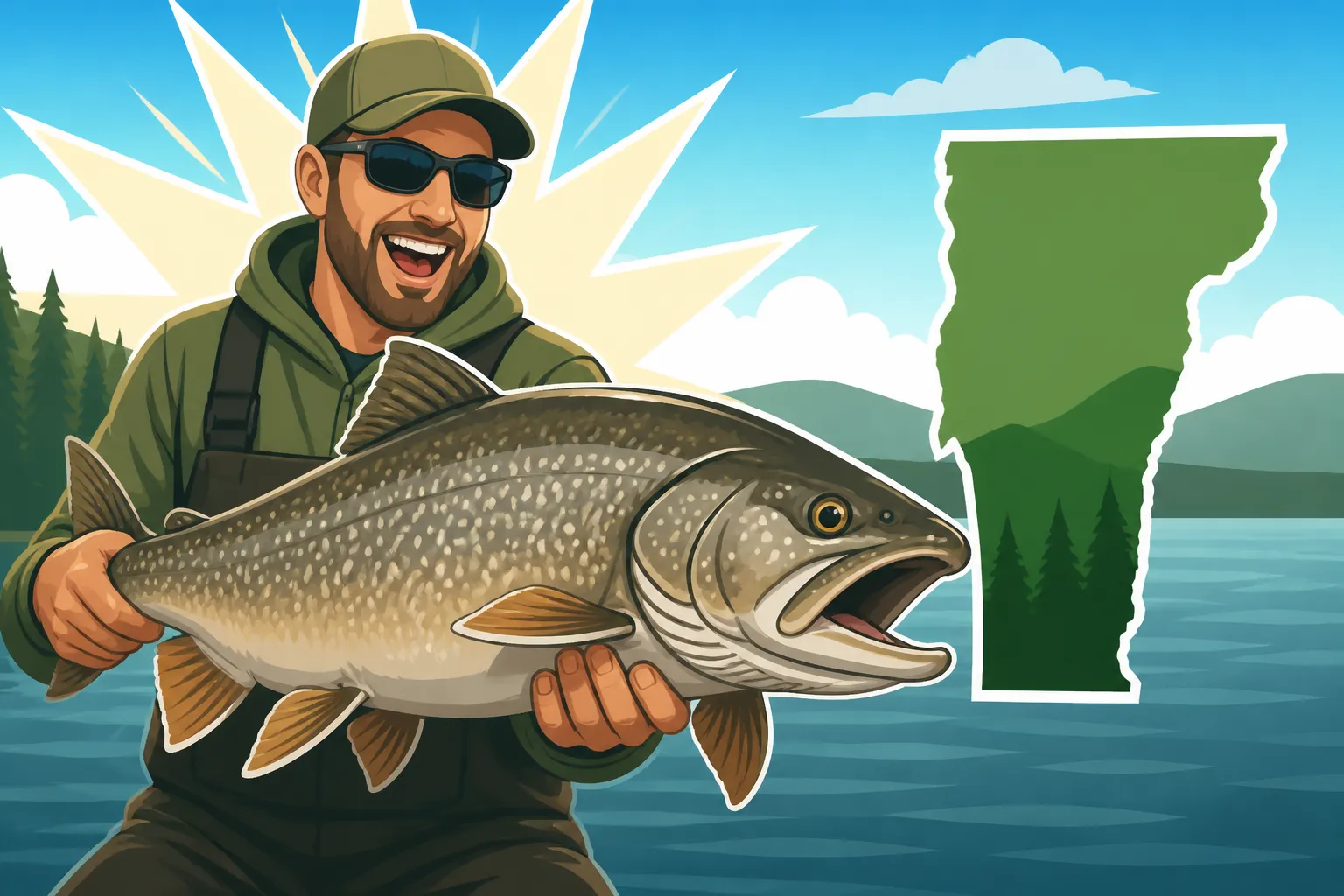
The official state record lake trout in Vermont is a truly spectacular fish. It weighed in at a whopping 19 pounds, 8 ounces. This incredible laker was caught by an angler named Bruce Goddard, and it was pulled from the legendary waters of Lake Champlain back in 1980. Think about that for a moment: nearly twenty pounds of pure muscle and cold-water power! It's a weight that has stood the test of time, an impressive benchmark that speaks volumes about the potential of Lake Champlain's deep, clear sections to grow truly enormous fish. Many anglers spend a lifetime chasing fish half that size, so to pull in a laker nearing 20 pounds is an achievement worthy of serious admiration.
The Significance of a State Record
A state record isn't just a number on a scale; it's a piece of fishing history. For Vermont, Bruce Goddard's 19-pound, 8-ounce lake trout has become the aspiration for countless anglers. It sets the bar, showing what kind of genetic potential and environmental conditions exist within a fishery. It also fuels the dreams of those who dedicate their time to learning the nuances of deepwater fishing. Every year, anglers head out with the hope of not just catching a big fish, but perhaps, just perhaps, breaking that long-standing record. It pushes techniques, encourages exploration, and fosters a deep respect for the incredible fish that call these waters home. Knowing that a fish of this caliber was caught in Vermont keeps the excitement alive for all who cast a line here.
How Records Are Verified
Catching a potential state record fish is one thing; getting it officially recognized is another. It's not as simple as just weighing it on your personal scale. For a fish to be certified as a state record, it typically involves a rigorous process with the Vermont Fish & Wildlife Department. First, the fish must be weighed on a certified scale, often at a post office, grocery store, or other official weighing station, witnessed by multiple individuals. The species must be positively identified by a Fish & Wildlife biologist, ensuring there's no confusion with other similar species. Length and girth measurements are usually taken, and photographs are crucial documentation. There are strict rules about how the fish must be caught (fair chase, legal methods) and often specific forms to fill out. This meticulous process ensures the integrity of the record book, so when you see that 19-pound, 8-ounce entry, you know it's legitimate.
Where Vermont's Record Lake Trout Lurk (and Why)
Lake trout, or "lakers" as they're affectionately known, are true cold-water specialists. Their habitat preferences are a major factor in where you'll find the biggest fish in Vermont.
Deep, Cold Waters: The Lake Trout's Sanctuary
Lake trout thrive in cold, oxygen-rich environments. This means they are often found in the deepest, coolest parts of large lakes, especially during the warmer months. These fish are perfectly adapted to cruising the thermocline and below, hunting for their preferred forage. In Vermont, this immediately points to our larger, deeper bodies of water. The sheer volume and depth of these lakes provide the stable, cold environment that allows lake trout to grow to impressive sizes. A deep lake isn't just a big pond; it's a complex ecosystem with varying temperatures and structures that create perfect niches for these apex predators. If you're looking for that trophy fish, you've got to think deep and cold. For an in-depth look at where these giants are often found, check out our guide on Lake Champlain Lake Trout Fishing.
Trophy Waters Known for Big Lakers
While Bruce Goddard's record came from Lake Champlain, it's not the only spot in Vermont known for harboring substantial lake trout. Lake Champlain, being the largest body of freshwater in Vermont, offers vast expanses of prime lake trout habitat. Its immense depth, particularly in the northern and central sections, provides a consistent cold-water refuge. You'll find anglers targeting lakers throughout the year here, using various techniques depending on the season. Beyond Lake Champlain, other deep, clear lakes like Lake Willoughby in the Northeast Kingdom are also famous for their lake trout populations, as well as landlocked salmon. Lake Willoughby, with its almost fjord-like depths, offers another incredible opportunity to connect with these powerful fish. While the record may be in Champlain, many anglers consider Willoughby a truly special place for trophy trout. Dive deeper into this northern gem with our Lake Willoughby Fishing Guide. Other lakes, though perhaps not yielding state record contenders, still produce very respectable lake trout, making many deep Vermont waters worth exploring.
The Role of Forage and Genetics
What makes a fish grow to record size? It's a combination of factors, but two major ones are undoubtedly food and good genes. Lake trout are opportunistic predators, and in Vermont's trophy waters, they have an abundant supply of high-quality forage fish. Think about species like Rainbow Smelt as Forage Fish in Vermont Lakes, which provide a rich, fatty diet that allows lake trout to pack on weight quickly and efficiently. Lakes with thriving smelt populations often boast healthier, larger lake trout. Beyond forage, the genetics of the lake trout population play a crucial role. Some strains of fish simply have the genetic predisposition to grow larger and live longer. Favorable environmental conditions, low fishing pressure on older, larger fish, and a stable food supply all contribute to a lake trout reaching its maximum potential, eventually leading to those truly massive specimens that become state records.
Pursuing Your Own Personal Best Lake Trout in Vermont
While breaking a state record is a monumental task, catching a personal best lake trout is an achievable and incredibly rewarding goal. It all starts with the right approach and the right gear.
Essential Gear for Deepwater Lakers
Targeting deepwater lake trout requires specialized tackle that can handle the depths and the fight of a powerful fish. Here’s a breakdown of what you’ll likely need:
- Rods & Reels: You'll want sturdy trolling rods, often 7-9 feet long, with a medium-heavy to heavy action, paired with robust baitcasting or conventional reels. These reels need good line capacity for getting lures down deep and handling powerful runs. For jigging, a sensitive but strong spinning or baitcasting rod, typically 6-7 feet, with a fast action, will serve you well.
- Line: Braided line is popular for its strength and minimal stretch, allowing for better feel at depth. Many anglers will add a fluorocarbon leader for abrasion resistance and invisibility. For extreme depths, lead core or copper line systems are often employed for trolling, allowing lures to reach significant depths without the use of heavy weights.
- Lures & Baits: Large spoons, stickbaits, and soft plastics are go-to choices for trolling. For jigging, heavy bucktail jigs, vertical spoons, or even tube jigs can be incredibly effective when dropped right to the fish. Live bait, particularly minnows or smelt imitations, can also be deadly. You can find a vast array of these specialized items and more general Best Gear for Vermont Trout Fishing accessories on Amazon or at local tackle shops, ensuring you're ready for deepwater battles.
- Electronics: A good fish finder is almost non-negotiable for lake trout fishing. It helps locate structure, bait balls, and, most importantly, the fish themselves at precise depths. Downriggers are also commonly used for consistently presenting lures at specific depths while trolling.
Techniques for Targeting Trophy Lake Trout
Lake trout fishing is often a game of depth and precision.
- Trolling: This is arguably the most popular method for lakers. Using downriggers, lead core, or dipsy divers, anglers drag spoons, stickbaits, or large flies at specific depths where lake trout are holding. The key is to match the lure size and presentation to the forage base. Varying speeds and depths until you find what the fish are reacting to is crucial. Pay attention to structure like underwater points, humps, and drop-offs, as these are often lake trout magnets. Consider reviewing Trolling Techniques for Vermont Lake Trout for more in-depth strategies.
- Jigging: When lake trout are concentrated in specific areas, vertical jigging can be incredibly effective. Anglers drop heavy jigs or spoons directly over fish marked on their sonar. The retrieve can vary from aggressive lifts and drops to subtle bounces, mimicking a wounded baitfish. This technique is particularly effective through the ice or when fish are suspended over deep structure. If you’re fishing in the heart of summer, exploring Best Techniques for Deep Water Summer Lake Trout might give you an edge.
- Still Fishing/Bait Fishing: While less common for active trophy hunting, setting up with live bait (where legal) near deep structure can also entice a laker. This often involves weighted rigs to get the bait down and waiting patiently.
Respecting the Resource: Catch and Release for Giants
While some anglers keep lake trout for the table, many of the largest, oldest fish are vital for the health of the fishery. These trophy fish have often contributed significantly to spawning populations over many years. Practicing responsible catch and release, especially for these giants, helps ensure that the future generations of Vermont anglers can also experience the thrill of a big laker. Using appropriate landing nets, minimizing handling time, and reviving fish properly are all critical components of ethical angling. If you're targeting truly large fish, consider swapping out treble hooks for single, barbless hooks to make release easier and less stressful on the fish.
Beyond the Record: Understanding Lake Trout in Vermont
Understanding the biology and ecology of lake trout adds another layer of appreciation to fishing for them in Vermont. They're an important part of the state's coldwater ecosystems.
Lake Trout Life History in Vermont
Lake trout are slow-growing and long-lived fish, which is why those record-breakers are such a big deal. They can live for many years, sometimes decades, continually growing in size as long as food is plentiful and conditions are favorable. They reach sexual maturity relatively late compared to other trout species. This long lifespan means they spend a significant portion of their lives in the deep, cold waters, slowly accumulating the mass that makes them formidable predators and impressive catches. Learning about How long lake trout live in Vermont can provide a fascinating insight into their resilience. The average size of lake trout you'll encounter in Vermont waters is, of course, much smaller than the state record, but even a 5-pound laker puts up an incredible fight. Knowing the Lake Trout Average Size in Vermont Lakes can help manage expectations and celebrate even the "average" big fish.
Conservation Efforts for Vermont's Lake Trout
The health of Vermont's lake trout populations is closely monitored and managed by the Vermont Fish & Wildlife Department. These efforts include regular surveys to assess population numbers, growth rates, and overall health. Stocking programs are implemented in some lakes to supplement natural reproduction or introduce fish where populations have declined. Regulations, such as creel limits, minimum length limits, and season dates, are carefully set to ensure sustainable fishing pressure and protect the spawning stock. Protecting water quality and managing invasive species are also crucial, as lake trout are highly sensitive to changes in their environment. Anglers play a vital role in these conservation efforts by following regulations, practicing ethical catch-and-release, and reporting any concerns to the authorities. These combined efforts aim to ensure that Vermont continues to offer fantastic lake trout fishing for generations to come.
| Characteristic | Vermont State Record Lake Trout | Average Large Lake Trout (Vermont) | General Lake Trout Characteristics |
|---|---|---|---|
| Weight | 19 lbs, 8 oz | 5 – 10 lbs | Can exceed 50 lbs in some regions |
| Length | Not officially listed, but substantial | 25 – 30 inches | Can exceed 40 inches |
| Location Caught | Lake Champlain | Deep, cold lakes like Champlain, Willoughby | Deep, cold, oxygenated lakes |
| Date Caught | 1980 | Ongoing | Native to cold regions of North America |
| Primary Diet | Smelt, other baitfish | Smelt, smaller fish | Forage fish, crustaceans, insects |
| Preferred Depth | Deep, cold waters (thermocline & below) | Deep, cold waters | Coldest parts of the water column |
| Lifespan | Many years, potentially decades | 10-20 years typically | Can live up to 50 years |
Disclaimer
This article is for general informational purposes only and does not constitute professional advice. Laws, prices and regulations vary by location and change over time. Consult a qualified professional for guidance on your specific situation.