Landlocked Salmon Growth Rate to Trophy Size
It's a common dream for anglers casting lines in Vermont's pristine waters: the thrill of hooking into a truly massive landlocked salmon. But for many, the journey from catching a smaller fish to landing that elusive "trophy" can feel like a mystery, leaving you wondering how long it actually takes for these magnificent fish to reach impressive sizes. This guide is dedicated to pulling back the curtain on the growth rates of landlocked salmon in Vermont, helping you understand what influences their development and how you might increase your chances of encountering a truly memorable catch.
Understanding Landlocked Salmon in Vermont Waters
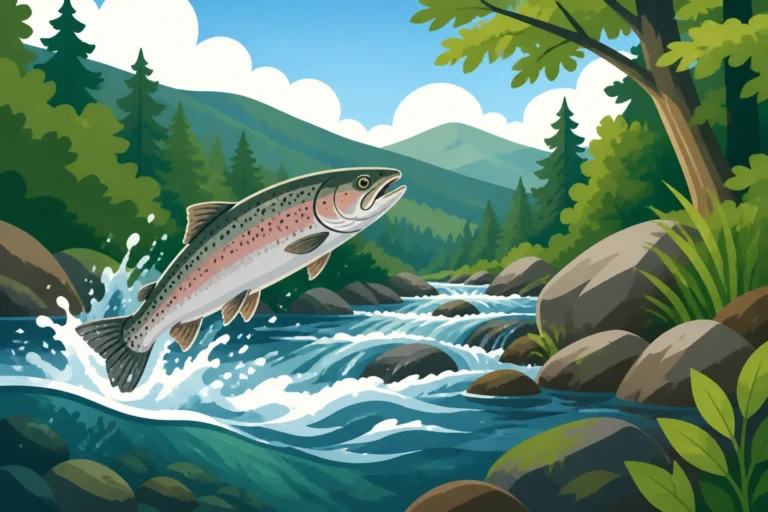
Landlocked salmon, often referred to by their scientific name Salmo salar or simply "salmon" by local anglers, are a prized game fish in Vermont. Unlike their anadromous relatives that migrate to the ocean, these fish spend their entire lives within freshwater lake systems. Vermont's cold, clear lakes and their tributary rivers provide the perfect habitat for these powerful, acrobatic fish, making them a top target for many. However, their growth isn't a linear, predictable path; it's a complex interplay of genetics, environment, and, most critically, food availability.
The sheer excitement of chasing these fish is a big part of the Vermont fishing experience. From the first silver flash of a small juvenile to the powerful runs of a fully mature adult, every stage has its charm. But if you're like me, you probably envision that big one—the one that really tests your tackle and your patience. Understanding their life cycle and the environmental factors at play is the first step toward appreciating the incredible journey each salmon takes to become the fish of a lifetime. It's not just about what lure to throw, but understanding the life beneath the surface. For a broader overview of the species, you can check out Landlocked Salmon Fishing in Vermont.
The Vermont Landlocked Salmon Journey from Smolt to Spawner
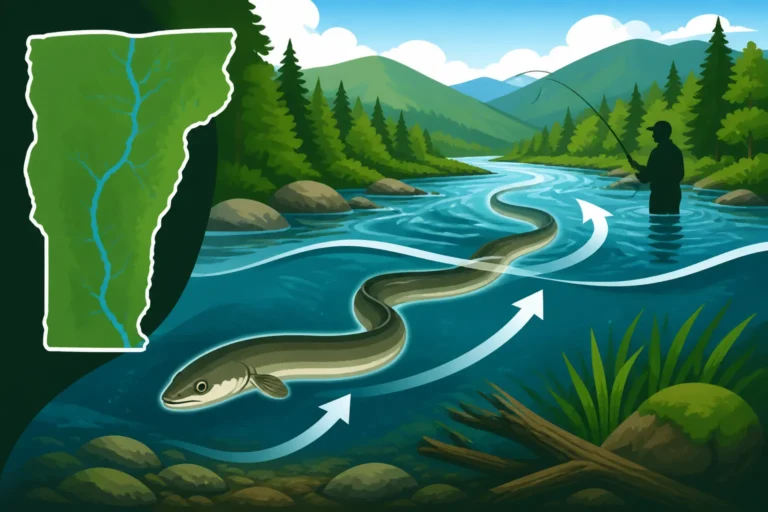
The life of a landlocked salmon in Vermont begins in the cold, oxygen-rich gravel beds of tributary rivers, typically in the fall or early winter when eggs are laid. After hatching in the spring, the tiny fry emerge, spending their initial months in the nursery streams. They are vulnerable at this stage, feeding on insects and growing slowly. As they mature into parr, they develop distinctive vertical bar markings for camouflage in the stream environment. This stream dwelling period can last anywhere from one to three years, depending on stream conditions and food supply. The longer they stay in the stream, the more energy they expend simply surviving, which can slightly delay their overall growth trajectory once they hit the lake.
Once they reach a certain size, typically around 5 to 7 inches, they undergo a physiological transformation known as smoltification. This is a critical stage where their bodies adapt from freshwater to the open lake environment. Their parr markings fade, and they develop a silvery sheen, preparing them for a predatory life in the vastness of the lake. These smolts then migrate downstream into their lake homes, where a whole new world of opportunity and challenge awaits. This transition is fascinating and crucial to their development into the powerful fish we all hope to catch. It’s a testament to nature’s design, allowing them to exploit different environments as they mature. You can delve deeper into their fascinating journey by reading Landlocked Salmon Life Cycle in Vermont Lakes.
Key Factors Influencing Growth Rates
Several crucial elements dictate how quickly a landlocked salmon will grow in Vermont's lakes. The most significant of these is the availability and quality of their primary forage base. In Vermont, this often means rainbow smelt. If a lake has a healthy, abundant smelt population, salmon have a consistent, high-protein food source, allowing them to pack on weight rapidly. Conversely, if smelt populations are low or stressed, salmon growth can be stunted, leading to smaller average sizes for their age. It's a classic predator-prey dynamic, and the health of the smelt population directly reflects on the salmon.
Beyond food, water temperature plays a vital role. Landlocked salmon are coldwater fish, thriving in temperatures generally below 65 degrees Fahrenheit. Lakes that maintain cooler, well-oxygenated deep water throughout the summer provide optimal conditions for salmon to feed actively and grow. Warmer lakes or periods of prolonged heat can stress the fish, forcing them into deeper, colder refuges where food might be less accessible, or simply slowing their metabolism and feeding drive. Genetic factors also contribute, with some individual fish or strains naturally programmed for faster growth or larger ultimate size. Finally, the lake's overall ecosystem health, including water quality and habitat structure, provides the foundational support for a thriving salmon population and impressive growth.
The Typical Growth Trajectory of Vermont Landlocked Salmon
When you're out on the water, whether it's Lake Willoughby or Seymour Lake, you might hook into a salmon of any size. It's natural to wonder how old that fish might be. While there's no single perfect answer, as growth rates vary by lake and year, we can outline a general trajectory. Most anglers are familiar with the vibrant fighting spirit of these fish, even the smaller ones, but the true prize often lies in understanding the patience required for them to reach their full potential.
It’s easy to get frustrated if you’re consistently catching smaller fish, especially when you know there are giants lurking in the depths. But every fish, regardless of size, offers a clue to the lake’s health and the ongoing cycle of life. Remembering that each fish is a product of its environment helps put the occasional slower day into perspective. And with good fortune and a little skill, you just might intercept one of those older, heavier salmon that have been growing for years.
Year-by-Year Growth Expectations
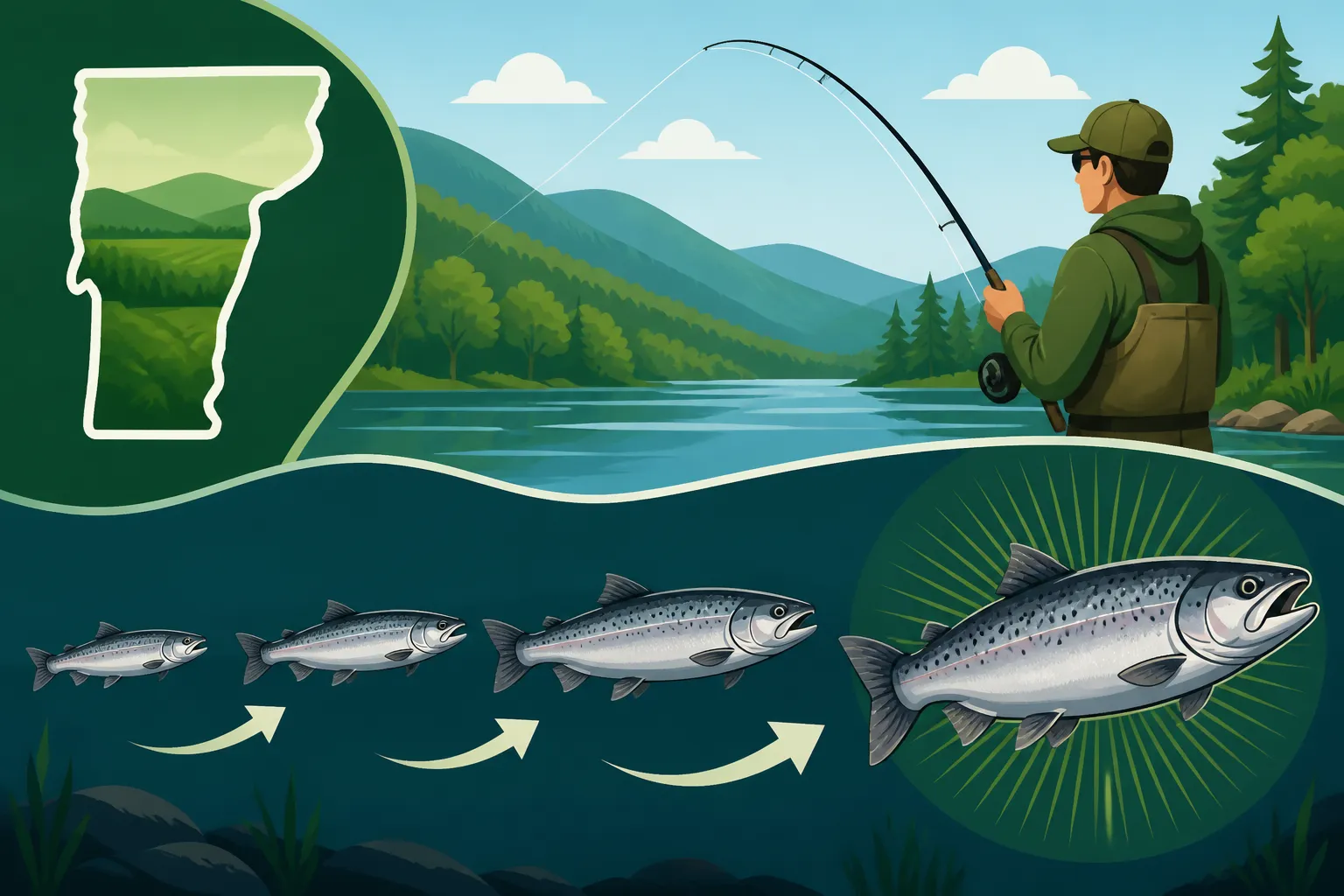
Generally, after their smoltification and migration to the lake, landlocked salmon experience a period of rapid growth. In their first year in the lake (often their second or third year of life overall, including stream time), they can quickly put on several inches, taking advantage of the rich forage. By the end of their second year in the lake, they might be anywhere from 16 to 20 inches, showing good girth and developing that powerful, torpedo-like shape.
As they age, their growth rate, while still substantial, might slow slightly in terms of length gained, but they continue to pack on significant weight. A three-year-old lake-dwelling salmon might be in the 20-24 inch range, becoming a formidable adversary. Fish four years and older are where you start to see the true "trophy" potential, reaching lengths of 25 inches and beyond, often pushing weights into the upper single digits or even double digits. Keep in mind these are averages, and a particularly abundant food year or a genetically superior fish can always surprise you.
To give you a clearer picture, here's a general table outlining the approximate growth for landlocked salmon in a typical healthy Vermont lake:
| Age (Years) | Approximate Length (Inches) | Approximate Weight (Pounds) | Notes |
|---|---|---|---|
| 1 | 6-12 | <1 | Stream-dwelling parr/early smolt |
| 2 | 12-16 | 1-2 | First year in lake, rapid growth |
| 3 | 16-20 | 2-4 | Good fighting size, maturing |
| 4 | 20-24 | 4-7 | Entering "trophy" range for many anglers |
| 5 | 24-28 | 7-10+ | True trophy potential, significant weight gains |
| 6+ | 28+ | 10+ | Rare, exceptional trophy fish |
This table provides a general guide, but remember, every lake is different. A fish from Lake Willoughby Landlocked Salmon Fishing might show different growth rates than one from, say, Seymour Lake, depending on factors like smelt populations and fishing pressure.
How Forage Availability Impacts Size
The old adage "you are what you eat" holds especially true for landlocked salmon. Their primary diet consists overwhelmingly of rainbow smelt, a small, silvery fish that congregates in schools in the open waters of Vermont's deep, cold lakes. When smelt populations are booming, salmon have an "all-you-can-eat buffet," and their growth is phenomenal. They can put on weight quickly, developing thick shoulders and impressive girth. This is when you'll see more fish pushing the upper limits of their age class in terms of both length and weight.
However, if a lake experiences a decline in its smelt population—due to environmental factors, over-predation, or even disease—the salmon fishery feels the pinch almost immediately. Salmon will grow slower, appear leaner, and the average size for a given age class will decrease. They might also switch to alternative, less efficient food sources, further impacting their growth. This is why fisheries biologists carefully monitor smelt populations; they are the backbone of a robust landlocked salmon fishery. Anglers hoping to catch bigger fish often seek out lakes known for strong smelt numbers. You can find more information about understanding the forage base by exploring topics like What smelt runs look like in early spring on Vermont rivers.
What Defines a "Trophy Size" Landlocked Salmon in Vermont?
The term "trophy" can be subjective. For a brand new angler, a 2-pound salmon might feel like a trophy. For a seasoned veteran, it might take a double-digit fish to truly earn that title. In Vermont, given the quality of our lakes and the potential for these fish to grow large, a "trophy" landlocked salmon usually means a fish that stands out significantly from the average catch. It's not just about raw numbers; it's about the effort, the fight, and the sheer majesty of the fish itself.
When you spend countless hours on the water, investing in specialized gear from places like Amazon, and learning the nuances of a specific lake, every fish is special. But there's a certain feeling you get when a truly big one hits. That's the moment the concept of "trophy" crystallizes. It’s the fish that makes you double-check your knots, re-evaluate your drag setting, and recount the story for years to come.
Beyond Just Length and Weight: The Angler's Perspective
While length and weight are the most common metrics for defining a trophy, the true "trophy" status for many anglers goes beyond simple measurements. A trophy salmon might be a fish caught on a specific, challenging technique, or one that fought with unparalleled ferocity. It could be a salmon landed in exceptionally tough conditions, or the culmination of years of effort on a particular body of water. Perhaps it’s a fish that shows remarkable coloration, or one with a perfectly unblemished fin, indicating a wild-born specimen.
The memory associated with the catch often elevates a fish to trophy status more than its raw size. The way it hit the lure, the spectacular jumps, the stubborn deep runs, and the nerve-wracking moments boat-side—these are the elements that etch a fish into an angler's memory. It’s the story, the connection to the wild, and the challenge overcome that truly define the personal trophy. For some, simply seeing a big salmon follow their lure to the boat can be a moment of awe, inspiring them to return again and again.
Factors Contributing to True Trophy Potential
For a landlocked salmon to reach true trophy potential in terms of size, it needs a combination of ideal conditions. First and foremost, a long lifespan is crucial. Fish that survive multiple seasons, avoiding predators (including anglers), disease, and harsh environmental conditions, have the opportunity to grow large. This survival is significantly enhanced in lakes with stable, healthy ecosystems. Secondly, an abundant and consistent supply of high-quality forage, primarily smelt, is non-negotiable. These fish need a rich diet to fuel their growth.
Third, genetics play a role. Some individual salmon are simply predisposed to grow larger and faster than others. Finally, access to suitable habitat throughout their lives, including cold, oxygenated deep water in summer and clean, gravelly spawning tributaries in the fall, is vital. When all these factors align, a salmon can truly thrive, reaching impressive dimensions that make it a genuine trophy in anyone's book. Understanding these dynamics helps us appreciate the delicate balance of nature required to produce such magnificent fish.
How Anglers Can Target Larger Landlocked Salmon
If your goal is to specifically target those bigger, older landlocked salmon, you need to adjust your approach. It's not just about casting and hoping; it's about understanding the habits of mature fish, refining your techniques, and using appropriate gear. These larger fish are often wiser, more cautious, and generally inhabit different parts of the lake than their smaller counterparts. Patience, as always, is a virtue in fishing, but especially when hunting for trophies.
It’s often a waiting game, and sometimes the biggest fish come when you least expect them. But by strategically planning your outings and employing targeted methods, you can certainly improve your odds. Sometimes, even the smallest detail, like the specific color of a lure or the precise depth you’re trolling, can make all the difference. Remember, knowledge is power on the water, and understanding what makes big salmon tick will be your greatest asset.
Fishing Techniques and Gear for Mature Salmon
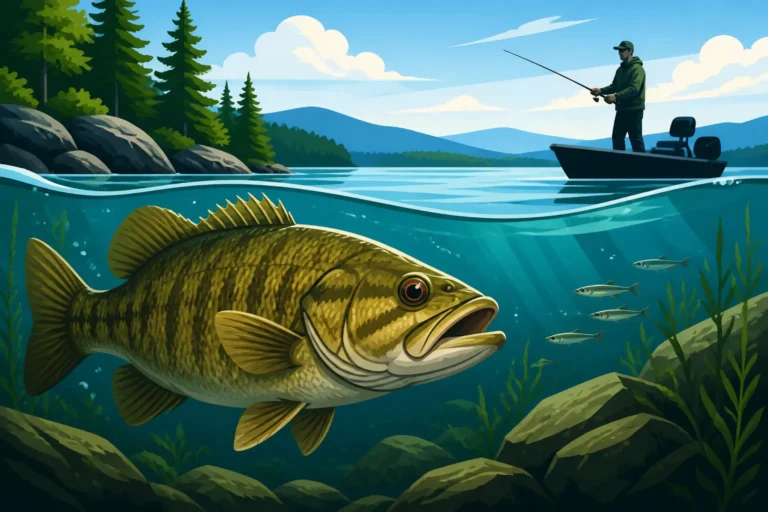
Targeting mature landlocked salmon often involves trolling, especially in the larger, deeper lakes like Lake Champlain or Lake Willoughby. These larger fish often cruise deeper, open water, feeding on schools of smelt. Employing downriggers or lead core line allows you to present your lures at precise depths where these big fish are feeding. Long rods with moderate action, capable of handling powerful runs and absorbing head shakes, are essential. Look for specialized trolling rods available from retailers like Amazon that are designed for this kind of battle.
When it comes to lures, mature salmon tend to favor larger baitfish imitations. Spoons, stickbaits, and even larger streamer flies, often mimicking smelt, are highly effective. Colors that imitate natural forage, such as silver, blue, green, or perch patterns, are typically good choices. Using fluorocarbon leaders, which are nearly invisible underwater, can also be critical for wary, older fish. Make sure your hooks are sharp and strong enough to withstand the immense power of a large salmon. For more specific techniques, you might want to look at Trolling Techniques for Vermont Lake Trout, as many tactics overlap, or How to rig smelt for landlocked salmon trolling if you prefer natural bait.
Your gear choice is paramount. A good quality reel with a smooth drag system and ample line capacity is non-negotiable. You’ll want to spool up with a strong main line, often braided, with a long monofilament or fluorocarbon leader to handle the shock of a strike and provide invisibility. Think about items like robust landing nets with rubberized mesh to protect the fish if you plan to release it. Many anglers find themselves spending hours researching the best gear, and online retailers like Amazon make it easy to compare options and read reviews from fellow anglers before making a purchase.
Best Times and Locations for Trophy Hunts
Finding trophy landlocked salmon often means focusing on lakes known for their consistently large fish, such as Lake Willoughby, Seymour Lake, and parts of Lake Champlain. These lakes offer the deep, cold, oxygen-rich waters and abundant smelt populations that big salmon require. Early spring, just after ice-out, is often considered one of the best times. At this point, salmon are often still found near the surface or in shallower waters, making them more accessible before they retreat to the thermocline as summer progresses. Best Time of Day to Catch Landlocked Salmon can offer further insights.
During the summer, targeting the thermocline—the depth layer where cold and warm water meet—is key. This is where smelt often congregate, and where salmon will feed. Using a good fish finder is invaluable for locating these bait balls and the salmon holding nearby. Fall, as water temperatures cool and salmon begin to stage for their spawning runs, can also be productive. Look for concentrated areas where tributaries enter the lake, especially if When landlocked salmon run up Vermont tributaries is a known event in that particular lake system. These are areas where fish, including some of the largest, will gather before heading upstream to spawn.
Conservation and Sustainable Practices for Trophy Salmon
Chasing trophy landlocked salmon is an incredible experience, but it comes with a responsibility to protect these magnificent fish and the fisheries that support them. Sustainable angling practices are not just good etiquette; they are essential for ensuring that future generations of anglers can also experience the thrill of a lifetime catch. Vermont's Fish & Wildlife Department works tirelessly to manage these fisheries, and anglers play a crucial role in supporting these efforts through their actions on the water.
It's about more than just personal gratification; it's about stewardship. We all want to see these incredible fish thrive, and that means making choices that prioritize their long-term health. Every decision, from how you handle a fish to whether you keep it, impacts the overall health of the salmon population. For more details on rules and regulations, it's always smart to consult the official Vermont Fish & Wildlife Department guidelines.
The Importance of Catch and Release for Large Fish
Catch and release is a cornerstone of responsible trophy fishing, especially for species like landlocked salmon that can take many years to reach impressive sizes. A large, mature salmon has proven its ability to survive, navigate its environment, and contribute significantly to the gene pool. Releasing these fish allows them to continue their life cycle, potentially spawning again and passing on their strong genetics to the next generation. It also means they can be caught again by another lucky angler, providing an experience that can be shared.
When practicing catch and release, proper handling is paramount. Minimize the time the fish is out of the water, use wet hands when touching it, and avoid touching its gills or eyes. A large, knotless, rubberized landing net is ideal for safely subduing the fish and keeping it in the water while you remove the hook. Tools like hook removers or long-nosed pliers, which can be easily ordered from Amazon, are essential for quick and clean unhooking. Gently revive the fish, holding it upright in the water until it swims away strongly. For insights on appropriate gear for this, refer to Best landing net mesh for catch and release.
Supporting Vermont's Landlocked Salmon Fisheries
Beyond individual catch and release practices, supporting Vermont's landlocked salmon fisheries involves broader participation and awareness. Purchasing your fishing license and any necessary permits directly contributes to the funding of conservation programs, fish stocking efforts, and habitat restoration projects. These funds are vital for maintaining the health of the lakes and rivers that salmon call home.
Anglers can also get involved by reporting illegal fishing activities, participating in volunteer habitat cleanup days, or joining local fishing clubs that advocate for conservation. Staying informed about regulations and respecting bag and possession limits, even when not targeting trophies, helps manage fish populations sustainably. By being active and responsible members of the angling community, we ensure that the legacy of chasing big, beautiful landlocked salmon in Vermont continues for generations to come.
Disclaimer
This article is for general informational purposes only and does not constitute professional advice. Laws, prices and regulations vary by location and change over time. Consult a qualified professional for guidance on your specific situation.