Where brook trout still live wild in Vermont
Vermont wild brook trout habitats, cold water requirements, and physical characteristics that distinguish native fish from stocked ones.
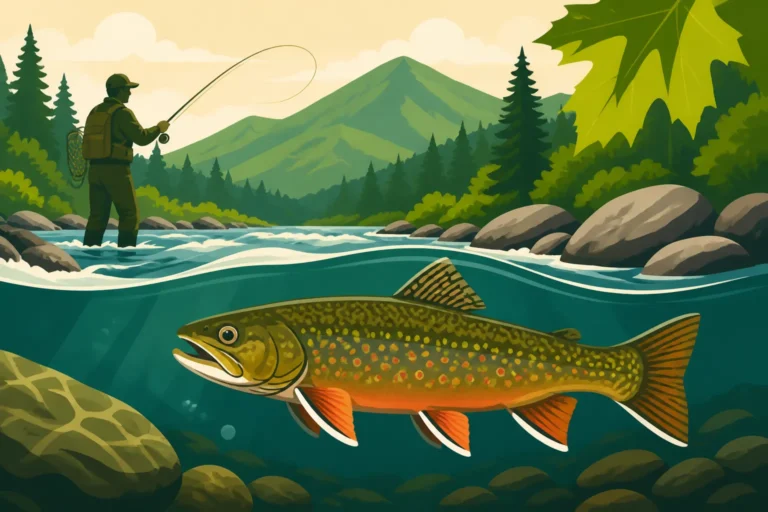
Vermont wild brook trout habitats, cold water requirements, and physical characteristics that distinguish native fish from stocked ones.
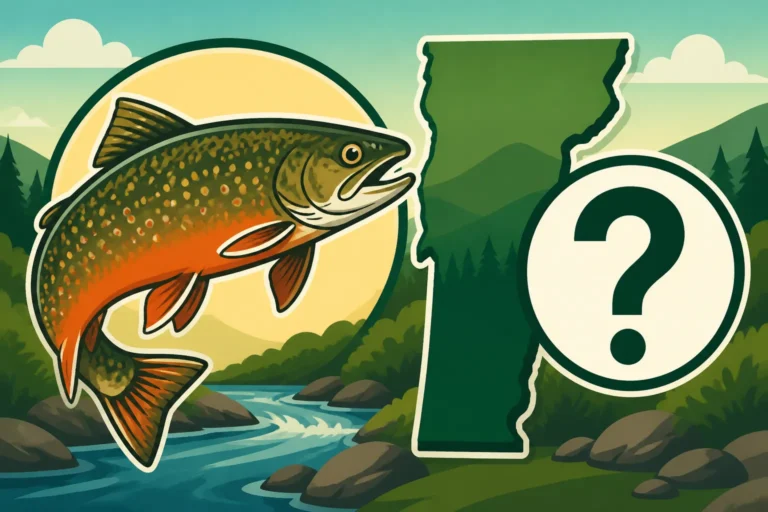
The brook trout holds a beloved unofficial status as Vermont state fish, though the legislature has not made it official.
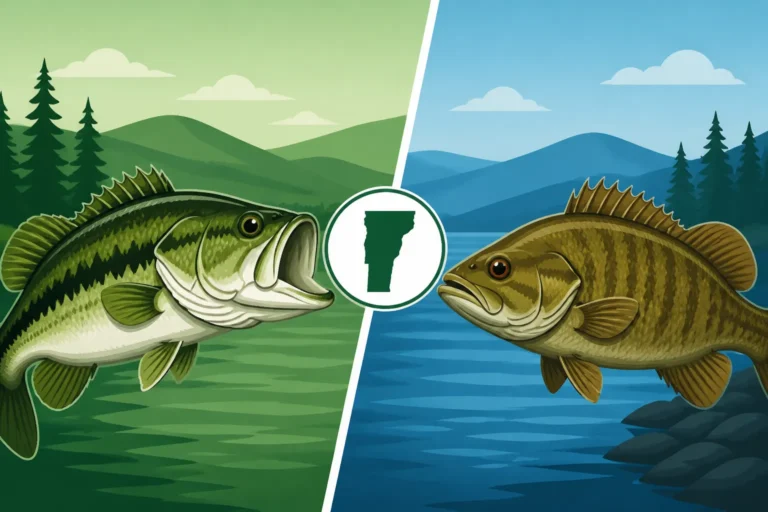
Vermont anglers learn visual cues to identify largemouth and smallmouth bass species for legal compliance and better fishing.
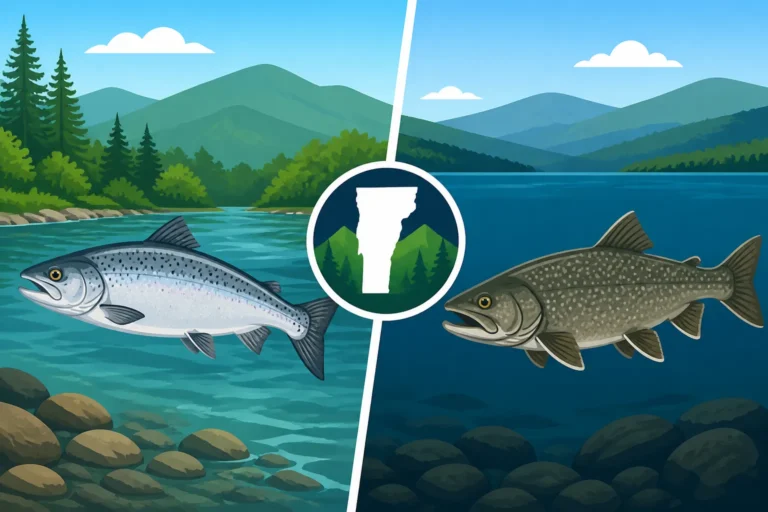
Landlocked salmon and lake trout identification features, including body shapes and spotting patterns for Vermont anglers.
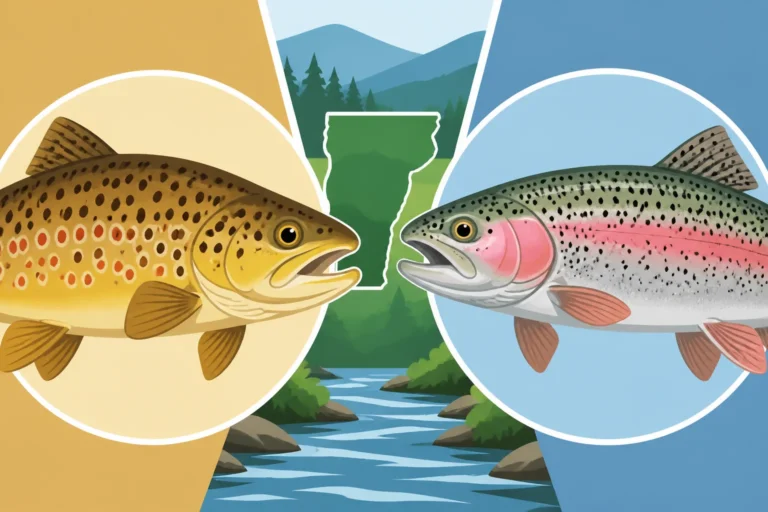
Brown trout features such as coloration, spot patterns, and tail markings help anglers distinguish them from rainbow trout.
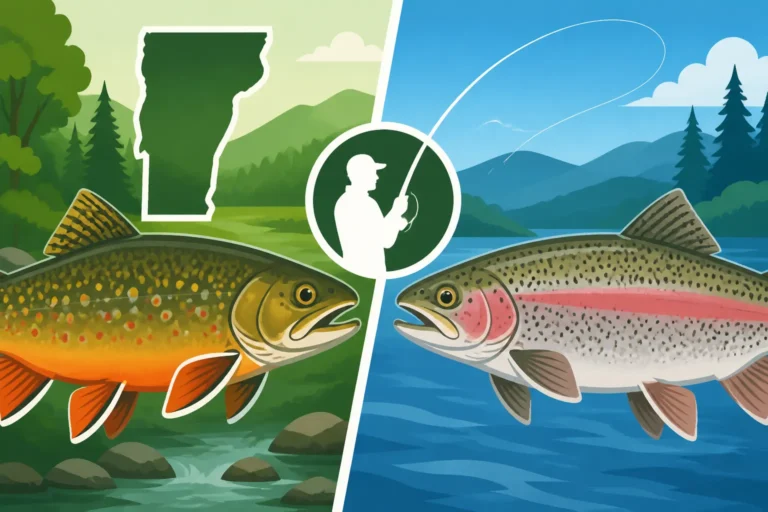
Brook trout and rainbow trout identification tips help Vermont anglers follow regulations and protect local stream ecosystems.
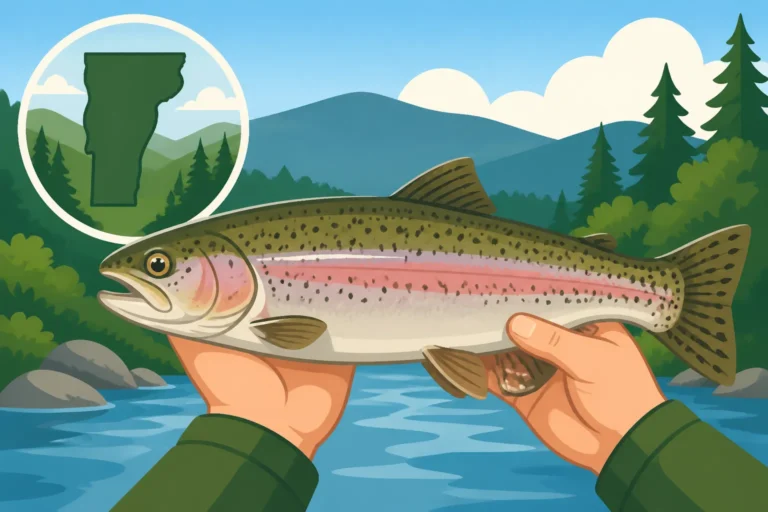
Stocked trout in Vermont waters typically measure seven to twelve inches long, while surviving holdover trout reach sixteen inches.
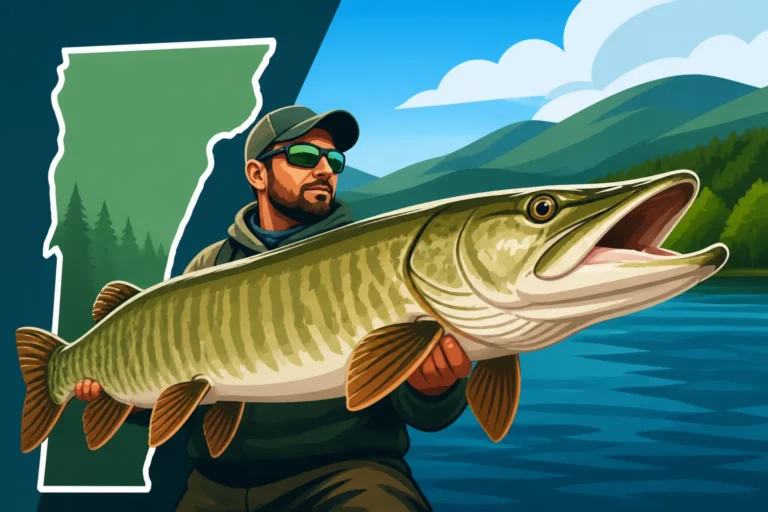
Lake Memphremagog muskellunge sizes, ranging from thirty-inch catches to fifty-five-inch giants, and environmental factors fueling growth.
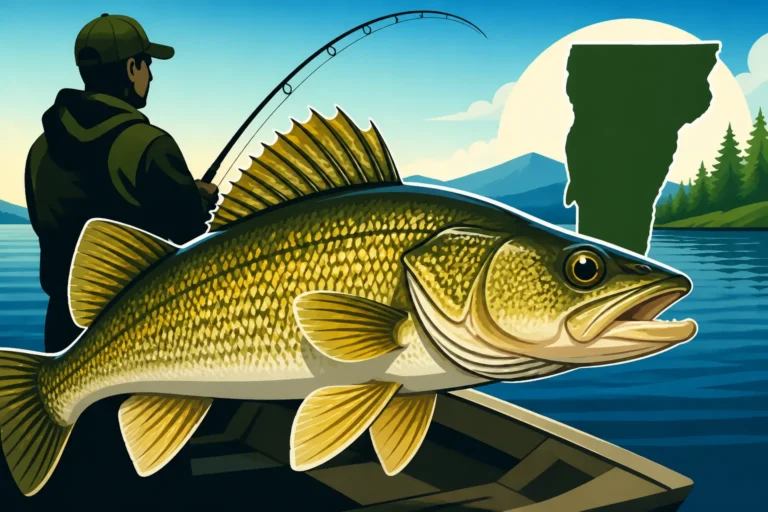
Lake Champlain walleye typically measure fifteen to twenty inches and weigh between one and three pounds, with larger trophy fish possible.
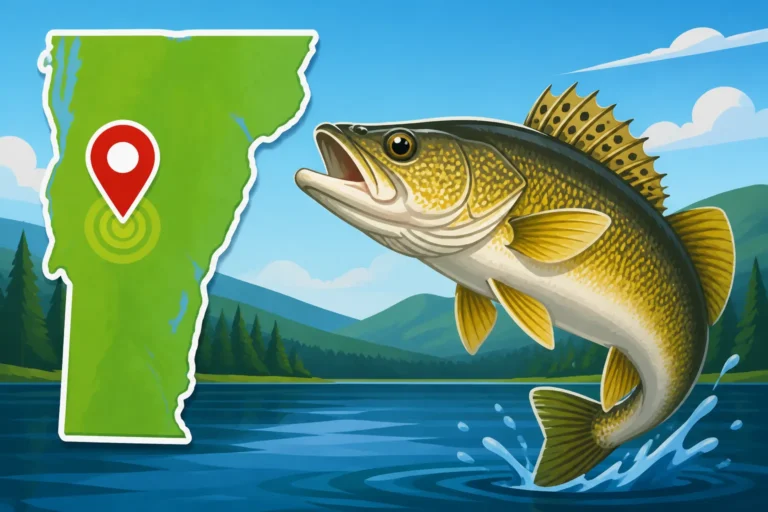
The official Vermont state record walleye was caught in Lake Champlain, a massive ecosystem supporting giant trophy fish.