Splake Stocking in Vermont Lakes
Vermont lakes stocking programs explain hybrid splake trout biology, identifying traits, and reasons for creating these sterile fish.
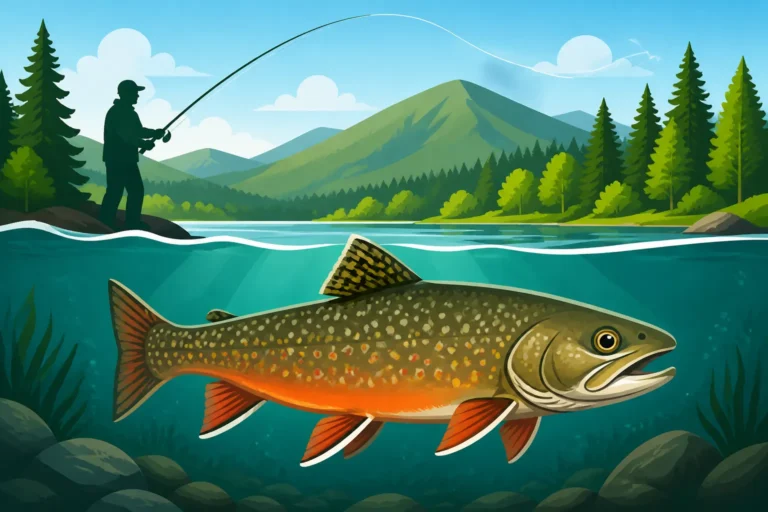
Vermont lakes stocking programs explain hybrid splake trout biology, identifying traits, and reasons for creating these sterile fish.
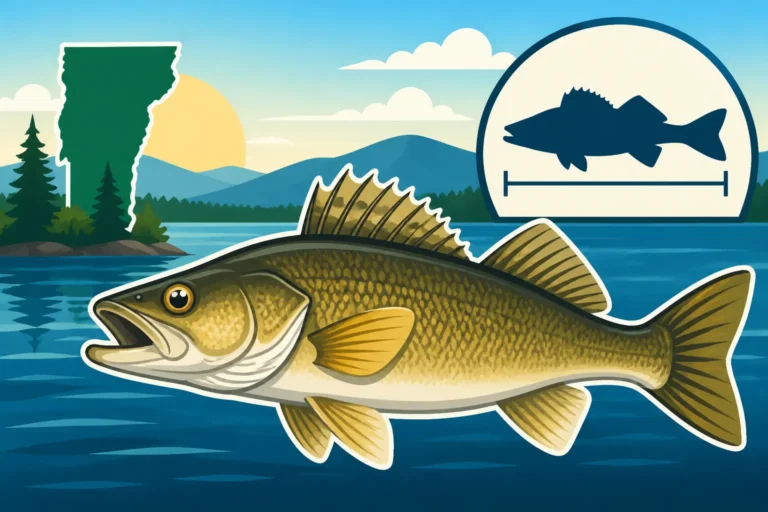
Walleye size on Lake Champlain ranges from six to eight inches in the first year to older fish in their teens or twenties.
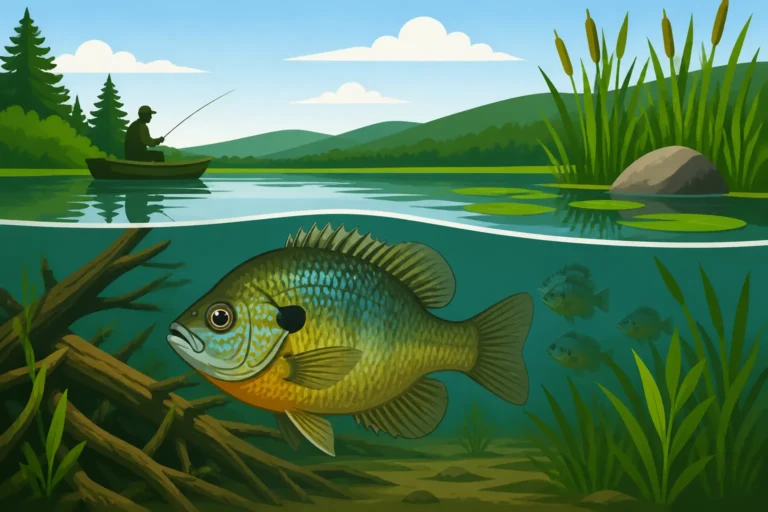
Vermont pond bluegill habits, seasonal movements, feeding patterns, and preferred structural habitats explained for anglers catching five to ten inch fish.
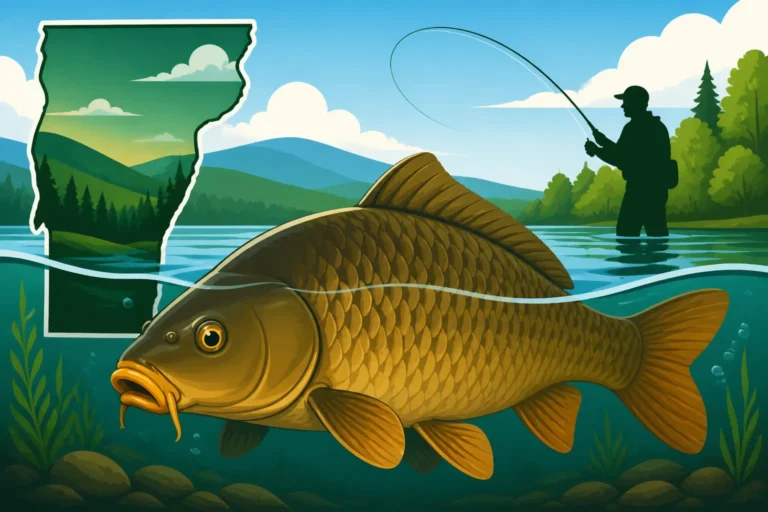
Common Carp in Vermont waters provide a powerful angling challenge, offering strong fights in Lake Champlain and the Winooski River.
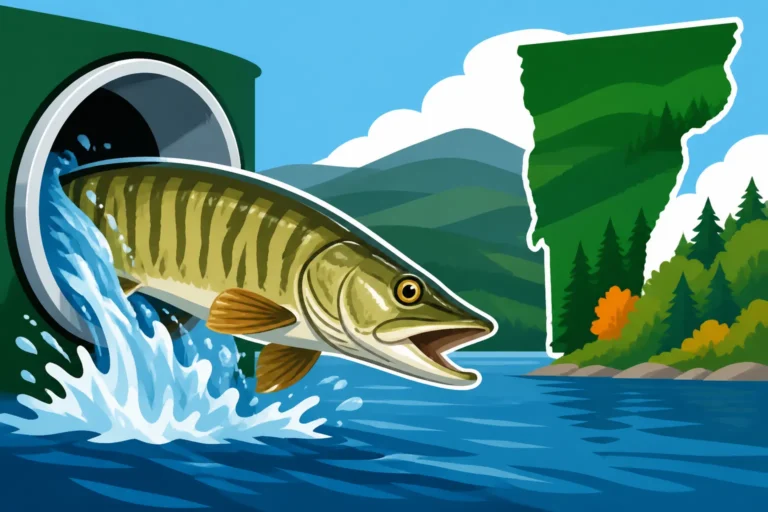
Tiger muskie stocking in Vermont waters involves sterile hybrid predators used to control stunted prey fish populations.
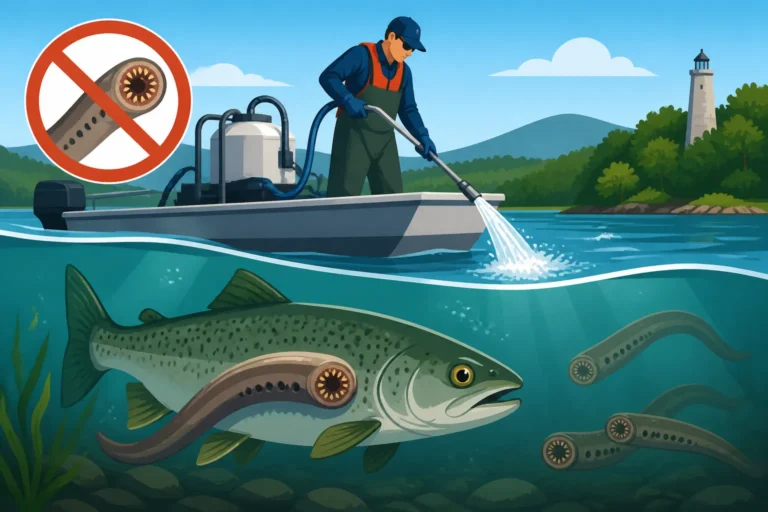
Sea lamprey control efforts on Lake Champlain protect game fish populations like lake trout and landlocked salmon from parasitic attacks.
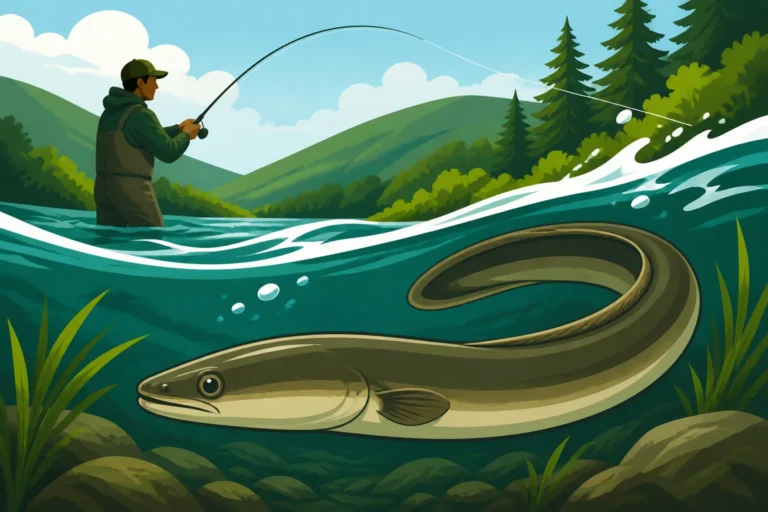
American eels migrate from the Sargasso Sea to live in Vermont rivers for five to twenty years before returning to spawn.
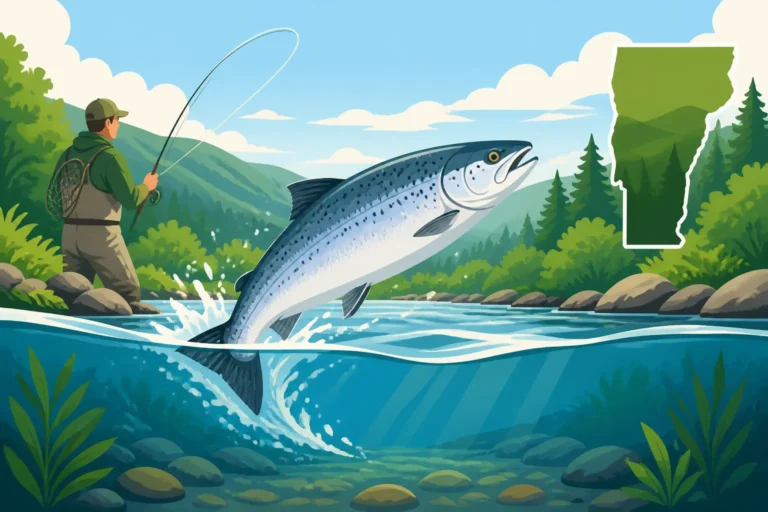
Atlantic salmon restoration in the Connecticut River involves history, decline, complex strategies, and ongoing challenges.
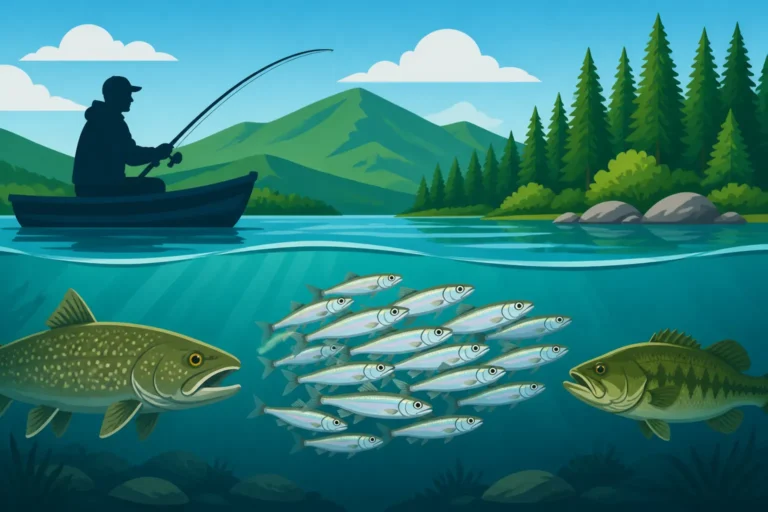
Rainbow smelt biology and their ecological function as forage fish in Vermont coldwater lakes help explain angler success.
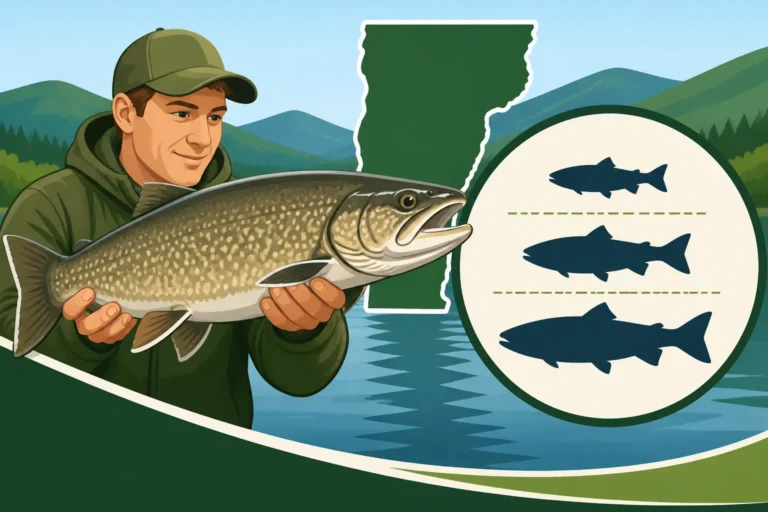
Vermont lake trout typically measure eighteen to twenty six inches long and weigh two to six pounds across various waters.