Rainbow Trout Stocking in Vermont
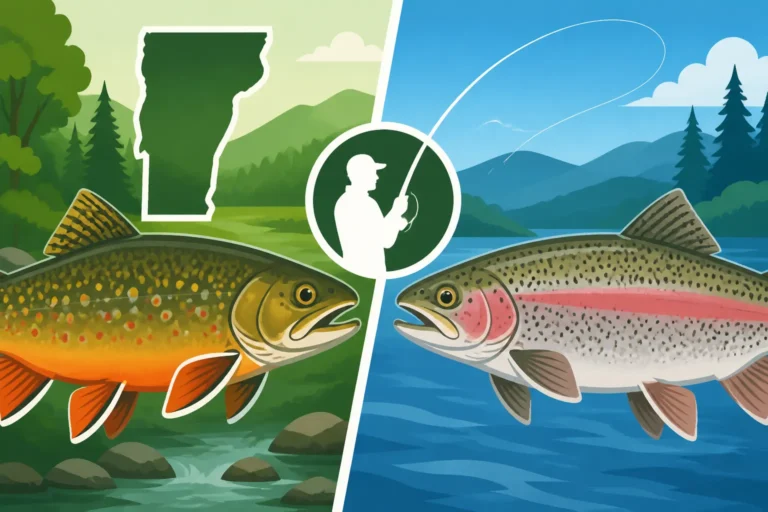
It can be incredibly disheartening to spend a day on the water, casting your line with hope, only to come up empty-handed. We've all been there, feeling that pang of frustration when the fish just aren't biting. That's why understanding something like rainbow trout stocking in Vermont isn't just a technical detail; it's a game-changer for many anglers, providing consistent opportunities to connect with these beautiful, feisty fish. This guide is here to unravel all the mysteries around Vermont's rainbow trout stocking program, helping you pinpoint where and when to find these eager biters.
The Heart of the Program: Why Vermont Stocks Rainbow Trout
Vermont's decision to stock rainbow trout isn't just a whim; it's a carefully considered strategy that aims to balance ecological health with recreational opportunities. The reality is, not every body of water can naturally support a robust trout population year-round, especially with increasing fishing pressure and environmental changes. Stocking helps bridge that gap, ensuring there are plenty of fish for everyone to enjoy.
Meeting Angler Demand and Boosting Recreational Fishing
Let's face it, one of the biggest reasons we hit the water is to catch fish. There's an undeniable thrill in feeling that tug on your line. Vermont understands this intrinsic desire, and rainbow trout stocking plays a huge role in satisfying it. Many popular lakes and streams simply wouldn't have the numbers of catchable trout without these dedicated efforts. Imagine a spring day, the air crisp, the water just warming up, and you're making casts knowing that a fresh batch of rainbows is finning just below the surface, ready to play. It transforms a hopeful outing into a highly anticipated success. This consistent availability fosters a vibrant fishing culture, from seasoned fly anglers to families introducing their kids to the sport. It's about creating memories and ensuring the tradition of fishing thrives in our beautiful state.
The sheer volume of anglers heading out, especially during peak seasons like spring, means that natural reproduction alone would struggle to keep pace. Stocking provides a supplementary population that can withstand this pressure, allowing wild populations in more pristine areas to remain undisturbed. It means more people can enjoy a fulfilling day on the water without over-stressing the delicate ecosystems of wild trout streams.
Supporting Economic Vitality and Local Communities
Beyond the pure joy of fishing, the rainbow trout stocking program has tangible economic benefits for Vermont's small towns and rural communities. When anglers come from near and far, they don't just fish; they buy gas, grab a coffee, pick up bait and tackle, maybe even book a night at a local inn. All these activities funnel money directly into the hands of local businesses, helping them stay afloat and flourish. Think about the small bait shops that hum with activity on a Saturday morning, or the diners serving up hearty breakfasts to early-bird fishermen. These are the lifeblood of many Vermont communities, and fishing tourism is a significant contributor.
This ripple effect extends further, too. Businesses that cater to outdoor recreation, like those selling fishing rods, reels, and even specialized gear like waders you might find on Amazon, see increased sales. Local guides get more bookings, sharing their expertise and favorite spots. It’s a whole ecosystem of commerce that benefits from healthy fish populations and accessible fishing opportunities. The investment in stocking isn't just for the fish; it's an investment in the prosperity of Vermont's people and places.
The Where: Prime Waters for Rainbow Trout Stocking
Knowing why we stock is one thing, but knowing where those rainbows are released is where the rubber meets the road for anglers. Vermont has a diverse array of waters, and each type offers a slightly different experience when targeting stocked rainbows. The state strategically places these fish to maximize access and angler success.
Lakes and Ponds: Accessible Opportunities for All Skill Levels
When you think of stocked rainbow trout, many of Vermont's beautiful lakes and ponds immediately come to mind. These larger, often more accessible bodies of water are fantastic places for families, beginners, and seasoned anglers alike. Stocked rainbows tend to thrive in these environments, growing quickly and providing excellent sport. You'll often find them cruising the shorelines, especially in the spring and fall when water temperatures are ideal. Ponds like Silver Lake in Barnard or Lake Dunmore in Salisbury are classic examples where rainbow trout are regularly stocked, providing easy access from shore or small boats. These waters offer a great chance to catch fish without needing specialized gear or extensive knowledge of river dynamics.
Many of these lakes and ponds have designated public access points, boat launches, and even fishing piers, making them incredibly user-friendly. You don't need a fancy bass boat; a canoe, kayak, or even just a good pair of walking shoes can get you to prime spots. They're often ideal for traditional bait fishing with worms or power bait, but don't count out casting small spoons or spinners. The larger volume of water also means that stocked fish can spread out a bit, but they often stay near structure or where food sources are plentiful. It's a fantastic environment for anyone looking for a relaxed day of fishing with a high likelihood of success. For those interested in Best Fishing Lakes in Vermont, many of those locations are prime stocking spots.
Rivers and Streams: Challenging and Rewarding Experiences
While lakes offer broad appeal, many anglers are drawn to the dynamic challenge of rivers and streams. Vermont's flowing waters receive a significant number of stocked rainbow trout, especially in sections that are easily accessible but might not support large wild populations due to various factors. Rivers like the White River, the Lamoille River, or specific stretches of the Winooski River often see substantial stockings. These fish provide an exciting opportunity for both spin anglers and fly fishermen to hone their skills in a moving water environment. Unlike pond fishing, river trout often require a more nuanced approach, understanding currents, reading seams, and presenting your bait or lure naturally.
Fishing for stocked rainbows in rivers can be incredibly rewarding. These fish, once released into moving water, quickly adapt and become much more "wild" in their behavior. They'll seek out holding lies behind rocks, in deeper pools, or along undercut banks, just like their wild counterparts. You might need to wade, navigating currents and uneven terrain, so a good pair of wading boots you might purchase through Amazon can be indispensable. It's a more active style of fishing, requiring stealth, observation, and precise casting. The effort, however, is often paid back with strong fights and beautiful catches. Keep an eye on local access points, as many bridges and public easements are popular release sites. For those who love the challenge, Best Trout Streams in Vermont are often the same ones receiving these beneficial stockings.
The When: Timing Your Trip for Stocked Rainbows
Timing is everything in fishing, and it's especially true when targeting stocked rainbow trout. Knowing when the fish hit the water can dramatically increase your chances of success. Vermont's stocking schedule generally revolves around two main periods, each offering unique opportunities for anglers.
Spring Stocking Blitz: The Opening Day Tradition and Beyond
The spring stocking blitz is arguably the most anticipated time for trout anglers in Vermont. As soon as the ice melts and the water temperatures begin to rise, usually from late March through May, the Vermont Fish & Wildlife Department gets to work, distributing thousands upon thousands of rainbow trout (along with brook and brown trout) into waterways across the state. This massive effort ensures that when trout season officially opens, there are plenty of eager fish for everyone. This period kicks off with a flurry of activity around Vermont Trout Opening Day Traditions.
Many anglers make a tradition of heading out on opening day, and for good reason! The fish are fresh from the hatchery, often a bit disoriented, and very willing to strike at a variety of baits and lures. The fishing can be fast and furious in the days and weeks immediately following a stocking event. As spring progresses, stockings continue, often targeting different waters or replenishing popular spots. The key is to keep an eye on the official stocking reports, if available, or simply learn the historical patterns of your favorite local spots. Early spring conditions mean the fish are often found closer to shore or in shallower areas of lakes and ponds, making them quite accessible. Rivers, however, might be running high and cold from snowmelt, requiring heavier tackle and more cautious wading.
Fall Stocking for Holdovers and Continued Opportunities
While spring gets all the glory, don't overlook the magic of fall stocking. As the weather cools and leaves begin to turn, Vermont often conducts another round of rainbow trout stockings. These fall releases are a fantastic way to extend the fishing season and provide excellent opportunities for "holdover" fish. A holdover trout is essentially a stocked fish that survives the initial angler pressure and adapts to its new environment, growing larger and becoming more wary. Catching a holdover rainbow in the fall or even the following spring can feel like catching a wild fish, offering a much more challenging and rewarding experience.
Fall fishing for these stocked rainbows is a completely different vibe than spring. The crowds are typically thinner, the scenery is breathtaking, and the fish, having had some time to settle in, are often stronger and smarter. They're also actively feeding in preparation for winter, making them aggressive biters. You might find them in deeper pockets of rivers or moving into shallower areas of lakes as baitfish migrate. This is a great time to experiment with different techniques, from delicate nymphing in rivers to trolling small spoons in lakes. The cooler temperatures make for comfortable fishing and fewer bugs. It's a wonderful way to bid farewell to the open water season. If you're wondering about specific dates, Vermont Fishing Season Dates and Closures will give you the full picture.
How Vermont Stocks Rainbow Trout: From Hatchery to Hook
The journey of a rainbow trout from a hatchery egg to your hook is a fascinating process, one that involves significant dedication and expertise from the Vermont Fish & Wildlife Department. Understanding this process gives you a greater appreciation for the fish you catch and the efforts behind the stocking program.
Hatchery Operations and Raising Healthy Fish
Before a rainbow trout even sees a natural waterway, it begins its life in one of Vermont's state-of-the-art fish hatcheries, such as the Salisbury Fish Culture Station. Here, eggs are carefully fertilized, incubated, and hatched into tiny fry. These delicate creatures are then raised in controlled environments, fed specialized diets, and protected from predators and disease. The hatchery staff are true aquaculture experts, meticulously monitoring water quality, temperature, and fish health to ensure a robust and healthy population ready for release. They work tirelessly to minimize stress and maximize growth, striving to produce fish that are strong and vigorous when they enter the wild.
The size of the fish at stocking varies, but generally, rainbows are stocked at a "catchable" size, meaning they're large enough to provide a good fight and make for a satisfying catch. This isn't about releasing tiny fingerlings that might not survive; it's about putting out fish that are ready to be targeted by anglers almost immediately. This commitment to raising quality fish is a cornerstone of the stocking program, ensuring that anglers have a positive experience and that the fish have the best possible chance to thrive, even if temporarily, in their new homes.
Distribution Methods: Getting Fish to the Water
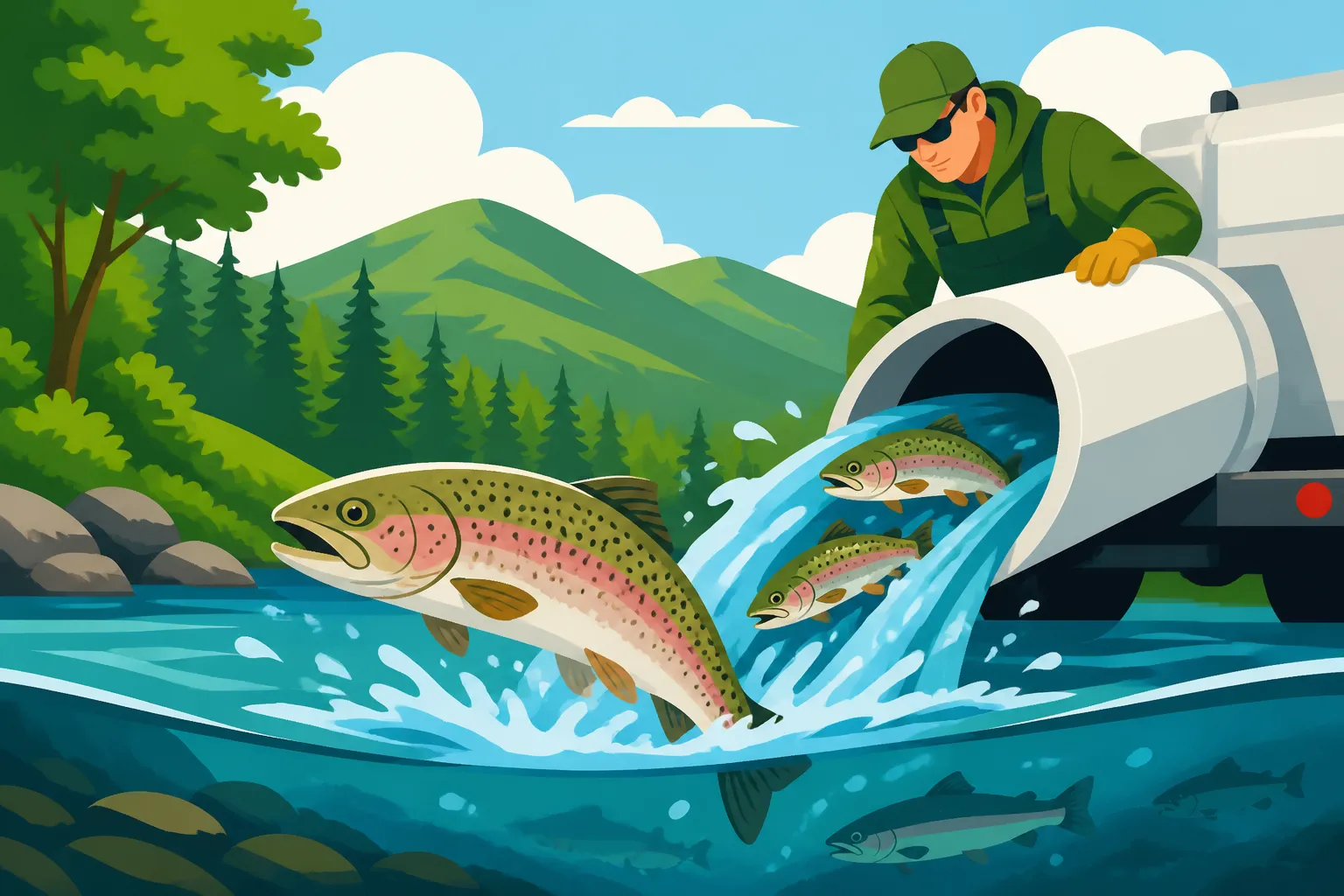
Once the rainbow trout reach the optimal size for stocking, the logistical challenge of getting them to hundreds of different locations across Vermont begins. This is where specialized trucks, often equipped with oxygenated tanks, come into play. These "fish trucks" are a common sight during stocking season, and for many, seeing one is a sure sign that good fishing is on the horizon. The fish are carefully loaded, transported, and then released into designated lakes, ponds, rivers, and streams. The method of release can vary; sometimes, it's a direct pour from a large hose into a river, while other times, smaller vehicles or even ATVs might be used to reach more remote ponds.
The goal is always to minimize stress on the fish during transport and release, ensuring they arrive in good condition. The department tries to spread out the fish to avoid creating "bucket angler" situations where everyone is piled into one spot. While some locations might get larger dumps, the general practice is to distribute them thoughtfully to create wider fishing opportunities. If you're ever curious about specific stocking details for a particular waterbody, the Vermont Fish Stocking Search Tool, Explained is an invaluable resource that can help you understand past and planned releases.
Fishing for Stocked Rainbow Trout: Tips for Success
So, the fish are in the water! Now what? Catching stocked rainbow trout is often less about finesse and more about consistency and knowing what they're likely to respond to. They're generally less wary than their wild counterparts, especially right after stocking, making them a fantastic target for anglers of all skill levels.
The Power of Bait: Worms, PowerBait, and Corn
When stocked rainbows are fresh in the water, they are often accustomed to a steady diet of pellets from the hatchery. This means they're usually not too picky about what they eat initially, and simple, natural baits tend to be incredibly effective. A classic choice, and for good reason, is the humble nightcrawler or garden worm. Rigged on a small hook with a split shot or two a foot or so above it, and maybe a small bobber, this setup is deadly. The natural scent and wriggle of a worm are irresistible to hungry trout.
Another absolute go-to is PowerBait or similar scented dough baits. These brightly colored, pungent options come in various forms (dough, nuggets, floating eggs) and are designed specifically for trout. They often float, allowing you to suspend them just off the bottom where trout are cruising. Experiment with different colors and scents – chartreuse, rainbow, and garlic are perennial favorites. And don't laugh, but plain old canned corn, while not always legal in all areas (check regulations!), can be surprisingly effective due to its visual appeal and small size. When it comes to bait, presentation is key. Make sure your hook is well-covered and your offering drifts naturally. You might even find a great selection of hooks and split shot on Amazon to build your perfect bait rig. For opening day success, Best Bait for Opening Day Trout in Vermont dives even deeper into these tactics.
Lure Fishing: Spinners, Spoons, and Small Jigs
For those who prefer a more active approach, casting lures for stocked rainbow trout can be incredibly exciting. These fish are often quite aggressive and will readily chase down a flashy spinner or wobbling spoon. The key is to match the size of your lure to the size of the baitfish (or lack thereof) in the water and to retrieve it at a speed that entices a strike.
Classic inline spinners, like Mepps or Panther Martins, in sizes #0 to #2, are perennial favorites. Their flashing blade and vibrating action are highly attractive. Small casting spoons, such as Phoebe or Kastmaster patterns, are also excellent, especially in lakes and wider river sections. They mimic small baitfish and have a tantalizing wobble on the retrieve. For deeper water or slower presentations, small jigs tipped with a piece of worm or scented soft plastic can be very effective. Try varying your retrieve speed, adding pauses, and twitching your rod tip to create erratic movements that trigger a strike. It's often about finding what the fish are keying in on that particular day. A basic tackle box, easily found on Amazon, should have a good selection of these small lures.
Fly Fishing: Adapting to Hatchery Habits
Fly fishing for stocked rainbow trout offers a unique challenge and opportunity. While they might not be as selective as wild trout, they still respond well to well-presented flies, especially once they've been in the water for a week or two. Early season, or right after a fresh stocking, patterns that mimic their hatchery food can be surprisingly effective. Think small, buggy nymphs or even specific "pellet fly" patterns.
As they acclimate, they'll start to feed on natural insects. In lakes and ponds, searching patterns like Woolly Buggers (black, olive, or brown) can be deadly, stripped slowly or retrieved with short twitches. In rivers and streams, basic nymph patterns like Hare's Ears, Pheasant Tails, or Prince Nymphs, fished under an indicator, will almost always get attention. If there's a hatch coming off, or even just some small midges, a dry fly presentation can be incredibly rewarding. The beauty of fly fishing for stocked rainbows is that it allows you to refine your casting and presentation skills on cooperative fish, making it perfect for those learning the ropes of Fly Fishing for Trout in Vermont.
The Impact of Stocking on Vermont's Ecosystem
Rainbow trout stocking is not without its ecological considerations. While beneficial for anglers and the economy, it's important to understand the broader implications for Vermont's delicate aquatic ecosystems. Balancing the pros and cons is a continuous challenge for fisheries managers.
Benefits to Native Species and Ecosystem Health
Believe it or not, strategically placed stocking programs can sometimes indirectly benefit native species. By directing angler pressure to readily available stocked fish, wild, native populations of brook trout in more remote or sensitive streams can experience less pressure. This allows these genetically unique populations to thrive and reproduce naturally without being overfished. It's a way to enjoy abundant trout fishing without depleting the precious wild resources that Vermont is famous for. This approach is a core part of managing Vermont Trout Season and Stocking Rules to protect wild fisheries.
Furthermore, healthy stocked fish can contribute to the food web, even if they are eventually caught. They provide a food source for larger predators like osprey, eagles, and even some terrestrial mammals that scavenge along riverbanks. While they might not reproduce extensively in the wild, their presence creates a temporary boost in biomass that can support other parts of the ecosystem. The goal is always to ensure that stocking complements, rather than detracts from, the overall health of Vermont's diverse aquatic environments.
Potential Ecological Considerations and Mitigation Strategies
However, stocking isn't a silver bullet, and fisheries managers are keenly aware of the potential ecological downsides. One concern is the introduction of disease, although modern hatchery practices are incredibly rigorous about health screening. Another, perhaps more significant, concern is the potential for competition between stocked fish and wild native trout species (like brook trout) for food and habitat, particularly in streams where wild populations might be present. While rainbow trout generally don't establish large self-sustaining populations in many Vermont streams, they can interbreed with native rainbow populations, potentially diluting genetic purity.
To mitigate these risks, Vermont uses carefully developed stocking plans. They avoid stocking in pristine wild brook trout waters and focus on waters where wild populations are minimal or absent, or where the habitat is better suited for supporting a temporary stocked population. The goal is to create "put-and-take" fisheries where anglers can enjoy catching fish without impacting sensitive wild populations. They also consider the size and strain of fish being stocked, often choosing sterile strains or those less likely to thrive long-term in certain environments. It's a constant balancing act, ensuring robust recreational opportunities while safeguarding Vermont's precious natural heritage.
| Stocking Season | Primary Location Type | Typical Fish Size | Angler Experience | Key Considerations |
|---|---|---|---|---|
| Spring | Lakes, Ponds, Rivers | Catchable (8-12") | High catch rates | Crowded areas, cold water |
| Fall | Lakes, Ponds, Rivers | Catchable (8-14") | Good catch rates | Fewer anglers, fish more wary |
Disclaimer
This article is for general informational purposes only and does not constitute professional advice. Laws, prices and regulations vary by location and change over time. Consult a qualified professional for guidance on your specific situation.