Best technique for finesse fishing clear water bass
There's nothing quite as frustrating as seeing a school of beautiful bass just out of reach in crystal-clear water, only for them to scatter at the first sign of your presentation. Those wary fish in highly visible conditions can make you feel like you're doing something wrong. If you've ever felt that pain, this guide is for you. We're going to dive deep into the best finesse fishing techniques to fool even the wariest of bass in Vermont's clearest lakes and rivers, turning those frustrating sightings into successful catches.
Understanding Clear Water Bass Behavior
Fishing clear water in Vermont, whether it’s a pristine mountain lake or a section of a clean-running river, presents a unique set of challenges and demands a specific approach. When the water is exceptionally clear, bass have a distinct advantage: they can see you, your boat, and your fishing line from a much greater distance. This heightened visibility makes them incredibly wary and far more difficult to trick with traditional, more aggressive tactics. Understanding their behavior in these conditions is the first step to success.
The Spooky Nature of Clear Water Bass
Imagine being able to see everything happening around you, even the slightest disturbance. That's essentially what bass experience in clear water. They become incredibly sensitive to vibrations, shadows, and unnatural presentations. A heavy splash from a topwater lure, a thick, brightly colored fishing line, or even your boat positioning too close can send them scurrying for cover. It’s not about aggression; it’s about survival. They're naturally cautious, and clear water amplifies that caution tenfold.
This wariness means that your approach needs to be as subtle and unobtrusive as possible. Forget those heavy braided lines and big, flashy crankbaits for a moment. In clear conditions, bass rely heavily on their sight, and anything that looks out of place or too aggressive will be immediately scrutinized and often rejected. They're looking for an easy, natural meal, not a fight with something that looks suspicious. This is why lighter lines, smaller baits, and slower retrieves become paramount.
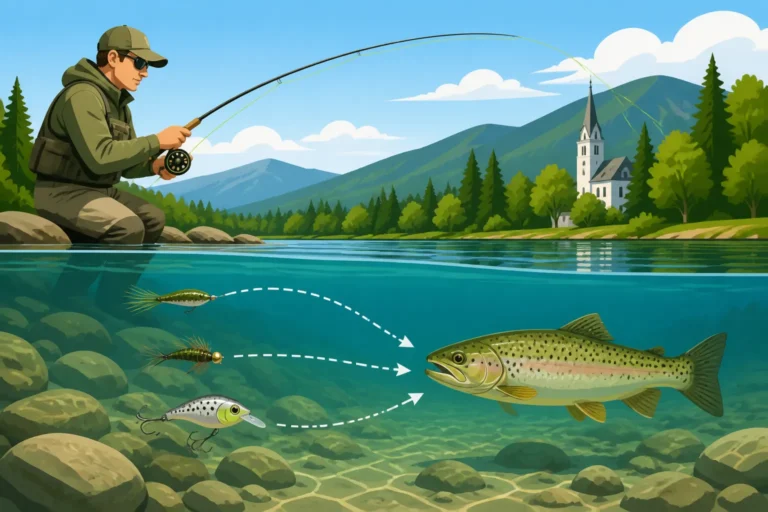
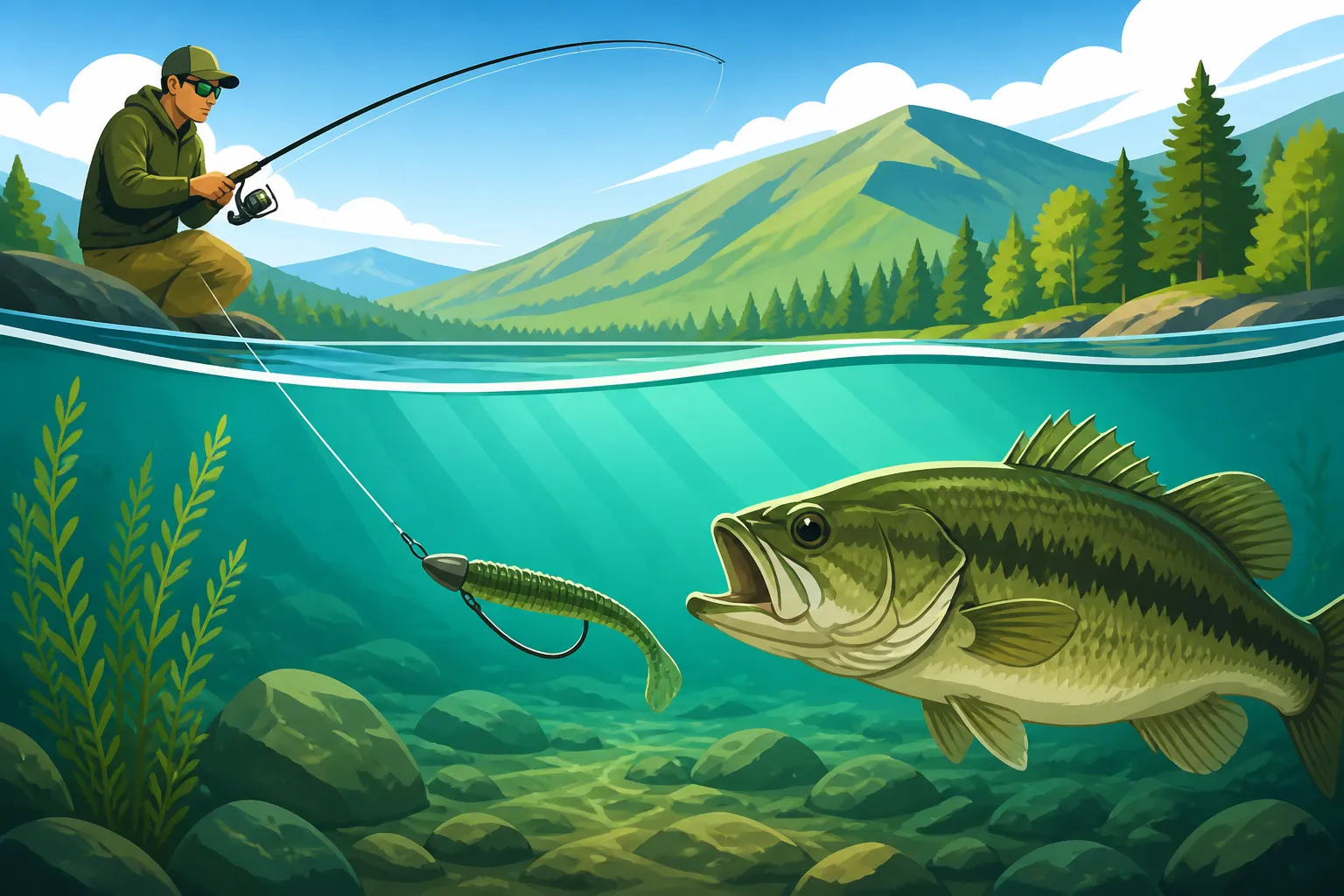
Furthermore, these clear water bass often have more time to inspect your lure. They’ll follow it, circle it, and if anything feels off – the action, the color, the line attached to it – they’ll turn away. This "window shopping" behavior is common, and it tests an angler's patience and presentation precision. It's a game of deception, and the more natural you can make your offering appear, the higher your chances of getting a strike.
Locating Bass in Clear Water
Just because bass are spooky doesn't mean they're impossible to find. In clear water, they tend to relate very tightly to structure and cover, often seeking out the deepest or darkest points of concealment. This could mean deep rock piles, submerged timber, dense weed beds, or sharp drop-offs. They use these features not just for ambush points, but also as a sense of security against predators and bright sunlight. You'll often find smallmouth bass relating to rocky points and deeper humps, especially in large, clear bodies of water like parts of Lake Champlain Fishing Guide.
Another key factor in clear water is light penetration. Bass are often light-sensitive, and in clear conditions, sunlight can penetrate much deeper into the water column. This drives them to seek out shade or greater depths, especially during bright, sunny days. Overcast conditions or dawn/dusk periods can bring them shallower, but generally, expect them to hold tighter to cover or deeper when the sun is high. Look for areas where shadow lines extend over the water, or where structure provides a canopy.
Using your electronics becomes incredibly important here. A good fish finder can help you pinpoint those subtle changes in bottom contour, submerged brush piles, or isolated rocks that provide excellent ambush points. Don't just look for fish arches; look for the habitat that fish will use for cover and feeding in clear conditions. Once you've identified these key pieces of structure, you can then employ your finesse tactics to patiently pick them apart. Always remember that subtle differences in depth, current, or cover can hold a significant number of fish in an otherwise seemingly barren clear water expanse.
Top Finesse Techniques for Clear Water Bass
When you're facing clear water and wary bass, the name of the game is subtlety and a natural presentation. Forget the power fishing tactics that excel in stained or murky conditions. Finesse techniques are designed to mimic small, easy meals and entice bites from even the most hesitant fish. These methods prioritize natural movement, minimal disturbance, and a small profile, making them perfect for Vermont's clear fishing environments.
The Versatile Ned Rig
The Ned Rig has become a superstar in finesse fishing, and for good reason: it’s incredibly effective, especially in clear water and for How to Catch Smallmouth Bass in Vermont Lakes. It consists of a small, mushroom-shaped jig head paired with a short, buoyant soft plastic bait, typically a stickbait or worm designed to stand up off the bottom. The unique buoyancy of the plastic, combined with the head design, allows the bait to slowly fall and then stand vertically on the bottom, mimicking a foraging critter or a small baitfish feeding.
To fish a Ned Rig effectively, cast it out and let it sink to the bottom. Once it’s down, a slow, subtle retrieve is key. You can drag it slowly along the bottom, give it tiny hops, or simply let it sit and quiver. The beauty of the Ned Rig is its natural action with minimal effort. The bait's tail will gently wave in the water currents, even when stationary, making it irresistible to bass that are scrutinizing their meals. It's a fantastic choice for targeting bass on hard bottoms, rocky areas, or sparse weed lines. You can find a huge variety of Ned Rig components and pre-made kits on Amazon, which can be a great way to start experimenting.
The Ned Rig is particularly deadly when fish are lethargic, pressured, or simply not responding to other presentations. Its small size and non-threatening profile make it an easy target, triggering reactionary bites from bass that might otherwise ignore larger, more aggressive lures. It’s a technique that demands patience, but the rewards in clear water often speak for themselves, especially when targeting smallmouth on lakes known for their clarity. For more details on this specific setup, check out Best Ned Rig Setup for Finesse Fishing.
Drop Shot for Suspended and Bottom-Hugging Bass
The drop shot rig is another cornerstone of clear water finesse fishing, offering unparalleled control over bait presentation. Unlike other rigs where the weight is at the front, a drop shot places the weight at the very end of the line, below the hook. This allows your soft plastic bait to be suspended at a precise depth above the bottom, keeping it in the strike zone longer and with a very natural, horizontal posture. This is a game-changer when bass are suspended over deeper structure or holding tight to bottom contours in clear water.
Rigging a drop shot involves tying a palomar knot (or similar) directly to the hook, leaving a long tag end. You then pass the tag end back through the eye of the hook from the point side, ensuring the hook stands out horizontally. The weight is tied to the very end of this tag line. Popular baits include small worms, minnow imitations, and creature baits, typically threaded straight onto the hook or wacky-rigged. For smallmouth bass, especially, you’ll want to look at Best Drop Shot Rig for Vermont Smallmouth as a starting point.
The beauty of the drop shot is its ability to present a bait almost lifelessly, with just a subtle quiver induced by light rod tip movements or even natural boat drift. You can maintain constant contact with the weight on the bottom, feeling every subtle tap and knowing exactly where your bait is. This is crucial in clear water where bass are observant. It's ideal for vertical presentations over deep structure, probing offshore humps, or picking apart specific pieces of cover where fish are holding tight. Many anglers swear by the effectiveness of the drop shot for vertical jigging over schools of fish marked on their sonar.
Wacky Rig's Subtle Enticement
The wacky rig might look incredibly simple, but its effectiveness in clear water and for pressured bass is undeniable. It involves hooking a stickbait (a soft plastic worm like a Senko) directly through its center, allowing both ends to wiggle freely as it falls. This creates a very unique, enticing shimmy that few bass can resist, especially those that have seen every other lure in the tackle box.
The primary retrieve for a wacky rig is a simple cast-and-fall. Let the bait sink on a slack line, allowing the ends to flutter enticingly. Most bites will occur on the fall. Once it hits bottom, you can lightly twitch your rod tip, let it sit, and then reel up the slack before letting it fall again. The absence of a visible weight and the natural, unhindered action of the worm make it incredibly stealthy and tempting in clear conditions. You can even add a small O-ring to the center of the worm and hook through the O-ring to prolong the life of your bait, which is a clever trick you can find accessories for on Amazon.
While often fished weightless, you can also use a small nail weight inserted into one or both ends of the worm to increase casting distance or achieve a faster sink rate. However, for maximum subtlety in clear water, a weightless presentation is often best. The wacky rig excels around docks, submerged grass lines, fallen timber, and rocky banks. It's especially effective during the post-spawn period when bass are still a bit lethargic but are ready to eat an easy meal. This technique targets bass that are visually hunting, and the natural undulation of the worm is often all it takes to trigger a strike.
Essential Gear for Finesse Fishing Success
Finesse fishing in clear water isn't just about the techniques; it's heavily dependent on having the right gear. Using light tackle isn't just a suggestion; it's a necessity. The goal is to minimize your presence, maximize the natural movement of your bait, and ensure you can detect even the most subtle bites from wary bass. Investing in the proper rod, reel, and line can make a significant difference in your success rate when those Vermont bass are playing hard to get.
Rod, Reel, and Line Selection
For finesse techniques, a sensitive spinning rod is paramount. Look for a rod in the 6'6" to 7'3" range, with a fast to extra-fast action and a light to medium-light power. The fast action will give you the sensitivity to feel delicate bites and the quick tip to set the hook effectively with lighter lines. The light power ensures you can cast small, lightweight baits and still have enough backbone to fight a good-sized bass without overpowering your line. When choosing, consider something like the specific recommendations found in Best Spinning Rods for Smallmouth Bass.
Pair your sensitive rod with a high-quality spinning reel in the 1000 to 2500 size range. These reels are designed for lighter lines and provide smooth drag, which is critical when fighting larger fish on thin monofilament or fluorocarbon. A smooth retrieve and minimal line twist are also important for maintaining the natural presentation of your finesse baits. Investing in a good reel means better line management and a more enjoyable, effective fishing experience.
Line choice is perhaps the most critical component for clear water finesse fishing. Fluorocarbon line is generally the top choice for its near-invisibility underwater, low stretch, and excellent sensitivity. A 6-8 lb test fluorocarbon mainline is a great all-around choice. Some anglers prefer to use a braided mainline (e.g., 8-15 lb test) for its superior casting distance and zero stretch, then attach a 6-10 foot fluorocarbon leader with a small knot like a FG knot or double uni knot. This combination gives you the best of both worlds: casting distance and strength from the braid, and invisibility and sensitivity from the fluorocarbon leader. When selecting, research options specifically for Best Fluorocarbon Line for Clear Lake Water.
Bait and Hook Choices for a Natural Presentation
When it comes to baits for finesse fishing in clear water, think small, subtle, and natural. Stickbaits (like the original Senko or its many imitators), small worms (4-6 inches), creature baits, and minnow-imitating soft plastics are your bread and butter. Colors should also lean towards natural tones like green pumpkin, watermelon, browns, and dark blues, mimicking local forage like crayfish or baitfish. In very clear water, sometimes a subtle translucent color can also be incredibly effective. Consider looking for variety packs on Amazon to see what works best in your specific Vermont waters.
Hooks must be sharp and appropriately sized for your soft plastics and the target species. For Ned Rigs, dedicated mushroom-head jig heads with a light wire hook are essential. For drop shots, use an offset worm hook or a specific drop shot hook (often a wide-gap hook designed to hold the bait horizontally) in sizes #1 to 1/0. Wacky rigs do best with a specific wacky rig hook, which is typically a light wire, short shank, wide-gap hook (sizes #1 to #2) designed to pass through the center of the worm without tearing it excessively.
The choice between an exposed hook and a weedless presentation (Texas rig style on a lighter weight) depends on the cover you're fishing. In open water or around sparse cover, an exposed hook maximizes your hook-up ratio. If you're fishing dense weeds or submerged brush, a light Texas rig or a weedless wacky rig (using a small weed guard hook) can prevent snags while still offering a subtle presentation. Remember, these bass are scrutinizing everything, so even the most minute detail in your bait's action or profile can make or break your success. Sometimes, tiny adjustments to hook size or bait color can make all the difference, especially when you're targeting those wary smallmouth and largemouth bass in crystal clear Vermont waters.
| Finesse Technique | Primary Bait Type | Hook/Weight Setup | Ideal Conditions | Key Action |
|---|---|---|---|---|
| Ned Rig | Small stickbaits, worms | Mushroom jig head, exposed hook | Hard bottom, rocks, sparse weeds | Drag, slight hops, subtle quivers while resting |
| Drop Shot | Small worms, minnows, creatures | Drop shot hook, weight below bait | Deep water, suspended fish, hard structure | Subtle quivers, stationary presentation at depth |
| Wacky Rig | Stickbaits (e.g., Senko) | Wacky rig hook, often weightless | Docks, weed lines, shallow cover | Slow, undulating fall, gentle twitches |
Mastering the Approach for Clear Water Success
Once you have your techniques and gear dialed in, the final piece of the puzzle for finesse fishing clear water bass is your overall approach. It's not just about what you throw, but how you present yourself and your lure to the fish. Stealth, patience, and attention to detail are paramount. Remember, these fish can see you, and any unnatural movement or noise can immediately put them on high alert, negating even the most perfect finesse presentation.
Stealth and Patience are Your Allies
In clear water, stealth is king. Approach your fishing spots quietly, whether you're in a boat or wading. Avoid loud motor noises, banging tackle boxes, or unnecessary movements in your boat. If you're using an electric trolling motor, keep it on the lowest possible setting to avoid creating vibrations that can spook fish. When casting from shore or wading, use natural cover like trees or bushes to break up your silhouette. Long casts are often beneficial to keep your distance from wary fish, especially in open, clear areas. This is where casting rods for bass or sensitive spinning rods can really help you achieve those precise long-distance presentations.
Patience is equally crucial. Finesse fishing is not about covering a lot of water quickly. It's about meticulously dissecting an area, making precise casts, and working your bait slowly and deliberately. Bass in clear water often need more time to decide to strike, and they won't chase a bait that's moving too fast or erratically. Present your lure, let it soak, and work it with slow, subtle movements. Sometimes, the fish will watch your bait for a while before committing, and a long pause can often be the trigger you need. Don't be afraid to leave your bait sitting motionless for several seconds, letting its natural buoyancy and the subtle currents do the work.
Additionally, always observe your surroundings. Pay attention to how the light is hitting the water, where shadows are cast, and if there's any surface activity from baitfish or insects. These environmental cues can help you refine your approach and choose the best presentation. Remember, clear water also means less forgiveness for mistakes, so being dialed into every aspect of your fishing environment will increase your odds significantly.
Reading the Water and Adapting
Clear water can be deceiving. While you might be able to see the bottom in shallower areas, it doesn't mean the fish are easy targets. Learn to read the subtle changes in bottom contour, the variations in vegetation, and the presence of current. For instance, smallmouth bass often orient to current breaks and changes in depth along rocky points. Knowing What water temperature smallmouth bass prefer can also help you predict their location in clear, varying depths.
Adaptability is key. If one finesse technique isn't working, don't be afraid to switch. Try a different color, a different size bait, or even a completely different rig. Sometimes a slight change from a wacky rig to a Ned rig, or altering your retrieve speed, can make all the difference. Keep a variety of small, natural-colored soft plastics on hand. Have you considered trying some of the smaller Best Swimbait Size for Big Smallmouth offerings? Even subtle swimbaits can be fished in a finesse style.
Finally, always be aware of how the fish are reacting. If they're following your bait but not committing, it's a sign you need to make a change. Maybe it's a slower retrieve, a smaller bait, or a different color. If they're spooking, re-evaluate your approach, your casting distance, and your stealth. Finesse fishing in clear water is a continuous learning process, but by understanding the nuances of bass behavior and diligently adapting your techniques and tackle, you can unlock incredible fishing opportunities in Vermont's beautiful, clear waters. It's a challenging but ultimately rewarding way to fish, offering a deep connection to the subtle art of angling.
Disclaimer
This article is for general informational purposes only and does not constitute professional advice. Laws, prices and regulations vary by location and change over time. Consult a qualified professional for guidance on your specific situation.