How to fish a run and pool trout stream
There’s nothing quite like the beauty and challenge of a classic Vermont trout stream, with its rhythmic succession of rushing runs and tranquil pools. But let's be honest, standing there, looking at that inviting water, it's easy to feel a little overwhelmed. Do you cast into the bubbly fast water, or should you focus on the deep, dark calm of the pool? It’s a common dilemma that leaves many anglers wondering where to even begin. This guide is here to untangle that confusion, offering a comprehensive look at how to effectively fish both the runs and pools of Vermont's magnificent trout streams.
Understanding the Run and Pool Dynamic in Vermont Streams
Before you even make your first cast, it's crucial to understand why trout choose to inhabit different areas of a stream, particularly the distinct environments of a run and a pool. These aren't just random sections of water; they are vital habitats that serve different purposes for a trout's survival, feeding, and resting. Knowing this ecological blueprint is your first step to unlocking their secrets.
The Anatomy of a Run: Fast Water, Feeding Lanes
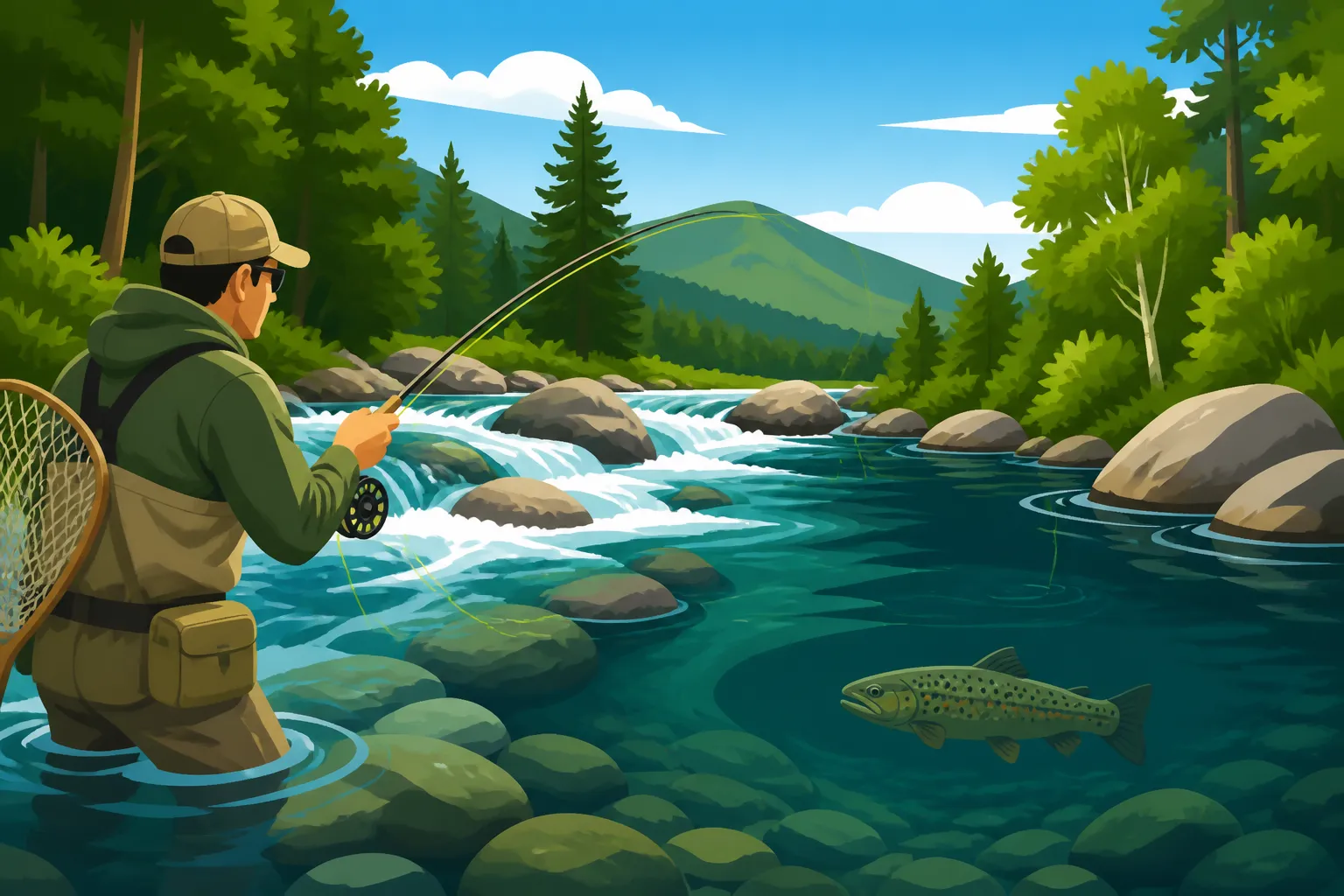
A "run" is typically a section of stream characterized by faster, shallower water, often with a consistent current flow. Think of those stretches where the water seems to ripple and dance over rocks and gravel. This faster flow brings with it a constant conveyor belt of food – insects, larvae, small baitfish – making runs prime feeding grounds for opportunistic trout. However, the energy required to hold position in strong current means trout will seek out subtle breaks in the flow, often referred to as "seams." These seams, where fast water meets slower water, or behind larger rocks, offer a perfect ambush point: access to food with minimal effort.
Often, you'll find a run leading into or out of a larger pool. The transition zones are particularly productive. Look for visible structure like submerged rocks, fallen logs, or gravel bars that create current breaks. The faster water itself also provides a measure of safety, as the broken surface makes it harder for predators, including you, to spot the fish. When the water gets lower and clearer, these areas can be tricky, demanding more stealth.
The Sanctuary of a Pool: Depth and Cover
In stark contrast to a run, a "pool" is a deeper, slower-moving section of the stream. These are the dark, inviting stretches where the current seems to pause, creating a quiet eddy or a broad, calm expanse. Pools are vital for trout as they offer a sanctuary from strong currents, a refuge from predators, and a comfortable place to rest, especially during bright daylight hours or when water temperatures are less than ideal in other parts of the stream. The increased depth provides thermal stability, keeping fish cooler in summer and warmer in winter.
Beyond just depth, pools often feature significant cover. This can include undercut banks where the stream has eroded the soil beneath the surface, fallen trees that create complex submerged structures, large boulders, or even just the darkness provided by the deeper water itself. Trout will hold tight to these forms of cover, feeling secure and waiting for food to drift by or for the cover of dusk to become more active. Understanding how to thoroughly explore these deeper, often more complex, environments is key to finding the larger, warier fish that often reside there.
Essential Gear for Run and Pool Trout Fishing
Having the right equipment won't just make your day on the stream more comfortable; it will directly impact your success. Fishing a dynamic run-and-pool stream means you need gear that's versatile enough to handle both fast-water presentations and delicate approaches in calm, clear pools. Don’t just grab whatever you have; think about what each piece of equipment needs to do for you in varying conditions.
Rod and Reel Setup for Versatility
For most Vermont trout streams, a medium-light spinning rod, typically 6 to 7 feet long, paired with a matching spinning reel spooled with 4-6 lb test monofilament or fluorocarbon line, offers excellent versatility. This setup allows you to cast lighter baits and lures with accuracy, essential for hitting specific seams in a run or gently presenting a offering into a pool. The rod's length provides good leverage for casting and fighting fish, while still being maneuverable in brushy stream banks. For those who prefer fly fishing, a 7.5 to 9-foot fly rod in a 3- to 5-weight range is ideal, offering the backbone to cast nymphs in current and the finesse to present dry flies in calmer waters.
Consider bringing a few different leader and tippet sizes if you're fly fishing. For spinning, a small selection of split shot weights and swivels is crucial for adjusting your presentation depth in different currents. You can easily stock up on these essentials from online retailers like Amazon, ensuring you have a full range for any situation you encounter. For those looking for more specific guidance, our guide on Best Tackle for Vermont Trout Fishing dives deeper into selecting the right components.
Wading Safety and Comfort
Wading is almost a necessity when fishing run and pool streams, as it allows you to get into prime positions that are inaccessible from the bank. Quality chest waders are essential for staying dry and comfortable, especially in the cooler waters of spring or fall. Look for breathable materials that prevent overheating during warmer months. Paired with your waders, a good pair of wading boots with felt or rubber soles (depending on your preference and local regulations for aquatic invasive species) will provide crucial grip on slippery rocks. A sturdy wading staff is not just a convenience; it's a vital safety tool, providing an extra point of contact in swift currents and uneven streambeds.
Always prioritize safety when wading. Test the depth and footing with your staff before stepping, especially in fast-moving runs where submerged rocks can create surprising drop-offs. A life jacket or a personal flotation device is also a smart choice, particularly if you're exploring larger rivers or unfamiliar stretches of water. You can find robust and comfortable options for Best Waders for Vermont Trout Streams that will serve you well for years.
Techniques for Approaching Runs: Fishing the Faster Water
Fishing the faster, more turbulent water of a run might seem daunting, but it's often where the most active and aggressive trout are found. They're there for a reason: food delivery. Your goal is to present your bait or lure in a way that looks natural and irresistible amidst the commotion.
Reading the Currents and Seams
The secret to fishing runs effectively lies in "reading the water." Look for seams, which are visible lines on the surface where faster water meets slower water. Trout will often hold just inside the slower water of a seam, darting out into the current to grab passing food. Eddies behind large rocks or logs are also prime spots, providing a calm holding area with easy access to the main current. Pay attention to changes in water color or texture, which can indicate deeper pockets or changes in the stream bed.
When you approach a run, try to stay low and out of sight. Cast upstream of where you expect the fish to be, allowing your offering to drift naturally downstream into the strike zone. This "upstream cast, downstream drift" technique is fundamental. Mend your line as needed to eliminate drag, ensuring your bait or fly travels at the same speed as the current. This natural presentation is critical to fooling wary trout. Our detailed guide on Wading Techniques for Vermont Trout Streams offers more insights into navigating these challenging environments.
Presenting Baits and Lures in Runs
For spinning anglers, small inline spinners (like Panther Martin or Mepps), tiny crankbaits, or even a simple worm on a hook with a small split shot can be incredibly effective in runs. The key is to cast upstream and retrieve just fast enough to keep your lure moving naturally with the current, allowing it to tumble and flash enticingly. Don’t be afraid to experiment with different retrieve speeds and angles. A subtle twitch of your rod tip can add extra action to a jig or soft plastic, mimicking an injured baitfish.
Live bait, like a garden worm or a small minnow, fished on a light wire hook and allowed to drift naturally with minimal weight, is also a classic and highly effective method. The natural scent and action are often too much for a hungry trout to resist. Remember to adjust your weight to match the current speed – just enough to get your bait down without it dragging unnaturally on the bottom.
Fly Fishing Strategies for Runs
Fly fishing in runs often means nymphing. This involves using weighted flies that imitate aquatic insect larvae and pupae, which are constantly dislodged and swept downstream by the current. A "tightline nymphing" or "Euro nymphing" approach, where you maintain direct contact with your flies and use a colored sighter on your leader, is incredibly effective for detecting subtle strikes in fast water. Indicator nymphing, using a small bobber to suspend your flies at a specific depth, is also a viable option.
Another exciting method for runs is swinging wet flies or small streamers. Cast across or slightly downstream and allow the current to swing your fly through likely holding lies. The pulsating action of a wet fly or streamer can provoke aggressive strikes from territorial trout. Don't overlook dry flies during active hatches, even in faster water. Trout will often rise in calmer pockets or eddies adjacent to the main current to intercept emerging insects. For more advanced fly casting and presentation tips, refer to Fly Fishing for Trout in Vermont.
Techniques for Approaching Pools: Fishing the Slower Water
Pools are where many anglers hope to find the biggest fish, as the depth and cover provide ideal conditions for larger, older trout to thrive. However, fishing pools effectively requires a different mindset than fishing runs – stealth, patience, and meticulous presentation are paramount.
Methodical Coverage of Pool Depths
Unlike runs where you might focus on specific current seams, pools often require a more methodical approach to explore the varying depths and hidden structures. Start by dissecting the pool into sections. Cast to the head of the pool, letting your bait or lure sink and drift into the deeper sections. Then, work your way down the length of the pool, fan-casting to cover different angles and ensure you're presenting your offering to potential holding lies near submerged logs, boulders, or undercut banks.
Vary your retrieve speed and the depth at which you're fishing. If you're using lures, allow them to sink for a few seconds before starting your retrieve to ensure they reach the bottom of the pool. For bait, use enough weight to get it down, but not so much that it snags constantly. Try different presentations in the same spot, such as slow-rolling a spinner, jigging a spoon, or letting a worm sit on the bottom for an extended period. Patience often pays off in pools, as trout might need more time to decide to strike.
Stealth and Presentation in Calm Water
The calm, clear water of a pool offers little forgiveness for clumsy movements or noisy casts. Trout in pools, especially larger ones, are often warier than their counterparts in fast water. Approach pools quietly, staying low to the ground and avoiding sudden movements that might spook the fish. Cast gently, aiming for a soft landing of your lure or fly, as a heavy splash can send fish scattering.
When presenting your bait or lure, aim for accuracy. Cast to the edges of cover, letting your offering drift naturally towards it. In exceptionally clear water, using lighter line or fluorocarbon leaders can make a significant difference, as fish are less likely to see the line. The longer you can make your leader, the better, as it creates a more natural, less tethered presentation. If you're using a bobber or float, choose a small, inconspicuous one that doesn't create a large disturbance upon landing.
Fly Fishing Strategies for Pools
For fly anglers, pools offer a variety of opportunities. When trout are rising, dry fly fishing can be incredibly rewarding. Present your dry fly with a delicate cast, aiming for an accurate placement upstream of a rising fish, allowing it to drift naturally over the trout. Mending your line to avoid drag is just as important here as in runs, as an unnatural drag will immediately signal danger to a feeding trout.
If trout aren't rising, nymphing is still a go-to strategy. Utilize smaller, more imitative nymphs and present them deeper, near cover. A strike indicator can help you detect the subtle takes that often occur in slower water. Another highly effective method is fishing streamers. Cast a streamer across or slightly downstream and strip it back in short, erratic bursts, mimicking a baitfish. This can often entice aggressive strikes from larger trout lurking in the depths. Exploring specific patterns can make a huge difference, so checking out Fly Patterns for Vermont Trout Streams could give you an edge.
Seasonal Considerations for Run and Pool Fishing
Trout behavior isn't static; it changes dramatically with the seasons, largely influenced by water temperature and flow. What works in spring might be completely ineffective in summer. Understanding these seasonal shifts will help you adapt your run and pool strategies for year-round success on Vermont's beautiful streams.
Springtime High Water Tactics
Spring in Vermont often means higher, colder water, especially during early season or after significant rain. The fast-moving, often turbid water makes runs even more challenging to fish, but also potentially very rewarding. Trout will often move out of the fastest currents and seek refuge in the calmer edges of runs or in the deeper, more protected parts of pools. They're still feeding aggressively to regain energy lost over winter, but their holding lies will be slightly different.
Focus your efforts on the slower edges of runs, behind large boulders, or in the very slowest, deepest parts of pools. Larger, flashier lures like spoons or bigger spinners can be effective in stained water, as their vibration and visual appeal help fish find them. For fly anglers, heavier nymphs that get down quickly, or brightly colored streamers, are good choices. Don't be afraid to add split shot to your leader to ensure your flies reach the strike zone. Our article on Best Techniques for Early Spring Trout provides more tactical advice for these conditions.
Summer Low Water Challenges
Summer brings warmer temperatures and typically lower, clearer water, presenting its own set of challenges. Trout become much warier in these conditions, seeking refuge in the coolest, deepest parts of pools during the day, or becoming more active in the cooler hours of dawn and dusk. Runs can still hold fish, especially in pockets of broken water or shade, but stealth becomes even more critical.
When fishing in summer, downsize your tackle. Use lighter lines, smaller lures, and more subtle presentations. For spinning anglers, tiny ultralight spinners, micro jigs, or natural baits fished very lightly can be effective. Fly anglers should focus on delicate dry fly presentations during hatches, or use very small, imitative nymphs. Often, the best strategy is to fish very early in the morning or late in the evening when trout are most active and less spooked by your presence. Always prioritize the health of the fish; if water temperatures are too high (above 68°F), consider giving the trout a break to avoid stressing them during catch and release.
Fall Opportunities
Fall is often considered one of the most beautiful and productive times to fish Vermont's trout streams. The water begins to cool, flows often normalize, and trout, especially brown trout, become very aggressive as they prepare for spawning. This means they're feeding heavily, and both runs and pools can be exceptionally productive.
In the fall, trout often return to more classic holding lies in runs, actively feeding on larger insects and baitfish. Larger streamers and meaty nymphs are excellent choices for fly anglers, while spinning enthusiasts can find success with bigger spinners, crankbaits, or even stickbaits that imitate struggling baitfish. Pools will still hold fish, particularly larger ones, but they might be more willing to move out of cover to strike. Focus on structure and the transition zones between runs and pools. This pre-spawn and spawning aggression makes for some truly memorable fishing experiences, making it a great time to target some of Vermont's Trophy Trout Program Waters.
| Stream Section | Characteristics | Primary Techniques (Spin) | Primary Techniques (Fly) | Key Considerations |
|---|---|---|---|---|
| Run | Fast, shallower water, oxygenated, consistent current, food conveyor belt | Inline spinners, small crankbaits, jigs, worms (lightly weighted) | Nymphing (tightline, indicator), wet flies, small streamers, some dry flies in eddies | Read currents, target seams, upstream casts, natural drift, precise weight |
| Pool | Deeper, slower water, more cover (undercuts, logs, boulders), resting/holding lies | Worms (weighted), small jigs, soft plastics, spoons, small crankbaits (slow retrieve) | Dry flies (accurate cast), nymphs (deeper presentation), streamers (aggressive retrieve) | Stealth, methodical coverage, light line/tippet, varying depths, patience |
Disclaimer
This article is for general informational purposes only and does not constitute professional advice. Laws, prices and regulations vary by location and change over time. Consult a qualified professional for guidance on your specific situation.