Best topwater lure for dawn smallmouth fishing
There's nothing quite like the serene quiet of a Vermont lake or river at dawn, only to be shattered by the explosive strike of a smallmouth bass on a topwater lure. But picking the right topwater lure and knowing precisely how to work it when the sun is just kissing the horizon can feel like a guessing game, leaving you wondering if you're missing out on that early morning bite. This guide is here to unravel that mystery, helping you choose the perfect topwater baits and master the techniques to make those early morning smallmouth trips truly unforgettable in the Green Mountain State.
The Magic Hour: Why Dawn Excels for Vermont Smallmouth
Anyone who's spent time on Vermont's waters knows that early morning isn't just picturesque; it's often the absolute best time to connect with smallmouth bass, especially on topwater. There's a certain calm before the day heats up, a stillness on the water that just screams "fish are active!" Understanding why this window is so productive is key to maximizing your success.
Low Light, High Opportunity
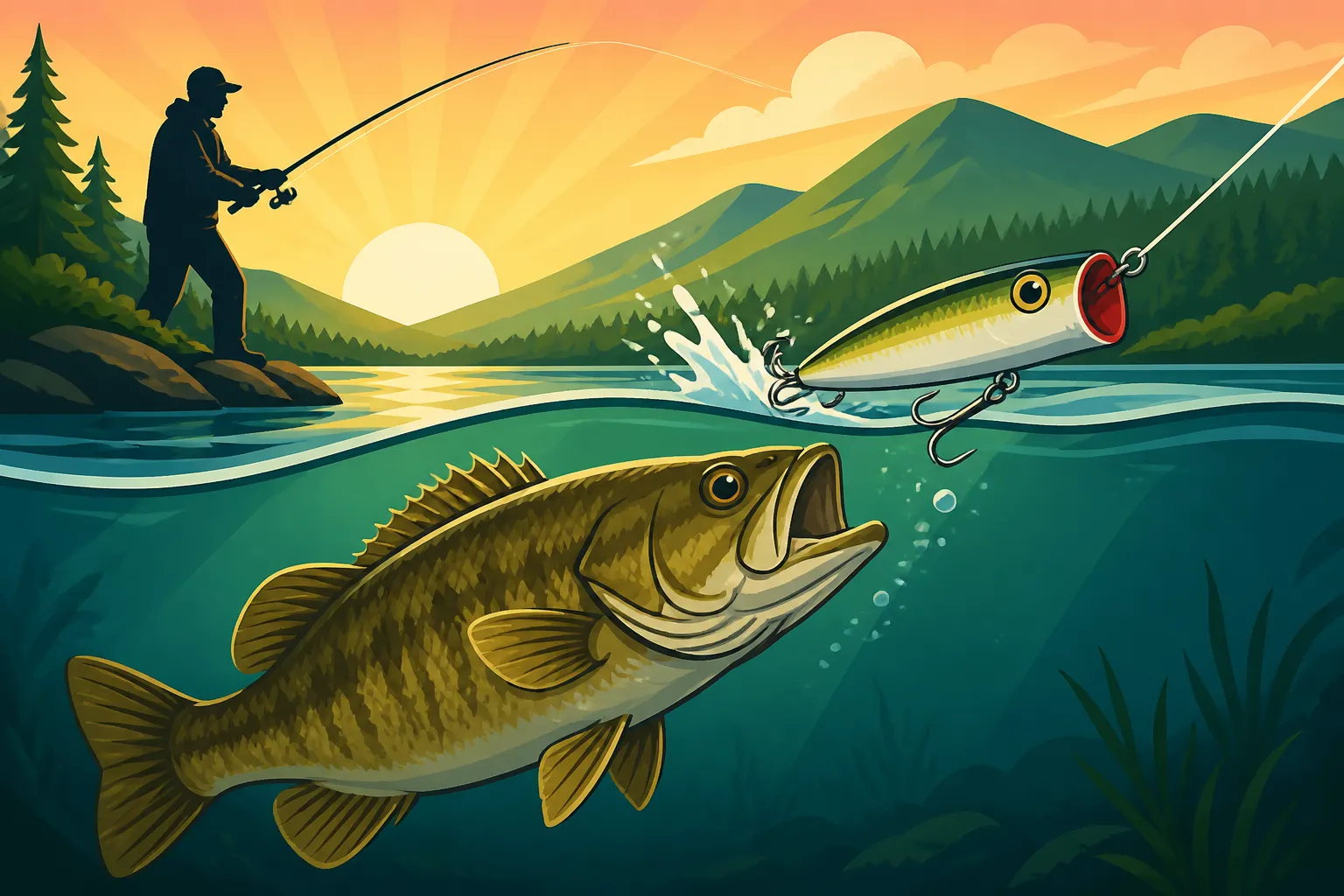
Smallmouth bass are ambush predators, and they thrive in low-light conditions. As the sun begins its ascent, casting long shadows and gently illuminating the landscape, the water's surface remains dim for a crucial period. This reduced visibility gives smallmouth an advantage, allowing them to stalk and strike unsuspecting prey from below without being easily seen by their quarry. It also makes them feel more secure, pushing them shallower to feed more aggressively than they might in the harsh glare of midday.
Think about it: in the full sun, a bass might be more hesitant to commit to a surface lure, especially in clear waters like those found in Lake Champlain or Lake Willoughby. The bright light can make them shy and retreat to deeper cover. But in the pre-dawn glow and first hour of sunrise, that hesitation often melts away. The low light diffuses your presence and the lure's details, making a topwater offering look incredibly natural and irresistible as it breaks the surface tension. It's truly a prime feeding window when bass feel bold and uninhibited.
Cooler Waters, Active Fish
Another significant factor is water temperature. During the warmer months, Vermont's lakes and rivers can heat up considerably by afternoon. Smallmouth, while tolerating a range of temperatures, often become less active and seek deeper, cooler water as the day progresses. Dawn offers a respite from this heat, as the water temperature is at its coolest point after the overnight hours.
These cooler temperatures invigorate smallmouth. They become more metabolism-driven, more willing to chase, and generally more aggressive. This burst of early morning activity is precisely what we're looking for when throwing topwater lures. It means they're not just looking for an easy meal; they're often hunting for one, making them much more likely to smash a noisy, erratic bait on the surface. This effect is particularly noticeable on larger, shallower bodies of water where temperatures can fluctuate more dramatically.
Baitfish on the Move
Dawn is also a crucial time for baitfish activity. Minnows, shiners, and other small forage fish that smallmouth prey upon often move into shallower areas to feed on insects or escape nocturnal predators. As the light improves just enough, these baitfish become visible and vulnerable. This creates a perfect storm for smallmouth: low light for ambush, cool water for activity, and a buffet of baitfish moving into their hunting zones.
Watching for schooling baitfish near the surface, or even hearing them "pop" as they feed, can be a huge indicator that smallmouth are nearby and ready to ambush. Your topwater lure, mimicking a struggling or fleeing baitfish, becomes an easy target. This is especially true around rocky points, submerged weed lines, and gravel flats where baitfish congregate. Knowing What walleye eat on Lake Champlain or what smallmouth prefer can give you a leg up in matching your lure's profile to the local forage.
Your Topwater Arsenal: Types of Lures for Early Mornings
When it comes to topwater fishing for smallmouth in Vermont, you've got a fantastic array of lures to choose from, each with its own unique action and appeal. The key is understanding when and where to deploy each one.
Poppers: The Aggressive Thrill
Poppers are arguably the most exciting topwater lures to use because their action is so dramatic. They feature a concave or cupped face that, when twitched, creates a "pop" or "chug" sound by displacing water. This sound, combined with a splash, is highly effective at mimicking a struggling baitfish or a frog leaping into the water. Poppers really shine when smallmouth are actively feeding and need a strong attractor to draw them in.
They are fantastic around heavy cover like lily pads, submerged timber, or rocky shorelines. Their ability to stay in one spot for a longer period, making repeated pops and pauses, allows cautious bass to find them and commit. Look for poppers in natural baitfish patterns like shad or perch, or vibrant frog patterns. Brands like Rebel and Rapala have classic popper styles that have been fooling bass for decades. Many anglers find a good selection of these on Amazon, often with various sizes and color options to match local conditions.
Walk-the-Dog Baits: The Subtle Seducer
Walk-the-dog lures, often referred to as "walkers," are characterized by their cigar-shaped body and the mesmerizing side-to-side gliding action they create when retrieved correctly. Unlike poppers, they don't create a big splash, but rather a subtle, rhythmic "wobble" that imitates a dying baitfish or even a snake swimming on the surface. This action can be incredibly enticing for smallmouth that might be a bit more finicky or in clearer water.
The walk-the-dog action is less about aggressive noise and more about hypnotic movement. It's often the go-to choice when smallmouth are chasing baitfish in open water or along extended gravel bars. Learning the cadence to get the lure to "walk" takes a bit of practice, but once you get it down, it's one of the most rewarding topwater presentations. Classic options like the Zara Spook or Heddon Super Spook are perennial favorites. You can find many walk-the-dog style lures in a range of sizes and colors on Amazon, allowing you to choose the perfect imitation for your specific fishing spot. For more insights into these techniques, check out our guide on Topwater Fishing for Smallmouth Bass in Vermont.
Prop Baits: Creating a Commotion
Prop baits are a hybrid category, combining elements of traditional minnow-shaped lures with one or two small propellers, typically at the front or both ends. These propellers churn the water, creating a fizzing sound and a subtle wake that can be irresistible to smallmouth. They offer a good middle ground between the aggressive splash of a popper and the subtle glide of a walk-the-dog lure.
Prop baits are excellent when smallmouth are slightly spread out and you need a lure that can cover water while still creating an enticing disturbance. They're particularly effective over submerged grass beds or along rocky shorelines where bass are holding a bit deeper but willing to rise for a commotion. The size of the props can influence the noise and splash, so having a few different styles can be beneficial. They're a versatile option, especially when the bass are actively chasing bait near the surface.
Retrieving for Success: Making Your Lure Dance
Having the right topwater lure is only half the battle; the other half is bringing it to life with an effective retrieve. Smallmouth are incredibly attuned to subtle movements and sounds, so mastering your presentation is crucial.
The Art of the Walk
The "walk-the-dog" retrieve is iconic for a reason, but it takes a bit of practice to perfect. It involves a series of subtle twitches of the rod tip, combined with reeling in slack line, to make the lure glide from side to side. It's not a steady pull, but rather a rhythmic wrist movement. Imagine you're trying to make the lure wiggle back and forth without moving it forward too quickly. The trick is to keep your rod tip pointed down towards the water, giving quick, short jerks, and then reeling in the slack as the lure glides.
The speed and consistency of your walk can make a huge difference. Sometimes a fast, frantic walk will trigger a chase, mimicking a fleeing baitfish. Other times, a slow, deliberate cadence with extended pauses will draw in more cautious fish, giving them ample time to inspect the lure before committing. Experimentation is key; let the fish tell you what they prefer on any given morning. This retrieve is especially effective on large, open water bodies like Lake Champlain where smallmouth cruise expansive flats.
Chugs, Rips, and Pauses
For poppers and prop baits, the retrieve is less about gliding and more about creating sound and splash. With a popper, short, sharp snaps of the rod tip will make the lure "chug" or "pop" loudly. A longer, softer pull might create a gurgling sound. Often, the most effective retrieve involves a "pop-pop-pause" or "chug-pause" rhythm. The pause is critical, giving the bass a chance to hone in on the lure and strike. Many strikes occur when the lure is completely still after a series of pops.
Prop baits can be retrieved with a steady slow roll to create a continuous fizzing wake, or with a series of short jerks and pauses similar to a popper to make the props chop the water more aggressively. The goal is to imitate a struggling or injured baitfish, so don't be afraid to mix up the retrieve. Varying the speed, the force of your twitches, and the length of your pauses is essential to cracking the code on any particular morning.
Reading the Fish and Adjusting
The best advice for any retrieve is to pay close attention to the fish themselves. Are they short-striking? Are they following the lure but not committing? Are they blowing up on it but missing the hooks? Each of these scenarios tells you something about how they're reacting to your presentation. If they're missing, try a slower retrieve with longer pauses, or perhaps a smaller lure. If they're just swatting at it, speed it up a bit to trigger a reaction strike.
Sometimes, a totally erratic retrieve—a fast walk, then a sudden stop, then a few quick pops—can be the ticket. Smallmouth are curious and opportunistic, and an unpredictable retrieve can often mimic a truly distressed meal. Don't be afraid to experiment with your retrieve until you find what triggers those explosive, satisfying strikes. Finding the best Retrieve speed for smallmouth in fall can be very different from the spring bite, so always be willing to adjust.
Matching Lures to Vermont's Diverse Waters and Conditions
Vermont offers an incredible variety of fishing environments, from the vast expanse of Lake Champlain to countless smaller ponds and winding rivers. The conditions can vary wildly, and tailoring your topwater lure choice and technique to these specific scenarios will significantly boost your success.
Clear Lakes vs. Stained Rivers
Vermont boasts some incredibly clear lakes, like Lake Willoughby, where sight fishing can be a real possibility. In these clear water scenarios, smallmouth can be more finicky and easily spooked. For dawn fishing in clear lakes, opting for more natural colors and subtle actions often pays dividends. Think clear, chrome, or natural shad patterns for walk-the-dog lures. A walk-the-dog lure's subtle action is often preferred over the aggressive splash of a popper, as it seems less intrusive. Remember, in clear water, bass have more time to scrutinize your bait. For more on specific bodies of water, check out our Lake Champlain Fishing Guide.
Conversely, if you're fishing a stained river like parts of the Winooski River, you might need a lure with more presence and vibration. Louder poppers with bright colors like chartreuse or fire tiger can be excellent choices to help bass locate the lure in reduced visibility. Prop baits, with their churning action, are also fantastic here, creating both visual and sonic cues that bass can home in on. The goal shifts from mimicking subtlety to demanding attention.
Wind, Structure, and Fish Behavior
Wind is a huge factor in topwater fishing. On calm mornings, the water surface is like a mirror, making subtle walk-the-dog lures incredibly effective. However, a slight chop on the water can actually be beneficial, breaking up the surface and making your lure look more natural, allowing you to use poppers more effectively. If the wind really picks up, it can make presenting a topwater lure difficult, but sometimes the windward banks can be highly productive as baitfish get pushed against them.
Structure is paramount for smallmouth bass. Dawn topwater bites are often concentrated around rocky points, submerged humps, gravel flats, isolated boulders, and the edges of weed lines. These are ambush points where smallmouth will patrol, waiting for an easy meal to pass overhead. Casting your topwater lure precisely to these areas, allowing it to sit over the prime strike zone for a few extra seconds, can dramatically increase your hook-up ratio. Knowing How to fish rocky points for smallmouth can truly elevate your game.
| Lure Type | Primary Action | Best Conditions | Key Retrieve Style | Notes for Vermont Smallmouth |
|---|---|---|---|---|
| Popper | Splash, Chug | Calm to Light Chop, Heavy Cover | Pop-Pop-Pause | Aggressive strikes, great near lily pads & rocks |
| Walk-the-Dog | Side-to-Side Glide | Calm to Light Chop, Open Water | Rhythmic Rod Twitch | Subtle, natural, effective in clear water |
| Prop Bait | Fizz, Churn, Wake | Calm to Moderate Chop, Weed Edges | Steady Roll, Twitch & Pause | Covers water, good in slightly stained conditions |
| Buzzbait | Surface Chatter | Low Light, Around Cover | Steady Fast Retrieve | Creates a lot of noise, ideal for active fish |
Terminal Tackle and Setup Tips
Your terminal tackle plays a surprisingly big role in topwater success. For most topwater applications, a medium-heavy to heavy power casting or spinning rod with a fast action is ideal. This gives you the backbone to cast larger lures and enough tip sensitivity to work them effectively, plus the power to drive hooks home. Many anglers prefer a spinning rod for smallmouth bass when fishing lighter topwaters. Pair this with a baitcasting reel for accuracy or a spinning reel for ease of use, spooled with 10-15 lb monofilament or braided line.
Monofilament has some stretch, which can be forgiving on aggressive topwater strikes, and it floats, which helps the lure perform as intended. Braided line offers superior casting distance and strength, but you'll almost always want to tie a 2-3 foot fluorocarbon or monofilament leader to it to provide some shock absorption and reduce visibility, especially in clear water. Make sure your knots are strong and your hooks are sharp – those explosive strikes demand it! Checking a local tackle shop or looking for quality fishing line options on Amazon can ensure you're well-prepared.
More Topwater Favorites: Beyond the Big Three
While poppers, walk-the-dog baits, and prop baits cover most of your dawn topwater needs, a few other contenders deserve mention for specific situations in Vermont. It's always good to have a diverse tackle box because conditions can change rapidly, and what works one morning might not the next.
Buzzbaits: The Noise Makers
Buzzbaits are undeniably loud. Featuring a wire frame with a large propeller blade that churns water and creates a distinct "buzzing" sound when retrieved, they are designed for maximum commotion. These lures are best suited for truly low-light conditions—think right at first light, before the sun has fully broken the horizon, or even on overcast mornings. Their single-minded purpose is to attract attention, and they do it very well.
Buzzbaits excel when bass are highly aggressive and you need to cover a lot of water quickly, particularly over shallow, weedy flats or around flooded timber. They're a fantastic choice for when the smallmouth are scattered and you need to call them in from a distance. The retrieve is fairly straightforward: cast it out and reel it in steadily, just fast enough to keep the blade spinning and the lure on the surface. Don't be surprised if the strike feels like a freight train hitting your line! You can often find a wide variety of buzzbaits, including those with different blade styles and skirt colors, available on Amazon.
Soft Plastic Frogs and Toads: Sneaky and Weedless
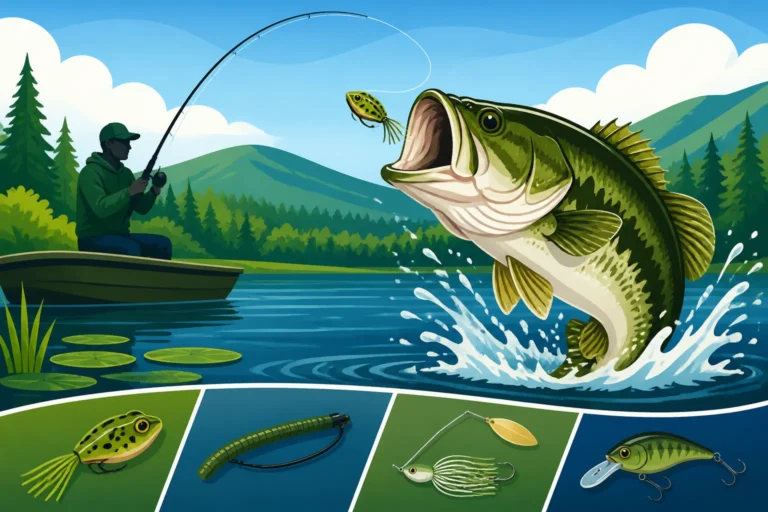
For those mornings when you're fishing in incredibly dense cover—think thick lily pads, matted grass, or heavy slop—soft plastic frogs and toads become indispensable. These weedless wonders are designed to be fished directly over and through the heaviest vegetation where conventional treble-hooked topwater lures would instantly snag. While they may not have the built-in action of hard baits, a skilled angler can impart a lifelike "walk" or "twitch" that perfectly mimics a frog hoping across the surface.
The key to fishing these is patience and accurate casting. Place your frog right on top of a lily pad, let it sit for a moment, then twitch it off into an open pocket of water. The strikes are often ferocious and unexpected, erupting from beneath the thick cover. Rig them on a heavy-duty wide gap hook to ensure good hook sets through the plastic. These aren't just for largemouth; smallmouth that are ambushing from thick cover will absolutely smash a well-presented frog. Remember to look for areas with good vegetation, such as some of Vermont's smaller ponds or back bays of larger lakes.
Waking Baits: Subtle Yet Effective
Waking baits are generally lipped crankbait-style lures that are designed to run just under or right on the surface, creating a subtle, V-shaped wake as you retrieve them steadily. They don't dive, pop, or walk in the traditional sense, but their constant, low-frequency vibration and visible surface disturbance can be incredibly effective when smallmouth are feeding on smaller baitfish near the surface but might be wary of more aggressive topwater presentations.
These are great for covering open water quickly, especially along shallow flats, rocky shorelines, or across points where smallmouth are actively cruising. The steady, quiet retrieve can be just the ticket for finicky fish on those perfectly calm, glassy mornings. They are a good alternative if the bass aren't responding to the louder options but are still looking up for a meal. Look for waking baits in natural baitfish colors and profiles.
Putting It All Together for Vermont Smallmouth Success
Successfully targeting smallmouth bass on topwater at dawn in Vermont is a combination of understanding their behavior, selecting the right lure, and mastering the retrieve. Don't be afraid to mix and match. Start with a walk-the-dog lure on those calm, clear mornings, then switch to a popper if you encounter some chop or heavy cover. If the bite is tough, scale down your lure size or slow down your retrieve. Conversely, if they're smashing everything, try a buzzbait to cover more water and trigger those aggressive reaction strikes.
Always remember the importance of casting accuracy, especially around prime smallmouth structure like submerged rocks, fallen trees, or transition zones between deep and shallow water. A precise cast that lands your lure right in the strike zone, followed by an immediate pause, can often trigger an instant explosion. Having the right setup, including a good Best Tackle for Vermont Smallmouth Bass, will make a world of difference.
And finally, enjoy the experience! There's something truly special about being on the water as the day begins, anticipating that exhilarating topwater strike. It's a memory-making way to fish, and Vermont's smallmouth offer some of the best topwater action you'll find anywhere. So, get out there early, embrace the dawn, and let those smallmouth show you what they're made of!
Disclaimer
This article is for general informational purposes only and does not constitute professional advice. Laws, prices and regulations vary by location and change over time. Consult a qualified professional for guidance on your specific situation.