Best technique for high water spring bass fishing
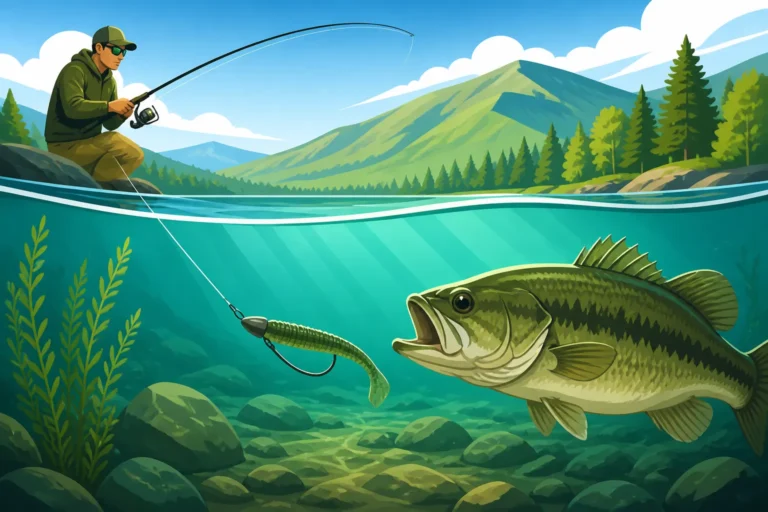
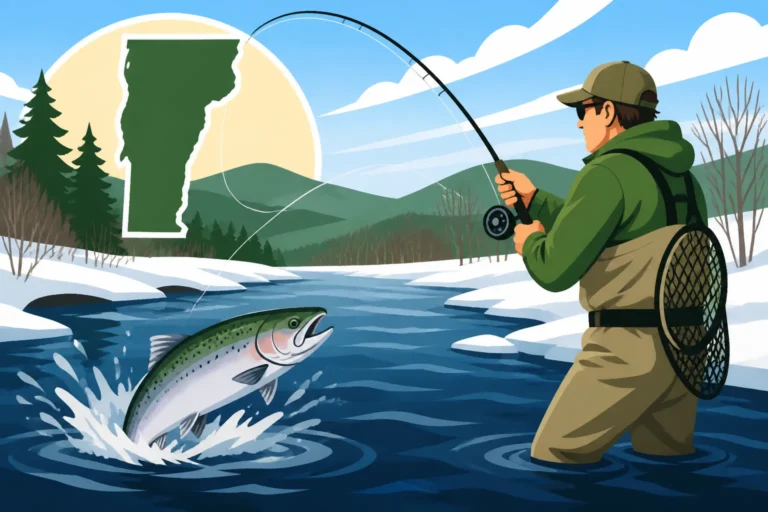
That feeling when you arrive at your favorite spring bass fishing spot in Vermont, only to find the water level dramatically higher than you expected, turning familiar banks into murky, flooded jungles? It's a truly frustrating experience, making you wonder if the bass have simply vanished or if all your usual tricks are now useless. But don't despair! High water in spring isn't a reason to pack up and go home; it's an opportunity to adapt and explore new, often highly productive, patterns. This guide will walk you through the best techniques to locate and catch bass when Vermont's rivers are swollen and lake levels are unusually high, ensuring your spring fishing trips are still successful and rewarding.
The Challenges and Opportunities of High Water Spring Bass Fishing in Vermont
Spring in Vermont is a time of incredible transformation, but it often comes with a hefty dose of high water. Whether it's the annual snowmelt unleashing torrents from the Green Mountains or a series of heavy spring rains saturating the landscape, seeing your favorite fishing holes transform can be downright disheartening. That perfectly defined shoreline where you always catch bass might now be several feet underwater, stretching into the woods, and the gentle current you're used to on the Lamoille River might be a raging torrent. It's easy to assume the fishing is just "off," but that's rarely the case. Bass don't simply disappear; they adapt, and so must we.
The key to success lies in understanding why the high water affects them and how they respond. High water usually means a few things: colder water, often murkier conditions, and significantly increased current, especially in rivers. These factors change everything for bass. They might retreat from their usual haunts, seeking shelter from the strong currents, or they might follow the newly flooded edges, exploring fresh feeding opportunities in what was once dry land. This "new" water creates fresh ambush points, extends cover, and can concentrate baitfish in unexpected areas. For the angler willing to adjust, these conditions can lead to some incredible fishing, sometimes even for trophy-sized fish that are less wary in the expanded cover. It truly pays to understand the broader context of Vermont Fishing Seasons by Month and how these conditions fit into the annual cycle, rather than just packing it in.
Decoding Bass Location in Swollen Spring Waters
When the waters rise, the first question on every angler's mind is, "Where did they go?" Bass don't just vanish; they're simply not where you usually find them. They're seeking refuge, stability, and new food sources. Your job is to think like a bass and identify these new prime locations. This means looking beyond the obvious and paying close attention to the subtle cues the environment is giving you.
Leveraging Newly Flooded Shoreline Cover
One of the most exciting aspects of high spring water is the creation of vast amounts of new cover. Imagine a lake where the water has crept several feet into the bank, inundating bushes, small trees, and thick grass that were previously dry. This newly flooded terrestrial vegetation becomes an immediate magnet for bass. Why? Because it offers unparalleled shelter from strong currents (if present), provides excellent ambush points for unsuspecting baitfish, and often holds a slightly warmer water temperature due to the shallow depth and absorption of sunlight.
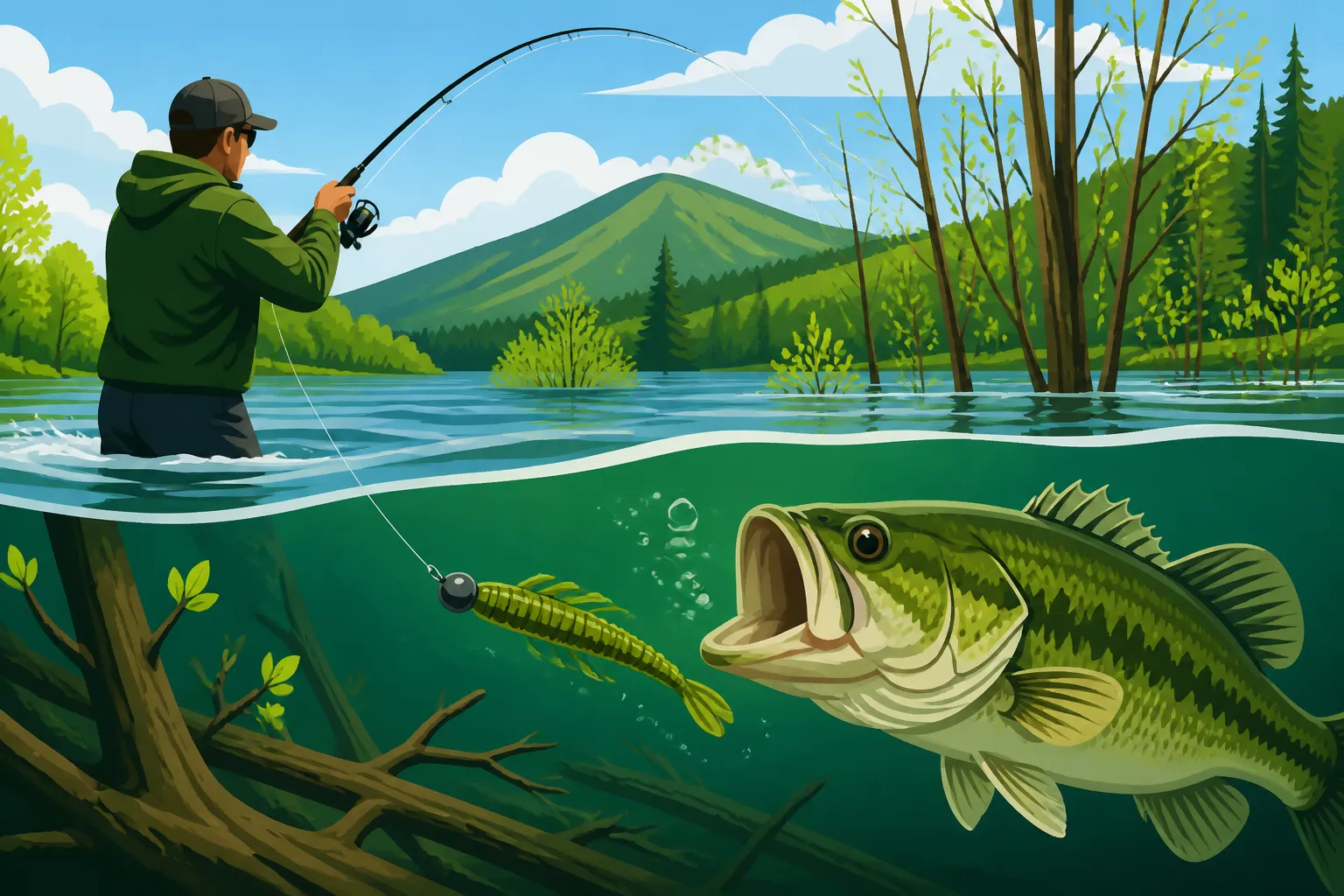
When approaching these areas, don't just cast to the edge. Pitch your lures deep into the flooded brush. Think about where a bass would hide to avoid the current or wait to ambush a passing minnow. Look for isolated clumps of submerged alders, thick grass mats that are now floating, or even the trunks of trees that were previously on dry land. These can be incredible zones for largemouth bass, especially in warmer, shallower ponds or the protected bays of Lake Champlain. For anglers with a kayak, exploring these flooded margins can be an absolute game-changer, offering access that larger boats simply can't achieve. If you're wondering about the best craft, our guide to Best Kayaks for Vermont Fishing offers some great insights.
Targeting Current Breaks and Seams
In river systems like the Otter Creek or Winooski River, or even in larger lakes like Lake Champlain when strong winds create significant currents, bass will aggressively seek out current breaks. Strong flows are exhausting for fish, so they'll look for any area where the water slows down. These "current breaks" are your golden tickets.
Think about areas directly behind large rocks, fallen trees (log jams can be incredible!), bridge pilings, or even subtle indentations in the shoreline that create an eddy. The bass will position themselves just out of the main current, often facing upstream, waiting for food to be swept past them. These can be smallmouth bass havens. The seam where the fast water meets the slow water is a prime feeding lane. Casting your lure upstream of these breaks and allowing it to drift naturally into the slower water can be incredibly effective. Don't overlook quieter backwater pockets or oxbows that become invigorated with fresh, oxygenated water during high flow periods, as these can concentrate both bass and bait. For those who love the challenge of How to Fish a River for Smallmouth Bass, these conditions truly test your understanding of hydraulics and fish behavior.
Exploring Depth Transitions and Subtleties
While bass often push shallower during high water to utilize new cover, they won't always abandon deeper water entirely, especially if the shallow areas are too cold or turbulent. Sometimes, they'll simply move to the edges of deeper water, specifically targeting submerged ledges, drop-offs, or humps that are now closer to the newly flooded shoreline cover.
If the main river channel is roaring, bass might hug the banks in slightly deeper pockets where the current is less intense, or they might position themselves on the upstream side of any significant structure that offers a buffer. In lakes, high water might mean that certain offshore humps or rock piles are now even more productive, as bass use them as staging areas before moving into flooded timber or grass. Paying attention to your fish finder or simply observing the contour of the bank as it extends underwater can reveal these crucial depth transitions. The ability to effectively target Best Shore Fishing Spots in Vermont becomes even more critical when boat access might be difficult due to submerged obstacles or strong currents near ramps.
Top Techniques for High Water Spring Bass in Vermont
Once you've started to pinpoint where those bass might be hiding, it's time to talk about the actual techniques and lures that consistently produce in these challenging, yet rewarding, conditions. You need to present baits in a way that stands out in often murky water, gets into tight cover, and appeals to bass that might be a little sluggish from the cold.
Pitching and Flipping into Flooded Cover
This is arguably the most effective technique when bass are tucked deep into newly flooded shoreline cover. "Pitching" involves a controlled underhand cast, while "flipping" is a shorter, more precise presentation using minimal line. Both are about getting your lure quietly and accurately into tight spots that a typical cast can't reach.
When you see flooded bushes, trees, or matted grass, that's your cue. Bass will be buried in there, often right up against the trunks or stems. You need a weedless setup that can penetrate this cover without getting hung up.
- Lure Selection: Heavy jigs (like a 1/2 to 3/4 oz jig with a craw trailer) are fantastic. The weight helps them punch through cover quickly, and the bulky profile is easily detected in stained water. Texas-rigged soft plastics, such as creature baits, bulky worms, or beaver-style baits, are also excellent. Use a stout tungsten weight to ensure it punches through.
- Heavy Line & Rods: Don't be afraid to go heavy here. You're going to be pulling fish out of thick stuff. Braided line, in the 30-50lb test range, is ideal for its strength and abrasion resistance. Pair it with a stout, heavy-action casting rod, typically 7 to 7.6 feet long, to give you the leverage needed to winch fish out. For specific recommendations, our guide on Best Fishing Rods for Vermont Lakes can provide a good starting point.
- Step-by-step: Approach the flooded bank quietly. Identify a pocket or a dense clump of cover. Hold your rod tip high, engage your reel, and with a controlled motion, pitch or flip your lure into the cover. Let it sink to the bottom, feeling for any taps or unnatural slack. If no bite, gently lift and drop it a few times, then retrieve and pitch to the next spot. Repeat, repeat, repeat. Patience is key.
Working Current Seams and Eddies
If you're fishing a river or a wind-blown lake with noticeable current, your tactics need to shift to capitalize on those current breaks. Here, the bass are more likely to be actively feeding, ambushing anything that drifts past.
- Lure Selection: Spinnerbaits are absolute killers in these conditions. The flash and vibration cut through murky water, and they're relatively weedless, making them excellent for bumping off submerged rocks and timber. Lipless crankbaits, with their aggressive rattle and vibration, are also fantastic search baits. Squarebill crankbaits excel at deflecting off cover in shallower, current-swept areas. Paddle tail swimbaits, either on a jig head or a weighted swimbait hook, can also be deadly, mimicking fleeing baitfish. If you're curious about specific lure recommendations for the big lake, check out Best Baits for Smallmouth Bass on Lake Champlain.
- Positioning: The trick here is to position your boat or yourself (if bank fishing) upstream of the current break. Cast your lure so it lands upstream and slightly across the current. Allow the current to sweep the lure naturally into the eddy or current seam. Experiment with your retrieve speed – sometimes a slow, steady retrieve is best, other times a faster, erratic one. Pay close attention as the lure enters the slack water; that's often when the strike occurs.
- Fan Casting: Don't just cast to one spot. Fan cast across the entire current break, varying your angles and retrieve depths to ensure you cover the entire strike zone.
Slow, Deliberate Presentations
Sometimes, especially if the water is very cold or extremely muddy, bass can be less aggressive. They might not chase a fast-moving spinnerbait, preferring an easier meal. This is when slow, deliberate presentations become incredibly effective.
- Lure Selection: Football jigs are excellent for slowly dragging along the bottom of flooded areas or depth transitions. Their head design helps them maintain contact with the bottom and deflect off cover. Shaky head worms or Ned rigs are fantastic finesse options when bass are finicky. These small, subtle presentations can entice bites from sluggish bass that ignore everything else. Small swimbaits on a light jig head can also be crawled slowly.
- Sensitivity: In murky water where visual cues are limited, detecting bites comes down to feel. This is where a sensitive rod and line setup really shine. Braided line with a fluorocarbon leader is a popular choice among anglers because the braid offers incredible sensitivity, allowing you to feel even the most subtle tap. Many high-quality braided lines and fluorocarbon leaders are readily available on Amazon, offering excellent performance for various fishing scenarios. You'll definitely want to explore Best Fluorocarbon Line for Clear Lake Water to understand how to maximize this setup.
- Technique: Cast your lure to a promising spot, let it sink, and then work it slowly along the bottom or through cover. Think of it as feeling your way. Drag the bait a few inches, pause, shake it gently, then drag it again. Watch your line for any twitch or unnatural movement, as sometimes a bite will just feel like added weight or slack.
High Water Spring Bass Lure Guide
To help you quickly choose the right tool for the job, here's a breakdown of common lures for high water spring bass fishing:
| Lure Type | Best Use in High Water | Key Features | Pros | Cons |
|---|---|---|---|---|
| Jigs (Flipping/Pitching) | Dense flooded cover (bushes, trees), heavy grass | Weedless, bulky profile, heavy weight to penetrate | Excels in heavy cover, large profile in murky water, can imitate crawfish | Prone to snags if not fished carefully, requires precise casting |
| Spinnerbaits | Current breaks, stained water, searching large areas | Flash (blades), vibration, single hook (weedless) | Great search bait, high vibration/flash, can be retrieved at various speeds | Less effective in extremely heavy, matted cover |
| Crankbaits (Squarebill) | Shallow flooded banks, bumping off submerged wood/rocks | Floats at rest, deflects off cover, aggressive wobble | Excellent for cover deflection, strong vibration, can cover water quickly | Not ideal for very dense vertical cover, can get hung up in deep snags |
| Swim Jigs | Moderate flooded cover, edges of grass, open water | Weedless, subtle wobble, can be fished at various depths | Versatile, excellent in varied cover, natural swimming action | May not penetrate thickest cover as well as a pure jig, less vibration than spinnerbaits |
| Texas-rigged Soft Plastics | Heaviest cover, slow bottom-contact presentations | Weedless, customizable weight, natural feel | Extremely weedless, versatile for different depths and cover, subtle action | Requires good feel for bites, can be slow to fish large areas |
Essential Gear and Mindset for High Water Success
Having the right techniques is crucial, but they're only as good as the gear you pair them with and the mindset you bring to the water. High water spring fishing often demands a different approach, both in your tackle selection and your mental game.
Rod & Reel Setup for Power and Precision
For pitching and flipping into heavy cover, you'll want to lean on your casting gear.
- Heavy Action Casting Rods: A good heavy-action rod, typically 7 to 7.6 feet in length, provides the backbone needed to punch through thick cover and control a strong bass once it bites. The longer length also helps with line management and longer pitches. Look for something with a fast tip for sensitivity but a strong butt section for power.
- High-Speed Casting Reels: A reel with a high gear ratio (7.1:1 or higher) is invaluable. This allows you to quickly pick up slack line after a cast or a missed strike, and more importantly, to rapidly get a fish out of heavy cover once hooked, preventing it from burying itself.
- Spinning Gear: Don't count out spinning gear entirely. For finesse presentations like a Ned rig or a shaky head, especially if bass are extremely finicky or the water is very clear (which can happen in some high-water scenarios after sediment settles), a medium-heavy spinning rod with a sensitive tip is perfect. This setup is also great for lighter lipless crankbaits or small swimbaits.
Line Choices: The Unseen Connection
Your fishing line is your direct connection to the fish, and choosing the right one for high water conditions is paramount.
- Braided Line: For pitching and flipping heavy cover, braided line is king. Its zero stretch means incredible sensitivity, allowing you to feel every subtle tap, and its superior strength and abrasion resistance mean you can pull fish out of nasty cover without fear of breaking off. It's also excellent for cutting through weeds.
- Fluorocarbon Leader: While braid is great for a main line, it can be visible in clearer water. Tying on a fluorocarbon leader (15-25 lb test for most bass applications) offers lower visibility, which can be crucial for spookier bass. It also provides a bit of shock absorption and good abrasion resistance, especially if you're fishing around rocks or timber. Many anglers swear by this combination for its versatility and effectiveness, and you can find a wide array of options on Amazon to suit your specific needs.
- Straight Fluorocarbon: For crankbaits or other reaction baits where sensitivity is still important but a bit of stretch is desired (to prevent hooks from tearing out on violent strikes), straight fluorocarbon (12-20 lb test) can be a great choice. It sinks, which can help get your baits deeper, and offers good abrasion resistance.
Boating/Bank Access Considerations
High water changes access. Always be mindful of your surroundings.
- Boat Navigation: If you're using a boat, proceed with extreme caution. High water can submerge familiar hazards like stumps, rocks, and shallow bars. Navigate slowly and keep an eye on your depth finder. For exploring those newly flooded, shallower areas, a smaller, shallow-draft boat like a jon boat or even a specialized fishing kayak can be incredibly advantageous. If you're considering the legalities and safety aspects, it's always wise to review Vermont Boating Laws for Anglers.
- Bank Fishing: High water can open up new stretches of bank that were previously inaccessible or dry, but it can also create dangerous currents near the main channel. Always prioritize safety. Wear sturdy, non-slip footwear – a good pair of waterproof wading boots can be found on Amazon, offering excellent grip on slippery banks. Avoid wading into fast-moving water unless you are absolutely confident in your footing and wearing a personal flotation device.
- Safety First: Regardless of whether you're in a boat or on the bank, high water often means colder water temperatures. Always dress in layers and, most importantly, wear a life jacket, even if you're a strong swimmer. Accidents happen quickly, and a PFD is your best defense. Our guide on Life Jacket Requirements for Vermont Boaters provides critical information for staying safe on the water.
Patience and Persistence: Your Most Valuable Tools
Let's be real, high water fishing isn't always easy. It can be a grind. But the rewards can be monumental. The biggest challenge is often finding where the bass have moved to. This requires patience, persistence, and a willingness to experiment. Don't be afraid to try different lures, retrieve speeds, and areas. Cover water, but also slow down and thoroughly pick apart promising spots.
Pay attention to subtle clues: a slight ripple in an otherwise calm eddy, a patch of slightly warmer water, or a single baitfish flickering near flooded cover. The bass are there; you just need to crack the code. Embrace the challenge, trust your instincts, and remember that every tough day on the water is a learning experience that makes you a better angler.
Disclaimer
Please be aware that fishing regulations in Vermont can change. Always consult the latest Vermont Fish & Wildlife Department regulations before heading out. The information provided here is for general guidance and educational purposes only. Always prioritize safety when on the water.