Best Techniques for Muskellunge on Lake Memphremagog
Chasing muskellunge on Lake Memphremagog isn't for the faint of heart; these incredible predators are famously elusive, testing the patience and skill of even the most seasoned anglers. It can be incredibly frustrating to spend hours on the water, meticulously covering prime habitat, only to come up empty-handed. But don't despair! This comprehensive guide is designed to equip you with the best techniques, gear, and understanding to increase your odds of hooking into one of Vermont's true freshwater giants.
The Elusive Nature of Lake Memphremagog Muskellunge
Muskellunge, often called "muskies," are apex predators that demand respect and a specialized approach. Lake Memphremagog, straddling the US-Canadian border, is renowned for its muskie population, offering a unique challenge and incredible reward. Understanding their habits is the first step toward success.
Understanding Muskie Behavior and Forage
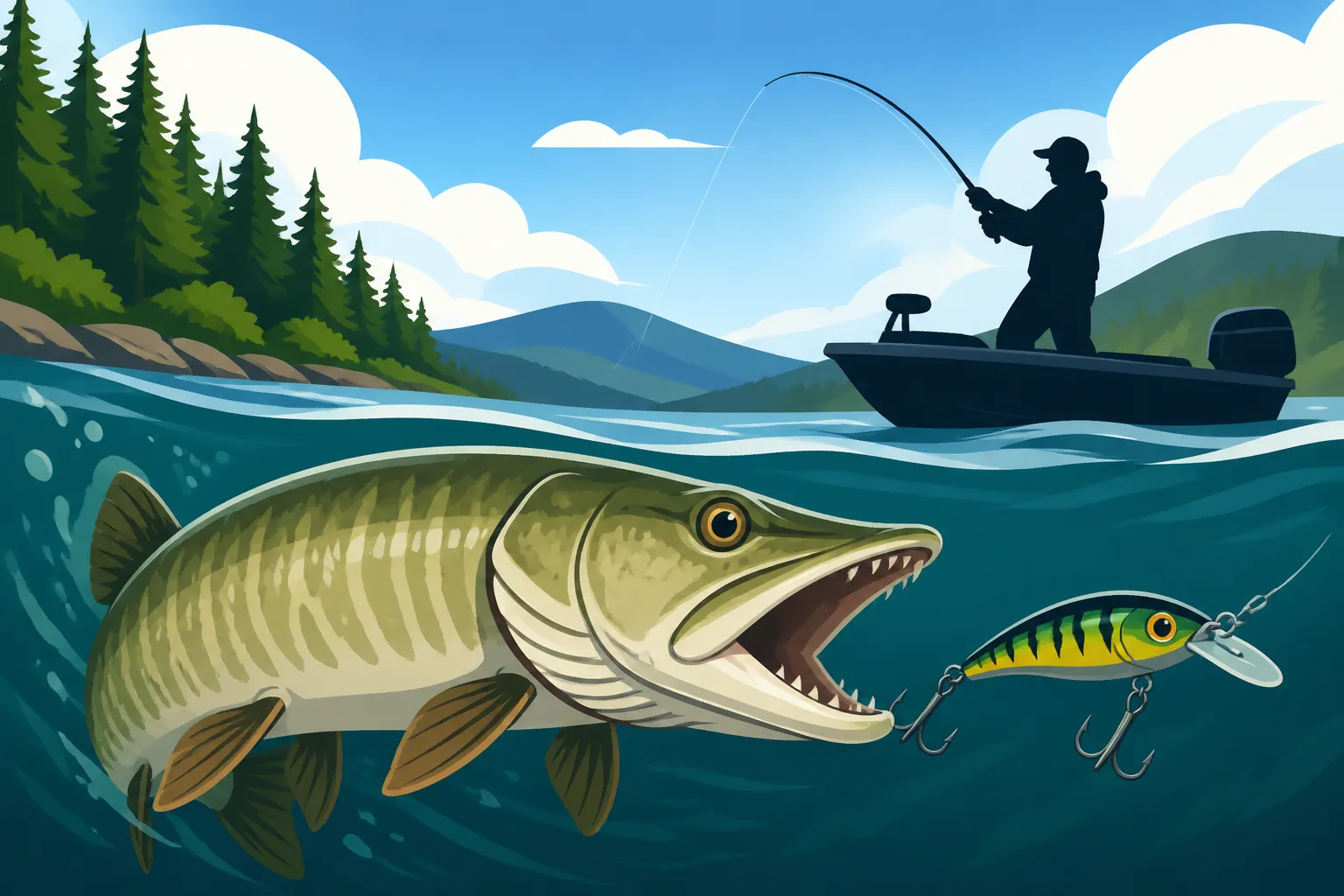
Muskies are ambush predators, known for their aggressive strikes and powerful fights. Their behavior is heavily influenced by their environment and the availability of food. On Lake Memphremagog, muskies primarily feed on a variety of baitfish, including smelt, yellow perch, and various shiners. Their sheer size means they require substantial meals, often leading to periods of inactivity between feeding binges. This "feast or famine" mentality is why persistence is key in muskie fishing. You might cast or troll for hours without a sniff, then suddenly, the lake comes alive with a massive strike. It's a game of patience, knowing that a muskie could be lurking anywhere, waiting for the perfect opportunity to strike. Understanding the movements of these forage species throughout the lake and across seasons is crucial, as muskies will often follow their food source.
Key Muskellunge Habitats on Lake Memphremagog
Lake Memphremagog offers diverse habitats that attract muskellunge. These fish are masters of camouflage, blending into their surroundings, whether it's dense weed beds, submerged timber, or rocky drop-offs. Key areas to focus on include large bays with extensive weed lines, particularly those with a good mix of coontail and cabbage weeds. Look for points, humps, and sudden depth changes (drop-offs) that offer ambush points where muskies can conceal themselves and wait for unsuspecting baitfish to pass by. The southern end of the lake, with its shallower, weedier bays, can be particularly productive in warmer months, while deeper structures become more appealing as water temperatures fluctuate. Knowing the depths they prefer at different times of the year, which can be explored in our guide on Muskellunge Habits on Lake Memphremagog, is essential.
Essential Gear and Tackle for Memphremagog Muskie Hunting
To successfully land a fish that can exceed 50 inches and weigh over 30 pounds, you need gear that can withstand immense power. Skimping on tackle will only lead to heartbreak.
Rod, Reel, and Line Selection for Power and Durability
Muskie fishing demands heavy-duty equipment. For rods, you'll want something stout, typically a heavy or extra-heavy power rod, between 8 and 9.5 feet in length. This extra length helps with casting large lures, making long trolling passes, and absorbing the shock of a powerful muskie's headshakes. Popular choices include sturdy baitcasting rods from brands like St. Croix or Abu Garcia. Matching this with a high-quality baitcasting reel with a robust drag system and high line capacity is non-negotiable. Look for reels designed for big game, capable of holding at least 100-150 yards of heavy braided line. Speaking of line, braided line is the only way to go for muskies. Opt for 80 to 100-pound test; its zero-stretch quality provides excellent sensitivity for detecting subtle bites and immense strength for pulling these giants out of thick cover. Don't forget a heavy-duty fluorocarbon or wire leader, typically 12-18 inches long and 100-150 pound test, to prevent bite-offs from their razor-sharp teeth. You can learn more about specific recommendations in our post on Best Line Weight for Muskellunge Fishing.
Lure Arsenal: From Bucktails to Crankbaits
Muskies are known for being finicky, so having a diverse lure selection is crucial. Your tackle box should be stocked with a variety of proven muskie baits.
- Bucktails: These are often considered the quintessential muskie lure. Large, flashy bucktails with tandem blades create significant vibration and flash, triggering aggressive strikes. Think "Cowgirl" or "Mepps Musky Killer" style lures. They are fantastic for covering water quickly, especially over weed beds or along break lines.
- Crankbaits and Glide Baits: Deep-diving crankbaits are invaluable for trolling, allowing you to reach various depths. Think about lures like a Bagley's Rumble B or a Livetarget. Glide baits, on the other hand, are designed for casting, offering a unique side-to-side swimming action when twitched. They excel in situations where you want a slower, more erratic presentation near structure.
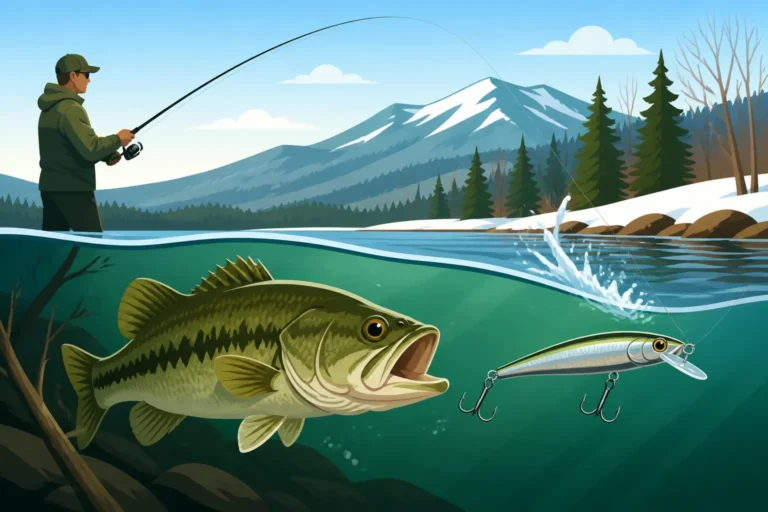
- Jerkbaits: These lures are fished with a rod-sweeping motion, giving them an erratic, darting action that mimics an injured baitfish. They are particularly effective when muskies are less aggressive or holding tight to cover. Look for larger, heavy-duty jerkbaits from companies like Rapala or Bondy Bait.
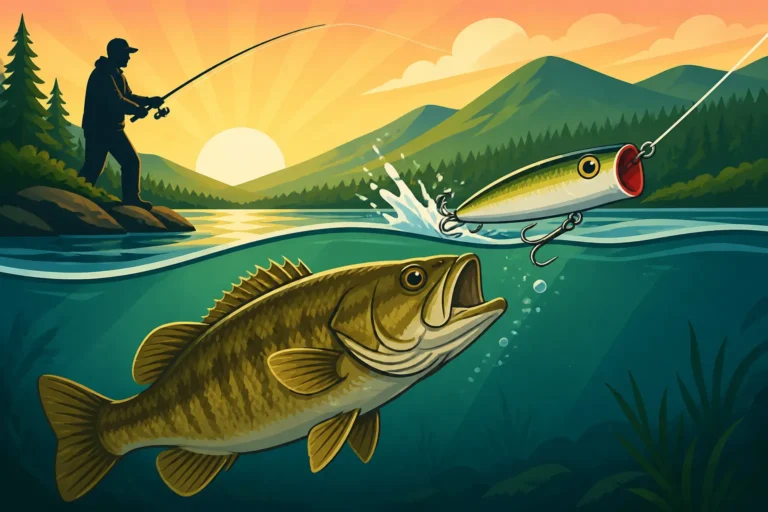
- Topwater Lures: When muskies are active and looking up, a topwater lure can provide some of the most exciting strikes. Large poppers, walk-the-dog baits, or propeller baits create a commotion on the surface that can entice a muskie from surprising depths.
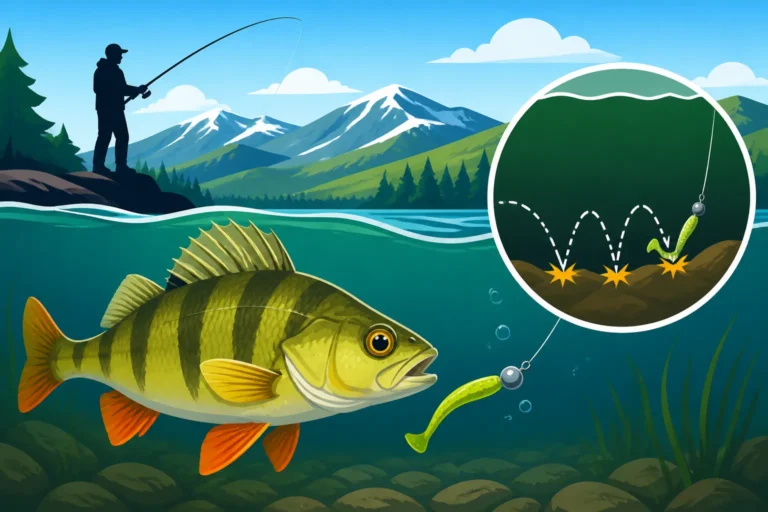
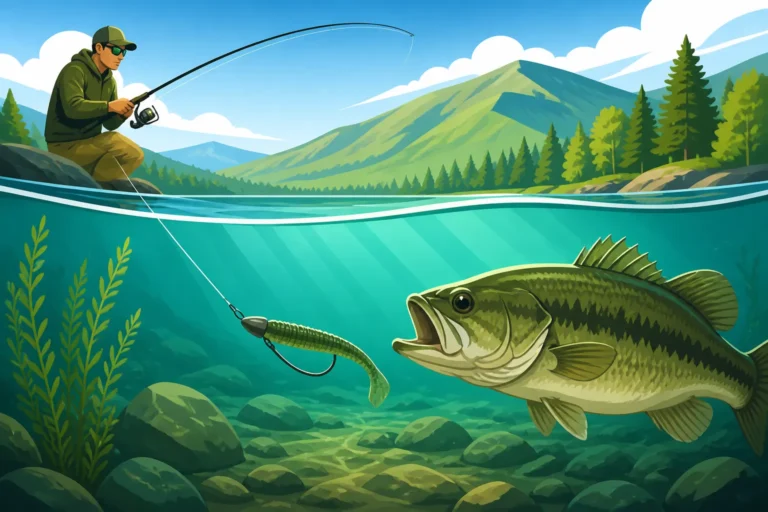
- Soft Plastics/Swimbaits: Heavy soft plastic swimbaits, often rigged with large jig heads or screw-in weights, offer a realistic profile and can be fished at various depths. These can be particularly effective when muskies are feeding on larger forage.
Remember to choose lures with strong, sharp hooks. Many anglers upgrade their hooks on new lures for added security.
Critical Accessories for Safety and Success
Beyond your rod and reel, several accessories are absolutely essential for muskie fishing, both for your success and the well-being of the fish. A large, long-handled landing net with a rubberized, knotless mesh is paramount. This type of net protects the muskie's slime coat and fins and keeps those sharp teeth away from your hands. You can find excellent options on Amazon. A good pair of long-nosed pliers or jaw spreaders are necessary for hook removal, as are heavy-duty bolt cutters, which can be a lifesaver if a muskie has swallowed a lure deep. Never go muskie fishing without these tools. Additionally, a strong hook file to keep your hooks razor-sharp, a reliable depth finder for identifying structure, and a good pair of polarized sunglasses to spot follows or submerged cover are all invaluable. Knowing how to properly use these tools for safe handling is also covered in Muskellunge catch and release survival tips.
Mastering Trolling Techniques for Open Water Muskies
Trolling is arguably the most effective way to cover large areas of Lake Memphremagog and locate active muskies, especially in deeper water or when they are scattered. It allows you to present lures at consistent depths over extended periods.
Understanding Speed, Depth, and Lure Presentation
Successful muskie trolling hinges on a delicate balance of speed, depth, and lure action.
Speed: Most muskie trolling speeds range from 3 to 6 miles per hour. However, this can vary significantly based on water temperature, muskie activity, and the specific lure you're using. In colder water, a slower presentation might be more effective, while a faster pace can trigger reaction strikes in warmer conditions. Experimentation is key; pay attention to what the fish are responding to on a given day.
Depth: Knowing the preferred depth of muskies is critical. On Memphremagog, this can range from just below the surface over weed tops to 30 feet or more over deep structure. Deep-diving crankbaits are your best friend here, and you can further control depth with lead core line or planer boards. For a detailed look at how to control your lure's depth, consider checking out guides on How deep to troll for lake trout on Lake Champlain as many principles are transferable.
Lure Presentation: Ensure your lures are running true and have their intended action. Check them frequently for any weed fouling or line twists. Use quality swivels to prevent line twist, especially with rotating bucktails. Often, running a diverse spread of lures at varying depths and distances behind the boat can help you pinpoint what muskies are keying in on.
Trolling Patterns and Spot Selection
When trolling, don't just go in a straight line. Muskies often relate to specific features, and varying your boat's path can trigger strikes. Implement S-curves, turns, and zig-zags to change the speed and depth of your lures, making them appear erratic and injured – a prime target for a muskie. Pay close attention to your fish finder; marking baitfish schools or submerged structure like humps, rock piles, or old river channels are prime trolling targets. Focus your efforts on the edges of these structures or where transitions occur, such as a weed line meeting open water. If you get a strike or a follow, circle back and make multiple passes through that exact area, as muskies often travel in packs or might be holding in a specific feeding zone. For more specific patterns tailored to these waters, explore resources like Best trolling pattern for muskellunge on Lake Memphremagog.
Precision Casting and Retrieve Strategies for Structure
While trolling covers water, casting allows for a more precise presentation, especially when targeting visible structure or specific ambush points. This technique is often more engaging and demands active participation from the angler.
Targeting Weeds, Rocks, and Drop-offs
When casting for muskies on Lake Memphremagog, you're looking for areas where these large predators can hide and ambush prey.
Weed Beds: Cast to the edges and pockets of dense weed beds. Muskies love to lurk just inside the cover, waiting for an opportunity. Use weedless baits like soft plastic swimbaits or larger spinnerbaits that can be retrieved through vegetation without snagging.
Rocky Points and Reefs: These areas provide excellent structure and current breaks. Cast crankbaits or jerkbaits that can be worked over and around the rocks. The deflections from hitting structure can often trigger a strike.
Drop-offs and Break Lines: Cast parallel to these depth changes. Muskies will often position themselves along these breaks, moving up to feed or down to rest. Glide baits and heavy jigs can be particularly effective when worked along these transitions. Always be on the lookout for visual cues like diving birds or baitfish flicking on the surface, indicating potential muskie activity.
Mastering the Figure-Eight and Other Follow-Up Moves
One of the most crucial elements of muskie fishing is the "figure-eight." Muskies are notorious for following a lure right to the boat, inspecting it before deciding to strike. When this happens, you have a split second to convince them to commit. Instead of lifting your lure out of the water, plunge your rod tip into the water and make a wide, sweeping figure-eight pattern beside the boat. This continuous, erratic motion often triggers a delayed strike from a curious or hesitant muskie. It's an adrenaline-pumping moment, and it accounts for a significant percentage of muskie catches. Other follow-up moves include sudden pauses, changes in retrieve speed, or a sharp rip of the rod to create an aggressive dart. Being prepared for a follow on every cast is a mindset every muskie angler needs to adopt. Learning How to Catch Muskellunge on a Figure-Eight Boatside is a fundamental skill.
Effective Live and Dead Bait Rigs for Patient Anglers
While artificial lures are popular, live and dead bait can be incredibly effective, particularly for less aggressive muskies or when targeting specific areas for extended periods. This method often requires more patience but can yield exceptional results.
Rigging for Success: Smelt and Suckers
When using bait for muskies on Lake Memphremagog, larger baitfish are preferred.
Smelt: Lake Memphremagog has a strong smelt population, making them a natural and highly attractive food source for muskies. Live smelt, when legal and obtainable, can be fished under a large float or slowly trolled. For dead smelt, they can be rigged to appear lifelike, either on a quick-strike rig with two treble hooks or on a weighted harness for trolling or drifting. The key is to present them naturally.
Suckers: Larger suckers (from 10-16 inches) are a classic muskie bait. Live suckers, suspended under a bobber or slow-trolled, are extremely effective. The quick-strike rig, designed to hook the fish without allowing it to swallow the bait deep, is essential for catch and release. This typically involves two treble hooks, one near the dorsal fin and one near the tail, connected by a heavy fluorocarbon or wire leader. Always check current Vermont Muskellunge Regulations on Lake Memphremagog regarding baitfish use, especially for non-native species or size restrictions.
Presentation and Waiting Game Tactics
Using live or dead bait is often a waiting game.
Stationary Setups: If you've located a prime muskie ambush point – like a deep weed edge, a rock pile, or submerged timber – a stationary bait presentation can be very effective. Anchor your boat upwind or upcurrent from the spot and deploy your baited lines. Use large floats to keep the bait suspended at the desired depth, or bottom-fish with a slip-sinker rig. Sometimes, a subtle, slow drift with the current can also trigger strikes.
Slow Trolling/Drifting: If allowed by regulations, slow-trolling or drifting live bait can be a deadly tactic. This allows you to cover water more effectively than a stationary setup while still offering a natural presentation. The subtle movements of a live baitfish are often irresistible to a hungry muskie. When a muskie hits, resist the urge to set the hook immediately. Let the fish "run" with the bait for a few seconds to ensure it has fully committed before a firm, sweeping hookset. This technique requires practice and patience, but the rewards can be immense.
| Lure Type | Best Conditions | Retrieve Style | Pros | Cons |
|---|---|---|---|---|
| Bucktails | Covering water, shallow weeds, active fish | Fast, steady retrieve; varying speeds | Excellent for searching, high vibration/flash, triggers reaction strikes | Can be tiring to retrieve, limited depth control |
| Crankbaits | Trolling, deep water, specific depth targeting | Trolled at consistent speed; cast & retrieved steadily | Covers large areas, reaches deep zones, diverse profiles | Hook fouling with weeds, can be expensive to lose |
| Jerkbaits | Cooler water, less active fish, tight to structure | Jerk-pause retrieve; erratic twitches | Mimics injured baitfish, excels in tight cover | Requires active rod work, not ideal for covering vast distances |
| Glide Baits | Moderate to clear water, targeting specific spots | Sweeping rod strokes; slow, erratic glide | Unique action, can entice curious followers | Can be difficult to master, often expensive |
| Topwater Lures | Warm water, low light, aggressive fish | Popping, walking-the-dog, ripping across surface | Exciting visual strikes, great over shallow cover | Limited effectiveness in choppy water or bright sun |
| Soft Plastics | Finesse situations, deep water, heavy cover | Jigging, slow retrieve, twitching | Versatile, realistic profile, good for cold fronts | Can be prone to tearing, requires specific rigging |
Seasonal Patterns and Their Impact on Muskie Behavior
Muskie behavior on Lake Memphremagog is heavily influenced by the changing seasons. Understanding these patterns is critical for timing your fishing trips and adapting your techniques.
Spring and Early Summer: Post-Spawn Aggression
As the ice recedes from Lake Memphremagog, muskies enter their spawning period, typically in late April or early May, in shallow, vegetated bays. After spawning, these fish are often recovering but quickly transition into a period of aggressive feeding to regain lost energy.
Early Spring (Post-Spawn): Focus on warmer, shallower bays and flats where they recuperate. Lures that can be fished slowly, such as large soft plastics, gliders, or suspending jerkbaits, are effective. Muskies might still be somewhat lethargic, so a slow, deliberate presentation is key.
Late Spring/Early Summer: As water temperatures rise into the 50s and 60s Fahrenheit, muskies become more active. They'll start relating to new weed growth and the edges of developing structure. This is an excellent time for casting bucktails, spinnerbaits, and medium-running crankbaits over and around emerging weed lines. Look for points and inside turns in larger bays. The fish are often more willing to chase, so faster retrieves can be productive.
Summer to Fall Transition: The Feeding Frenzy
Summer on Lake Memphremagog sees muskies settling into their deeper, often cooler, summer haunts, but they will still move into shallower feeding grounds during low light or cooler periods. As summer progresses into fall, muskie activity often reaches its peak.
Mid-Summer: During the heat of summer, muskies will often seek out cooler, deeper water, congregating around main lake points, deep humps, and thermoclines. Trolling deep-diving crankbaits or presenting large live baits over these structures becomes the go-to technique. Early morning and late evening topwater action can still be fantastic in shallow, oxygen-rich areas.
Fall Turnover and Cooling Waters: This is arguably the best time to target trophy muskies. As water temperatures begin to drop and the lake undergoes turnover, muskies sense the approaching winter and embark on a massive feeding spree. They will move shallower and become incredibly aggressive. Big bucktails, large crankbaits, and oversized soft plastics fished quickly and aggressively can produce explosive strikes. Focus on main lake points, saddles, and large weed flats adjacent to deep water. This fall feeding window is what many anglers dream of, often producing the largest fish of the year.
Late Fall and Ice-Out: Cold Water Opportunities
Even as winter approaches and water temperatures plummet, muskies remain a viable target, though their behavior shifts significantly.
Late Fall/Early Winter: Once water temperatures drop into the low 40s and high 30s Fahrenheit, muskie metabolism slows down. They become less inclined to chase fast-moving lures. Slower, deeper presentations are crucial. Large, heavy jigs, soft plastics, and dead bait on quick-strike rigs become highly effective. Focus on deep rock piles, main lake basins, and the deepest edges of weed lines. Vertical jigging or slow trolling with heavier baits are the preferred methods. Patience is paramount, as strikes can be subtle.
Ice-Out (Before Ice Fishing Season): While Lake Memphremagog is popular for Vermont Ice Fishing Season Dates, there's a brief window right after ice-out, when open water fishing resumes, but water temperatures are still frigid. Muskies can be found staging near deeper channels or the mouths of feeder creeks where slightly warmer water might attract baitfish. This period often calls for extremely slow presentations, similar to late fall tactics, with an emphasis on large, meal-sized baits to entice a lethargic but hungry muskie.
Remember, always check the current Vermont Fishing Season Dates and Closures to ensure you're fishing within legal periods for muskellunge.
Disclaimer
The information provided in this guide is for general informational purposes only and should not be considered legal advice. Fishing regulations and conditions can change rapidly. Always consult the most current Vermont Fish & Wildlife Department regulations before heading out on the water. Engage in safe boating practices, understand Life Jacket Requirements for Vermont Boaters, and prioritize personal safety and the well-being of the fish.