South Bay Lake Champlain fishing access
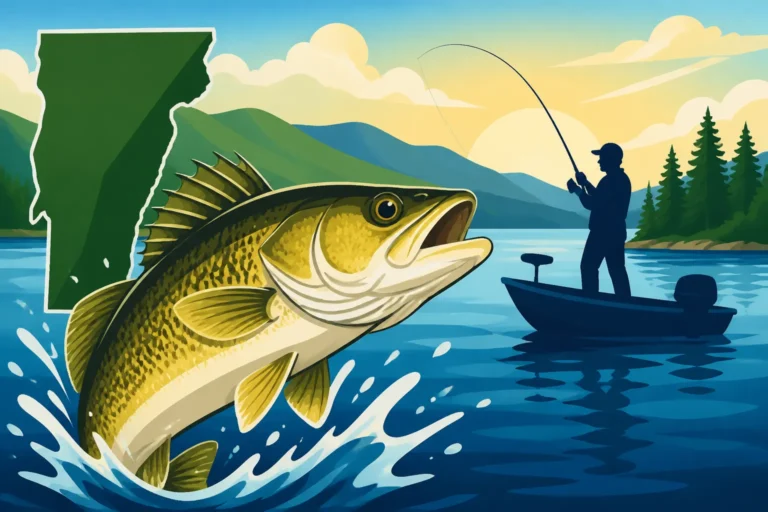
Oh, Lake Champlain's South Bay! It's one of those spots that can make a Vermont angler's heart flutter with anticipation, but also scratch their head trying to figure out the best way to get on the water. Given how absolutely massive Lake Champlain is, finding prime fishing access in a specific region like the South Bay, especially with all the border nuances, can feel like a real puzzle. But don't you worry, this comprehensive guide is here to clear the waters, showing you exactly how to access and master the fishing in the southern reaches of Lake Champlain from the Vermont side.
Understanding the Southern Reaches of Lake Champlain as a Fishing Destination
When we talk about "South Bay Lake Champlain," it's important to understand that the literal, geographical "South Bay" is actually located at the very southern tip of Lake Champlain, largely within New York State. However, for Vermont anglers, the term often extends to encompass the rich, diverse southern waters of Lake Champlain that are easily accessible from the Vermont shoreline. This section of the lake, whether you're directly on the Vermont side or venturing into shared waters, offers incredible fishing opportunities that are distinct from the open, deeper expanses further north. It’s a unique ecosystem, and knowing its quirks is your first step to success.
Unique Characteristics and Thriving Fish Species
The southern part of Lake Champlain, leading into what's colloquially known as the South Bay region, is a fascinating departure from the main lake's characteristics. Instead of vast, deep basins, you'll find shallower, often murkier waters, extensive weed beds, lily pads, submerged timber, and a myriad of marshy coves and deltas. This labyrinthine environment creates a perfect haven for a specific set of fish species that absolutely thrive in these conditions.
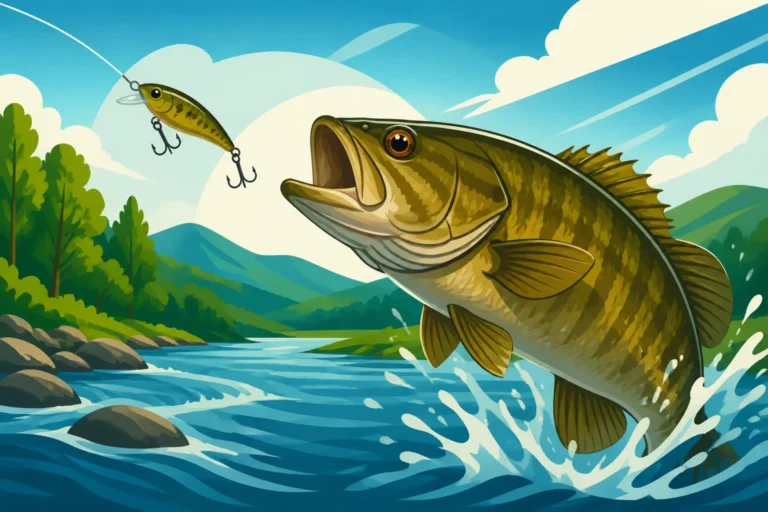
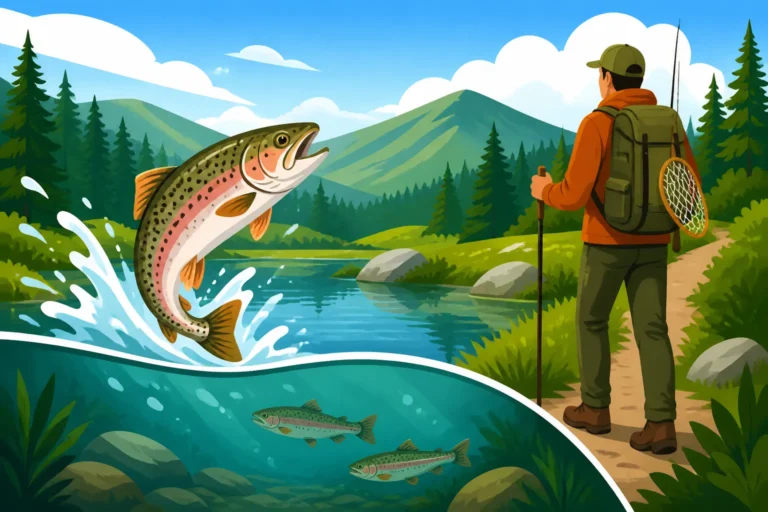
Foremost among them are the largemouth bass. These feisty green giants absolutely love the dense cover and warmer water temperatures found here. You'll find them lurking in the thickest mats of vegetation, around fallen trees, and in the shaded pockets of lily pads. The abundance of baitfish, frogs, and insects in these shallow, fertile waters makes it a prime feeding ground. Many anglers consider this part of the lake to be among the Best Bass Fishing Lakes in Vermont, specifically for largemouth.
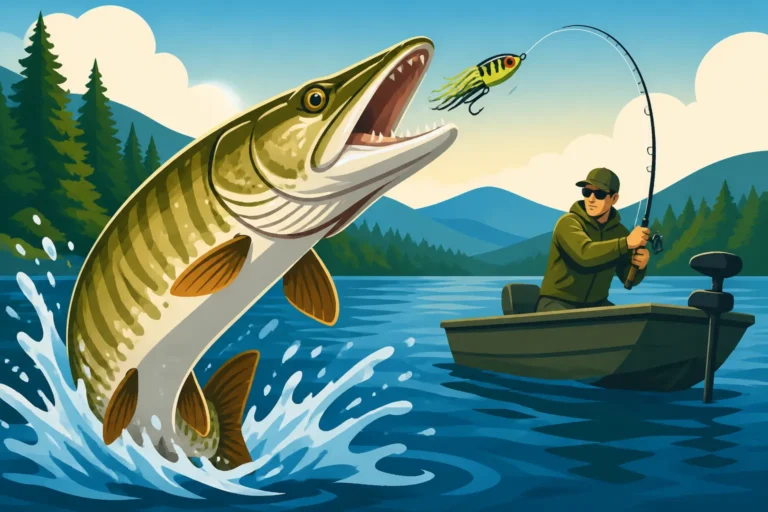
Northern pike are another star of the southern Lake Champlain scene. Their ambush predator instincts are perfectly suited to the weedy, cover-rich environment. They'll hide in wait along weed edges, beneath lily pads, or near submerged logs, ready to rocket out and engulf an unsuspecting baitfish or lure. These waters are definitely included in the broader category of Northern Pike Waters in Vermont and can offer some truly exhilarating battles.
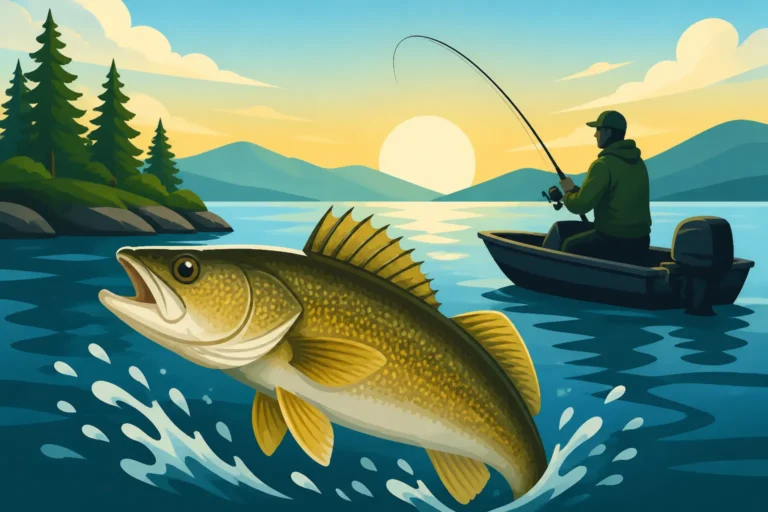
Beyond the headliners, the southern lake also boasts an incredible panfish population, including plump yellow perch, black crappie, and various sunfish. These smaller species provide fantastic light-tackle action, especially for families or those looking for a delicious meal. And while not as prevalent as further north, opportunistic walleye do venture into these southern, shallower areas, particularly during low-light conditions or specific times of the year, providing a chance at a true trophy.
Seasonal Fishing Opportunities in the Southern Lake
Fishing in the southern reaches of Lake Champlain is a year-round affair, with each season presenting its own unique opportunities and challenges. Understanding these cycles is key to planning a successful trip.
Spring (Ice-out to early June): This is a time of awakening for the lake. As the ice recedes, often earlier in these shallower southern sections, fish become active. Largemouth bass will move into warmer, shallow coves for their pre-spawn feed, and northern pike are also highly active, often found cruising the newly exposed weed lines. This is a prime time for aggressive presentations as fish are hungry after a long winter. The spawning period for bass usually occurs in late May to early June, depending on water temperatures, and during this time, many anglers practice catch and release to protect the fishery.
Summer (June to August): As water temperatures rise, the weed growth explodes, turning many areas into dense jungles. This is fantastic for bass and pike, who bury themselves in the cover. Topwater action for largemouth bass can be phenomenal during early mornings and late evenings, and punching through mats with heavy jigs or flipping soft plastics into pockets is a go-to technique during the heat of the day. Panfish are also abundant and easy to locate around docks and weed edges. The sheer amount of cover can be daunting, but it also concentrates the fish.
Fall (September to November): This is arguably one of the most exciting times to fish the southern lake. As water temperatures cool, baitfish schools begin to migrate and condense, and all predator species go on a feeding frenzy to bulk up for winter. Bass move out of the densest weeds to feed along transition areas and rock piles, while pike become incredibly aggressive, chasing larger baits. Walleye fishing can also pick up significantly during the fall, especially during dusk and dawn, as they move shallower to feed on baitfish. The vibrant fall foliage around the lake just adds to the magic.
Winter (December to March): When the lake freezes over, the southern bays and coves often provide some of the earliest and safest ice for ice fishing. This is a fantastic time for yellow perch, crappie, and northern pike. Jigging small spoons or using tip-ups with minnows can be incredibly productive. Just remember, safety first, and always check the ice thickness carefully. The calm, quiet serenity of ice fishing on a frozen bay is an experience unto itself.
Navigating Public Access Points in Southern Lake Champlain from Vermont
Getting your boat or your feet wet in the southern part of Lake Champlain from Vermont requires knowing the right access points. While the immediate geographical "South Bay" is predominantly in New York, Vermont offers excellent public access points that allow you to fish the southern reaches of the lake, sometimes even just across the state line in shared waters, thanks to reciprocal agreements. It's all about strategic launching!
Premier Boat Launches and Facilities
For those with larger boats, choosing the right launch site is paramount. You want a place that's easy to access, well-maintained, and ideally close to the areas you plan to fish.
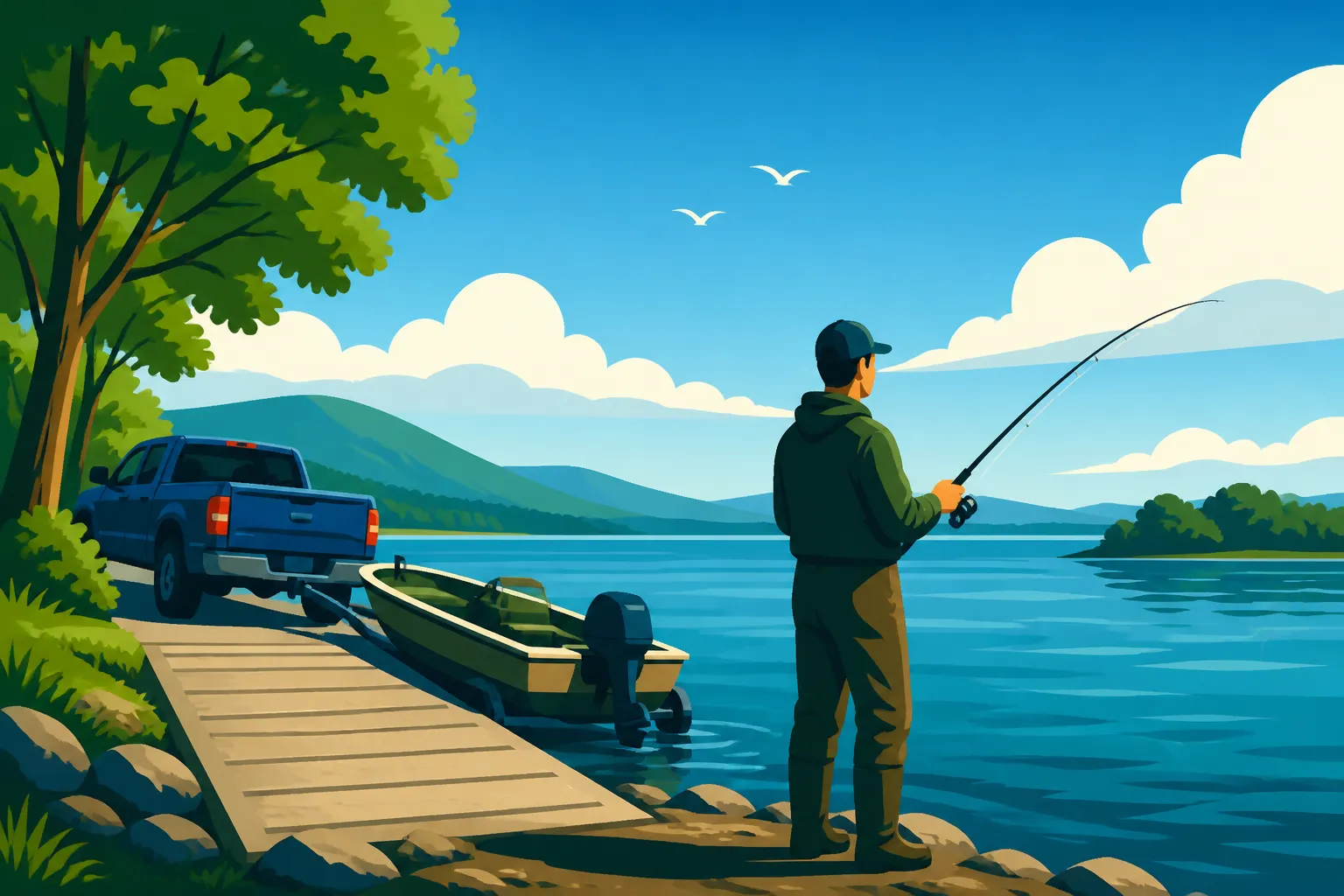
One excellent option on the Vermont side, further north but giving access to the southern lake, is the boat launch at Button Bay State Park in Ferrisburgh. This park offers a paved ramp, ample parking, and often less congestion than some of the more central Lake Champlain launches. From here, you can motor south towards the broader southern lake area. It's a fantastic base if you're planning a multi-day trip, as the park also offers camping.
Further south, closer to the actual geographical South Bay, you'll find Benson Landing in Orwell, Vermont. This is a popular, well-maintained boat launch that gives direct access to the narrower, river-like section of Lake Champlain that eventually widens into the southern bay area. It's an excellent spot for accessing both bass and pike habitat. This area can feel a bit more remote and offers a truly immersive fishing experience.
While not strictly a "boat launch" for larger vessels, the area around Chimney Point State Historic Site in Addison, Vermont, provides some shoreline access and is a point where the lake narrows, offering unique current-driven fishing opportunities. For smaller boats or kayaks, you might find informal access here or nearby.
It's also worth noting that many private marinas and lodges dot the Vermont shoreline in the southern regions. Places like Basin Harbor Club, while primarily a resort, often have excellent ramps and can be a good option if you're staying locally and want premium facilities. When looking for a guided trip, many local guides found on platforms like FishingBooker often utilize these or other specialized launches depending on the target species and conditions.
| Access Point | Location (VT County) | Primary Boat Type | Target Species | Facilities | Notes |
|---|---|---|---|---|---|
| Button Bay State Park | Addison | All (Ramp) | Bass, Pike, Perch | Paved ramp, parking, camping | Excellent base for southern lake exploration. |
| Benson Landing | Rutland | All (Ramp) | Bass, Pike, Walleye | Paved ramp, parking | Direct access to narrower southern lake sections. |
| Chimney Point State Site | Addison | Shore, Kayak/Canoe | Bass, Panfish, Occasional | Parking, historical site | Scenic, good for casual shore fishing or paddle craft. |
| Port Henry / Crown Point | NY side (via bridge) | All (Ramp) | All major species | Paved ramp, parking | If crossing the bridge, good for direct South Bay access. |
Note: For Port Henry/Crown Point (NY), Vermont anglers can fish these waters under reciprocity rules, but a valid Vermont license is essential, and understanding specific NY regulations for that side is always a good idea.
Shoreline Fishing Opportunities and Limitations
Not everyone has a boat, and that's perfectly fine! The southern part of Lake Champlain does offer some decent shoreline fishing, though it can be more challenging due to the extensive private property and marshy terrain.
Button Bay State Park isn't just for boaters; it also offers good shoreline access within the park boundaries. You can find piers and open stretches of shoreline where you can cast for bass, panfish, and even pike lurking near the weeds. Similarly, Chimney Point State Historic Site has accessible shoreline along the narrows, providing chances to catch various species, especially during migrations.
Many smaller, often unlisted road turn-offs or town parks may offer limited shoreline access. These are often discovered by local anglers and might not have formal facilities. Always be respectful of private property and posted signs.
The main limitation for shoreline fishing in this region is the dense aquatic vegetation and marshy banks, which can make casting difficult and limit your reach. Long casts and weedless presentations become crucial. However, for a relaxing evening targeting panfish or a determined hunt for a bass in a secluded cove, shoreline fishing can be incredibly rewarding.
Kayak and Canoe Launch Spots
For those who prefer paddle craft, the southern lake is a paradise! Kayaks and canoes allow you to stealthily navigate the shallow, weedy backwaters and coves that larger boats simply can't reach. This is where you can truly immerse yourself in the natural beauty and find untouched fishing grounds.
Many of the public boat launches, like Button Bay and Benson Landing, also provide easy kayak and canoe access. But beyond these, you'll find numerous informal put-ins. Look for pull-offs along roads that border the lake, particularly in areas with less development. The shallow, marshy areas around the Addison Wildlife Management Area might offer some small, unimproved launch points perfect for paddle craft, allowing access to prime backwater bass and pike habitat.
The beauty of kayak fishing here is the ability to quietly approach fish in shallow water without spooking them. You can easily access those dense lily pad fields or submerged timber pockets that largemouth bass absolutely love. It's an intimate way to experience the lake and often leads to some of the best fishing, especially for species that prefer heavy cover. Just be mindful of wind and currents, as the lake can still be vast even in its southern sections.
Essential Gear and Techniques for South Bay Success
Fishing the southern part of Lake Champlain, with its unique blend of shallow, weedy cover and open water, demands specific gear and techniques. You won't typically be deep trolling for lake trout here, but rather focusing on ambush predators and panfish that thrive in the rich, fertile waters. Getting your setup right will drastically improve your chances of success.
Recommended Tackle and Lures
For largemouth bass and northern pike, you'll want a medium-heavy to heavy action rod, typically 6'6" to 7'6" long, paired with a reliable baitcasting reel. Spool up with 15-20 lb fluorocarbon line or 30-50 lb braided line, especially if you're fishing heavy cover. The braid's no-stretch quality helps cut through weeds and provides immediate hook sets.
When it comes to lures:
- Largemouth Bass: Think weedless! Soft plastic frogs or toads fished over lily pads and weed mats are incredibly exciting, offering explosive topwater strikes. Jigs (½ oz to 1 oz) with plastic trailers, Texas-rigged worms, or creature baits are perfect for flipping and pitching into dense cover. Spinnerbaits and chatterbaits are excellent for working along weed edges. For more general advice on specific lures, check out a guide like Best Lures for Walleye Trolling on Lake Champlain (though tailored for walleye, it provides insight into general lure strategies).
- Northern Pike: Large spoons (like Daredevils), inline spinners, and jerkbaits are pike magnets. Bright colors like red and white, orange, or chartreuse can be very effective. Live bait, such as large shiners or suckers fished under a bobber or on a quick-strike rig, can also be deadly, especially during cooler water periods. Be sure to use a steel or heavy fluorocarbon leader (at least 80 lb) to prevent bite-offs from their razor-sharp teeth.
- Panfish: A light to ultralight spinning rod with 4-6 lb monofilament line is ideal. Small jigs tipped with a piece of worm, tiny spinners, or simply a bobber and a worm will do the trick. Small soft plastic grubs can also be very effective.
Consider consulting with a local guide, perhaps one found through FishingBooker, who can offer hyper-specific tackle recommendations based on current conditions and recent bite reports. They live and breathe these waters!
Boating and Navigation Tips
Navigating the shallow, often obstacle-ridden waters of the southern lake requires caution and awareness.
- Shallow Water: Always be mindful of your depth. A good depth finder with GPS charting is invaluable, allowing you to mark hazards and navigate safely. Many areas can quickly transition from several feet deep to just inches.
- Weed Beds: Propellers can easily get fouled in dense weeds. A strong trolling motor is crucial for navigating these areas quietly and efficiently. Consider a weedless prop for your main engine if you find yourself frequently bogged down.
- Submerged Structure: Beyond weeds, watch out for submerged logs, stumps, and rock piles, especially in areas with current. Chartplotters can help identify some of these, but visual observation is key.
- Safety: Always adhere to Vermont Boating Laws for Anglers. Carry all required safety equipment, including life jackets, and ensure your boat is properly registered.
Techniques for Different Species
Matching your technique to the species and conditions is what separates a good day from a great day.
- Largemouth Bass:
- Flipping and Pitching: For dense cover, accurately drop jigs or Texas-rigged plastics into small openings in the weeds or tight against cover. Let it sink, twitch, and be ready for a soft bite.
- Topwater: In low light, throw frogs, poppers, or walk-the-dog baits over mats and near shorelines. The key is to generate commotion and then pause, letting the bass strike.
- Spinnerbaits/Chatterbaits: Work these along the edges of weed lines or through sparser vegetation. Vary your retrieve speed to find what the fish prefer.
- To dive deeper, check out specific tactics in How to Catch Largemouth Bass in Vermont.
- Northern Pike:
- Casting and Retrieving: Cast large spoons, spinners, or jerkbaits parallel to weed lines or into pockets. Use a steady retrieve, perhaps with occasional pauses or jerks.
- Trolling: If fishing more open sections, trolling larger crankbaits or spoons can be effective, especially for covering water.
- Live Bait: Under a bobber near a weed line or slow-trolled, a large shiner can be irresistible to pike.
- Panfish (Perch, Crappie, Sunfish):
- Jigging: Small jigs tipped with bait or plastic, fished under a bobber or vertically jigged near structure (docks, submerged brush, weed edges), are highly effective.
- Bobber Fishing: A classic for a reason. Suspend a worm or piece of corn under a bobber and cast it near cover.
- For the little ones, a simple hook, worm, and bobber near a dock often guarantees action.
Planning Your Southern Lake Champlain Fishing Trip from Vermont
A successful fishing trip to the southern reaches of Lake Champlain from Vermont isn't just about bait and tackle; it's about preparation, understanding the rules, and knowing how to make the most of your time on the water.
Understanding Regulations and Reciprocity
Lake Champlain is unique in that its waters are shared between Vermont and New York, and a reciprocal agreement is in place. This is absolutely critical for anyone fishing the southern sections, which often straddle the state line.
- Vermont License: You must possess a valid Vermont fishing license to fish on the Vermont side of Lake Champlain. You can find comprehensive details in our Vermont Fishing License Guide for 2026.
- Reciprocity: Under the current agreement, a valid Vermont fishing license allows you to fish Lake Champlain waters that lie within New York state boundaries, and vice versa for New York license holders. However, this reciprocity often has specific caveats, such as where you launch your boat or if you fish beyond the boundary waters. Always confirm the latest details, especially concerning areas far into the literal South Bay. For detailed information on this, refer to Vermont fishing license reciprocity on Lake Champlain with New York.
- Species-Specific Regulations: Beyond the general license, be sure to familiarize yourself with Vermont Fishing Regulations Explained, including species-specific bag and possession limits, minimum lengths, and seasonal closures for bass, pike, and walleye. These can vary significantly for different species.
Ignorance of the law is no excuse, and wardens patrol these waters. Always carry your license and be certain of the rules before you cast a line.
Best Practices for Sustainable Fishing
We all want to ensure that the fantastic fishing opportunities in the southern lake continue for generations. Practicing responsible angling is key.
- Catch and Release: While keeping some panfish for a meal is perfectly fine, consider practicing catch and release for larger bass, pike, and walleye, especially trophy-sized fish. These older, larger fish are crucial for the health of the population. If you do release, do so quickly and carefully, minimizing the time the fish is out of the water.
- Handle Fish Gently: Use appropriate landing nets with rubberized mesh to protect fins and slime coat. Wet your hands before handling fish.
- Minimize Environmental Impact: Pack out everything you pack in. Avoid leaving behind fishing line, plastics, or other trash. Be mindful of prop scarring in shallow weed beds and avoid disturbing nesting birds or wildlife in marshy areas. Respect private property.
- Report Invasive Species: If you encounter any unusual or invasive species, report it to the Vermont Fish & Wildlife Department. Preventing the spread of invasives is a collective effort.
Local Resources and Accommodations
To really enhance your South Bay fishing adventure, tapping into local knowledge and resources can be invaluable.
- Bait and Tackle Shops: Stop by a local bait shop in towns near the southern lake, such as Vergennes, Middlebury, or Orwell. These shops often have the most up-to-date information on what's biting, current hot spots, and specific local regulations or advisories. They're also great for picking up fresh bait or any forgotten tackle.
- Guided Trips: If you're new to the area or want to learn the nuances of fishing the southern lake, hiring a local fishing guide is an excellent investment. Guides know the secret spots, the best techniques for the day, and can provide all the necessary gear. Platforms like FishingBooker are a great way to find experienced, licensed guides who specialize in Lake Champlain's bass and pike fishing. A good guide can significantly shorten your learning curve.
- Accommodations: Whether you're looking for camping at Button Bay State Park, a cozy B&B in Vergennes, or a hotel in a larger town like Middlebury, there are plenty of options. Booking a stay nearby allows you to maximize your time on the water, especially for early morning or late evening fishing sessions.
By combining good planning, the right gear, and a respect for the magnificent waters of Lake Champlain's southern reaches, you're set for an unforgettable Vermont fishing experience. Tight lines!
Disclaimer
The information provided in this guide is for general informational purposes only and is subject to change. Fishing regulations, license requirements, and access points can vary and be updated by the Vermont Fish & Wildlife Department. Always consult the most current official Vermont fishing regulations and local advisories before planning your trip. The author and publisher are not responsible for any incidents, accidents, or regulatory violations that may occur. Fish safely and responsibly.