Best fishing spots along Route 100
Finding the perfect fishing spot in Vermont can sometimes feel like searching for a needle in a haystack, especially when you're driving through some of the state's most picturesque but less-traveled areas. While iconic lakes like Champlain often steal the spotlight, many anglers overlook the incredible, diverse opportunities tucked away along scenic drives. This guide is dedicated to uncovering the best fishing spots along Route 100, Vermont's legendary byway, offering a deep dive into the hidden gems where you can cast a line and truly connect with the Green Mountain State's abundant waters.
Why Route 100 is a Hidden Gem for Vermont Anglers
Route 100, affectionately known as "Vermont's Main Street," carves its way down the spine of the Green Mountains, connecting quaint towns, ski resorts, and breathtaking wilderness. What many don't realize is that this picturesque route also acts as a corridor for an incredible network of rivers, streams, and pristine ponds, each offering unique fishing opportunities. It's not about massive, sprawling lakes here; it's about intimate experiences, often surrounded by dense forests and rolling hills, far from the madding crowds. This scenic drive truly embodies the spirit of Vermont fishing.
The Unique Character of Route 100's Waters
The waters along Route 100 are incredibly diverse, reflecting the mountainous terrain and varied geology of Vermont. You'll find everything from fast-flowing, rocky freestone streams cascading down mountain slopes to wider, slower-moving rivers that meander through valleys. Many of these waters are fed by snowmelt and natural springs, keeping them cool and well-oxygenated, which is ideal for trout. There are also numerous smaller, often spring-fed ponds and reservoirs, some tucked away so discretely you might miss them if you're not looking. These smaller bodies of water often offer warm-water species, providing a delightful contrast to the cold mountain streams. This variety means you can easily switch up your target species or technique just by driving a few miles down the road.
What Fish You Can Expect to Find
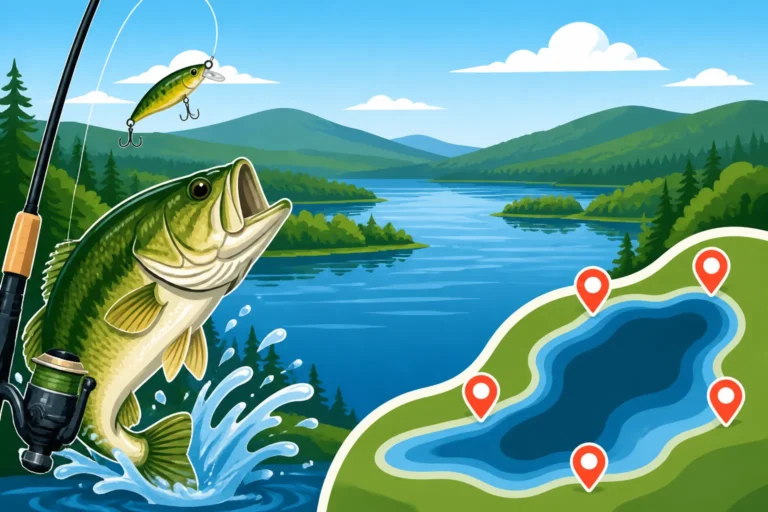
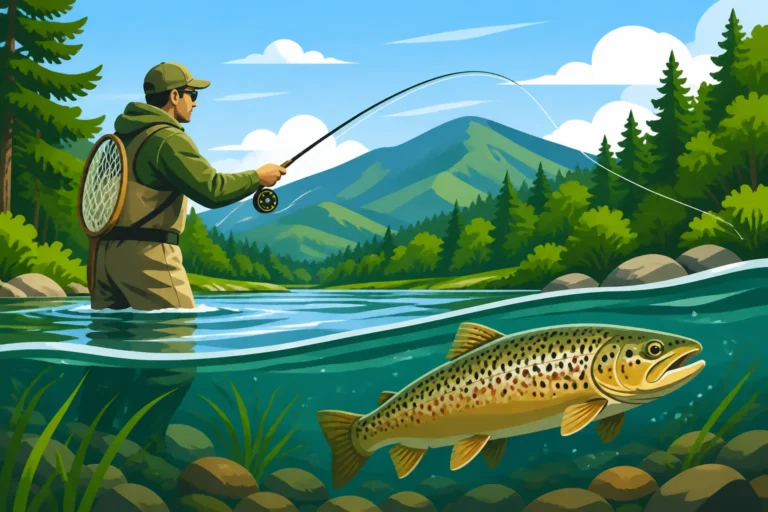
When you venture out to fish along Route 100, trout are often the stars of the show, especially in the colder, clearer headwater streams. You'll primarily encounter brook trout, which are Vermont's native beauties, known for their vibrant colors. Alongside them, you'll often find healthy populations of wild brown trout and rainbow trout, many of which are stocked annually by the Vermont Fish & Wildlife Department. For those seeking warm-water action, the larger rivers and many of the smaller ponds along or near Route 100 can hold smallmouth bass, largemouth bass, yellow perch, and chain pickerel. These species offer a different kind of thrill, especially during the warmer months when trout might be less active in the lower elevations. The diversity of fish means there's always something biting, no matter the season or your preferred fishing style.
Essential Licenses and Regulations to Know
Before you even think about casting a line, securing the proper Vermont fishing license is non-negotiable. Whether you're a resident or just visiting, everyone aged 15 and over needs a license. The good news is that obtaining one is straightforward, and you can even do it online. It's vital to stay up-to-date with the current regulations, as rules can vary by species, waterbody, and time of year. For a comprehensive overview, I highly recommend checking out our detailed guide on the Vermont Fishing License Guide for 2026 and understanding the Vermont Fishing Regulations Explained. Keep in mind that some sections of rivers might have special regulations, like catch-and-release only or specific gear restrictions, so always consult the latest Vermont Fish & Wildlife digest. Being prepared ensures a smooth, legal, and enjoyable fishing experience.
Discovering Premier Fishing Spots Along Route 100: North to South
Route 100 stretches for over 200 miles, offering a continuum of fishing experiences as you travel from the Canadian border in the north to the Massachusetts line in the south. We'll break down some of the most prominent and promising areas, giving you a clearer picture of where to drop your line.
Northern Vermont's River and Lake Opportunities
As you begin your journey south from the northern reaches of Vermont, the landscape quickly reveals prime fishing territory. Near the town of Lowell, the Black River offers some fantastic cold-water opportunities. Further south, as Route 100 weaves through the picturesque towns of Hyde Park and Morrisville, you'll encounter the Lamoille River. This river and its numerous tributaries are excellent for trout fishing, particularly in the upper, faster-flowing sections. Anglers often find good success here with both spin gear and fly rods, targeting rainbow and brown trout. Access can be found at various bridge crossings and designated fishing access areas, but always be mindful of private property.
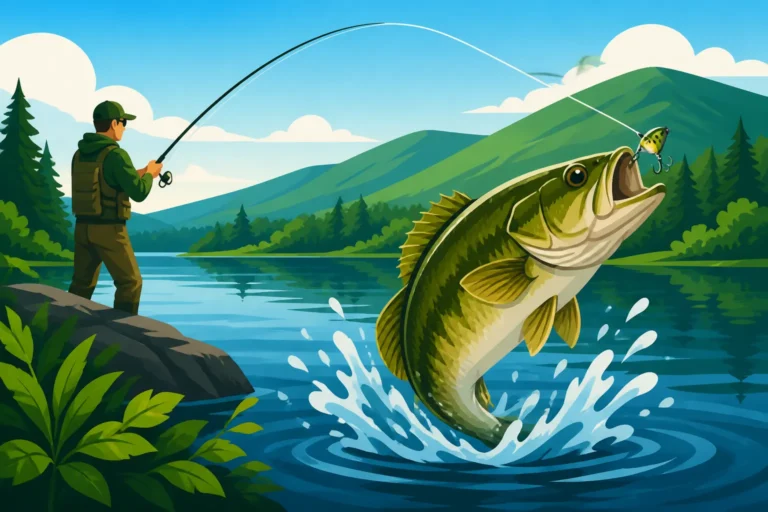
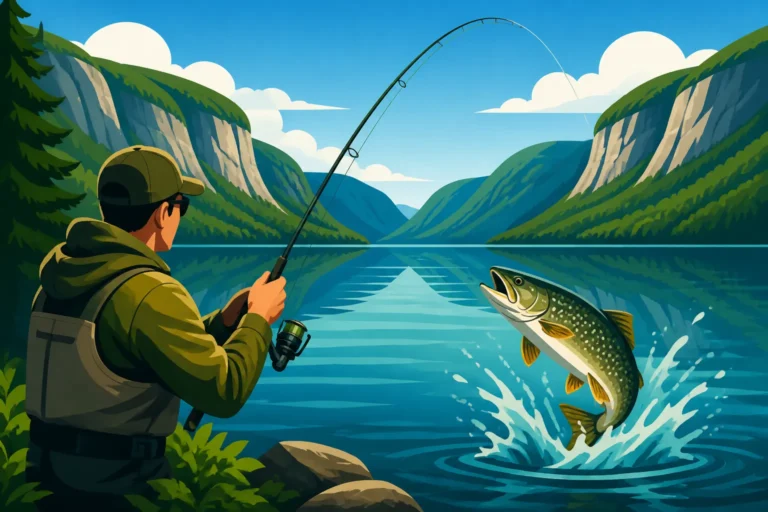
A little further south, near Waterbury, lies the magnificent Waterbury Reservoir. While not directly on Route 100, it's just a short detour and a major draw for anglers. This large reservoir, a part of Waterbury Center State Park, is a fantastic spot for warm-water species like smallmouth bass, largemouth bass, northern pike, and yellow perch. It also holds some rainbow and brown trout. Kayak fishing is incredibly popular here, allowing anglers to explore its many coves and submerged structures. For those looking for a guided experience on larger waters like this, booking a trip through a service like FishingBooker can connect you with local captains who know the reservoir intimately. Exploring Best Fishing Lakes in Vermont will give you more insights into these larger bodies of water.
Central Vermont's Trout-Rich Corridors
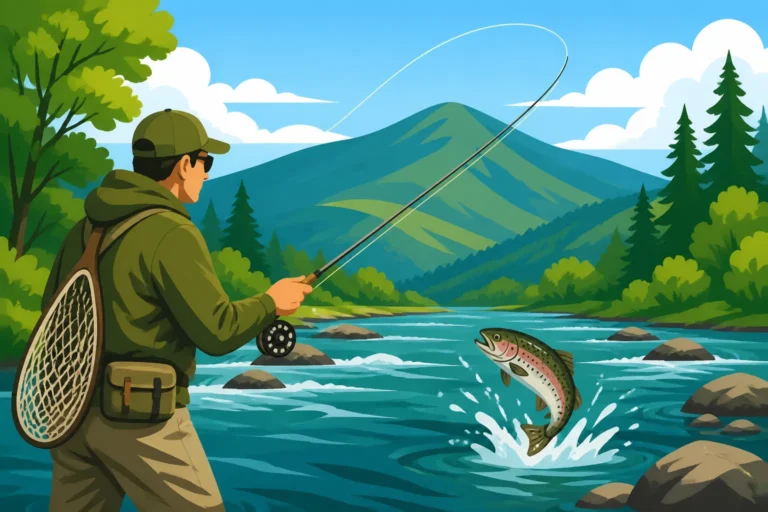
As you descend into Central Vermont, the fishing landscape becomes synonymous with some of the state's most celebrated trout waters. The White River system, arguably the crown jewel of Vermont trout fishing, begins its journey near Granville and parallels Route 100 through towns like Rochester, Stockbridge, and Bethel. The headwaters and upper sections are classic freestone trout streams, teeming with wild brook trout and robust populations of wild and stocked brown and rainbow trout. These sections are a fly fisherman's paradise, offering miles of wadeable water. Mid-summer can be challenging in lower, warmer sections, but the higher elevations almost always offer cool water. For those passionate about fly fishing, our guide to Fly Fishing for Trout in Vermont offers invaluable tips.
Further south, the scenic stretch between Stockbridge and Killington sees Route 100 winding close to various tributaries of the White River. These smaller brooks, often unnamed on general maps, are fantastic for solitude and eager brook trout. Pulling over and exploring a small stream where it crosses under the road can often yield unexpected success. Remember to respect landowners and seek out public access. While not directly on Route 100, some of the higher elevation streams feeding into the Ottauquechee River also offer similar wild trout experiences, just a short drive off the main road.
Southern Vermont's Diverse Waterways
The southern portion of Route 100 continues to deliver fantastic fishing opportunities. Near the towns of Londonderry and Jamaica, you'll find the West River, another highly regarded trout fishery. The West River offers a mix of faster riffles and deeper pools, holding good numbers of brown and rainbow trout, with some native brook trout in its colder tributaries. Public access points are available, and the river is popular with both fly and spin anglers. This is an excellent area for a multi-day fishing trip, allowing you to explore different sections.
Further south, approaching the Massachusetts border, the headwaters of the Deerfield River come into play. This river flows south, but its upper Vermont sections offer cold, clear water suitable for trout. While generally smaller here, it provides excellent opportunities for wading and targeting wild trout in a serene setting. Additionally, many small ponds and lakes, often part of Vermont State Parks, dot the landscape near Route 100 in the south. For example, Molly Stark State Park near Wilmington has fishing access to a small pond, perfect for families or those looking for an easy-access panfish or stocked trout experience. These lesser-known spots are often perfect for those just starting out or looking for a relaxing day without too much effort.
| Section of Route 100 | Primary Water Bodies | Key Fish Species | Best Fishing Techniques | Notable Towns/Landmarks |
|---|---|---|---|---|
| Northern Vermont | Lamoille River, Waterbury Reservoir | Brown Trout, Rainbow Trout, Smallmouth Bass, Largemouth Bass, Northern Pike, Yellow Perch | Fly fishing, spinning (streamers, spinners), trolling, jigging | Morrisville, Stowe, Waterbury |
| Central Vermont | White River and tributaries, various small brooks | Brook Trout, Brown Trout, Rainbow Trout | Fly fishing (nymphing, dry flies), light spinning (worms, small spoons) | Rochester, Stockbridge, Killington |
| Southern Vermont | West River, headwaters of Deerfield River, local ponds | Brown Trout, Rainbow Trout, Brook Trout, Panfish, Stocked Trout | Fly fishing, spinning, bait fishing | Londonderry, Jamaica, Wilmington |
Strategic Planning for Your Route 100 Fishing Trip
A successful fishing trip along Route 100 isn't just about knowing where to go; it's also about how to prepare and maximize your time on the water. Given the varied nature of the fisheries, a little planning goes a long way.
Equipping Yourself for Vermont's Varied Fisheries
Given the array of water types and fish species along Route 100, versatility in your gear can be a huge asset. For the numerous trout streams, a lightweight spinning rod paired with 4-6 lb test line is perfect for tossing small spinners, spoons, or bait. If you're into fly fishing, a 3-5 weight fly rod is ideal for navigating the often-tight casting quarters and delicately presenting flies. Don't forget a good pair of Best Waders for Vermont Trout Streams and wading boots, as many of the best spots require getting into the water. For ponds and larger river sections where you might encounter bass or pike, a medium-action spinning rod with 8-10 lb line will handle larger lures and stronger fish. If you're exploring the Waterbury Reservoir or other larger ponds, a fishing kayak can unlock incredible access to untouched coves. Consider our guide on Best Kayaks for Vermont Fishing if you're thinking of bringing one along. Always pack a variety of lures, flies, and baits, as conditions and fish preferences can change rapidly.
Timing Your Visit for Optimal Success
The success of your Route 100 fishing adventure can heavily depend on when you choose to go. Early spring, especially around Vermont Trout Opening Day Traditions, offers excellent fishing as trout are hungry and waters are typically cold. However, spring runoff can make streams high and muddy, so keeping an eye on water levels is crucial. As summer progresses, the lower sections of rivers can warm up, making it harder on trout. This is when higher elevation streams, like those found in the Green Mountain National Forest, become prime, or you can switch to targeting bass and panfish in the larger, cooler reservoirs. Fall can be absolutely spectacular, with vibrant foliage and active fish, especially brown trout preparing to spawn. Our guide on Vermont Fishing Seasons by Month can help you fine-tune your travel dates. Always check the forecast and recent fishing reports, as weather plays a massive role in fish behavior.
Engaging Local Expertise and Resources
While exploring on your own is part of the adventure, tapping into local knowledge can significantly enhance your trip. Local tackle shops along Route 100, such as those in Waterbury, Rochester, or Londonderry, are invaluable resources. They can provide up-to-the-minute information on hot spots, productive flies or lures, and any recent regulation changes. Don't be shy about asking for advice; most shop owners are passionate anglers eager to help. For those who prefer a more structured approach or are targeting specific species, hiring a local guide can be a game-changer. Guides offer not just fishing expertise but also insights into private access, navigating tricky waters, and understanding subtle fish behavior. Services like FishingBooker can help you find reputable fishing guides in areas that intersect with Route 100's influence, particularly on larger bodies of water or for specialized trips. They can connect you with charter options if you're looking for a boat experience beyond simple wading or bank fishing. This can be especially helpful if you're a nonresident and want to make the most of your Vermont 3-Day and 7-Day Nonresident Fishing Permits.
Disclaimer
The information provided in this guide is for general informational purposes only and does not constitute legal advice. Fishing regulations and conditions in Vermont can change frequently. Always consult the latest official Vermont Fish & Wildlife Department regulations guide before fishing. Always respect private property and practice responsible angling to preserve Vermont's natural resources for future generations.