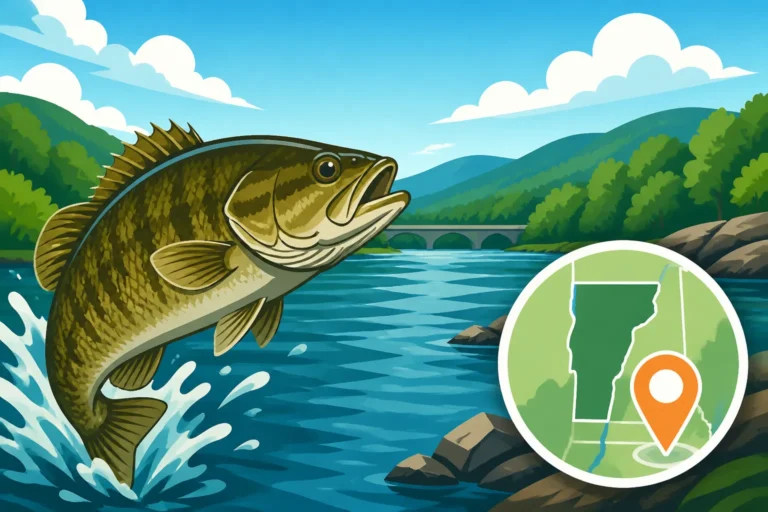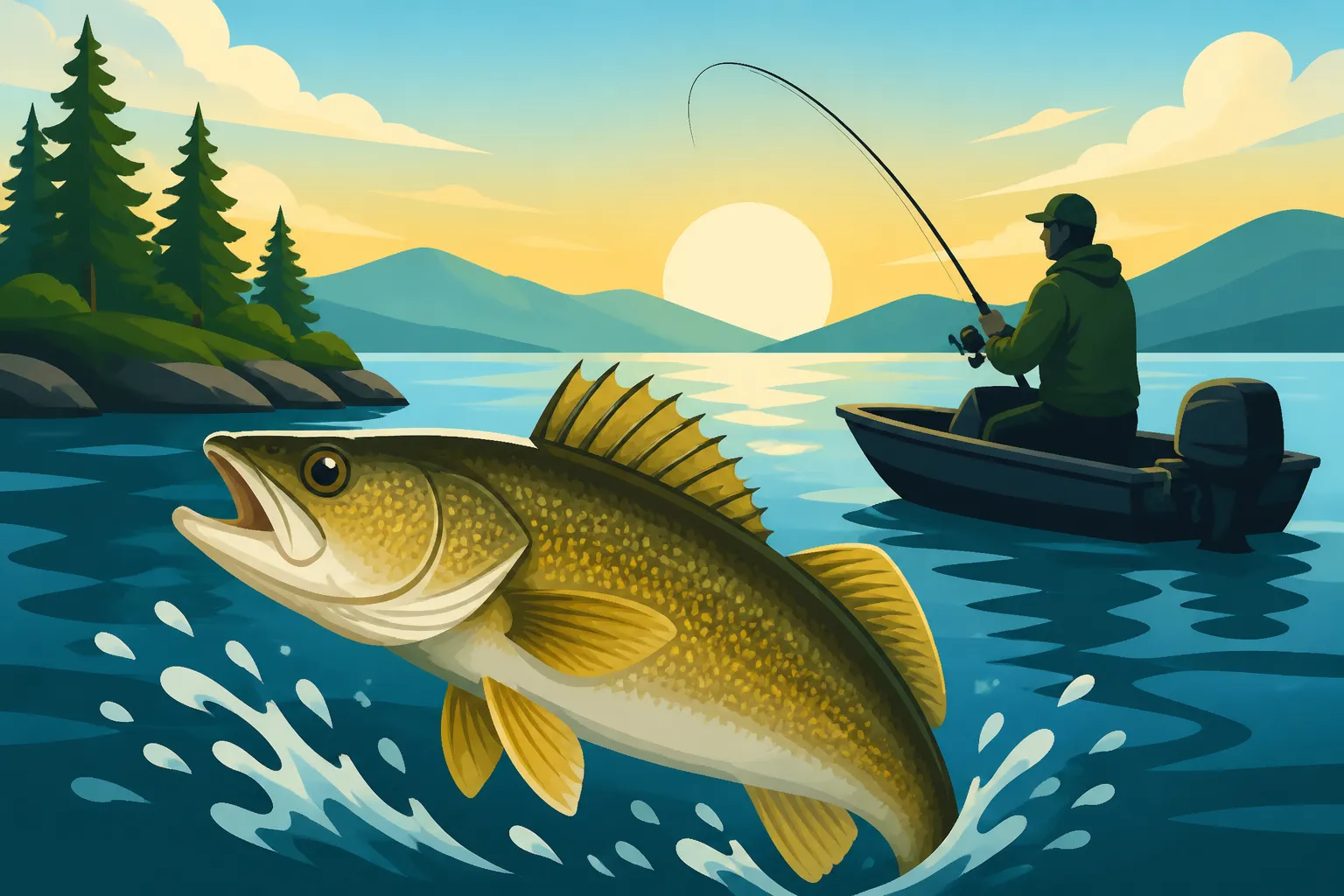
Where locals fish for walleye on Lake Champlain
Lake Champlain is an absolute beast of a fishery, sprawling across states and even a country, and for many anglers, the thought of trying to pinpoint where the walleye are hiding can feel like searching for a needle in a haystack. It's easy to get lost in the sheer vastness, wondering where the seasoned locals, those who truly understand the lake's quirks, actually wet their lines for these elusive, delicious fish. This guide is dedicated to pulling back the curtain, sharing the specific knowledge and tactics that Vermont locals employ to consistently find walleye on this incredible body of water.
Understanding Walleye Behavior on Lake Champlain
Before we even talk about where to fish, it's crucial to grasp why walleye are in certain places. These fish aren't just swimming around aimlessly; their movements are dictated by a combination of factors, primarily water temperature, light conditions, and the availability of their favorite snacks. Locals have spent lifetimes observing these patterns, and understanding them is your first step to unlocking consistent success.
Water Temperature and Depth Preferences
Walleye are often described as "cool-water" fish, and that's a pretty accurate assessment. They thrive in water temperatures ranging from the mid-50s to low-70s Fahrenheit. What this means for Lake Champlain is a seasonal shift in their preferred depth. In the colder months of early spring and late fall, you'll find them shallower, often congregating in bays and near tributary mouths where water warms up faster or where baitfish are abundant. As summer progresses and surface temperatures soar, they'll retreat to deeper, cooler sections of the lake, often holding to structure or along the thermocline where the water temperature stabilizes.
Don't assume deep always means the bottom. Sometimes, especially in vast, open water, walleye will suspend in the water column at a specific depth where the temperature is just right and baitfish are present. This is where advanced electronics, as discussed later, become invaluable. Think about how the light penetration changes with depth too; walleye have excellent low-light vision, which is why they prefer deeper, darker water during bright days or become much more active at dawn, dusk, and even after dark. Many a local angler will tell you that the low light bite is often the best bite for big walleye.
Forage Fish Dynamics: What They're Eating
A walleye is always looking for its next meal, and on Lake Champlain, that means a few key species. Rainbow smelt are arguably the most important forage for walleye in many parts of the lake. These small, oily baitfish are often found in large schools, and where you find the smelt, you'll often find the walleye. Other important food sources include alewives, yellow perch, and various shiners. Understanding the movements and preferred habitats of these baitfish is paramount to locating walleye.
For example, during the spring smelt run, walleye will stage near river mouths and shallow points, ambushing the spawning smelt. Later in the summer, as smelt move to deeper, cooler waters, walleye will follow suit, often found suspended above deep humps or cruising open water basins. Keeping an eye on what baitfish are active and where can give you a significant edge. Local bait shops are fantastic resources for this kind of real-time information – never underestimate the power of a quick chat with the folks behind the counter! Knowing what walleye eat on Lake Champlain is crucial for selecting the right lures and presentations.
Key Walleye Hotspots: Local Favorites and Tactics
Lake Champlain is huge, and its walleye fishery is spread out, but certain areas consistently produce for those in the know. Locals have their tried-and-true spots, often favoring areas with specific underwater characteristics that appeal to walleye.
The Southern Lake and South Bay
When you talk to Vermont locals about walleye, the conversation inevitably drifts south to the deeper, rockier sections of the lake, particularly South Bay and the southern narrows near Whitehall, New York (though this guide focuses on the Vermont side, understanding the full fishery is key). This area offers a fantastic mix of deep water, rocky structure, and current, all of which walleye absolutely love.
In the spring, as the ice recedes and water temperatures slowly climb, walleye move into shallower bays and river mouths in the southern lake for their spawning run. After spawning, they disperse but often remain in the general area, feeding aggressively to recover. During the summer, these fish retreat to the deeper channels and rocky humps that dot the southern basin. Trolling crankbaits like Rapala Deep Tail Dancers or Berkley Flicker Shads along these contours is a classic local technique. You'll often see boats working the drops-offs and points here, especially around dawn and dusk. For precise navigation, many anglers rely on detailed contour maps and a good fish finder.
The Inland Sea and Northern Waters
While the southern lake gets a lot of press, the northern reaches, especially within Vermont's "Inland Sea" (the section east of the Sand Bar Causeway and north of Burlington), also hold a healthy population of walleye. This area is characterized by shallower, more fertile waters, abundant weed beds, and numerous islands and points. Walleye here tend to be more associated with weed lines and rock piles adjacent to deeper water.
Anglers here often focus on areas like Malletts Bay, Lamoille River mouth, and around the many islands such as Butler and Knight. Early in the season and again in the fall, casting or jigging crankbaits and swimbaits along the edges of weed beds can be incredibly effective. During the summer, deeper trolling passes adjacent to these structures are productive. The walleye here might not be as concentrated as in the south, but they can be larger and offer a rewarding challenge. Many local guides listed on platforms like FishingBooker specifically target these northern waters for walleye, providing an excellent way for visitors to tap into local expertise.
River Mouths and Tributary Influences
No discussion of Lake Champlain walleye would be complete without mentioning the critical role of river mouths. The tributaries that feed into Lake Champlain are absolute magnets for walleye, especially during the spring spawning run and then again in the fall as baitfish congregate. Rivers like the Lamoille, Missisquoi, and Otter Creek all have significant walleye populations influenced by their connection to the main lake.
During the spring, pre-spawn and post-spawn walleye stack up in these areas. Locals often drift live bait (like nightcrawlers or shiners) or cast jigs tipped with soft plastics in the current seams and deeper pools just outside the river mouths. This is an incredible time for shore anglers too, particularly at access points where the rivers meet the lake. In the fall, as water temperatures drop, baitfish often seek refuge in these slightly warmer, nutrient-rich river deltas, drawing walleye in for a final feeding spree before winter. Understanding the Walleye Spawning Season in Vermont is key to timing your visits to these productive locations.
Seasonal Strategies for Lake Champlain Walleye
Lake Champlain's walleye fishing can change dramatically with the seasons. What works in April won't necessarily work in August. Adapting your approach is what separates the casual angler from the local expert.
Spring: Pre-spawn and Post-spawn Aggression
Spring on Lake Champlain is prime time for walleye. As the ice melts and water temperatures hover in the low 40s to low 50s, walleye begin their migration towards spawning grounds, primarily in river mouths and shallow, rocky areas. This "pre-spawn" period sees them actively feeding, building energy for the spawn. Once spawning is complete, usually by late April or early May, the "post-spawn" bite can be incredible as hungry fish recover.
During pre-spawn, focus on staging areas: deeper channels leading into known spawning flats or river mouths. Trolling stickbaits or casting jigs slowly can entice bites. Post-spawn, walleye are often scattered but incredibly aggressive. They'll chase down crankbaits trolled over shallow flats or hit jigs hopped along rocky points. This is often when you can catch some of the largest fish of the year, as they're particularly susceptible to a well-presented lure. Always check the Vermont Walleye limit on Lake Champlain as regulations can vary by season or specific water bodies.
Summer: Deep Water and Thermocline Tactics
When summer arrives and surface temperatures climb into the 70s and 80s, Lake Champlain walleye move deep. They're seeking the cooler, more oxygenated water found below the thermocline (the layer where water temperature changes rapidly with depth). This often means fishing in depths of 25 to 50 feet, or even deeper in some areas, especially during the brightest parts of the day.
Trolling becomes the dominant tactic for many locals during summer. Long lines, planer boards, and downriggers are common tools to present crankbaits or spoons at precise depths. Look for structure like submerged humps, rocky ledges, or deep weed edges. Walleye will often hug these features or suspend just above them, ambushing baitfish. Using a quality fish finder to locate schools of bait and individual walleye is non-negotiable for summer success. Experiment with different depths until you find where the fish are holding. Many anglers find success by focusing on the Best Deep Water Structure Spots on Lake Champlain.
Fall: Feeding Frenzy Before Winter
Fall is another fantastic time for walleye on Lake Champlain, often rivaling spring in terms of action. As water temperatures begin to drop and days shorten, walleye embark on a serious feeding binge, stocking up on calories for the lean winter months. They'll often move shallower again, similar to their spring patterns, following schools of baitfish that are also making their seasonal adjustments.
Focus on rocky points, humps, and the mouths of tributaries where baitfish are congregating. Trolling crankbaits remains effective, but casting and jigging can also be highly productive, especially during low light conditions. The fish are aggressive and often willing to chase. This is also a great time to target them at night, as they move into shallower water under the cover of darkness. For those interested, a guide to Night Fishing for Walleye on Lake Champlain can offer more detailed tactics.
| Season | Typical Location | Preferred Depth | Primary Tactics | Recommended Lures/Bait |
|---|---|---|---|---|
| Spring | River mouths, shallow bays, rocky points | 5-25 feet | Trolling, Casting, Jigging | Stickbaits, Jigs (soft plastics/worms), Live Bait (shiners, nightcrawlers) |
| Summer | Deep humps, ledges, main lake basins | 25-60+ feet (near thermocline) | Trolling (crankbaits, spoons) | Deep-diving Crankbaits, Trolling Spoons, Spinner Rigs with Worms |
| Fall | Rocky points, humps, river mouths | 10-35 feet | Trolling, Casting, Jigging | Crankbaits, Jigs, Blade Baits, Live Bait |
Gear and Techniques Locals Swear By
Having the right gear and knowing how to use it makes all the difference when targeting Lake Champlain walleye. Locals have refined their setups over years of trial and error, and these tried-and-true methods are worth understanding.
Trolling Setups and Lure Selection
Trolling is undeniably a cornerstone of Lake Champlain walleye fishing, especially in the larger, deeper sections. A typical trolling setup involves a medium-heavy action rod, a line-counter reel spooled with 10-12 lb monofilament or braid (with a fluorocarbon leader), and often planer boards or downriggers. Planer boards allow you to spread out multiple lines, covering a wider swath of water and keeping lures away from the boat's prop wash. Downriggers are essential for accurately presenting lures at deep, specific depths. Many anglers use them to get their baits down to the Best Trolling Depth for Walleye on Lake Champlain.
When it comes to lures, Best Lures for Walleye Trolling on Lake Champlain typically include a variety of crankbaits. Brands like Rapala (Deep Tail Dancers, Shad Raps), Berkley (Flicker Shads, Flicker Minnows), and Reef Runner are incredibly popular. The key is to match the hatch – choosing colors and sizes that imitate the local forage. Natural baitfish patterns (perch, smelt, shiner) are always a good starting point, but don't be afraid to experiment with brighter colors on overcast days or in stained water. Spoon-and-worm rigs, often called "crawler harnesses," are also extremely effective, especially when tipped with a juicy nightcrawler.
Jigging and Casting for Active Fish
While trolling covers water efficiently, jigging and casting are fantastic techniques for targeting active walleye that are concentrated in smaller areas, such as around rocky points, humps, or submerged timber. This is particularly effective in spring and fall, or during low light conditions when walleye are actively ambushing baitfish.
For jigging, a medium-light to medium action spinning rod with sensitive braided line (and a fluorocarbon leader) is ideal. Popular jigs include bucktail jigs, hair jigs, and various soft plastic swimbaits or grubs rigged on a lead head. The key is to work the jig near the bottom with a subtle lift-and-drop retrieve, imitating a wounded baitfish or crayfish. For casting, stickbaits, lipless crankbaits, or even blade baits can be deadly. These techniques require a bit more finesse and feel than trolling, but the reward of hooking a walleye on a cast or jig can be incredibly satisfying. Some anglers even prefer a Best Rod Length for Champlain Smallmouth Bass setup for walleye, due to its versatility.
Electronics: Making the Most of Your Sonar
In a lake as vast and varied as Champlain, modern electronics are no longer a luxury, they're a necessity for consistent walleye success. A good fish finder with high-resolution sonar (including traditional 2D sonar, side imaging, and down imaging) can completely revolutionize your fishing experience. These tools allow you to do more than just see fish; they help you identify structure, locate baitfish schools, and even detect subtle changes in bottom composition that might hold walleye.
Locals use their fish finders to scout new areas, mark productive depths, and pinpoint schools of bait that are attracting walleye. Understanding how to interpret your sonar screen is a skill that comes with practice, but it's well worth the effort. Features like GPS mapping are also crucial for marking waypoints of productive spots and navigating safely. Brands like Humminbird, Lowrance, and Garmin are popular choices, offering a range of Best Fish Finders for Vermont Lakes to suit different budgets and needs. Taking the time to learn your unit will pay dividends in the form of more walleye in your livewell.
Maintaining the Fishery: Catch and Release and Regulations
Lake Champlain's walleye fishery is a precious resource, and locals are passionate about protecting it for future generations. Practicing responsible angling, including adherence to regulations and thoughtful catch-and-release, is vital.
Adhering to Vermont Fishing Regulations
The Vermont Fish and Wildlife Department sets specific regulations for walleye on Lake Champlain, including bag limits, length limits, and season dates. These regulations are designed to ensure the health and sustainability of the walleye population. It's every angler's responsibility to know and follow these rules. Ignoring them not only risks hefty fines but also harms the fishery we all cherish.
Always carry a current copy of the Vermont Fishing Regulations Guide or have access to it digitally. Pay close attention to any special regulations for Lake Champlain, as they can differ from statewide rules. For instance, there might be specific slot limits to protect certain size classes of fish, or particular rules regarding the use of live bait. Being informed helps ensure that everyone can enjoy this fantastic fishery for years to come. Checking the Vermont Fishing License Guide for 2026 is also a critical first step before heading out.
Practicing Thoughtful Catch and Release
While walleye are excellent table fare, there will be times when you'll want or need to release fish, either because they don't meet the legal size, you've reached your limit, or you simply want to release a larger fish to reproduce. Practicing thoughtful catch and release significantly increases a fish's survival rate.
Handle walleye gently, minimizing their time out of the water. Use wet hands or gloves to protect their protective slime coat. Remove hooks carefully, using pliers or a de-hooking tool. If a fish is deeply hooked, it's sometimes best to cut the line as close to the hook as possible, as attempting to remove it can cause more damage. For larger fish, especially those caught from deeper water that might be suffering from barotrauma (swim bladder issues), knowing how to properly vent or fizz the fish can dramatically improve its chances of survival. Always ensure a fish is revived and swims away strongly before letting it go. Responsible angling ensures that the next time you visit, Lake Champlain will still be thriving. If you're looking to book a trip with an experienced guide who prioritizes fish conservation, exploring options on FishingBooker can connect you with professionals who understand and practice these principles.
Conclusion
Walleye fishing on Lake Champlain isn't just about dropping a line in the water; it's about understanding the lake, respecting its ecosystem, and learning from the generations of anglers who've come before. While the lake's size can be daunting, by focusing on key areas like the southern lake's structure, the Inland Sea's weed lines, and the fertile river mouths, you can significantly increase your chances of success. Combine this local knowledge with an understanding of seasonal patterns, the right gear, and a commitment to responsible fishing, and you'll be well on your way to experiencing the incredible walleye fishery that Vermont locals know and love. Consider checking out a Lake Champlain Fishing Guide for even more comprehensive information.
Disclaimer
Please note that fishing regulations, conditions, and fish behavior can change. Always consult the latest Vermont Fish and Wildlife Department regulations before heading out on the water. This guide provides general information and recommendations based on common local practices. Safety should always be your top priority while enjoying the outdoors.