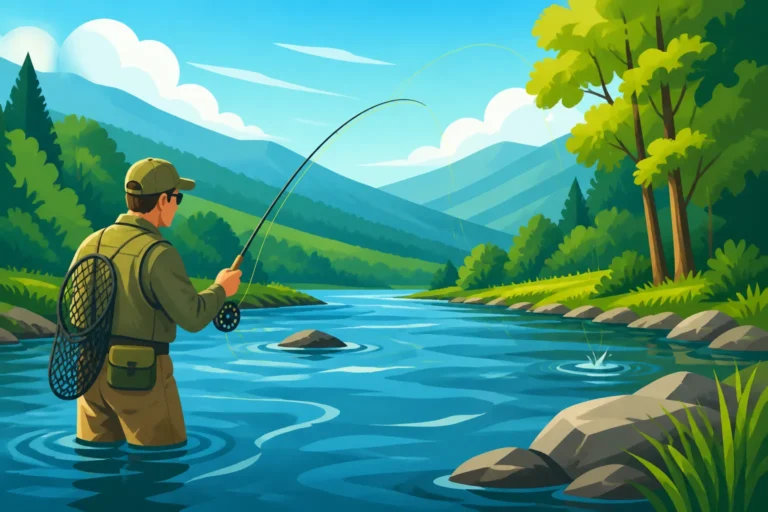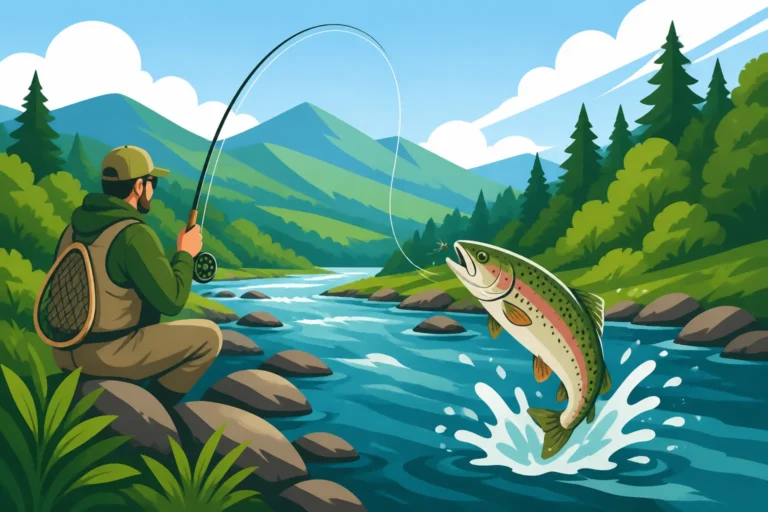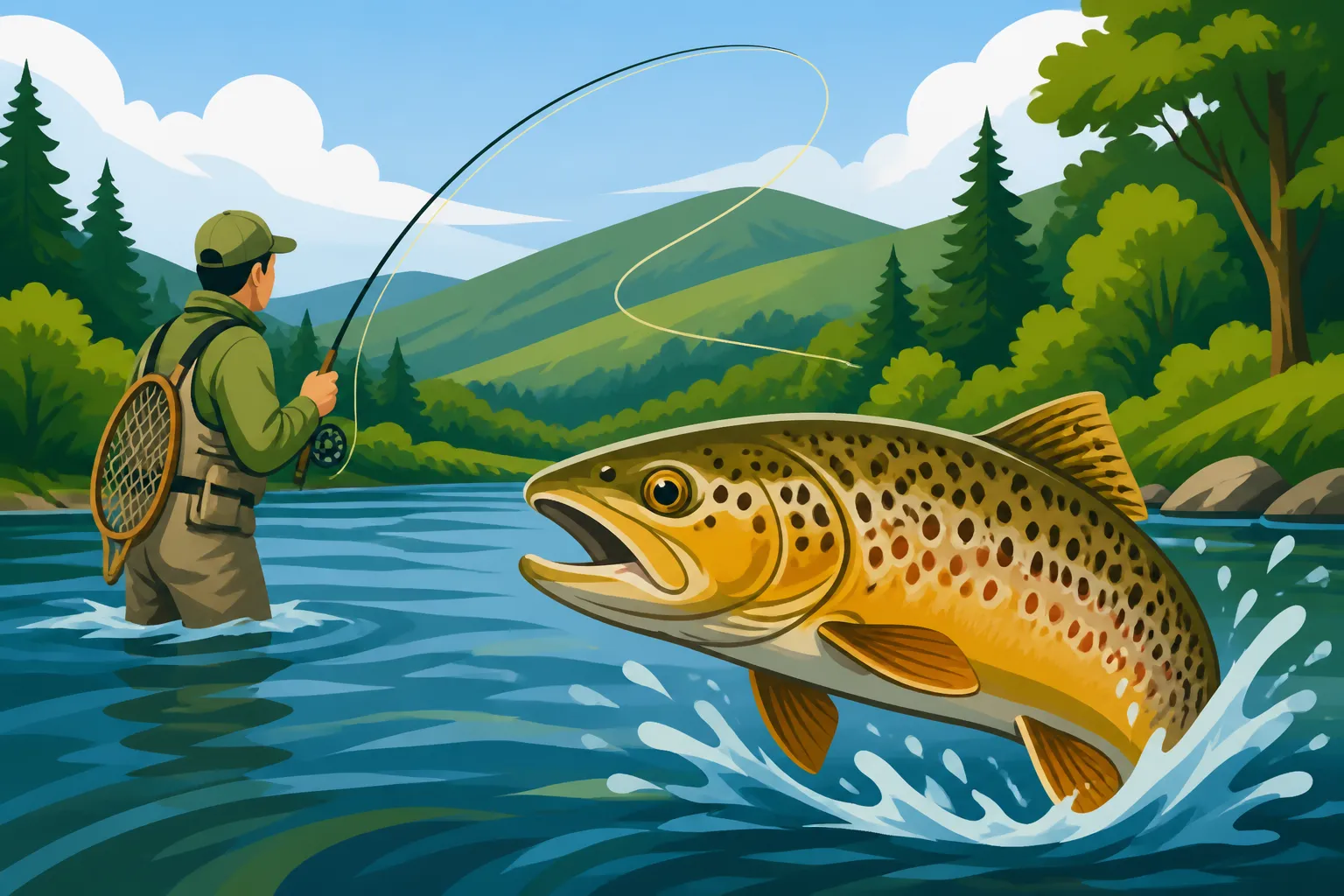
Battenkill River trophy trout section
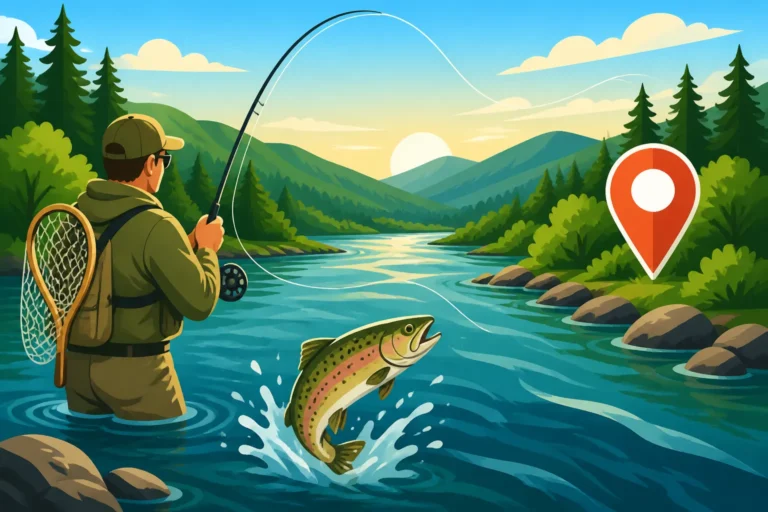
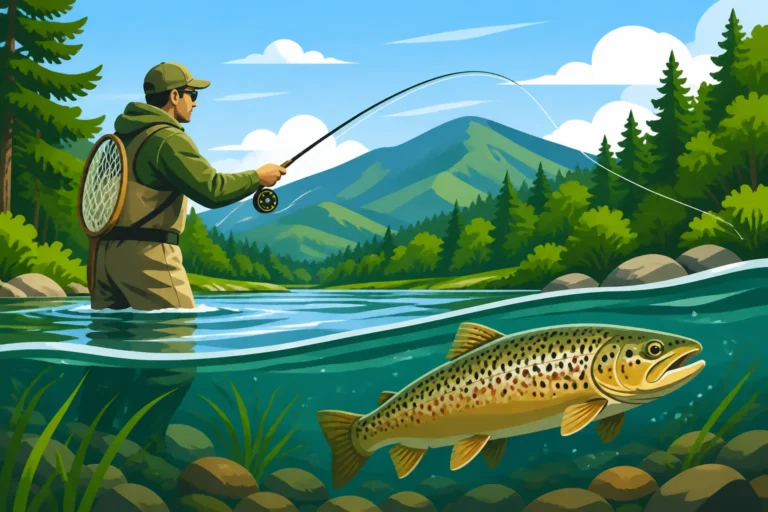
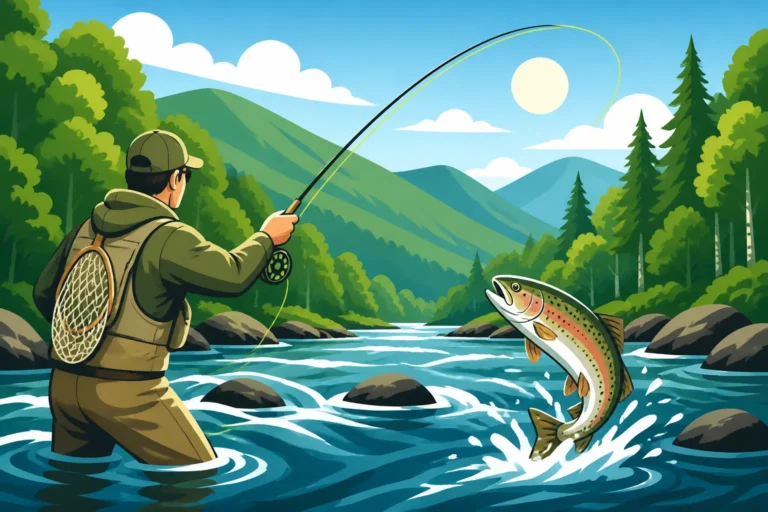
The Battenkill River, a name whispered with reverence among fly anglers, holds a secret that can be both exhilarating and incredibly frustrating: its trophy trout section. It's one thing to know that truly massive brown and rainbow trout lurk in these storied waters, but quite another to consistently fool them. This guide is your in-depth companion to unlocking the secrets of the Battenkill's most fabled stretch, helping you navigate its unique challenges and, hopefully, land that fish of a lifetime.
Understanding the Battenkill's Trophy Trout Section
For many anglers, the Battenkill is more than just a river; it's a pilgrimage site. But the "trophy trout section" isn't just a marketing term; it refers to a specific, highly regulated stretch of water designed to foster larger, wilder trout. Understanding its location and the rules governing it is your first step toward success.
Where is the Trophy Section Located?
The most renowned trophy section of the Battenkill River in Vermont generally encompasses the waters downstream from the historic Arlington Covered Bridge, also known as the West Arlington Covered Bridge, extending roughly to the New York state line. This isn't a short, easy walk; it's a significant stretch of river that winds through varied terrain, offering a mix of open meadows, wooded banks, and challenging access points. If you're coming from afar, you'll often find local outfitters and guides based in Arlington, Vermont, who can provide precise access points and up-to-the-minute conditions.
Many anglers are drawn to the areas around Route 313 near West Arlington, where the river truly starts to show its character. You'll find a blend of public access points, often marked by Vermont Fish & Wildlife Department signs, and private lands, so always be mindful of signage and respectful of landowners. Navigating these waters effectively often means consulting detailed maps or even hiring a local expert, as the best spots can be subtle and require a bit of local knowledge to pinpoint. For newcomers, services like FishingBooker can sometimes help connect you with experienced Battenkill guides who know these stretches intimately and can ensure you're fishing legally and safely.
Unique Regulations and Why They Matter
The Battenkill's trophy section operates under special regulations that are critical to its success and your fishing experience. Primarily, this stretch is designated as "catch-and-release" only, and in many areas, "fly-fishing only." This means no spinning gear, no bait, and every fish you catch must be carefully returned to the water unharmed. These stringent rules are in place for a very good reason: to protect the naturally reproducing wild trout population and allow fish to grow to truly impressive sizes.
Ignoring these regulations can lead to significant penalties, but more importantly, it undermines the very fishery you're there to enjoy. When you release a trophy brown trout, you're not just ensuring it lives to fight another day; you're contributing to the genetic strength and overall health of the river for future generations of anglers. Understanding these nuances is part of what it means to be a responsible angler on such a storied river. If you're new to the area or unsure about the specific rules for a particular stretch, always consult the most current guide to Vermont fishing regulations explained before heading out.
The Ecosystem of a Trophy Stream
What makes the Battenkill capable of holding such large trout? It’s a confluence of factors that creates an ideal habitat. First, the river boasts incredibly clear, cold, and well-oxygenated water, even during summer months, thanks to its spring-fed sources and forested banks that provide ample shade. This stable water temperature is crucial for trout health and metabolism.
Second, the riverbed itself is a mosaic of gravel, cobble, and bedrock, creating perfect spawning grounds for wild brown and rainbow trout. These bottom structures also provide diverse insect habitat, supporting prolific hatches of mayflies, caddisflies, and stoneflies that form the primary food source for growing trout. The deep pools, undercut banks, and complex current seams offer excellent holding lies and protection from predators, allowing fish to grow old and wise. It’s this intricate web of environmental conditions, coupled with strict catch-and-release policies, that transforms the Battenkill into a true trophy trout haven.
Essential Gear for Battenkill Trophy Trout
Tackling the Battenkill's trophy section isn't like fishing a local stocked pond. The wild, wary fish demand a thoughtful approach to gear. Having the right setup can make all the difference between a frustrating day and a memorable one.
Rod, Reel, and Line Setups
For the Battenkill, a finely tuned fly fishing setup is non-negotiable, given the "fly-fishing only" restrictions in much of the trophy water. Most experienced Battenkill anglers opt for a moderate-fast action 8.5 to 9-foot fly rod in a 4 or 5-weight. A 4-weight offers delicate presentations, crucial for spooky fish in clear water, while a 5-weight provides a bit more backbone for casting larger dries, streamers, or handling wind, and most importantly, fighting larger trout without over-stressing them. When you're dealing with a 20-inch brown trout, that extra bit of power is reassuring.
Pair your rod with a reliable reel that has a smooth drag system and enough capacity to hold your fly line plus about 75-100 yards of backing. While a high-end reel isn't strictly necessary for most Battenkill trout, a robust drag will prevent break-offs when a big fish makes a powerful run. As for fly line, a weight-forward floating line that matches your rod weight is the standard. For leaders, start with a 9-foot leader tapered to 4X or 5X, and be prepared to add fluorocarbon tippet as fine as 6X or 7X for those extra-wary fish or during sparse hatches. Our guide to Best Fly Rods for Vermont Trout Streams offers more specific recommendations tailored to challenging river environments.
Fly Selection for Different Seasons
The Battenkill is renowned for its prolific insect hatches, making fly selection crucial. You'll need a well-stocked fly box with patterns for every season. In the spring, when water levels are often higher and trout are active after the long winter, larger nymphs like Hare's Ears, Pheasant Tails, and Prince Nymphs are excellent subsurface choices. Early-season hatches might include Quill Gordons or Blue-Winged Olives, so having dry fly imitations is key.
As summer progresses, the river can become low and clear, making precise dry fly presentations paramount. Look for Isonychia, Sulphurs, and Caddis hatches. Terrestrials like Ant and Beetle patterns become incredibly effective when trout are looking up for protein falling from bankside vegetation. In the fall, as brown trout prepare for their spawn, streamers like Woolly Buggers, Sculpzillas, and articulated patterns can entice aggressive strikes from larger fish. Don't forget to have a selection of small, midge patterns for slow winter fishing or when no obvious hatch is occurring. Our detailed post on Fly Patterns for Vermont Trout Streams delves deeper into specific patterns and their uses.
Wading Gear and Safety
Wading the Battenkill can be deceptively challenging. The riverbed is a mix of smooth gravel, slippery rocks, and larger boulders, often covered in algae. Safe wading is paramount, not just for comfort but for preventing serious falls. You'll need breathable chest waders for most of the year, allowing you to venture into deeper runs and cross the river safely. The importance of reliable wading boots cannot be overstated; felt soles offer superior grip on slick rocks, though some areas might restrict felt to prevent the spread of invasive species. Rubber soles with studs are a good alternative.
Always use a wading staff, especially when exploring new sections or when currents are strong. It provides an essential third point of contact and helps you gauge depth and footing before committing. A good quality fishing vest or pack will keep your essentials organized and easily accessible. Given Vermont's variable weather, waterproof outer layers are also a must. Being prepared with the right gear ensures you can focus on the fishing, not on staying dry or upright. For more advice on navigating slippery riverbeds, check out our insights on Wading Techniques for Vermont Trout Streams.
Proven Techniques for Targeting Trophy Trout
Catching a true trophy trout on the Battenkill is a challenge that tests skill, patience, and observation. These fish are not only large but incredibly intelligent and wary, having survived countless angling attempts.
Reading the Water for Big Fish
Trophy trout don't just hang out anywhere; they choose lies that offer maximum food with minimum energy expenditure, coupled with good cover and escape routes. When you approach the Battenkill, take a moment to observe the water before casting. Look for deep pools, especially those with significant current breaks behind large rocks or logs. These are classic holding lies for larger fish. Undercut banks, where the current has carved out a protective overhang, are also prime real estate.
Seams where fast water meets slow water create natural food delivery lanes. Big trout will often sit just out of the main current, darting into the feeding lane to grab nymphs or emergers. Pay close attention to areas with submerged structure – rocks, fallen trees, or even subtle depth changes – as these provide ambush points. The subtle swirls and ripples on the surface can also indicate where currents are creating favorable holding conditions. Remember, these fish have grown large by being smart; think like a predator and anticipate where they'd feel safest and most efficient.
Presentation and Stealth
On the Battenkill, stealth and presentation are just as important as your fly choice. Approaching the water quietly, moving slowly, and keeping a low profile are critical to avoid spooking fish. Long, delicate casts are often necessary to avoid casting a shadow over the water or lining fish. Focus on making your fly land softly and naturally, upstream of where you believe a fish is holding, allowing it to drift naturally into the feeding zone. Drag-free drifts are paramount, especially with dry flies, mimicking the natural movement of insects on the water.
If you’re nymphing, use enough weight to get your flies down to the fish quickly, but not so much that it impedes a natural drift. Indicators should be subtle and sensitive. For streamer fishing, vary your retrieve to imitate struggling baitfish, sometimes a slow strip, other times a quick jerk. A common mistake is to cast directly at a fish you see; instead, try to present your fly a few feet upstream and allow it to drift to the fish's lie. Many local guides, some found through platforms like FishingBooker, emphasize the "less is more" approach – fewer, perfect casts are often more effective than many sloppy ones.
Catch and Release Best Practices
Because the Battenkill's trophy section is primarily catch-and-release, practicing responsible fish handling is not just a rule, but an ethical imperative. When you hook a large trout, fight it quickly but gently to avoid over-exhaustion. Keep the fish in the water as much as possible, especially during warm summer months when oxygen levels are lower. Use a net with a soft, rubberized mesh to minimize scale and slime damage; these types of nets also help prevent hooks from tangling. Our guide to Best Landing Net for Trout provides excellent options.
Once netted, keep the fish submerged while you remove the hook. Barbless hooks are highly recommended as they make de-hooking much easier and less traumatic for the fish. If you must take a photo, do it quickly with wet hands, supporting the fish horizontally under its belly and tail, keeping it out of the water for only a few seconds. Then, gently hold the fish facing upstream in the current until it vigorously kicks its tail and swims away on its own power. Proper catch and release ensures these magnificent creatures continue to thrive and grow, sustaining the trophy fishery for generations to come.
Seasonal Strategies for the Battenkill
The Battenkill's character changes dramatically with the seasons, and so too should your angling approach. Understanding these shifts is key to consistent success.
Spring Tactics: High Water and Hatches
Spring on the Battenkill is a time of renewal and often, rising water. As snowmelt and spring rains swell the river, trout become more active and less wary. This can be a fantastic time to target larger fish, but it also presents challenges. High, off-color water often means fish are holding closer to the banks, seeking refuge from strong currents and looking for dislodged food. Focus your efforts in slower eddies, current seams, and behind large boulders.
Nymphing is incredibly effective during spring. Use heavier nymphs like stoneflies or weighted Prince Nymphs to get your flies down to where the fish are holding. High water often brings out significant hatches of early-season insects like Blue-Winged Olives and Quill Gordons, so be prepared with matching dry flies. When the river is high, trout have more places to hide, so covering water thoroughly is important. Don’t be afraid to use slightly heavier tippets, as the reduced visibility in higher water can make fish less leader-shy. While specific dates vary, our article on Vermont Trout Opening Day Traditions might shed light on general seasonal patterns that apply to the Battenkill.
Summer Challenges: Low Water and Stealth
As summer arrives, the Battenkill often settles into its low, clear phase. This is arguably the most challenging time to fish the trophy section, but also potentially the most rewarding for skilled anglers. With gin-clear water and bright sunlight, trout become incredibly wary. Stealth is paramount: move slowly, cast long, and keep a low profile. Long leaders and fine tippets (5X-7X) are essential for fooling these educated fish.
Focus your efforts during early mornings, late evenings, or on overcast days when trout feel more secure. Dry fly fishing can be exceptional during summer hatches of Isonychia, Sulphurs, and various Caddis species. Pay close attention to rising fish and try to "match the hatch" precisely. Terrestrials, such as Ants, Beetles, and Hoppers, become very effective as the season progresses. FishingBooker might list guides who offer specialized low-water clinics, helping anglers refine their approach during these tricky months. Remember that water temperatures can rise in summer; if the temperature exceeds 68-70°F, consider giving the trout a break to reduce stress.
Fall Opportunities: Spawning Runs and Aggressive Fish
Fall is a magnificent time to fish the Battenkill, combining stunning foliage with some of the most aggressive trout fishing of the year. As water temperatures cool, brown trout begin their spawning migrations, making them more active and territorial. While it's crucial to avoid disturbing spawning fish on their redds, the pre-spawn and post-spawn periods can offer incredible opportunities. Look for fish in deeper pools and runs, as well as staging areas below known spawning grounds.
Streamer fishing truly shines in the fall. Large, articulated streamers that imitate baitfish or sculpins can provoke aggressive strikes from trophy browns. Don't be afraid to experiment with retrieves, from slow strips to fast, erratic jerks. Nymphing with larger patterns is also effective, as fish are feeding heavily to build energy for the spawn. The fall also brings strong hatches of Blue-Winged Olives, providing excellent dry fly opportunities. Just be sure to be respectful of the spawning process; observing Brown Trout Habits in Vermont Streams can help you understand and protect these vital fish.
| Season | Primary Hatch/Insect | Recommended Fly Types | Key Tactics | Water Conditions |
|---|---|---|---|---|
| Spring | BWO, Quill Gordon | Heavy Nymphs, Dry Fly (BWO, Quill Gordon) | Nymphing in seams, searching with dries | High, slightly off-color |
| Summer | Isonychia, Sulphurs, Caddis, Terrestrials | Dry Flies (match the hatch), Terrestrials, small Nymphs | Delicate dry fly presentation, stealth | Low, clear, warm |
| Fall | BWO, Stoneflies | Streamers, large Nymphs, Dry Fly (BWO) | Streamer stripping, deep nymphing, targeting pre/post-spawn | Moderate to low, cooling |
| Winter | Midges | Tiny Midges, small Nymphs | Slow nymphing, midge fishing, indicator fishing | Low, cold, clear |
Disclaimer
The information provided in this guide is for general informational purposes only. Fishing regulations, conditions, and access points in Vermont can change frequently. Always consult the official Vermont Fish & Wildlife Department website or their current fishing guide for the most up-to-date and accurate regulations, licensing requirements, and any emergency closures before planning your trip. Additionally, always prioritize safety on and around the water.