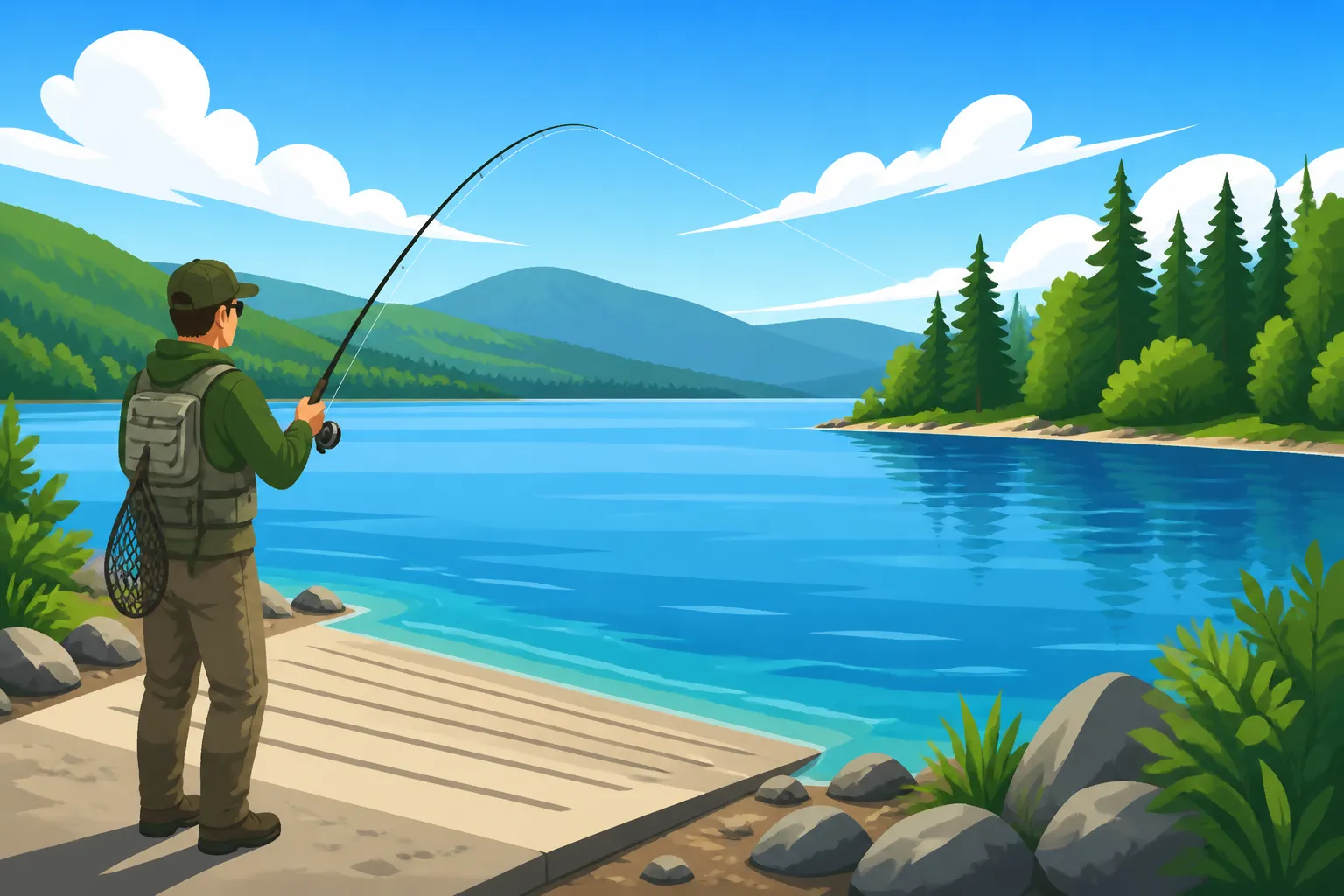
Lake St Catherine best fishing access
Finding reliable and convenient fishing access on a new lake can often feel like a puzzle, with anglers often frustrated by limited public spots or confusing regulations. If you've been dreaming of casting a line on Lake St. Catherine but aren't sure where to begin, this comprehensive guide is designed to cut through the confusion and highlight the best public fishing access points, ensuring your next Vermont angling adventure is smooth and successful.
Understanding Lake St. Catherine's Unique Charm for Anglers
Lake St. Catherine, nestled in the towns of Poultney and Wells, is one of Vermont's true angling gems. It’s not just a beautiful spot; it’s a vibrant ecosystem that supports a fantastic variety of fish, making it a favorite for both seasoned locals and visiting anglers alike. The lake spans roughly 900 acres, offering a good mix of shallow, weedy bays, rocky points, and deeper main lake basins. This diverse structure is precisely what makes it so appealing – different fish species thrive in different habitats, meaning there's always something to target.
When you think about fishing in Vermont, many minds jump straight to trout streams, but Lake St. Catherine reminds us that Vermont's lake fishing can be just as, if not more, rewarding. The lake's character is defined by its clear waters, surrounded by a mix of residential properties, undeveloped shoreline, and the iconic Vermont landscape. It's an ideal setting for a peaceful day on the water, whether you're chasing trophy bass or simply enjoying a quiet afternoon catching panfish. Understanding this unique blend of natural beauty and fishing opportunity is the first step to truly appreciating the access points available.
A Diverse Fishery for Every Angler
Lake St. Catherine is renowned for its diverse fish population, offering something for almost every type of angler. The lake is especially famous for its robust populations of largemouth and smallmouth bass. Anglers often report excellent action with these hard-fighting species, particularly around the numerous docks, submerged structures, and lily pad fields. The chance to land a hefty bass is a significant draw, and knowing where to access these prime habitats is key.
Beyond bass, you'll find healthy numbers of panfish like yellow perch, bluegill, and black crappie, which are fantastic targets for family outings or when you just want consistent action. These species are often found closer to shore, making them accessible even for bank anglers or those in smaller boats. For those who prefer predatory fish, chain pickerel are also common, particularly in the weedy areas, offering another exciting fight. While not primarily a trout lake, understanding the full spectrum of fish available helps you choose the right access point for your target species. For a deeper dive into the species found here, check out our comprehensive Lake St Catherine Fishing Guide
Navigating the Lake's Geography
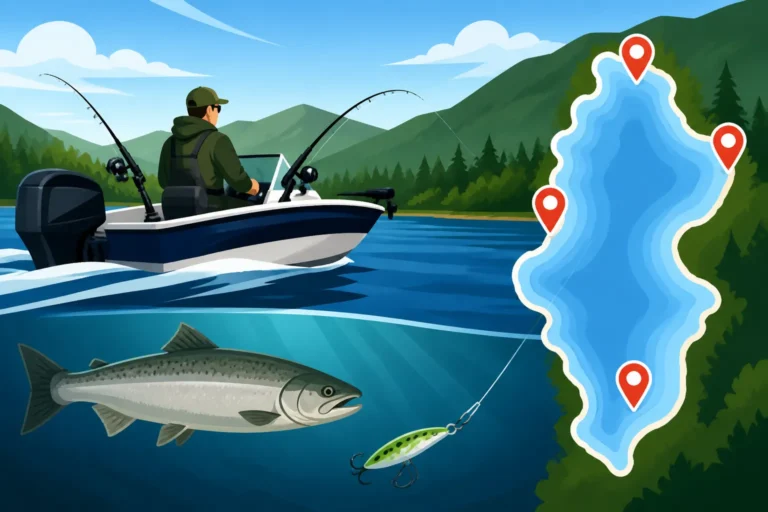
Lake St. Catherine is divided into three distinct basins, which can significantly influence where you choose to launch and fish. The North Basin is generally shallower and weedier, often favored by largemouth bass and pickerel anglers. The Middle Basin is deeper and offers a mix of structure, including rocky points and drop-offs, appealing to smallmouth bass and perch. The South Basin, while smaller, also has its own unique characteristics and can be a quiet retreat.
Understanding these geographical nuances helps you strategically plan your trip. For instance, if you're planning on chasing big bass, launching near access points that quickly get you into the North Basin might be your best bet. If you prefer to troll for deeper dwelling fish or explore varied structure, access to the Middle Basin could be more advantageous. The lake's shape, with its various coves and points, also provides natural shelter from wind, which is a major consideration for anglers in smaller crafts.
Prime Public Access Points on Lake St. Catherine
Accessing Lake St. Catherine is generally straightforward, thanks to well-maintained public facilities. These spots are designed to accommodate a range of anglers, from those with large trailer boats to individuals looking to launch a kayak or fish from shore. Knowing the specifics of each location will help you plan your outing efficiently and avoid any surprises upon arrival.
The Vermont Fish & Wildlife Department does a fantastic job of providing resources and maintaining access points, which is something we Vermonters truly appreciate. It’s always a good idea to familiarize yourself with general Vermont Fishing Regulations Explained before heading out, as rules can vary even slightly from lake to lake.
Lake St. Catherine State Park Access
One of the most popular and well-equipped access points is undoubtedly Lake St. Catherine State Park. Located at 2703 VT Route 30 in Poultney, this park offers excellent facilities that go beyond just a boat launch. It’s a full-service recreation area, which means you get amenities like restrooms, picnic areas, and even camping options if you want to extend your stay. The main boat launch here is paved and provides ample parking for vehicles with trailers, making it suitable for larger fishing boats.
The state park access is a fantastic starting point, especially if you're bringing a family or need easy access to different parts of the lake. From here, you can quickly navigate to the diverse fishing grounds of the Middle and North basins. There’s usually a small day-use fee to enter the state park, but it’s well worth it for the convenience and amenities provided. For those without a boat, the park also offers some shoreline access, particularly near the picnic areas, where you can cast a line for panfish or try your luck for bass closer to the weeds.
Boat Launch at Wells
Another key access point is the public boat launch situated in the town of Wells, typically found on the eastern side of the lake. While perhaps not as extensive as the state park, this ramp is a solid choice for those looking for a direct launch into a particular section of the lake or to avoid potential crowds at the state park during peak season. This launch usually features a hard-surfaced ramp and dedicated parking, though it might be slightly more limited than the state park's expansive lot.
The Wells launch can offer slightly different access to the lake's structure, allowing you to explore unique coves and points more directly. Before heading out, it’s always wise to double-check the exact location and current conditions of the Wells launch, as details can sometimes change. Keep in mind that general Vermont Boating Laws for Anglers apply to all public launches, so ensure your boat is registered and all safety equipment is in order. This attention to detail will help you have a smooth experience on the water.
Other Lesser-Known Shoreline Spots
Beyond the main boat ramps, Lake St. Catherine also has a few more discreet, lesser-known spots that offer shoreline access, especially for those without a boat or with smaller, hand-carried craft. These might include small pull-offs along Route 30 or town roads that border the lake, where a keen eye can spot a narrow path to the water. These aren't official launches, so amenities will be non-existent, and parking might be informal and limited. Always be mindful of private property signs and respect local residents.
Sometimes, a quick search on a platform like FishingBooker can even reveal local guides who might know these secret spots or offer guided trips that include access to less-frequented areas. These types of shoreline access are fantastic for a quick evening cast with a spinning rod, perhaps targeting bluegill or yellow perch. They offer a more intimate connection with the lake, away from the hustle and bustle of busier access points. Just remember to leave no trace and be courteous to landowners.
Beyond the Boat Ramp: Kayak and Canoe Access
For many anglers, particularly those focused on a quieter experience or targeting specific shallow-water species, kayaks and canoes are the vessels of choice. Lake St. Catherine is incredibly well-suited for paddle craft, offering numerous coves and shallow areas that larger boats can't reach. The accessibility for these smaller boats is often easier, as you don't always need a full-blown concrete ramp.
Embracing kayak fishing allows you to explore the lake's quieter corners, where you might find less pressured fish. Plus, launching a kayak or canoe is generally much faster and requires less infrastructure than launching a full-sized powerboat. If you're considering getting into the sport, check out our guide on the Best Kayaks for Vermont Fishing to help you make an informed decision.
Paddle-Friendly Launch Sites
While the main boat launches at Lake St. Catherine State Park and Wells can certainly accommodate kayaks and canoes, there are often more informal spots that are perfect for hand-launching. Many small public access points or roadside pull-offs, which might be too small for a trailer boat, are ideal for slipping a kayak or canoe into the water. These often provide immediate access to shallower, weed-laden areas that are prime habitat for largemouth bass and pickerel.
When seeking these paddle-friendly spots, look for areas with a gentle slope and firm ground near the water's edge. Often, these are located where town roads briefly run close to the lake. Always prioritize safety, ensuring you have enough space to park without obstructing traffic or private driveways. These informal launches are fantastic for a quick paddle and cast, letting you get on the water without the fuss of a crowded ramp. Just remember your Life Jacket Requirements for Vermont Boaters—they apply to all vessels!
Benefits of Kayak Fishing on Lake St. Catherine
Kayak fishing on Lake St. Catherine offers a truly unique and immersive experience. The stealth of a kayak allows you to approach fish without spooking them, especially in the clear waters of the lake. You can silently paddle into shallow bays thick with lily pads, areas that are often inaccessible to larger motorboats. This quiet approach is particularly effective for targeting wary largemouth bass or sight-fishing for sunfish on their beds.
Furthermore, kayaks allow for incredible maneuverability, letting you hug shorelines, navigate through submerged timber, and explore small pockets of water that hold hidden gems. For anglers interested in chasing specific species, this level of access can be a game-changer. For example, to really get into the thick cover where big largemouth bass hide, a kayak or canoe often outperforms a powerboat. Plus, the physical activity of paddling adds another dimension to your outdoor adventure, connecting you even more deeply with Vermont's natural beauty.
Tips for Maximizing Your Lake St. Catherine Fishing Trip
Successfully fishing Lake St. Catherine isn't just about knowing where to launch; it's also about being prepared and understanding the nuances of the fishery. A well-planned trip, considering factors like regulations, fish behavior, and even local insights, can significantly enhance your chances of a memorable day on the water.
Whether you're a seasoned angler or a beginner, a little bit of preparation goes a long way. This includes not just your gear, but also your knowledge of the local environment and regulations. Remember, Lake St. Catherine has some fantastic fishing, but knowing the rules, like Vermont Bass Minimum Length Limits, is critical for enjoying it responsibly.
Checking Conditions and Regulations
Before heading out to Lake St. Catherine, always check the most current weather forecast and lake conditions. Wind can be a significant factor on a lake of this size, especially in the larger, more open basins. A strong wind can make paddling or even operating a small motorboat challenging and unsafe. Additionally, monitoring water temperatures can give you clues about where the fish might be – for instance, bass tend to move to shallower waters as the lake warms up in spring and summer.
Crucially, always consult the latest Vermont Fish & Wildlife fishing regulations. These regulations can change annually, impacting everything from daily bag limits to minimum length requirements for different species. For example, understanding Vermont Bass Catch-and-Release Season, Explained is vital if you plan to target bass early in the year. The official Vermont Fish & Wildlife website is your best resource for the most up-to-date information. Ignoring regulations can lead to fines and detract from the enjoyment of your trip, so always double-check before you cast.
Local Expertise and Resources
Sometimes, the best way to get on the fish is to tap into local knowledge. This can come from chatting with regulars at the boat launch, visiting local bait and tackle shops like Hooked on Toys in Poultney, or even looking into guided fishing trips. Local guides spend countless hours on the water and possess an invaluable understanding of the lake’s current patterns, productive spots, and effective techniques. They can quickly put you on fish, especially if you're unfamiliar with Lake St. Catherine.
Platforms like FishingBooker can connect you with experienced fishing guides who specialize in Lake St. Catherine. Booking a trip, even for a half-day, can provide a steep learning curve and significantly improve your success rate on future solo trips. Guides know the best lures, the current hot spots, and how to adapt to changing conditions. They can also provide insights into specific techniques, such as How to Catch Largemouth Bass in Vermont or How to Catch Smallmouth Bass in Vermont Lakes, that are particularly effective on this body of water.
Respecting Private Property and Conservation
While Lake St. Catherine offers excellent public access, much of its shoreline is privately owned. It is absolutely essential to respect private property by avoiding trespassing, not blocking driveways or private access points, and generally being a good neighbor. This also extends to shoreline fishing; ensure you are on public land or have explicit permission before casting from someone's waterfront.
Beyond property boundaries, conservation is paramount. Practice catch-and-release, especially for larger breeding fish, if you're not planning to keep them for a meal. Always dispose of trash properly, pack out everything you pack in, and avoid disturbing wildlife. Keeping the lake clean and healthy ensures that future generations of anglers can enjoy the same fantastic fishing opportunities. Being a responsible angler contributes to the overall well-being of the fishery and maintains positive relations between the angling community and local residents.
Lake St. Catherine Fishing Quick Reference
Here's a quick reference table to help you plan your fishing adventure on Lake St. Catherine:
| Feature/Species | Description | Best Access for This | Key Regulation (Check Current Guide) |
|---|---|---|---|
| Lake Size | Approx. 900 acres | All public access points | N/A |
| Primary Species | Largemouth Bass, Smallmouth Bass, Yellow Perch, Bluegill, Black Crappie, Chain Pickerel | Varied, depending on target species | Bag/Length Limits Apply |
| Main Public Access | Lake St. Catherine State Park (Poultney), Wells Public Boat Launch | Ideal for motorized boats & general access | State Park Fee (day use) |
| Paddle Craft Access | State Park, Wells Public Launch, various informal pull-offs | Best for reaching shallow, weedy areas | Life Jacket Required |
| Season Highlights | Spring (bass, panfish), Summer (bass, panfish), Fall (bass, pickerel) | Varies by species and technique | Vermont Fishing Seasons by Month |
| Water Clarity | Generally clear | Beneficial for sight fishing (kayaks) | N/A |
| Lake Depth | Mixed: shallow bays, deeper main lake basin (up to ~60 ft) | Guides where different fish species are found | N/A |
| Good For | Bass fishing, panfishing, family outings, kayak/canoe fishing | Wide appeal for diverse angling interests | N/A |
Ultimately, Lake St. Catherine offers a truly fantastic and accessible fishing experience for anglers of all skill levels. By understanding its unique geography, utilizing the well-maintained public access points, and respecting both the environment and local community, you're set for a successful and enjoyable outing. Whether you prefer the comfort of a powerboat, the stealth of a kayak, or the simplicity of shore fishing, Lake St. Catherine has a spot for you to drop a line and make some memories. Happy fishing!
Disclaimer
The information provided in this guide is for general informational purposes only and does not constitute legal advice. Fishing regulations, access policies, and environmental conditions can change frequently. Always consult the official Vermont Fish & Wildlife Department website and local authorities for the most current and accurate regulations, licensing requirements, and safety guidelines before planning any fishing trip. Adherence to all applicable laws and regulations is the sole responsibility of the angler.