Lake Fairlee Fishing Guide
Lake Fairlee looks like an easy summer lake from the road, but plenty of anglers launch, cast at the obvious docks for three hours and drive home with nothing but a sunburn. This guide explains how the lake is laid out, which fish live where through the seasons, how to get on the water legally, and the practical tactics that turn a quiet day into a good one.
Getting to Know Lake Fairlee
Lake Fairlee sits in the rolling hills of eastern Vermont, straddling the towns of Fairlee, West Fairlee and Thetford, just a few miles west of the Connecticut River. Route 244 hugs much of its southern and western shoreline, so you get glimpses of the water as you drive in, and that is part of why it fools people. It looks small and friendly. In reality it has enough coves, points, weedlines and deeper water to keep you learning for years.
The lake covers somewhere in the neighborhood of 450 to 460 acres, with a long, irregular shoreline that wraps around several bays. It is known locally for its old summer camps, its loons and its quiet mornings. For anglers, it is best known as a warmwater fishery, with largemouth bass, smallmouth bass, yellow perch, chain pickerel and sunfish doing most of the heavy lifting.
Layout, Depth and Structure
If you only remember one thing about Lake Fairlee’s shape, remember that it is not a simple bowl. The main basin holds the deepest water, reaching roughly 50 feet at its deepest point, while the arms and bays are much shallower, with soft bottoms, lily pads and summer weed growth.
That combination is exactly what makes it a good bass and panfish lake. The shallow bays warm quickly in spring and grow thick vegetation by midsummer. The transition zones, where weeds give way to deeper water, hold fish for most of the open-water season. Rocky points and gravel stretches along the shoreline give smallmouth something to relate to, while the soft, weedy pockets are prime largemouth and pickerel territory.
The shoreline is heavily developed in places, with private camps and docks. Those docks are not just obstacles. Shade from a dock on a hot July afternoon is often the only cover a largemouth needs, so learn to skip a soft plastic under them without hooking anyone’s boat lift.
Public Access and Getting on the Water
The main public launch is a state fishing access area on the lake, reachable from Route 244. It is a small, practical ramp that works well for trailered aluminum boats, smaller bass boats, canoes and kayaks. Parking is limited, and on a nice summer weekend you may find it full by mid-morning, so plan to arrive early.
Shore fishing is more limited than on some Vermont lakes because so much of the shoreline is privately owned. The access area itself gives you a little room to cast, and it is a reasonable spot to take kids for sunfish and perch, but serious shore anglers usually find they need a small craft to really fish the lake. A kayak or canoe opens up the whole shoreline and lets you work the shallow bays quietly. If you are new to paddling for fish, Kayak Fishing Techniques for Vermont Lakes covers rigging and boat control.
Water Clarity, Temperature and Weed Growth
Lake Fairlee is moderately clear for much of the year, and that clarity changes how you should fish it. On bright, calm days, fish can see your line and your boat from a long way off, so lighter fluorocarbon leaders, longer casts and a quiet approach pay off. On windy or overcast days the fish get bolder and roam more, and that is when faster moving baits like spinnerbaits and crankbaits shine.
Surface temperatures climb quickly once June arrives, and by midsummer the shallow bays can feel like bathwater in the afternoon. That heat pushes the better fish toward shade, thicker weeds and deeper edges during the middle of the day. In the deeper main basin, the water stratifies in summer, with a warm upper layer sitting over cooler, deeper water. Most of the bass and panfish activity stays in the upper layer and along the weedlines, so do not waste time fishing the deepest holes in July.
Weed growth follows the same calendar. In May, the bays are mostly open with new shoots poking up. By late July, many of those same bays are thick with vegetation and lily pads, and the edge of that growth becomes the most important line on the lake. When fall turnover arrives and the water cools, the weeds start to die back, baitfish scatter, and predators begin roaming more widely. Paying attention to the weeds is the simplest way to know where the fish are in any given month.
Rules Worth Knowing Before You Launch
Lake Fairlee follows Vermont’s statewide regulations unless a specific exception is posted. That means you need a valid Vermont fishing license if you are old enough to require one, and you must follow statewide seasons, daily limits and length limits for each species. Bass in particular have a catch-and-release period before the regular harvest season opens, which matters a lot here because spring is one of the best times to catch them. Our explainer on Vermont Bass Catch-and-Release Season, Explained lays out how that works, and Vermont Fishing Regulations Explained is the best place to start if you are new to the state’s rulebook.
Remember that Lake Fairlee is a busy recreational lake in summer. Swimmers, paddleboarders, sailors and camp programs all share the water. Give swim areas and moored boats a wide berth, respect no-wake rules near shore, and keep your boat clean, drained and dry when moving between lakes to avoid spreading invasive plants.
Bass Fishing on Lake Fairlee
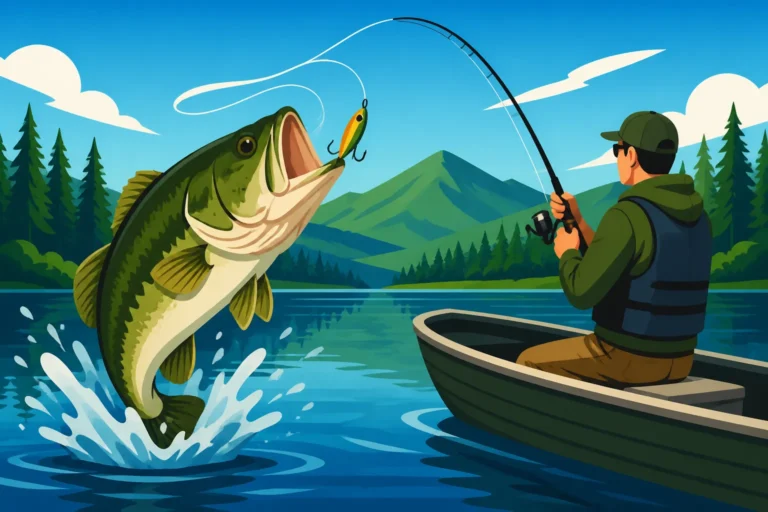
For most visiting anglers, bass are the main event. Lake Fairlee holds both largemouth and smallmouth, and while neither species tends to grow to trophy size here compared with Lake Champlain, the numbers can be good and the fishing can be genuinely fun on light tackle.
Largemouth Bass in the Bays and Weeds
Largemouth are the backbone of the lake’s bass fishery. In late spring they move into the shallow bays to spawn, and you can often see them cruising over the soft bottom on calm, sunny mornings. Once the spawn is over and the weeds come up, they settle into the vegetation and around docks.
For summer largemouth, the most reliable techniques are the ones that put a bait right into cover:
- Weightless soft plastic stickbaits skipped under docks and around lily pads.
- Texas-rigged creature baits or worms pitched into holes in the weed mats.
- Hollow-body frogs worked over the top of thick pads in low light.
- Swim jigs or spinnerbaits run along the outside edge of the weedline.
Early and late in the day, topwater can be exciting. A popper or walking bait cast tight to the pads at first light is how a lot of anglers catch their first Lake Fairlee largemouth. When the sun gets high and boat traffic picks up, slow down and fish deeper into the cover. For a wider look at the species, How to Catch Largemouth Bass in Vermont goes deeper into seasonal patterns that apply directly here.
Smallmouth on Rock, Gravel and Deeper Edges
Smallmouth are present but more scattered. Look for them on rocky points, gravel shorelines, and the steeper breaks leading into the main basin. Early in the season they are often shallow and aggressive. By midsummer the bigger ones tend to slide out to deeper rock and the edges of the basin, especially during bright, calm days.
A tube jig, a drop shot with a small finesse worm, or a Ned rig worked slowly along those rocky breaks is hard to beat. Crankbaits that dig into gravel in the 8 to 15-foot range can also be effective, especially in late summer and early fall when smallmouth start chasing baitfish more aggressively.
Reading Wind and Light on a Small Lake
Wind is your friend on Lake Fairlee, even though it can make boat control annoying. A steady breeze blowing into a weedy bay or across a rocky point stirs up the surface, pushes baitfish and plankton toward the shoreline and breaks up light penetration. Bass respond by moving up and feeding more aggressively. On those days, fish the windblown banks first and use faster moving lures.
On flat calm, bluebird days, the opposite happens. Fish tuck into the thickest cover or slide deeper, and they become much more cautious. That is when slow, subtle presentations, smaller baits and long casts make the difference. Many anglers give up on these days, but working dock shade and the inside of thick weeds with a weightless stickbait can still produce surprisingly well.
Low light is the third key. The first hour after sunrise and the last hour before dark are often the best fishing of the day, especially in summer when afternoon boat traffic disturbs the shallows. If you can only fish part of the day, choose the edges.
Matching Tactics to the Season
Here is a quick comparison of how bass fishing changes on the lake through the open-water months.
| Period | Largemouth location | Smallmouth location | Best presentations |
|---|---|---|---|
| Ice-out to late spring | Warming shallow bays, sunny banks | Shallow rock and gravel | Slow jerkbaits, small swimbaits, finesse plastics |
| Spawn | Shallow soft-bottom flats in the bays | Gravel and rock in protected areas | Soft plastics, light jigs, catch and release |
| Early summer | Weedlines and docks | Points and breaks | Topwater at dawn, swim jigs, tubes |
| Midsummer | Thick weeds, dock shade | Deeper rock and basin edges | Texas rigs, frogs, drop shot |
| Early fall | Outside weed edges chasing bait | Points and transitions | Crankbaits, spinnerbaits, swimbaits |
| Late fall | Deeper weed edges | Deeper breaks | Jigs, blade baits, slow presentations |
Pay special attention to the spawn period. If bass are still in the catch-and-release season, handle them quickly, keep them wet and let them go right where you caught them so they can return to their beds.
Panfish and Chain Pickerel
If your goal is steady action, or you are bringing kids, panfish and pickerel are the real treasures of Lake Fairlee. Both are abundant, both are easy to find with a little knowledge, and both bite almost year-round.
Yellow Perch Through the Seasons
Yellow perch are one of the most popular fish on the lake, both for the fun of catching them and for the table. In open water they school along weed edges and over mixed bottom, and they move shallow in early spring around spawning time. Small jigs tipped with a piece of worm, small minnows under a bobber, or tiny soft plastics on a light jig head all catch perch.
Once you find one perch, stay put. They travel in schools, and where there is one there are usually many more. If the bites stop, move a short distance along the same depth contour rather than racing across the lake. Our species overview on Yellow Perch in Vermont Lakes covers habits that apply directly to this water.
Sunfish for Beginners
Pumpkinseeds and other sunfish crowd the shallows from late spring through summer. They are perfect for young anglers: a small hook, a bit of worm and a bobber set a couple of feet deep is all it takes. Docks and the edges of lily pads near the access area are good starting points. A sunfish fight on an ultralight rod is a perfect introduction to fishing for a child, and the fast action keeps attention spans from wandering. Our Best Techniques for Panfish in Vermont has more ideas for keeping young anglers busy.
Chain Pickerel in the Weeds
Chain pickerel are aggressive, toothy and widespread in the weedy bays. Many bass anglers catch them by accident on spinnerbaits and swim jigs, but targeting them deliberately is a blast. Inline spinners, small spoons, soft jerkbaits and shallow-running minnow plugs worked over and along the weeds all draw explosive strikes.
Pickerel have sharp teeth, so use a slightly heavier leader if you are losing lures, and carry long-nose pliers for unhooking. Handle them carefully, as they are slimy and wriggly. If you want to dig into how they behave, Best Techniques for Chain Pickerel is a good companion read.
Keeping Fish for the Table
Perch and sunfish from Lake Fairlee make excellent eating, and keeping a reasonable number within the legal limits is part of the tradition here. Bass and pickerel are also legal to keep in season, though many anglers release the larger bass so they can keep spawning.
If you plan to keep fish, bring a cooler with ice rather than a stringer, especially in summer when surface water is warm. Fish kept cold from the moment they are caught taste far better. Perch fillet easily with a sharp, thin knife, and sunfish can be scaled and cooked whole. Pickerel have a reputation for being bony, but there are well-known filleting methods that remove the Y-bones, and the white meat is mild and tasty.
Before you keep anything, double-check that you are in the right season and within the daily limit for each species, and measure any bass against the length rules that apply. Throw back fish that are borderline. A few minutes of care keeps you legal and protects a lake that a lot of families depend on for summer memories.
Ice Fishing Lake Fairlee
When the lake freezes, the fishing does not stop. Lake Fairlee is a popular winter destination for perch, sunfish and pickerel, and on a cold, still morning you will see shanties and portable shelters scattered across the bays.
Ice Safety Comes First
Every winter, ice conditions on Vermont lakes vary, and Lake Fairlee is no exception. Inflow and outflow areas, places near docks and shoreline structures, and spots with springs or pressure ridges can stay thin even when the rest of the lake looks solid. Always check ice thickness with a spud bar or auger as you walk out, carry ice picks around your neck, and never fish alone early or late in the season. Read How thick ice needs to be to fish safely in Vermont before you take your first step.
What Bites Through the Ice
Perch are the main winter target. Small jigging spoons, tungsten jigs tipped with a grub or minnow head, and tip-ups set with small shiners all produce. Look for perch along the edges of the deeper basin and over weed beds that still hold some green vegetation.
Chain pickerel are excellent tip-up fish. Set tip-ups with shiners in a few feet of water over weeds, and keep an eye on the flags. Sunfish can be caught on tiny jigs near the bottom in the weedy bays. For technique specifics, Jigging for Perch Through the Ice covers the jigging motions and gear that work best.
Winter Planning Tips
- Arrive early, since perch often bite best in the first few hours after sunrise.
- Drill several holes in a line across a depth change and move until you find active fish.
- Bring a flasher or underwater camera if you have one, as it greatly speeds up finding schools.
- Keep tip-ups spread out and within your sight at all times as required by state regulations.
- Pack everything back out, including bait containers and line scraps.
Planning Your Trip
A great day on Lake Fairlee starts before you even hit the water. Thinking through access, timing, gear and whether you want a guide will make the experience smoother and more productive.
Guided Trip or Do It Yourself
Lake Fairlee is small enough that many anglers explore it on their own, but a guide can shorten the learning curve, especially if you are visiting from out of state with limited time. Booking platforms such as FishingBooker make it easy to compare guides who work the eastern Vermont and upper Connecticut River region, read reviews and check what is included before you commit. Prices and what each trip includes vary, so check the listing for current details.
Many guides in this area fish several lakes and the Connecticut River, so ask whether Lake Fairlee is a regular part of their rotation. A guide who fishes the lake often will know where the perch schools set up and which docks hold bigger bass in July. If you prefer flexibility, FishingBooker listings often show which guides offer half-day trips, which can be a good way to learn the lake before going out on your own the next day.
Gear That Fits This Lake
You do not need a boat full of rods to fish Lake Fairlee well. Three setups cover almost everything:
- A medium-light spinning rod with 6 to 8-pound line for perch, sunfish, finesse smallmouth tactics and light jigs.
- A medium or medium-heavy spinning or casting rod with 10 to 15-pound line for soft plastics, spinnerbaits and crankbaits around weeds and docks.
- A heavy casting rod with braided line if you plan to throw frogs or punch into thick vegetation in midsummer.
For ice fishing, add a short, sensitive jigging rod for perch and a handful of tip-ups for pickerel. Polarized sunglasses help you spot weed edges and cruising bass in spring, and a pair of long-nose pliers is essential for pickerel. If you are just getting started, Best Rod and Reel Combo for Beginners is a good guide for building a simple first setup.
A Sample Summer Day on the Water
Picture a weekday in mid-July. You launch at the state access just after sunrise when the lake is calm and the parking lot is almost empty. You spend the first hour working a popper along the edges of the lily pads in the nearest bay, picking up a few largemouth and a couple of pickerel that slash at the bait.
As the sun climbs, you switch to a weightless stickbait and start skipping it under docks along the shoreline, where shade keeps bass close. By mid-morning, swimmers and paddleboarders start appearing, so you move to the deeper weedline and slow down with a Texas-rigged worm, picking off a few more fish. Before lunch, you finish with an hour of perch fishing along a mixed weed and sand edge, filling a small cooler with enough fish for dinner. You are off the water before the afternoon crowd, with a good mix of species and a much better understanding of the lake.
Trip Comparison
| Option | Best for | Strengths | Trade-offs |
|---|---|---|---|
| Trailered boat at the state access | Experienced anglers covering water | Covers the whole lake quickly | Limited parking, busy summer weekends |
| Kayak or canoe | Quiet exploration of bays | Reaches shallow cover, peaceful | Weather dependent, slower travel |
| Shore fishing at the access | Kids and quick sessions | Simple and inexpensive | Limited space and water to cover |
| Guided trip | Visitors short on time | Local knowledge, equipment provided | Higher cost |
| Winter ice fishing | Perch and pickerel fans | Steady action, social atmosphere | Ice safety demands caution |
Nearby Waters to Round Out a Weekend
One of the best things about Lake Fairlee is what is nearby. Lake Morey sits just a short drive away in Fairlee, and the Connecticut River offers bass, walleye and trout fishing within minutes. If you want to make a weekend of it, see Connecticut River Fishing Access in Vermont for options on the big river. Lake Morey is worth a morning of its own, especially for anglers who enjoy perch and bass on a slightly different style of lake.
If you want to know the best specific spots on the lake itself, our companion piece Lake Fairlee best fishing spots goes into individual coves, points and weedlines. Compare guides on FishingBooker if you want local help, and pack a light spinning rod even on non-fishing family trips, because sunfish off a dock at sunset are hard to resist.
Disclaimer
This article is for general informational purposes only and does not constitute professional advice. Laws, prices and regulations vary by location and change over time. Consult a qualified professional for guidance on your specific situation.