Vermont walleye slot limit on Lake Champlain
It’s a common frustration for anglers: you've spent hours on the water, finally hooked into a beautiful walleye on Lake Champlain, and now you're left wondering, "Can I keep this one?" Vermont's fishing regulations, particularly for walleye, can feel like a riddle with their specific length requirements and bag limits. This guide will meticulously break down the walleye slot limit on Lake Champlain, helping you confidently understand what you can keep and what needs to go back, ensuring you're always fishing legally and responsibly.
Deciphering Lake Champlain's Walleye Size Regulations
Fishing for walleye on Lake Champlain is a cherished pastime for many, but it comes with a distinct set of rules designed to protect the health and sustainability of this popular sport fish. It’s not just about how many fish you can keep, but also their size. Understanding these nuances is crucial before you even cast your line.
The Specific Walleye Length Rules
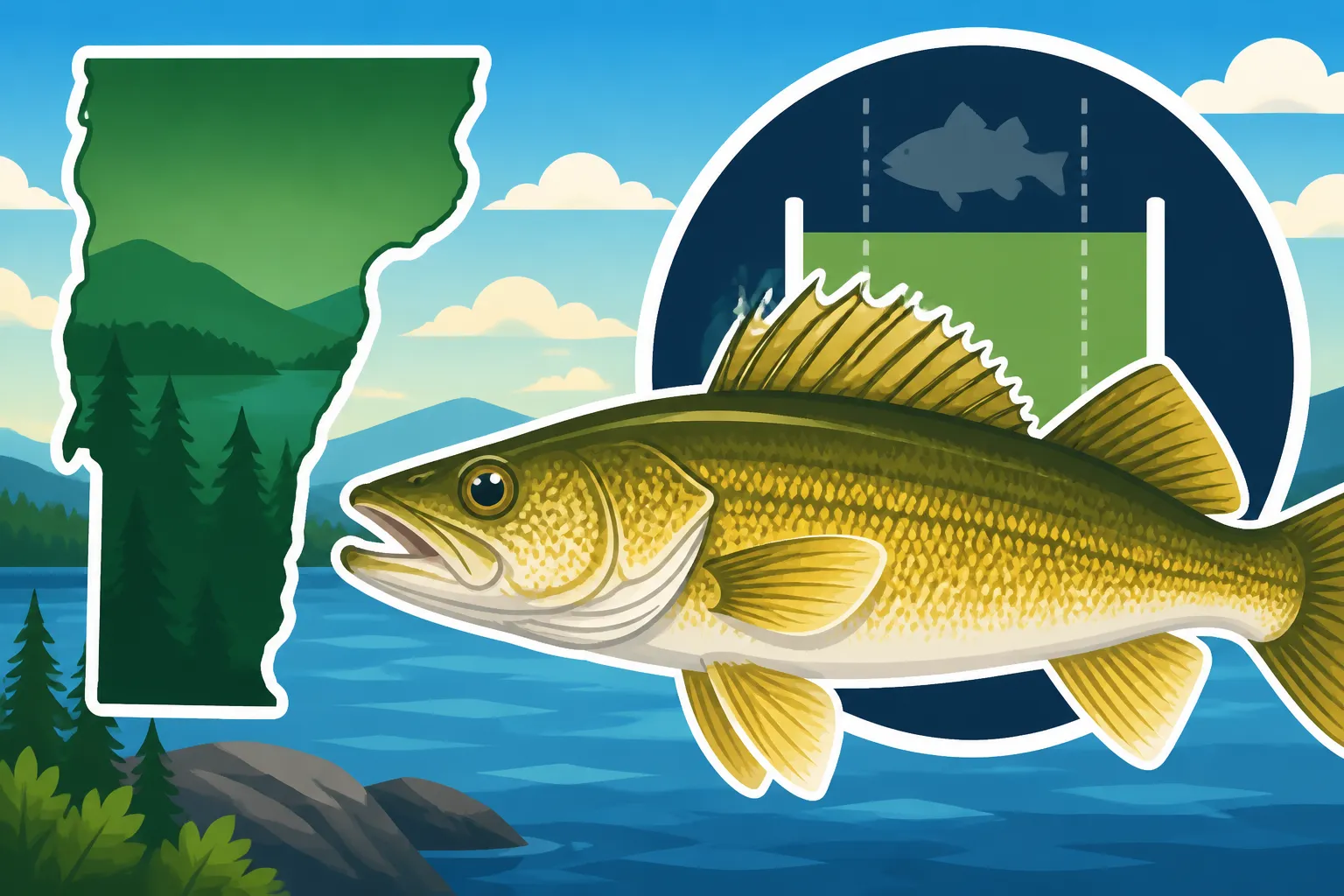
When it comes to walleye on Lake Champlain, Vermont's regulations are quite precise. They don't impose a traditional "protected slot limit" where all fish within a certain size range must be released. Instead, it's a combination of a minimum length requirement and a restriction on the number of larger fish you can keep.
Here's the breakdown:
- Minimum Length: Any walleye you catch that measures less than 18 inches in total length must be immediately released back into the water. These smaller fish are essential for the future of the fishery, representing the next generation of keepers and breeders.
- Daily Possession Limit: The total number of walleye you can keep in a single day is three (3) fish.
- The "Over 28 Inches" Rule: Within your daily limit of three walleye, only one of those fish is allowed to exceed 28 inches in total length. This is where the regulation acts to manage the harvest of larger, often more prolific, breeding fish while still allowing anglers the thrill of taking home a trophy.
Let's look at a couple of scenarios to make this crystal clear:
- Scenario 1: You catch three walleye measuring 20 inches, 24 inches, and 26 inches. All of these are legal to keep as they are over 18 inches and none exceed 28 inches. You’ve filled your daily limit.
- Scenario 2: You catch three walleye measuring 22 inches, 27 inches, and 30 inches. This is also a perfectly legal haul. You have three fish, all over 18 inches, and only one of them (the 30-incher) is over the 28-inch threshold.
- Scenario 3: You catch a 20-inch walleye, a 29-inch walleye, and then another 30-inch walleye. In this case, you can keep the 20-inch fish. For the two larger fish (29 and 30 inches), you can only choose one of them to keep, as you are allowed only one fish over 28 inches in your daily limit. The other large walleye, no matter how tempting, must be released.
It's vital to remember that these rules are specific to Lake Champlain. If you're planning to fish for walleye in other Vermont waters, the regulations might differ, so always double-check the latest Vermont Fishing Regulations Explained before your trip.
Why These Specific Regulations Are In Place
You might wonder why these particular rules exist. They're not just arbitrary numbers; they are carefully crafted by the Vermont Fish & Wildlife Department based on scientific data about walleye populations in Lake Champlain. The primary goal is conservation and ensuring a healthy, sustainable fishery for generations to come.
- Protecting Immature Fish: The 18-inch minimum length ensures that younger walleye have ample time to grow and mature. These smaller fish haven't had a chance to reproduce yet, so letting them go back allows them to contribute to future spawning cycles, maintaining a robust population base.
- Managing Breeding Stock: The "only one over 28 inches" rule is designed to protect the largest, most successful breeding females (and males). Older, larger walleye are often the most prolific spawners, contributing significantly to the lake's natural reproduction. By limiting the harvest of these larger individuals, the department helps safeguard the genetic health and overall numbers of walleye in Lake Champlain. It allows anglers to enjoy the occasional trophy without depleting the critical breeding stock.
- Balancing Harvest and Opportunity: These regulations strike a balance between allowing anglers to harvest fish for consumption and preserving the fishery for the long term. They aim to provide consistent fishing opportunities while preventing overfishing of any specific age or size class. This approach helps support the incredible Walleye Fishing on Lake Champlain that so many Vermonters and visitors enjoy.
Practical Implications for Anglers on the Water
For those of us out on the water, these rules mean we need to be prepared and observant. It's not just about catching fish; it's about understanding your catch and making informed decisions.
First and foremost, always have a reliable measuring device readily accessible on your boat or in your tackle bag. A bump board or a flexible tape measure that can lay flat against the fish is ideal. Trying to measure a squirming fish against a ruler on the side of your boat is a recipe for error and can cause unnecessary stress to the fish. You can find durable, waterproof measuring tools on platforms like Amazon or at your local tackle shop.
Secondly, internalize the numbers: 18 inches minimum, 3 fish total, only one over 28 inches. When you land a walleye, the first thing to do is measure it carefully. If it's under 18 inches, it goes back immediately. If it's between 18 and 28 inches, you can consider keeping it, provided you haven't hit your 3-fish limit. If it's over 28 inches, you can keep it, but remember it fulfills your one "trophy" slot for the day. Any subsequent walleye over 28 inches must be released, even if you still have space in your 3-fish limit.
These rules also indirectly influence fishing techniques. While the regulations don't dictate how you fish, knowing that smaller fish need to be released might encourage anglers to use techniques that minimize harm, like single, barbless hooks or artificial lures over live bait, especially if targeting larger fish during periods like the Walleye Spawning Season in Vermont when fish are more vulnerable.
Responsible Catch and Release Practices for Walleye
Fishing isn't just about what you keep; it's often more about what you release, especially when dealing with slot limits and minimum size requirements. Practicing proper catch and release techniques is a cornerstone of responsible angling and vital for the long-term health of the walleye fishery on Lake Champlain.
Accurate Measurement is Key
Before you can decide to keep or release a walleye, you need to know its exact size. Getting an accurate measurement quickly and gently is paramount to ensure the fish's survival if it's going back in the water.
Here’s how to do it right:
- Preparation: Have your measuring device ready before you even bring the fish into the boat. A sturdy, flat measuring board is excellent, as it provides a stable surface. If you’re using a tape measure, try to find a flat, wet surface on your boat where you can quickly lay it out.
- Gentle Handling: Once you land the fish, try to handle it as little as possible. If possible, keep the fish in the water while unhooking and measuring. If you must bring it aboard, use a wet net to support its body. Avoid touching the fish with dry hands, as this can remove their protective slime layer, making them susceptible to disease. A pair of wet gloves can help maintain your grip while protecting the fish.
- Laying it Flat: Carefully place the walleye on your measuring board or tape measure. The fish should be laid flat on its side or belly.
- Pinching the Tail: Position the fish so its snout is against the end of the measuring device. Gently pinch the tail lobes together to get the maximum length measurement. Don't press too hard, just enough to get an accurate reading from the tip of the snout to the furthest point of the tail fin.
- Quick Read & Release: Take your measurement quickly. If the fish is under 18 inches or falls into a category you cannot keep (e.g., your second fish over 28 inches), get it back into the water as soon as possible. Prolonged exposure to air is extremely stressful for fish.
Investing in a good quality measuring board, like those available on Amazon or at specialty tackle shops, can make this process much smoother and safer for the fish. Remember, rushing or guessing measurements only leads to potential errors and undue stress on the walleye.
Minimizing Stress for Released Walleye
Even if a walleye is legal to keep, many anglers choose to release some of their catch, particularly if they're not planning to eat them or are hoping to help the population grow. For those fish you must release due to size regulations, proper handling is crucial for their survival.
Follow these best practices:
- Wet Hands, Wet Net: Always wet your hands or use wet gloves before touching a fish. The fish's slime coat is its first line of defense against infection.
- Support the Whole Body: Never hold a walleye vertically by the jaw or gill plates alone. This can damage internal organs and its spinal column. Support the fish horizontally with one hand under its belly and the other gently gripping its lower jaw (if using a lip gripper) or supporting its tail.
- Use Proper De-hooking Tools: Keep a pair of long-nosed pliers or a de-hooking tool handy. These allow you to quickly remove hooks without deep-throating the fish or tearing its mouth. If a fish is deeply hooked, especially in the gills or esophagus, it’s often best to cut the line as close to the hook as possible. Studies show that hooks often rust out or are shed, and this can be less damaging than trying to force extraction.
- Limit Air Exposure: Walleye, like all fish, "breathe" water. Being out of water is like holding your breath. Keep the fish out of the water for the absolute minimum amount of time necessary for unhooking, measuring, and a quick photo if desired.
- Revive If Necessary: If a fish seems sluggish after release, gently hold it upright in the water, facing into the current. Move it back and forth to help water flow over its gills until it regains strength and swims away on its own. This is especially important for fish caught in warmer water or after a long fight.
By taking these steps, you significantly increase the chances that the walleye you release will survive to fight another day and potentially become a trophy for someone else, or a valuable breeder for the lake.
The Ethical Angler's Role in Conservation
Adhering to regulations and practicing responsible catch and release isn't just about avoiding fines; it's about being a good steward of our natural resources. The Vermont Lake Champlain Fishing Rules are put in place for a reason, and every angler plays a part in their effectiveness.
Ignoring slot limits, keeping undersized fish, or improperly handling released fish has cumulative negative impacts. It can lead to depleted fish stocks, reduced trophy potential, and ultimately, less enjoyable fishing for everyone. Conversely, when anglers collectively follow the rules, it fosters healthy ecosystems and ensures that future generations can experience the same joy of fishing that we do today. Your commitment to these practices directly contributes to the vibrant fishery on Lake Champlain, helping species like walleye thrive.
Beyond Length: Walleye Seasons, Limits, and Legalities
Understanding the walleye length regulations on Lake Champlain is a big piece of the puzzle, but it's not the only one. There are other important rules you need to be aware of, including daily bag limits, season dates, and the serious consequences of not following the law.
Daily Bag and Possession Limits
While we've already touched on the daily limit when discussing the slot, it's worth reiterating and clarifying the difference between "daily bag" and "possession" limits.
- Daily Bag Limit: This refers to the maximum number of fish of a particular species that an angler can harvest and retain in a single day. For walleye on Lake Champlain, this is three (3) fish, with the additional stipulation that only one of those three can be over 28 inches.
- Possession Limit: This refers to the total number of fish of a particular species that an individual can have in their possession at any given time, regardless of when they were caught. Typically, the possession limit is equal to the daily bag limit. This means if you have three walleye from a previous day's catch stored at your cabin, you cannot go out and catch another three on a new day. You'd be over the possession limit. Always make sure that the total number of walleye you possess, whether on your person, in your boat, cooler, vehicle, or at your temporary lodging, does not exceed the daily bag limit.
These limits are designed to prevent excessive harvest and spread the fishing pressure across more anglers, ensuring a fairer distribution of the resource.
Understanding the Walleye Season Dates on Lake Champlain
Just like length and bag limits, fishing seasons are critical for fish conservation, particularly to protect fish during vulnerable times like spawning. For walleye on Lake Champlain, the season is generally quite generous, but it does have specific start and end dates.
Currently, the open season for walleye fishing on Lake Champlain runs from June 15th through March 15th. This means:
- Closed Period: From March 16th to June 14th, walleye fishing is closed. This closure is strategically placed to protect walleye during their crucial spawning period, allowing them to reproduce undisturbed and replenish the population.
- Open Period: During the June 15th to March 15th window, you are free to target walleye, provided you adhere to all other regulations, including length and bag limits. This long season offers fantastic opportunities for everything from summer trolling to targeting them through the ice in winter. If you're looking for Best Techniques for Fall Walleye, understanding these seasonal shifts can be key to success.
Always confirm the precise dates with the latest official Vermont Fish & Wildlife regulations, as they can occasionally be adjusted. Knowing these dates is just as important as knowing your Vermont Fishing License Guide for 2026 requirements.
What Happens if You Don't Follow the Rules?
Fishing without adherence to regulations can lead to serious consequences. The Vermont Fish & Wildlife Department takes conservation and enforcement very seriously. Violating walleye slot limits, daily bag limits, or season dates can result in:
- Fines: Monetary penalties can be substantial, often ranging from hundreds to thousands of dollars depending on the severity and nature of the violation. Each illegally taken fish can incur a separate fine.
- Seizure of Equipment: Your fishing gear, including rods, reels, boats, and even vehicles, can be seized by law enforcement.
- License Revocation/Suspension: Your Vermont fishing license, and potentially your hunting license, can be suspended or revoked for a period, meaning you won't be able to fish legally in the state. This can also affect your ability to get licenses in other states through reciprocity agreements.
- Criminal Charges: In more severe cases, especially for repeat offenders or large-scale violations, criminal charges can be filed, leading to jail time.
The state has a strong interest in protecting its natural resources, and ignorance of the law is generally not considered an excuse. Before you head out, make sure you've read up on Fishing Without a License in Vermont: Penalties and all other regulations. It’s always better to be safe than sorry, and a quick review of the official rulebook can save you a lot of headache and expense down the road.
Here’s a quick summary table of the Lake Champlain Walleye Regulations to keep handy:
| Regulation Type | Specific Rule for Lake Champlain Walleye |
|---|---|
| Minimum Length | 18 inches (any fish under this length must be released) |
| Maximum Length | Only one (1) fish in your daily limit may exceed 28 inches |
| Daily Bag Limit | 3 fish per person |
| Possession Limit | 3 fish per person (total fish possessed at any time, including those from previous days) |
| Open Season | June 15th to March 15th (closed March 16th – June 14th) |
Navigating the waters of Lake Champlain for walleye can be an incredibly rewarding experience. By understanding and respecting the specific length requirements, bag limits, and season dates, you're not only staying on the right side of the law but also contributing directly to the health and abundance of this fantastic fishery for years to come. Tight lines, and fish responsibly!
Disclaimer
Please note that fishing regulations can change. While every effort has been made to provide accurate and up-to-date information, it is the angler's responsibility to consult the current official Vermont Fish & Wildlife Department regulations prior to any fishing activity. This guide is for informational purposes only and should not be considered a substitute for the official rulebook.