Vermont Lake Dunmore fishing regulations
It’s a truly frustrating experience, isn't it? You scout out a gorgeous spot like Lake Dunmore, dreaming of a peaceful day reeling in some beautiful fish, only to be hit with a wall of confusing regulations. Trying to figure out what's allowed, when, and for which species can feel like trying to solve a riddle without all the clues. This guide is here to untangle all those knots, offering a clear, comprehensive breakdown of the Vermont Lake Dunmore fishing regulations so you can spend less time scratching your head and more time enjoying the water.
Understanding Lake Dunmore's Unique Appeal in Vermont Fishing
Lake Dunmore, nestled in the scenic Green Mountains near Salisbury and Leicester, Vermont, is a true gem for anglers. It’s not just another body of water; it’s a vibrant ecosystem that offers diverse fishing opportunities, from chasing feisty smallmouth and largemouth bass to the thrill of landing a beautiful trout. This deep, clear lake, covering about 1,000 acres, draws folks from all over, and for good reason. Its varied structure—from rocky points to weed beds and sandy flats—provides habitat for a wide array of fish species, making it a favorite for many, including myself!
The Allure of Lake Dunmore for Anglers
What makes Lake Dunmore so special? Well, for starters, it boasts a healthy population of both largemouth and smallmouth bass. There’s nothing quite like the explosive strike of a smallmouth near a rocky shoal or pulling a chunky largemouth out of a lily pad field. Beyond bass, the lake is regularly stocked with trout, offering exciting opportunities for brown trout and rainbow trout, especially in the cooler months or deeper waters. Imagine casting your line early in the morning, the mist still rising off the water, and feeling that tell-tale tug. It’s moments like these that keep us coming back. Many anglers also enjoy targeting panfish like yellow perch and black crappie, which provide consistent action, particularly for families or those looking for a relaxing day on the water. It’s a diverse fishery that truly offers something for everyone, regardless of your preferred species or fishing style.
The lake's natural beauty only adds to the experience. Surrounded by mountains, with crystal-clear water, it’s a tranquil escape. Whether you’re paddling a kayak along the shorelines, quietly searching for bass, or out in a larger boat, trolling for trout in the deeper sections, the scenery alone is worth the trip. It's truly a place where you can connect with nature and unwind, even if the fish aren't always biting like you hope they will be!
Why Specific Lake Regulations Are Necessary
You might wonder why we even need specific regulations for a particular lake when there are already statewide rules. It’s a valid question! The truth is, every body of water, including Lake Dunmore, is a unique ecosystem with its own delicate balance. Factors like water depth, temperature fluctuations, available forage, spawning grounds, and fishing pressure all play a huge role in the health and sustainability of the fish populations. If we didn't have tailored rules, some species could easily be overfished, leading to declining numbers and impacting the entire food web. The Vermont Fish & Wildlife Department works tirelessly to monitor these conditions and implement regulations that protect our fisheries for future generations.
These specific rules often address vulnerable species, specific spawning periods, or particular methods of fishing that might be detrimental in a localized area. For instance, a lake might have a more restrictive length limit on bass if its population needs a boost, or a different season for a certain trout species if its natural reproduction is struggling. It's all about ensuring that we can continue to enjoy the fantastic fishing opportunities Lake Dunmore offers, year after year, without "loving it to death." Think of it as a carefully managed garden where certain plants need a bit more attention and specific care to truly thrive.
General Statewide Regulations That Apply to Lake Dunmore
Before we dive into the nitty-gritty of Lake Dunmore's particular rules, it's crucial to understand that many fundamental Vermont fishing regulations apply across the board, including to Lake Dunmore. These are the bedrock principles that every angler in the state needs to know, regardless of where they cast their line. Ignoring these can quickly turn a peaceful day into a frustrating (and potentially costly) encounter with law enforcement. It's like knowing the basic rules of the road before you even consider driving on a specific highway.
Vermont Fishing License Essentials
The absolute first thing you need to do before even thinking about fishing Lake Dunmore is to secure your Vermont Fishing License Guide for 2026. It’s not just a formality; it’s a legal requirement for anyone aged 15 and older. This license helps fund the conservation efforts of the Vermont Fish & Wildlife Department, ensuring healthy fish populations and accessible fishing spots for everyone. Believe me, you don't want to be caught without one. The wardens are out there, and they're diligent!
You have a few options for getting your license. The easiest way for many is to How to Buy a Fishing License Online in Vermont directly through the Vermont Fish & Wildlife website. You can purchase it, print it out, or even carry a digital version on your phone, which is super convenient these days. Check out the details on Printing or Carrying a Digital Fishing License in Vermont to make sure you're compliant. For those who prefer a more traditional approach, licenses are also available at various vendors, such as sporting goods stores, bait shops, and even some town clerks across the state. The cost varies depending on whether you're a resident or a nonresident, and there are different options like annual, 3-day, or 7-day permits. It's always a good idea to understand How Much Does a Vermont Fishing License Cost before you head out.
Statewide Season Dates and How They Affect Lake Dunmore
Vermont has general statewide season dates for different fish species, and these typically apply to Lake Dunmore unless specifically noted otherwise. For example, the general trout season usually kicks off on the second Saturday in April (a much-anticipated day for many of us!) and runs through October 31st. However, some lakes might have extended seasons or specific closures, so it's always best to check the current regulations carefully. For bass, Vermont has a distinct season structure. There’s typically a catch-and-release only season for bass before the general season opens, designed to protect spawning fish. You can learn more about the Vermont Bass Catch-and-Release Season, Explained in another article.
It's absolutely vital to be aware of these dates. Fishing for a species out of season, even if you intend to release it, can lead to serious penalties. These seasons are put in place for a reason: to protect fish during vulnerable times, like spawning, and to manage populations sustainably. So, before you plan your Lake Dunmore outing, make sure your target species is in season. A quick check of the official Vermont Fishing Regulations Explained is always a good idea to confirm.
Standard Bag and Possession Limits
In addition to season dates, statewide regulations also set bag limits (how many fish you can keep in a single day) and possession limits (how many fish you can have on your person or in your possession, including those already kept from previous days). For many species, Lake Dunmore generally follows these statewide limits. For example, for trout, there's usually a daily limit of 6 fish, and the statewide Vermont Daily Trout Limit also applies to what you can possess. Panfish, like yellow perch and crappie, often have more generous limits due to their abundant populations.
However, always remember that these are general rules. We'll delve into any specific deviations for Lake Dunmore in the next section. It's your responsibility as an angler to know these limits for every species you plan to target. Exceeding bag or possession limits is a serious offense that contributes to overfishing and can result in fines and even the loss of your fishing privileges. It’s always better to err on the side of caution and release fish if you're unsure or have already met your limit.
| Species Group | Statewide General Season | Statewide Daily Limit | Statewide Possession Limit |
|---|---|---|---|
| Trout (Brown, Rainbow, Brook) | Second Saturday in April – October 31st | 6 fish total | 6 fish total |
| Largemouth & Smallmouth Bass | Early May (Catch & Release) / Second Saturday in June – November 30th (General) | 5 fish total | 5 fish total |
| Northern Pike | Open Year-Round | 5 fish | 10 fish |
| Pickerel (Chain & Grass) | Open Year-Round | 10 fish | 20 fish |
| Yellow Perch | Open Year-Round | 50 fish | 100 fish |
| Black Crappie | Open Year-Round | 25 fish | 50 fish |
Note: This table represents general statewide regulations. Specific exceptions for Lake Dunmore or other waters should always be verified with the current Vermont Fishing Guide.
Specific Lake Dunmore Fishing Regulations You Need to Know
Now, let's get down to what you really came for: the specific rules for Lake Dunmore itself. While many statewide regulations are indeed in effect, certain bodies of water in Vermont have unique regulations designed to protect their particular fisheries. This often relates to specific species that might be stressed, or to enhance trophy potential for certain fish. It's critical to be aware of these local nuances, as they are non-negotiable and essential for responsible fishing.
Trout Regulations on Lake Dunmore
Lake Dunmore is a fantastic trout fishery, primarily due to regular stocking efforts by the Vermont Fish & Wildlife Department. You can expect to find both brown trout and rainbow trout here, with some lake trout also present, though less common than in some of Vermont's deeper, colder lakes. Generally, for stocked trout in Lake Dunmore, the statewide season (second Saturday in April to October 31st) and the daily bag limit of 6 fish (in aggregate) apply.
However, the key is to always check the most current Vermont Fish & Wildlife regulations. Sometimes, specific minimum length limits might be implemented for certain species in particular waters to allow them to reach maturity. For instance, while generally, there might not be a specific length limit beyond the aggregate bag limit for stocked trout, if the state is trying to cultivate larger fish, they might introduce one. I always recommend having a measuring tape or stick handy, which you can easily find on Amazon, to ensure your catch meets any potential minimum length requirements before you decide to keep it. The beautiful thing about trout in Lake Dunmore is that they are often quite active, especially in spring and fall, offering great opportunities for both bait and lure fishing. You can often find specific details on Vermont Trout Season and Stocking Rules to see when and where the fish are being released.
Bass Regulations: Largemouth and Smallmouth
Lake Dunmore is renowned for its excellent bass fishing. Both largemouth and smallmouth bass thrive in its waters, offering exciting action for anglers. For bass, Lake Dunmore typically adheres to the general statewide regulations regarding season dates and limits. This means there's usually a specific catch-and-release season in the spring, protecting these fish during their vulnerable spawning period. During this time, you can still fish for bass, but they must be immediately released unharmed.
Once the general bass season opens (usually the second Saturday in June), you can keep a daily limit of 5 bass, and they must meet certain minimum length requirements. For instance, the Vermont Largemouth Bass Minimum Length Limit is typically 12 inches, and the Vermont Smallmouth Bass Minimum Length Limit is also often 12 inches. It’s crucial to know these specific numbers! A simple rule of thumb: when in doubt, release it. Many dedicated bass anglers on Lake Dunmore practice catch and release year-round, especially for larger breeding fish, to help sustain the population. This helps ensure that the lake continues to be one of the Best Bass Fishing Lakes in Vermont for years to come.
Panfish and Other Species
Beyond trout and bass, Lake Dunmore is home to a variety of panfish that offer consistent and fun fishing, especially for younger anglers or those looking for a relaxed day. Yellow perch, black crappie, bluegill, and chain pickerel are all commonly caught here. For these species, Lake Dunmore generally follows the statewide regulations, which means they are typically open year-round with generous bag and possession limits. For example, yellow perch often have a daily limit of 50, and black crappie usually have a limit of 25.
Chain pickerel are another exciting species to target, known for their aggressive strikes. They're often found lurking in the weed beds and along drop-offs. While there aren't typically specific length limits for panfish or pickerel on Lake Dunmore beyond the statewide numbers, always consult the current Vermont fishing guide. These species play a vital role in the lake's ecosystem, providing forage for larger predators and excellent table fare themselves. So, if you're looking to fill a cooler for a delicious fish fry, these species are often a great bet, just make sure to respect those bag limits!
Special Gear Restrictions or Methods
When it comes to tackle and methods, Lake Dunmore is quite angler-friendly, generally allowing for a wide range of fishing techniques. You can use traditional spin-casting gear, fly-fishing equipment, or even bait fishing setups. There aren't typically specific "fly fishing only" or "artificial lures only" restrictions on Lake Dunmore, unlike some other special regulation waters in Vermont. However, it’s always important to double-check the latest regulations for any changes, especially if new conservation measures are put in place.
Regarding bait, live bait is generally permitted, which is great news for those who prefer to fish with worms, minnows, or leeches. Just remember that regulations regarding the use of certain baitfish (like alewives or smelt) can vary by water body to prevent the spread of invasive species or disease. When in doubt, it’s best to use commercially purchased bait or bait collected in the same water body you are fishing, assuming local regulations allow. As for boating, while there are no specific motor restrictions for Lake Dunmore itself beyond statewide Vermont Boating Laws for Anglers, always be mindful of other users and maintain safe speeds, especially near shorelines and swimming areas.
Permits, Licenses, and Access for Lake Dunmore
Getting out on the water and making sure you’re doing it legally involves more than just knowing your fish limits. You also need to ensure you have the proper permits and understand how to access the lake responsibly. Many anglers sometimes overlook these crucial practicalities, which can lead to unnecessary headaches or even fines. Let’s make sure you’re set up for success from the moment you decide to hit Lake Dunmore.
Securing Your Vermont Fishing License
We touched on this earlier, but it really can't be stressed enough: a valid Vermont fishing license is your golden ticket to angling on Lake Dunmore. As mentioned, anyone 15 years or older needs one. The process is straightforward, and the Vermont Fish & Wildlife Department has made it quite accessible. The most convenient option for most people is to purchase their license online through the official Vermont Fish & Wildlife website. It’s quick, easy, and you can get it done from the comfort of your home. You'll simply select the type of license you need (resident, non-resident, annual, 3-day, etc.), fill in your details, and pay. Once purchased, you can Printing or Carrying a Digital Fishing License in Vermont or keep it on your smartphone.
If you're more of a brick-and-mortar kind of person, don't worry! You can also purchase licenses at various authorized license agents across Vermont. These usually include bait shops, general stores, and some larger retailers. This is often a great way to also get some local fishing tips and pick up any last-minute tackle you might need. Just be sure to bring proper identification and proof of residency if you're claiming resident rates. Remember, this license isn't just a piece of paper; it's an investment in the health of Vermont's fisheries, including Lake Dunmore.
Public Access Points and Launch Ramps
Lake Dunmore is well-equipped with public access for anglers, which is a huge plus! The primary public boat launch is located at the northern end of the lake, right off Route 53. This launch provides ample parking and easy access for trailered boats, kayaks, and canoes. It's a busy spot during peak season, so arrive early if you want to avoid a wait, especially on sunny summer weekends. There are also smaller, less formal access points around the lake, but these are often more suitable for kayaks or canoes, or for shore fishing where property lines allow.
For those looking for a complete lakeside experience, Branbury State Park, located on the eastern shore, also offers excellent public access. While there might be a day-use fee for the park, it provides boat rentals, swimming areas, picnic spots, and good shore fishing opportunities. Always be respectful of private property when seeking access. Stick to designated public areas and always observe "no trespassing" signs. This ensures continued good relationships between anglers and lakeside residents, which is vital for maintaining access in the long run.
Boating Regulations on Lake Dunmore
If you're planning to fish Lake Dunmore from a boat, it's essential to be familiar with Vermont's general boating laws, as these apply here just as they would on any other public waterway. This includes proper registration for motorized vessels (yes, even your small fishing boat needs it!), and ensuring you have all the required safety equipment on board. For instance, Life Jacket Requirements for Vermont Boaters mandate that all children under 12 must wear a life jacket when on board, and every vessel must have enough U.S. Coast Guard-approved life jackets for everyone on board, readily accessible.
Beyond life jackets, you’ll also need items like a throwable flotation device, a sound-producing device (like a whistle or horn), navigation lights if operating after sunset, and a fire extinguisher if your boat has an enclosed fuel compartment or permanently installed fuel tank. Speed limits are also a crucial consideration. While Lake Dunmore doesn't have unique motor restrictions, general "no wake" zones near shore, swimming areas, and other vessels are standard. Common sense and courtesy go a long way here; keep your speed reasonable, especially in crowded areas, and always be aware of swimmers, paddlers, and other boaters. You can find comprehensive details on all the Vermont Boating Laws for Anglers to ensure your vessel is fully compliant. If you need any of these safety items, I've often found great deals and a wide selection on Amazon, which makes prepping for the season a breeze.
Navigating Common Angler Questions on Lake Dunmore
Even with all the rules laid out, sometimes questions still pop up on the water. Fishing regulations can be intricate, and specific scenarios might leave you wondering if you're doing things correctly. It's totally normal to feel a bit overwhelmed sometimes! Let’s tackle some of those common points of confusion so you can fish Lake Dunmore with confidence and peace of mind.
Interpreting the Official Vermont Fishing Regulations Guide
The official Vermont Fishing Regulations Guide (often referred to simply as "The Law Book") is your ultimate authority for all things fishing in the state. You can usually pick up a physical copy wherever licenses are sold, or download a digital PDF from the Vermont Fish & Wildlife Department's website. My best advice for navigating it is to start with the "General Regulations" section, as those rules apply almost everywhere. Then, specifically look for an "Exceptions to General Regulations" or "Special Regulations by Water Body" section. This is where you'll find any unique rules for Lake Dunmore that might deviate from the statewide norms.
It can feel a bit like reading legal jargon, but take your time. Look for keywords related to the species you’re targeting (e.g., "Bass," "Trout," "Lake Dunmore"). Pay close attention to dates, minimum length limits, and daily possession limits. If you’re ever unsure, it’s far better to consult the guide or even call the Vermont Fish & Wildlife Department for clarification than to risk breaking a regulation. They are there to help! Remember, ignorance of the law is generally not considered an excuse, so investing a little time in understanding the guide is time well spent.
What to Do if You Catch a Protected or Unsure Species
Sometimes, you might hook into something unexpected. It happens to the best of us! Perhaps it’s a species you can’t immediately identify, or maybe it’s a fish that's out of season for keeping, or one that’s below the minimum legal length. In these situations, the golden rule is always catch and release. If you’re unsure, treat it as a protected fish. Gently unhook it while it’s still in the water if possible, and release it as quickly as you can, causing minimal stress. It's always a good idea to have a de-hooking tool or needle-nose pliers on hand, which you can easily purchase from Amazon or any tackle shop, to make the process smoother and safer for the fish.
Vermont also has a list of Endangered and Protected Fish Species in Vermont that you should be aware of. While it's unlikely you'll encounter many of these in Lake Dunmore, knowing what they look like can help you act responsibly. If you happen to catch something truly unusual or suspect it might be an invasive species, take a quick, clear photo if you can, and report it to the Vermont Fish & Wildlife Department. This helps them monitor the health of the lake and track any changes in fish populations. Your responsible actions contribute directly to the conservation efforts!
Understanding Lake Dunmore's Catch and Release Practices
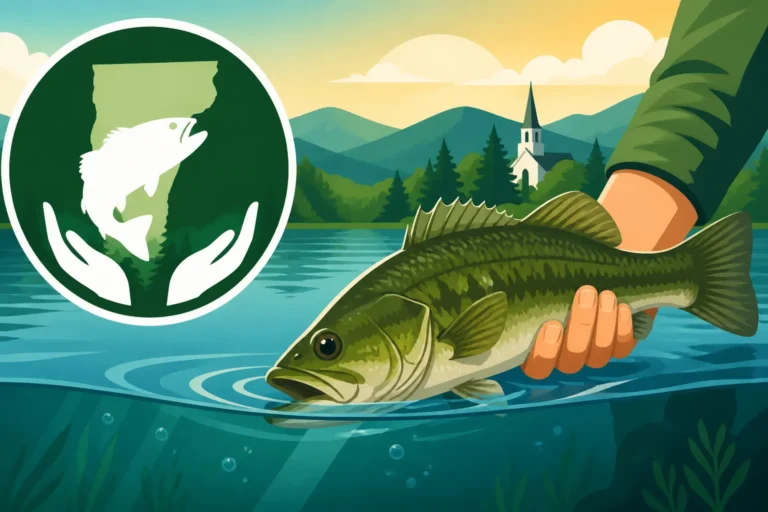
While regulations dictate what you must do, many anglers embrace catch and release as a personal best practice, especially for certain species or trophy-sized fish on Lake Dunmore. This is particularly common for bass, where anglers often release large breeding females to ensure the continuation of a robust population. During the early season, Vermont Bass Catch-and-Release Season, Explained mandates that you release all bass, but many continue this practice even when the general season opens.
Practicing proper catch and release techniques is key to the fish's survival. Here are a few tips:
- Minimize handling: Try to keep the fish in the water as much as possible.
- Wet hands: If you must handle the fish, wet your hands first to protect its slime coat, which is vital for its health and disease resistance.
- Support the fish: Support the fish horizontally, especially larger fish, to avoid damaging its internal organs or jaw.
- Quick release: Get the hook out quickly and gently, using pliers or a de-hooker. If the fish is deeply hooked, it's often better to cut the line as close to the hook as possible rather than tearing delicate tissues.
- Revive if needed: If the fish seems stunned or sluggish, hold it gently in the water, facing into a mild current, until it regains its strength and can swim away on its own.
By following these practices, whether mandated by regulation or chosen as a personal ethic, you help ensure that Lake Dunmore remains a fantastic fishery for everyone, now and into the future. It’s all part of being a respectful and responsible member of the angling community.
Disclaimer
Please remember that fishing regulations can change. While this guide provides comprehensive information based on current knowledge and typical Vermont regulations, it is your responsibility to consult the most recent official Vermont Fish & Wildlife Department fishing guide before heading out on Lake Dunmore. This ensures you have the most up-to-date and accurate information to avoid any potential violations. Enjoy your time on the water!