Vermont Lake Champlain lake trout regulations
It's incredibly frustrating when you're geared up for a fantastic day of fishing on Lake Champlain, dreaming of those magnificent lake trout, only to feel overwhelmed by the tangle of regulations. You want to do things right, but deciphering the official guide can feel like reading a legal document. This comprehensive guide will cut through the confusion, clearly outlining the Vermont Lake Champlain lake trout regulations so you can focus on what truly matters: a successful and compliant fishing trip.
Understanding Lake Champlain's Lake Trout Season and Limits
Lake Champlain is a truly special body of water, and its lake trout population is a prized gem for anglers. But with such a valuable resource comes the responsibility of protecting it, which is why we have specific rules in place. Knowing these rules intimately is the first step to a stress-free day on the water.
The Open Season: Year-Round Opportunity
One of the fantastic things about Lake Champlain for lake trout enthusiasts is that the season is open year-round. That's right, you can target these deep-water dwelling beauties any day of the year! This offers incredible flexibility, whether you prefer the calm open waters of summer, the crisp, quiet days of fall, or even the challenging but rewarding pursuit of them through the ice during the winter months. However, while the season is always open, your techniques and success will certainly vary with the time of year. For instance, early spring might find them shallower following baitfish, while in the dog days of summer, they retreat to the cooler, deeper thermocline. Understanding these seasonal movements, combined with the year-round open season, allows for strategic planning for Best Time of Year to Fish in Vermont.
Daily Catch and Possession Limits
When it comes to keeping your hard-earned catch, there are strict limits to ensure sustainability. On Lake Champlain, the daily limit for lake trout is three fish. This means that in any given day, you are allowed to harvest and keep a maximum of three lake trout. The possession limit, which refers to the total number of fish you can have in your control, whether in your livewell, cooler, or at home, is also three fish. This isn't just a random number; it's carefully determined by the Vermont Fish & Wildlife Department based on scientific data about the lake trout population's health and reproductive capacity. It’s a crucial measure to prevent overfishing and maintain a thriving fishery for future generations. Always count your fish carefully, especially if you're fishing with a group or over multiple days, to avoid accidental over-possession.
Minimum Length Requirements
Beyond the number of fish, the size of your catch also matters. For lake trout on Lake Champlain, there's a minimum length requirement of 18 inches. This means any lake trout you catch that measures less than 18 inches from the tip of its snout to the end of its tail must be immediately released back into the water. This regulation is a cornerstone of fisheries management, designed to protect juvenile fish and allow them to reach reproductive maturity. Larger, older fish contribute significantly more to the next generation, so letting the smaller ones grow ensures a robust population. It's highly recommended to carry a reliable measuring device on your boat, like a rigid bump board or a flexible tape measure. When you catch a fish, measure it quickly and carefully. If it's short, release it gently, minimizing its time out of the water. Handling fish properly is key to their survival, especially when practicing catch and release.
Here's a quick reference table for the core Lake Champlain lake trout regulations:
| Regulation Type | Limit (Lake Champlain, VT Side) | Notes |
|---|---|---|
| Open Season | Year-round | No closed season for lake trout. |
| Daily Limit | 3 fish | Maximum number of lake trout you can keep in one day. |
| Possession Limit | 3 fish | Total number of lake trout you can have in your possession at any given time. |
| Minimum Length | 18 inches | Any fish under this length must be immediately released. |
Navigating Specific Lake Champlain Lake Trout Regulations
Lake Champlain isn't just any lake; it's a massive, interstate waterway with its own unique complexities. Anglers often face specific challenges and need to be aware of regulations that go beyond the basic limits, especially when dealing with border waters and general conservation efforts.
Reciprocity and Boundary Water Considerations with New York
One of the biggest questions many anglers have, especially those traversing the vast expanse of Lake Champlain, is about fishing licenses and regulations when you're near the New York border. The good news is that Vermont and New York have a reciprocal agreement for fishing licenses on the main body of Lake Champlain, including the Missisquoi River up to the Swanton Dam, and the Poultney River to the first dam. This means if you have a valid Vermont fishing license, you can fish the New York waters of Lake Champlain, and vice-versa, without needing a second license. However, this reciprocity only applies to the license itself, not necessarily to all regulations. While daily limits and length requirements for lake trout are generally aligned, it's always prudent to check both states' most current regulations for any subtle differences or specific rules that might apply to certain areas or species. For detailed information on this, you can check out the guide on Vermont fishing license reciprocity on Lake Champlain with New York. Understanding these nuances is crucial for staying legal, especially when you're trolling across the invisible state line.
Protecting Lake Trout: Gear Restrictions and Conservation Efforts
Beyond the catch limits, Vermont has put in place regulations that speak to the broader conservation of its aquatic ecosystems, which directly impacts how you fish for lake trout. A prime example is the statewide ban on lead sinkers and jigs that weigh one ounce or less. This regulation, aimed at protecting waterfowl and other wildlife from lead poisoning, means you cannot use small lead tackle anywhere in Vermont, including Lake Champlain. While lake trout are often caught on heavier gear, it’s easy to overlook this rule if you're also targeting other species or using lighter jigging setups. Make sure your tackle box is stocked with lead-free alternatives. You can find excellent tungsten jigs and non-lead sinkers readily available on platforms like Amazon. These efforts are part of a larger commitment to preserving the pristine waters of Vermont, a commitment detailed further in comprehensive guides like Vermont Fishing Regulations Explained. These regulations underline the state’s dedication to not just managing fish populations but protecting the entire aquatic environment.
Deep Water Dynamics: How Depth Affects Fishing and Regulations
Lake trout are known for their preference for cold, deep water, especially during warmer months. This habitat dictates not only where you'll find them but also influences the fishing techniques and the importance of responsible angling. Understanding How deep to troll for lake trout on Lake Champlain is key to success. Regulations might not explicitly state "fish at X depth," but the need to target them effectively often involves specialized gear. For example, downriggers are common tools for getting lures down to the 60-120 foot depths where lake trout often reside. While no specific regulation dictates the use of downriggers, knowing that the fish are deep underscores the need for effective presentation while adhering to all general regulations. Moreover, when you bring a lake trout up from significant depths, the rapid change in pressure can cause barotrauma, where their swim bladder expands. Quickly releasing deeply caught fish, if they are undersized, is critical. Using de-hooking tools or a landing net with fine mesh (which you can often find on Amazon) can minimize harm to these delicate fish.
Staying Compliant and Enhancing Your Lake Trout Fishing Experience
Navigating fishing regulations can sometimes feel like a puzzle, but with a bit of effort and the right resources, you can ensure every trip is both enjoyable and fully compliant. It’s all about being prepared and having the right mindset.
Reading the Official Vermont Fishing Regulations Guide
While guides like this one aim to simplify the rules, there is no substitute for the official word. The Vermont Fish & Wildlife Department publishes a comprehensive fishing guide annually, and it is your ultimate source for all current regulations. Always make it a point to download or pick up a physical copy of the latest guide before your fishing season really gets going. It contains not just general statewide rules but also specific regulations for individual bodies of water and species, including detailed maps and additional information that might not be covered elsewhere. Remember, regulations can change, so relying on outdated information is a sure way to accidentally break a rule. Familiarizing yourself with the nuances of Reading the Vermont Fishing Regulations Guide will equip you with the most accurate and up-to-date knowledge. Even if you think you know the rules, a quick glance at the current season's guide can save you from potential fines or misunderstandings.
Common Mistakes to Avoid When Targeting Lake Trout
It's easy to make a mistake when fishing, especially with the excitement of a bite or the complexity of regulations. One common pitfall for Lake Champlain lake trout anglers is misidentifying their catch. Lake Champlain hosts several salmonid species, including landlocked salmon and brown trout, which can sometimes be confused with lake trout, especially if you're not intimately familiar with their markings. Each of these species often has its own set of distinct regulations for daily limits and minimum lengths. A simple error in identification could lead to unknowingly keeping an illegal fish. Another mistake is forgetting about the lead tackle ban; while often associated with smaller fish, it applies broadly. Lastly, always ensure your Vermont Fishing License Guide for 2026 is current and properly displayed, whether in digital or physical form. Fishing without a valid license, or exceeding limits, can lead to significant penalties, as detailed in Fishing Without a License in Vermont: Penalties. It’s always better to be safe than sorry.
Essential Gear for Responsible Lake Trout Angling
Having the right gear isn't just about catching fish; it's also about fishing responsibly and within the regulations. For lake trout, this means being equipped to measure, handle, and if necessary, release fish effectively. A quality measuring board, ideally rigid for accuracy, is non-negotiable. Many anglers swear by specialized tools for de-hooking, especially useful for larger fish or those caught deep. Keep a pair of long-nosed pliers or a dedicated de-hooker on hand. A sturdy, knotless rubber landing net is also essential. Unlike traditional knotted nets that can strip a fish's protective slime coat and damage fins, rubber nets are much gentler, minimizing stress and injury to fish that need to be released. You can find excellent options for all these items, including robust line, specialized deep-diving lures, and even advanced fish finders on platforms like Amazon, ensuring you’re well-equipped for your lake trout adventures. For more specific gear recommendations for these majestic fish, you might want to look at Lake Trout Fishing in Vermont.
The Role of Lake Trout in Lake Champlain's Ecosystem
Lake trout are not just a trophy fish; they are an integral part of Lake Champlain's ecological balance and a testament to successful conservation efforts. Understanding their place in the larger picture deepens our appreciation for these magnificent creatures and the regulations designed to protect them.
Conservation History and Stocking Programs
For many years, Lake Champlain's native lake trout population faced significant challenges, including overfishing and the devastating impact of invasive species like the sea lamprey. Thanks to decades of dedicated conservation efforts by the Vermont Fish & Wildlife Department and other partners, the population has made a remarkable comeback. These efforts have included robust stocking programs, where millions of juvenile lake trout have been reared in hatcheries and released into the lake to bolster natural reproduction. Coupled with ongoing sea lamprey control programs and carefully managed fishing regulations, these initiatives have allowed Lake Champlain to once again boast a healthy and self-sustaining lake trout fishery. Anglers play a vital role in this success story by adhering to regulations, reporting violations, and practicing responsible catch and release, especially for undersized fish. This ongoing commitment ensures the legacy of Lake Champlain Lake Trout Fishing continues to thrive.
Identifying Lake Trout vs. Other Salmonids
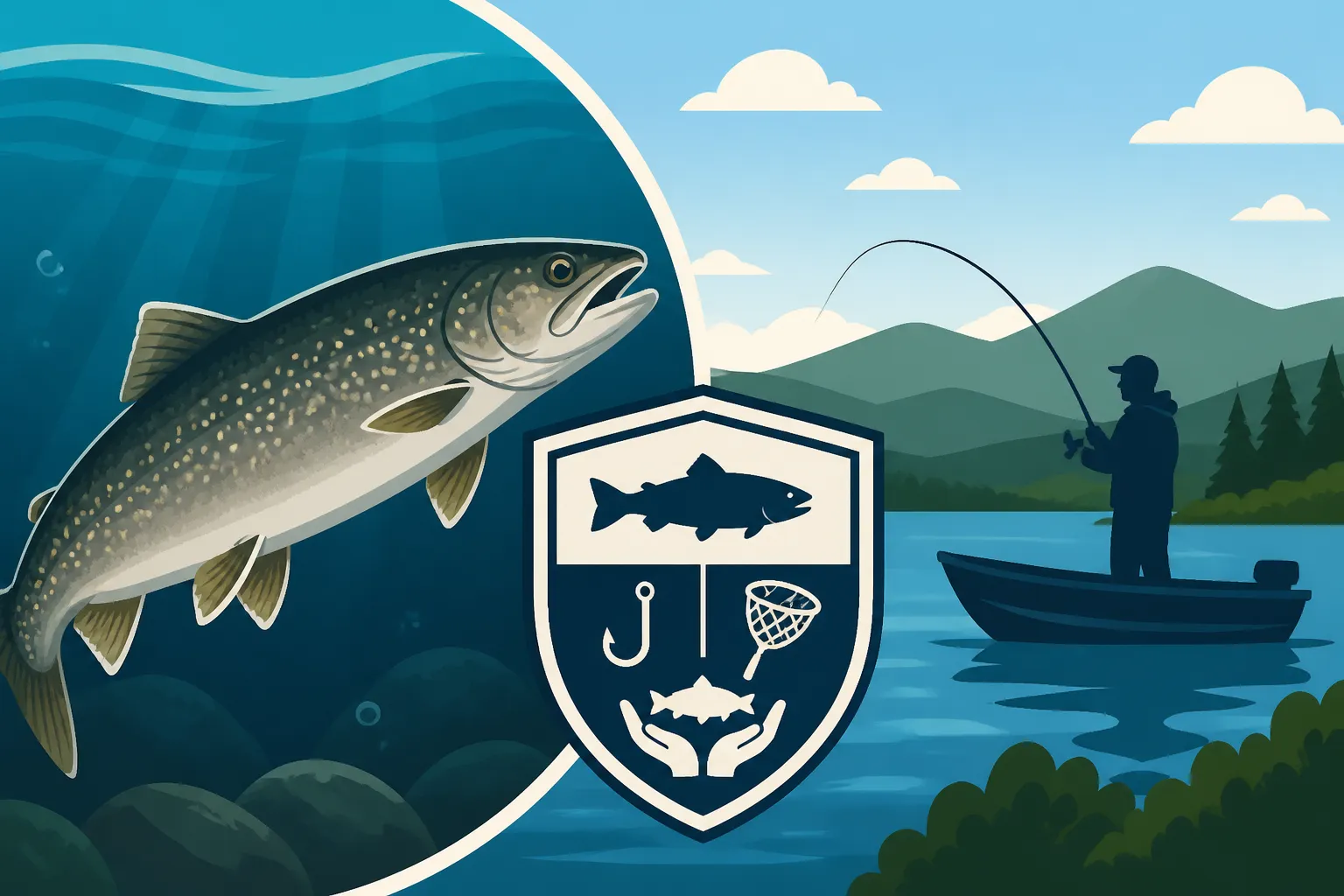
Being able to correctly identify a lake trout is paramount for compliance, as mentioned earlier. While all salmonids share some common traits, there are distinct features that set lake trout apart from their cousins, the landlocked salmon and brown trout, both of which also inhabit Lake Champlain. Lake trout typically have a deeply forked tail, a key distinguishing characteristic. Their bodies are generally olive green to grayish, covered in numerous, irregular cream-colored or yellowish spots, which extend onto the dorsal and caudal (tail) fins. Landlocked salmon, by contrast, usually have a more slender body, a less forked tail (though still somewhat forked), and smaller, X-shaped spots, often without spots on the tail fin. Brown trout typically have a squarer tail, larger dark spots with lighter halos, and reddish-orange spots along their sides. Learning these subtle differences, perhaps by reviewing a Trout Species Identification Guide for Vermont, will ensure you always know what you've got on the end of your line and that you're adhering to the correct rules for that specific species. When in doubt, it's always best to err on the side of caution and release the fish if you cannot confidently identify it and its corresponding legal limits.
Disclaimer
Please remember that fishing regulations are subject to change. While every effort has been made to provide accurate and up-to-date information in this guide, it is essential that you always consult the official Vermont Fish & Wildlife Department's fishing regulations for the current year before you head out on the water. This guide is for informational purposes only and should not be considered a substitute for the official legal document.