Vermont trout season opening day for 2026
That crisp bite in the air, the lingering scent of damp earth, and the undeniable hum of anticipation… there's nothing quite like the lead-up to Vermont's trout season opener. For many of us, it's not just a date on a calendar; it's a deeply ingrained tradition, a promise of cold, clear water and the thrill of that first strike. If you're eager to know when you can cast your line for trout in the Green Mountain State in 2026, you've come to the right place. This guide will walk you through everything you need to know about the upcoming trout season opening day.
Understanding Vermont's Trout Season Basics
Vermont's fishing seasons can sometimes feel like a puzzle, with different dates and rules depending on the species and even the specific body of water. But when it comes to trout, there's a widely anticipated general opening day that most anglers eagerly await.
Why Opening Day is Such a Big Deal
For decades, the opening day of trout season in Vermont has been a celebrated tradition, almost a rite of passage for many families and angling communities. It marks the unofficial start of spring for a lot of us, even if there's still snow on the ground in some of the higher elevations. It's the first chance to hit our favorite streams, catch up with fellow anglers on the banks, and simply immerse ourselves in the quiet beauty of Vermont's waterways after a long winter. The anticipation builds for months, with fly tyers meticulously crafting new patterns, spinning anglers checking their reels, and everyone dreaming of that first brook trout or rainbow rising to the bait. It’s more than just fishing; it’s about reconnecting with nature and a cherished pastime.
The General Trout Season Structure
While some specific waters or species might have unique regulations, Vermont typically operates on a fairly consistent general trout season for most rivers, streams, lakes, and ponds. This structure provides a predictable framework for anglers across the state. The Vermont Fish and Wildlife Department aims for consistency year after year, which helps us all plan our fishing adventures well in advance. However, it's crucial to understand that "trout season" isn't a monolithic concept; certain areas, especially those designated for trophy trout or special management, can have their own distinct schedules. Always make sure to consult the official regulations, which you can learn more about by reading our guide on Reading the Vermont Fishing Regulations Guide.
Key Dates to Mark on Your Calendar
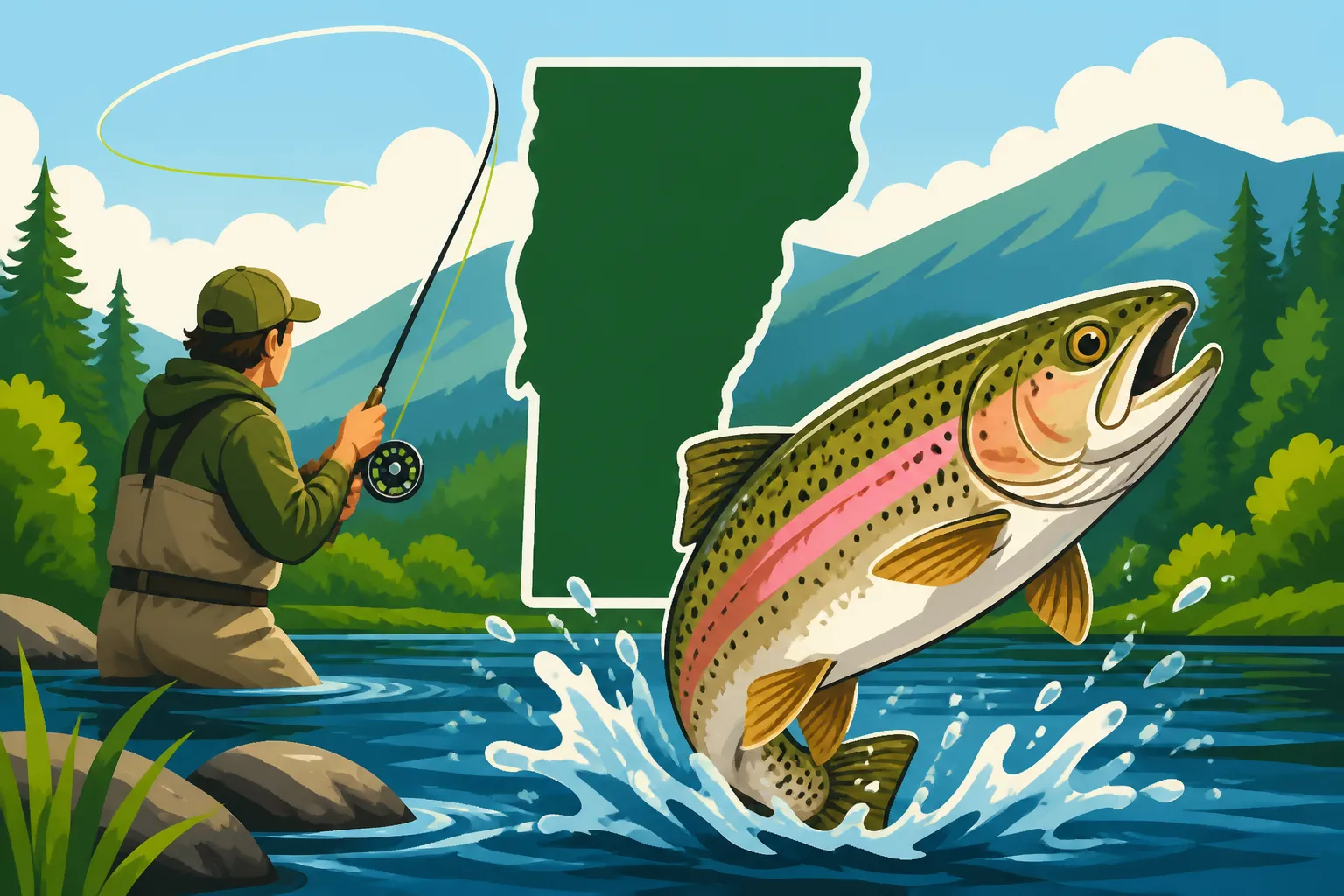
For 2026, the general trout season in Vermont is anticipated to open on Saturday, April 11th, 2026. This date aligns with the long-standing tradition of opening on the second Saturday of April for most rivers, streams, lakes, and ponds. It's the day when countless anglers will flock to their favorite spots, eager to wet a line.
It's important to remember that while this is the expected general opening day, official confirmation usually comes closer to the season from the Vermont Fish and Wildlife Department. This general season typically runs until October 31st for rivers and streams, giving us a generous window for chasing trout through spring, summer, and into the vibrant fall foliage season. Lakes and ponds often have different closing dates, sometimes remaining open year-round for trout, so it's always worth checking the specifics for your intended fishing destination.
Special Regulations and "Wild" Card Waters
While the general opening day is a big milestone, Vermont is also home to a variety of waters with special regulations that can affect when and how you can fish for trout. These special designations are often put in place to protect specific fish populations, enhance trophy opportunities, or create unique angling experiences.
Designated Trophy Trout Waters
Vermont's Trophy Trout Program is a fantastic initiative designed to give anglers a shot at some truly impressive fish. These waters, often stocked with larger-than-average brook, brown, or rainbow trout, might have specific opening dates or unique rules that differ from the general season. For example, some trophy waters might be open year-round with catch-and-release policies, or they might have different minimum length limits and daily creel limits. The aim is to create sustainable fisheries where trout can grow to impressive sizes, offering a different kind of challenge for dedicated anglers. It’s always exciting to see which lakes and ponds are designated as Vermont Trophy Trout Program Waters, as they often become hotspots for those seeking a bragging-rights fish.
Catch and Release Only Areas
Beyond the trophy waters, Vermont also manages several streams and river sections as "Catch and Release Only" areas. These spots are often dedicated to fly fishing exclusively and are managed to foster robust wild trout populations. While they might be open year-round, or have slightly different seasonal dates, the core rule remains: all trout caught must be immediately and carefully returned to the water. These areas are sanctuaries for fish and provide a serene, challenging experience for anglers focused on conservation and skill. If you're looking for a purist fly-fishing experience where the health of the fish comes first, exploring Vermont Catch and Release Fly Fishing Only Waters can be incredibly rewarding. You’ll need to be mindful of specific gear restrictions, such as barbless hooks and artificial lures only.
Lake Champlain and Large Lake Specifics
Lake Champlain, being Vermont's largest and most famous body of water, often operates under its own set of rules, particularly for certain species like lake trout and salmon. While the general stream and river trout season opens in April, larger lakes like Champlain, Lake Memphremagog, and Lake Willoughby might have longer or even year-round seasons for certain salmonid species, albeit with specific bag and length limits. For instance, you can often target lake trout on Lake Champlain outside of the traditional April opener, but you'll need to know the specific regulations for that species. Always check the official Vermont Fish and Wildlife Department regulations for the particular lake and species you plan to target, as these large bodies of water are managed differently to protect diverse fisheries.
Preparing for Vermont's Trout Opener
The excitement of opening day is palpable, but a little preparation goes a long way in making sure your first outing is a success and, more importantly, compliant with all regulations. Nobody wants to be caught off guard when the fish are biting!
Essential Gear Checklist
Before you head out on April 11th, 2026, take some time to ensure your gear is in prime condition. Here’s a quick checklist of what you'll need:
- Rods and Reels: A lightweight spinning rod (5-6 ft) with a matching reel spooled with 4-6 lb test line is perfect for smaller streams. For larger rivers or lake fishing, a 6-7 ft medium-light rod might be more appropriate. Fly anglers will likely opt for a 3-5 weight fly rod for most Vermont trout streams.
- Waders and Boots: The water in April is cold! Good quality waders are essential for staying warm and comfortable. Felt-soled boots are excellent for slippery river rocks, but always check for invasive species policies which might prefer rubber soles in some areas.
- Tackle Box Essentials:
- Bait: Worms are a classic for opening day. PowerBait, corn, or salmon eggs are also popular choices.
- Lures: Small inline spinners (Mepps, Panther Martin, Rooster Tail) and spoons are deadly for hungry trout. Small jerkbaits or crankbaits can also be effective in larger pools.
- Flies: For fly anglers, nymphs (Pheasant Tail, Hare's Ear, Prince Nymph) are often the ticket early in the season, as insects are still mostly subsurface. Streamers like Woolly Buggers can also be highly effective.
- Terminal Tackle: A selection of hooks (sizes 8-12), sinkers (split shot), swivels, and strike indicators.
- Tools: Pliers for hook removal, clippers for line, and a small landing net (ideally rubberized for fish safety) are crucial.
- You can find a wide array of options for Best Gear for Vermont Trout Fishing at your local tackle shop or through online retailers like Amazon.
Getting Your License in Order
This is non-negotiable! You simply cannot fish in Vermont without a valid fishing license if you are 15 years of age or older. Make sure your Vermont Fishing License Guide for 2026 is up to date before you even think about stepping into the water. The Vermont Fish and Wildlife Department makes it incredibly easy to purchase one. You can get your license online from the comfort of your home, through authorized license agents (sporting goods stores, general stores), or at town clerk offices.
For residents, the Vermont resident fishing license cost 2026 is quite affordable, and there are even special options like combination hunting and fishing licenses. If you're visiting from out of state, don't worry, there are nonresident options available as well, including short-term permits like the Vermont 3-Day and 7-Day Nonresident Fishing Permits for those just planning a brief visit. The key is to obtain it before you start fishing. Enforcement wardens are out there, and fishing without a license can lead to hefty fines, spoiling your entire day.
Scouting and Strategy for Success
Even though opening day is about tradition, a little strategy can significantly boost your chances of success.
- Pre-Season Scouting: If accessible, take a walk along your chosen stream or pond in the weeks leading up to the opener. Look for changes in the riverbed from winter runoff, identify potential holding lies (deeper pools, undercut banks, fallen trees), and note any new access points or hazards. This also helps you decide if you need new Wading Techniques for Vermont Trout Streams for different flow levels.
- Check Water Conditions: Spring in Vermont means fluctuating water levels and temperatures. Heavy rains can blow out streams, making them unfishable, while prolonged cold snaps can keep fish lethargic. Keep an eye on local weather forecasts and stream gauges for real-time flow data. Clear, slightly elevated water with a temperature in the low 40s to 50s (Fahrenheit) is often ideal.
- Bait vs. Lure vs. Fly: On opening day, trout are often hungry but can be a bit sluggish in cold water. Live bait like worms can be incredibly effective, as their scent and natural movement are hard to resist. Spinners and spoons are great for covering water and triggering aggressive strikes. Fly anglers should focus on subsurface presentations with nymphs, mimicking the aquatic insects that are most active early in the season. Consider starting your day with Spring Trout Fishing Techniques for Vermont Streams to get a leg up on the competition.
Vermont General Trout Season Overview Table (Anticipated 2026)
Here's a quick look at the typical opening and closing dates for various trout waters in Vermont, though specific regulations always supersede this general overview.
| Water Type | General Opening Date (Anticipated 2026) | General Closing Date (Anticipated) | Key Considerations |
|---|---|---|---|
| Rivers & Streams (General) | Saturday, April 11th | October 31st | Standard regulations apply for bag/length limits. |
| Lakes & Ponds (General) | Saturday, April 11th | October 31st or year-round | Many lakes/ponds open year-round for trout. |
| Designated Trophy Trout Waters | Varies by specific water | Varies by specific water | Check specific regulations; often larger fish, special limits. |
| Catch & Release Only Waters | Varies by specific water | Varies by specific water | Often fly-fishing only, barbless hooks. |
| Lake Champlain & Large Lakes | Varies by species | Varies by species | Lake trout and salmon often have different seasons/limits. |
Remember, this table is a general guide. Always consult the official Vermont Fish and Wildlife Department regulations for the most accurate and up-to-date information for the specific water body you plan to fish. They are the ultimate source for all official rules and dates.
As opening day approaches, the excitement is almost unbearable! But with a bit of planning, the right gear, and a clear understanding of the regulations, you'll be ready to make some fantastic memories on Vermont's beautiful trout waters. Tight lines and happy fishing!
Disclaimer
Please note that fishing regulations, season dates, and license requirements can change. While every effort has been made to provide accurate and up-to-date information, it is the angler's responsibility to verify all details with the official Vermont Fish and Wildlife Department regulations prior to fishing. This guide is for informational purposes only and should not be considered a substitute for the official regulatory guide.