Vermont Muskellunge Regulations on Lake Memphremagog
The thrill of chasing a true freshwater giant like the muskellunge on Lake Memphremagog is an experience unlike any other, but the unique nature of this border lake means navigating a specific set of regulations that can feel overwhelming. This comprehensive guide is here to untangle the complexities of Vermont's muskellunge rules on Lake Memphremagog, ensuring your pursuit of these magnificent fish is both successful and fully compliant with the law.
Understanding the Unique Challenge of Lake Memphremagog
Lake Memphremagog isn't just another beautiful Vermont lake; it's a body of water that literally straddles an international border. About 75% of its 31-mile length lies in Quebec, Canada, with the southern 25% nestled in Vermont. This geographical split creates a fascinating, yet sometimes confusing, scenario for anglers, especially when targeting a highly regulated species like the muskellunge.
The International Waters Dilemma for Anglers
Imagine planning a fishing trip, carefully checking the weather, tuning up your boat, and then realizing you might need to consult two different sets of fishing laws just to drop a line. That's the reality for many fishing Lake Memphremagog. The sheer thought of accidentally crossing an invisible line and being subject to different rules can be daunting. It means that what's perfectly legal in the Vermont section might not be across the border, and vice-versa. This isn't just about different license requirements; it extends to daily limits, minimum lengths, and even season dates, all of which can vary significantly between Vermont and Quebec. It’s a common frustration, making a clear understanding of the specific rules for each side absolutely essential.
Why Muskies are So Closely Regulated
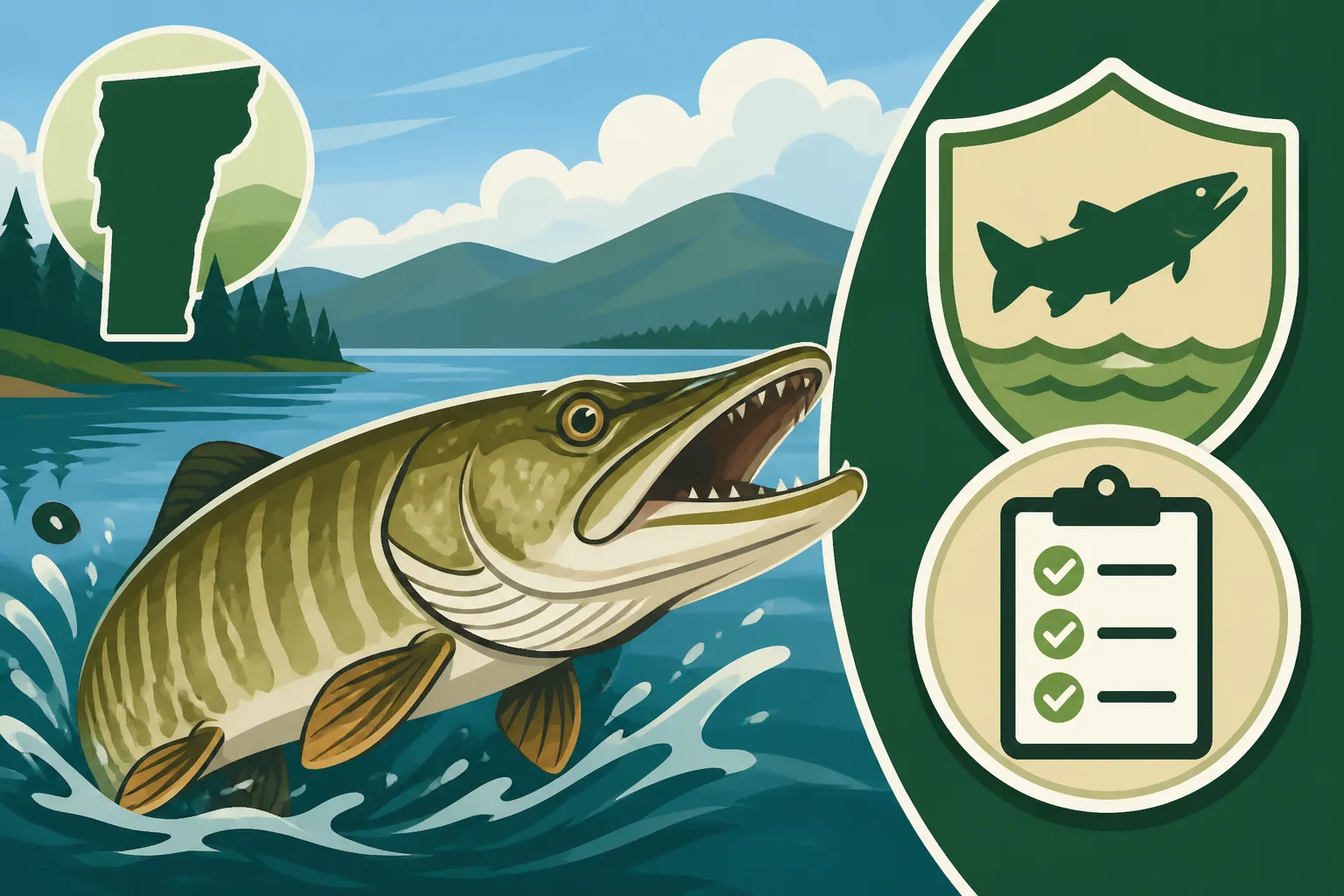
Muskellunge, often affectionately called "muskies," are apex predators and one of the most challenging freshwater fish to catch. They're also relatively slow-growing and don't mature until they are several years old, making them particularly vulnerable to overfishing. In Vermont, the muskellunge fishery on Lake Memphremagog is especially unique because these fish were not originally native to the lake. The Vermont Fish and Wildlife Department began stocking them in the 1990s as part of a restoration and management effort. Because of this, the population is carefully managed to ensure its sustainability and to provide trophy angling opportunities for years to come. This dedicated management means stricter regulations are in place to protect the investment and the future of the fishery, safeguarding these incredible fish from depletion.
Key Vermont Muskellunge Regulations on Lake Memphremagog
When you're out on the Vermont portion of Lake Memphremagog, your primary guide will be the Vermont Fish and Wildlife Department's regulations. These rules are designed to protect the muskie population while still allowing for a fantastic fishing experience. Getting these details right is not just about avoiding a fine; it's about being a responsible steward of the resource.
Minimum Length Limits and Daily Bag Limits
For muskellunge on Lake Memphremagog, Vermont has implemented very specific minimum length limits and daily bag limits. Currently, the minimum length for a muskellunge caught in Vermont waters of Lake Memphremagog is 50 inches. This is a substantial length, indicating the state's desire to protect fish until they've had ample opportunity to spawn multiple times and contribute significantly to the population. The daily creel (bag) limit is set at one fish. This "one fish" rule is critical because it means that even if you catch and release several magnificent muskies, you can only legally keep one per day that meets the stringent 50-inch minimum. The rationale behind such a high minimum length is to foster a trophy fishery. By allowing smaller fish to grow, the aim is to increase the average size of muskies in the lake, providing anglers with a better chance to encounter truly enormous specimens. It also helps preserve the genetic diversity and reproductive capacity of the population, a crucial aspect of responsible fisheries management.
Season Dates for Muskellunge Fishing
Muskellunge fishing in Vermont, specifically on Lake Memphremagog, follows a strict season. The general season for muskellunge opens on June 1st and closes on March 15th of the following year. This means that from mid-March through the end of May, muskellunge are off-limits, primarily to protect them during their crucial spawning period. While other species like bass have their own specific seasons, understanding the specific dates for muskies is paramount. You wouldn't want to accidentally target or keep a muskie outside of its legal season, which could lead to significant penalties. Anglers looking for general information on all species should consult the comprehensive guide on Vermont Fishing Season Dates and Closures. It's always a good idea to double-check the current year's fishing guide, which you can usually find through the Vermont Fish and Wildlife Department, to ensure you have the most up-to-date information, as regulations can occasionally be adjusted.
Understanding Vermont's Fishing License Requirements
Before you even think about casting a line for a muskie, you need to make sure you have the correct Vermont fishing license. This isn't unique to muskellunge; it applies to all species caught in Vermont's public waters. Whether you're a resident who's lived in the state your whole life or a visitor enjoying a vacation, a valid license is non-negotiable. You can find detailed information on obtaining one in the Vermont Fishing License Guide for 2026.
Licenses can typically be purchased online, through authorized agents like bait and tackle shops, or at Vermont Fish and Wildlife Department offices. If you're planning to fish any part of Lake Memphremagog that lies in Quebec, you’ll also need a valid Quebec fishing license, even if you remain in your boat. There is no reciprocity for muskellunge specific licenses between Vermont and Quebec, so you'll need both if you plan to fish both sides of the border. Always carry your license with you when fishing, either in physical or digital format, as wardens can and will check.
Best Practices for Catch and Release on Lake Memphremagog
Given the trophy nature of the muskellunge fishery and the strict bag limits, responsible catch and release practices are not just encouraged, they are absolutely vital for the sustainability of the population. These are powerful fish, and handling them incorrectly can cause irreparable harm.
Essential Gear for Successful Muskie Release
When you're targeting muskellunge, you need to be prepared with specialized gear to ensure a safe and quick release. Standard trout nets or bass pliers simply won't cut it. A large, rubberized landing net with a deep, knotless mesh is indispensable. The rubberized coating helps protect the fish's slime coat, which is crucial for their health and disease resistance, and prevents hooks from tangling. You can find excellent options for a Best Landing Net for Muskellunge on platforms like Amazon, making sure you're prepared before you even leave home.
You'll also need long-nosed pliers or, even better, a jaw spreader and heavy-duty hook removers. Muskies have incredibly sharp teeth and can be surprisingly feisty boat-side, so keeping your hands away from their mouth is paramount for your safety and theirs. A good pair of bolt cutters might seem extreme, but if a hook is deeply embedded or too difficult to remove quickly, cutting the hook can be the fastest way to get the fish back in the water, minimizing stress. A large measuring board (preferably one that floats or attaches to the boat) is also key for quickly and accurately measuring your catch without undue handling.
Minimizing Stress During Handling
The moment a muskie is hooked, the clock starts ticking. The longer a fish is out of water, the higher its stress levels and the lower its chances of survival after release. When you land a muskie, try to keep it in the water as much as possible. If you must bring it into the boat for a quick photo, ensure it's done rapidly and gently. Support the fish horizontally with two hands, one under the gill plate (but not in the gills) and one under the tail. Avoid holding it vertically by the jaw, as this can severely damage its spine and internal organs due to its heavy weight.
Work quickly to remove the hooks. If the fish is thrashing, keep it partially submerged in the net to calm it down. Once hooks are removed and measurements taken, gently guide the fish back into the water, holding it upright until it regains its strength and can swim away on its own. Sometimes, this "revival" process can take a few minutes, especially in warmer water. Remember, every muskie is a precious resource, and proper handling ensures it lives to fight another day.
Why These Regulations Matter: Protecting a Unique Fisherhery
The rules and guidelines around muskellunge fishing on Lake Memphremagog aren't arbitrary. They are carefully crafted by fisheries biologists and wildlife managers to ensure a vibrant and sustainable population of these incredible fish for current and future generations of anglers. Understanding the "why" behind the rules can help foster a greater appreciation for conservation.
Sustaining a Stocked Population
As mentioned earlier, muskellunge are not historically native to Lake Memphremagog in Vermont. The population we have today is the result of dedicated stocking efforts by the Vermont Fish and Wildlife Department. This makes the fishery somewhat fragile and highly dependent on responsible management. The high minimum length of 50 inches and the one-fish bag limit are direct tools to protect these stocked fish, allowing them to grow to trophy sizes and contribute to the reproductive cycle. By releasing larger fish, we increase the chances of them successfully spawning and producing the next generation of muskies, thereby reducing the reliance on continued stocking in the long term. It’s a collective effort, and every angler plays a part in this success story.
Promoting a Trophy Fishery
Vermont's regulations on Lake Memphremagog are not just about population survival; they are strategically designed to create and maintain a premier trophy muskellunge fishery. Anglers come from all over for a chance to catch a fish of a lifetime, and the regulations help cultivate that opportunity. Imagine the excitement of battling a muskie over 50 inches – it's a memory that lasts forever. The commitment to a high minimum length means that the fish you do encounter are more likely to be larger, more mature specimens, offering a more challenging and rewarding fight. This also means that most of the muskies caught will likely be released, bolstering the overall population for repeated encounters. This kind of targeted management benefits both the fish and the angling community.
| Regulation Aspect | Vermont (Lake Memphremagog) | Quebec (Lake Memphremagog) | Importance for Anglers |
|---|---|---|---|
| Minimum Length | 50 inches | Check current regulations (often 45-55 cm) | Crucial for legal possession; promotes trophy fishery. |
| Daily Bag Limit | 1 fish | Check current regulations (often 1 or 2 fish) | Limits harvest, prevents overfishing. |
| Season Dates | June 1st – March 15th | Check current regulations (often similar, but verify) | Ensures protection during spawning. |
| License Required | Vermont Fishing License | Quebec Fishing License | Legality of fishing; no reciprocity. |
| Gear | Heavy-duty, specialized | Heavy-duty, specialized | Necessary for safe catch & release of large fish. |
Note: Quebec regulations are subject to change and should always be verified with the Ministère des Forêts, de la Faune et des Parcs (MFFP) before fishing.
Gear and Safety Considerations for Muskie Anglers
Targeting muskellunge isn't like panfish fishing. These fish are powerful, unpredictable, and demand respect. Having the right gear isn't just about catching them; it's about staying safe and ensuring the well-being of the fish.
Rods, Reels, and Line for Giants
You’ll need robust tackle to handle a fish that can exceed 50 inches and weigh over 30 pounds. A heavy-action rod, typically 7'6" to 9' long, is ideal. This length provides leverage for casting large lures and fighting powerful fish. Pair that with a sturdy baitcasting reel capable of holding a significant amount of heavy line. For line, 65-80 lb braided line is standard, offering incredible strength and sensitivity. You'll also need a leader – and not just any leader. Muskies have dental work that can sever monofilament or fluorocarbon in an instant. A heavy-duty fluorocarbon (100-150 lb test) or a steel leader is essential. Many anglers prefer fluorocarbon leaders for their stealth and abrasion resistance, but a high-quality steel leader is often the safer bet, especially for beginners. When buying tackle, consider reputable brands known for muskie gear, which you can often find readily available through online retailers like Amazon, offering convenience and a wide selection.
When it comes to lures, muskies often respond to large baits. Think big crankbaits, bucktails, jerkbaits, and soft plastics. Lures designed for Best Lures for Walleye Trolling on Lake Champlain can sometimes overlap in size and presentation, but muskie lures are generally larger and more aggressive. Make sure all your lures have strong, sharp hooks that can penetrate a muskie's tough mouth. Regularly check your knots and line for any nicks or fraying, as a moment of oversight can mean losing the fish of a lifetime.
Boating Safety and Navigation on Lake Memphremagog
Beyond fishing gear, boating safety is paramount, especially on a large, deep lake like Memphremagog. Always ensure your boat is equipped with all required safety gear, including life jackets for all occupants, a fire extinguisher, sound-producing devices, and navigation lights. You can brush up on the specifics by checking out Vermont Boating Laws for Anglers. The weather on Lake Memphremagog can change quickly, so keep an eye on forecasts and be prepared for sudden winds or storms. A good marine radio or fully charged cell phone is a must.
Navigation on Lake Memphremagog can be tricky due to its depth variations and, of course, the international border. A reliable GPS unit with detailed mapping is invaluable for staying within Vermont waters and identifying productive fishing areas. Be aware of no-wake zones and other navigational markers. If you're new to the lake, consider studying a detailed chart beforehand or hiring a local guide for your first outing. Knowing the layout, especially where the border lies, is crucial to avoid any unintentional legal complications.
Navigating the Vermont-Quebec Border Waters
Fishing Lake Memphremagog presents a unique cross-border challenge that requires careful attention to detail. It's not just about what's in your tackle box, but what's in your wallet in terms of licenses and what's in your head regarding the rules.
The Two-License Reality
Many anglers find it frustrating that a single body of water requires two separate fishing licenses. If you intend to fish any portion of Lake Memphremagog that lies in Quebec, even if you are only drifting across an invisible line, you absolutely need a Quebec fishing license in addition to your Vermont fishing license. This is a common point of confusion, and ignorance is not considered an excuse by law enforcement on either side. It's important to understand that a Vermont license only grants you permission to fish in Vermont waters, and a Quebec license for Quebec waters. There's no reciprocal agreement for general fishing licenses across the international boundary for Lake Memphremagog. This can feel like a hassle, but it's a small price to pay for access to the entire lake's potential, especially if you're exploring for Muskellunge Fishing on Lake Memphremagog on both sides.
Border Crossing Rules for Anglers
While you can freely boat across the international border on Lake Memphremagog, you cannot land your boat on the opposite side without formally reporting to customs. This means if you're fishing in the Quebec portion and decide to pull up to shore for lunch, you've technically entered another country and must follow all border crossing procedures, just as if you were driving across. For most recreational anglers, the safest and easiest approach is to simply stay in Vermont waters if you only have a Vermont license, or to return to your respective country's side of the lake to land your boat. If you plan a true international fishing trip, be sure to have passports for everyone aboard and understand the reporting requirements for Canadian customs upon entering their waters and American customs upon re-entry. These are serious considerations that go beyond just fishing regulations. Always err on the side of caution when dealing with international borders, as the penalties for non-compliance can be severe.
Disclaimer
Please remember that fishing regulations, license requirements, and boating laws can change. While this guide provides comprehensive and up-to-date information, it is your responsibility to consult the most current Vermont Fish and Wildlife Department regulations before heading out on Lake Memphremagog. Always prioritize safety and conservation.