Best leadcore line for walleye trolling
For anglers chasing those elusive Lake Champlain walleye, one of the biggest frustrations is getting your lure down to their preferred depths, especially when they're holding deep or suspended in the water column. Relying solely on conventional monofilament or fluorocarbon often just won't cut it. This comprehensive guide will demystify leadcore line, explaining exactly what it is, why it's a game-changer for Vermont walleye trolling, and how to set up and use it effectively to put more fish in your boat.
Understanding Leadcore Line for Walleye Trolling
Leadcore line might sound intimidating at first, but it's a surprisingly straightforward and incredibly effective tool for reaching precise depths without needing heavy downriggers or a myriad of specialized weights. If you've ever struggled to get your crankbait running true 20, 30, or even 40 feet down, leadcore is likely the answer you've been searching for.
What is Leadcore and Why is it Essential for Walleye?
At its heart, leadcore line is exactly what it sounds like: a lead filament encased in a braided nylon or Dacron sheath. This lead core gives the line its inherent weight, allowing it to sink naturally through the water column. Unlike standard monofilament or braid, which floats or is neutrally buoyant, leadcore actively pulls your lure down, making it an invaluable asset for targeting species like walleye that often hug the bottom or suspend in deeper water.
For Vermont walleye, especially on vast lakes like Lake Champlain, finding and consistently presenting your lure at the correct depth can be the difference between a banner day and a frustrating shutout. Walleye are often light-sensitive and prefer deeper, cooler water, especially during bright sunny days or in the warmer summer months. Leadcore allows you to present crankbaits, spoons, or stickbaits right in their strike zone, mimicking the natural movement of baitfish at those depths. It’s a fantastic way to cover a lot of water at specific depths, which is key to successful Walleye Fishing on Lake Champlain.
Decoding Leadcore Colors and Depths
One of the most distinctive features of leadcore line is its color-coded system. Typically, leadcore line is dyed in repeating 10-yard sections, with each color signifying a segment of line. This is incredibly helpful for anglers because it provides a visual cue for how much line you have out and, more importantly, how deep your lure is running.
Each 10-yard (one-color) section of standard leadcore line will typically sink approximately 5 feet when trolled at a speed of around 2 mph, depending on the line's test weight and the lure's drag. So, if you let out three colors (30 yards), your lure might be running around 15 feet deep. Five colors (50 yards) could put you at 25 feet. This isn't an exact science, as factors like current, line diameter, lure type, and especially trolling speed will all influence the final depth. However, the color changes provide an excellent reference point, allowing you to replicate successful presentations or adjust your depth with confidence. Some manufacturers even offer lines with shorter color changes (e.g., every 7 yards) for more precise depth control, but the 10-yard standard is most common and widely available.
Choosing the Right Leadcore Setup for Vermont Walleye
Selecting the right leadcore line isn't just about grabbing the first spool you see. It involves considering line weight, leader material, and the overall rod and reel setup to create a balanced system that maximizes your success and makes fishing more enjoyable.
Leadcore Line Weight and Applications
Leadcore line comes in various test weights, typically ranging from 12 lb to 45 lb, though heavier lines exist. The test weight directly correlates to the diameter of the line and, more importantly, its sinking rate. Lighter test lines (e.g., 18 lb or 27 lb) have a thinner diameter and less lead, resulting in a slower sink rate per color. Heavier lines (e.g., 36 lb or 45 lb) are thicker, contain more lead, and sink faster per color.
For most walleye trolling in Vermont, especially on Lake Champlain, an 18 lb to 27 lb test leadcore line is a great starting point.
- 18 lb leadcore is excellent for shallower presentations or when you want a more subtle sink rate. It's often favored for shallower summer walleye or when fish are suspended just off the bottom.
- 27 lb leadcore is a fantastic all-around choice. It offers a good balance of sink rate and manageability, making it suitable for a wide range of walleye depths from 15 to 30+ feet. This is often the workhorse for many walleye anglers.
- 36 lb or 45 lb leadcore might be considered if you consistently need to hit extreme depths (40+ feet) with fewer colors out, or if you're pulling larger, more aggressive lures that create significant drag.
Remember, the goal is to get your lure into the strike zone effectively. Overly heavy leadcore can be cumbersome, and overly light leadcore might require too many colors out to hit deeper fish, making retrieval a long process. Most reputable brands offer quality leadcore line that you can find at sporting goods stores like Bass Pro Shops or online retailers such as Amazon.
Here's a general guideline for depth per color (10-yard section) at approximately 2.0 mph:
| Leadcore Test Weight | Approx. Sink Rate per Color (10 yards) @ 2.0 mph | Common Applications for Vermont Walleye |
|---|---|---|
| 18 lb | 4-5 feet | Shallower depths, suspended fish, subtle presentation |
| 27 lb | 5-6 feet | General purpose, 15-30 ft depths, all-around choice |
| 36 lb | 6-7 feet | Deeper water (30-45 ft), larger lures, fewer colors out |
| 45 lb | 7-8 feet | Extreme depths (45+ ft), heavy drag lures, big water |
Note: These are approximations. Actual depth will vary based on current, trolling speed, lure type, and line diameter.
Rod, Reel, and Leader Pairing
A successful leadcore setup is a system. You can't just slap leadcore onto any old reel and expect it to work.
Rod Selection:
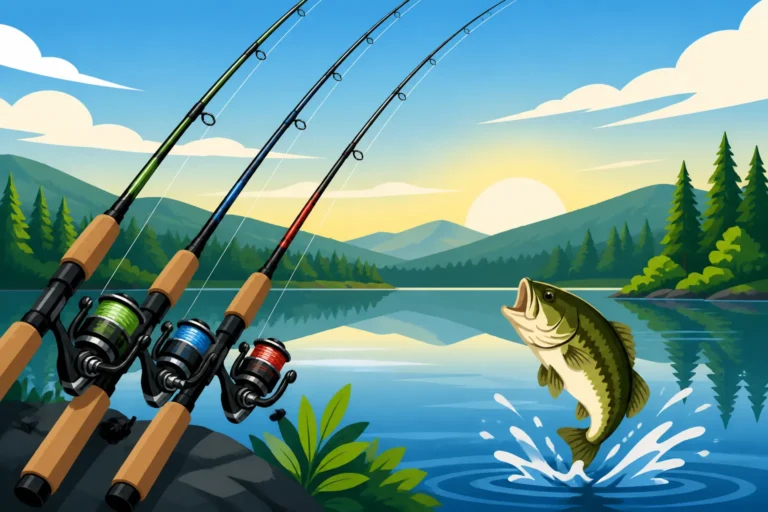
For leadcore trolling, you'll want a rod that can handle the continuous load of heavy line and a fighting fish. Look for a trolling rod that is typically 7 to 9 feet long with a medium-heavy power and a moderate to slow action. The moderate action is crucial because it acts like a shock absorber, cushioning the strikes from walleye and preventing the leadcore (which has very little stretch) from tearing hooks out of a fish's mouth. A longer rod also helps spread out your lines if you're running multiple rods off your boat.
Reel Selection:
This is where capacity really matters. Leadcore takes up a lot of space on a spool. You'll need a line counter trolling reel, specifically a levelwind model, that can comfortably hold at least 10 colors (100 yards) of your chosen leadcore, plus ample backing and leader. A reel with a capacity of 300 to 400 yards of 20 lb mono equivalent is usually a good starting point for holding 5-7 colors of leadcore with backing and leader. Brands like Penn, Daiwa, and Shimano offer excellent line counter reels suitable for this application. The line counter feature is non-negotiable, as it allows you to precisely deploy and recall specific amounts of line, making it easy to replicate successful depths.
Leader Material and Length:
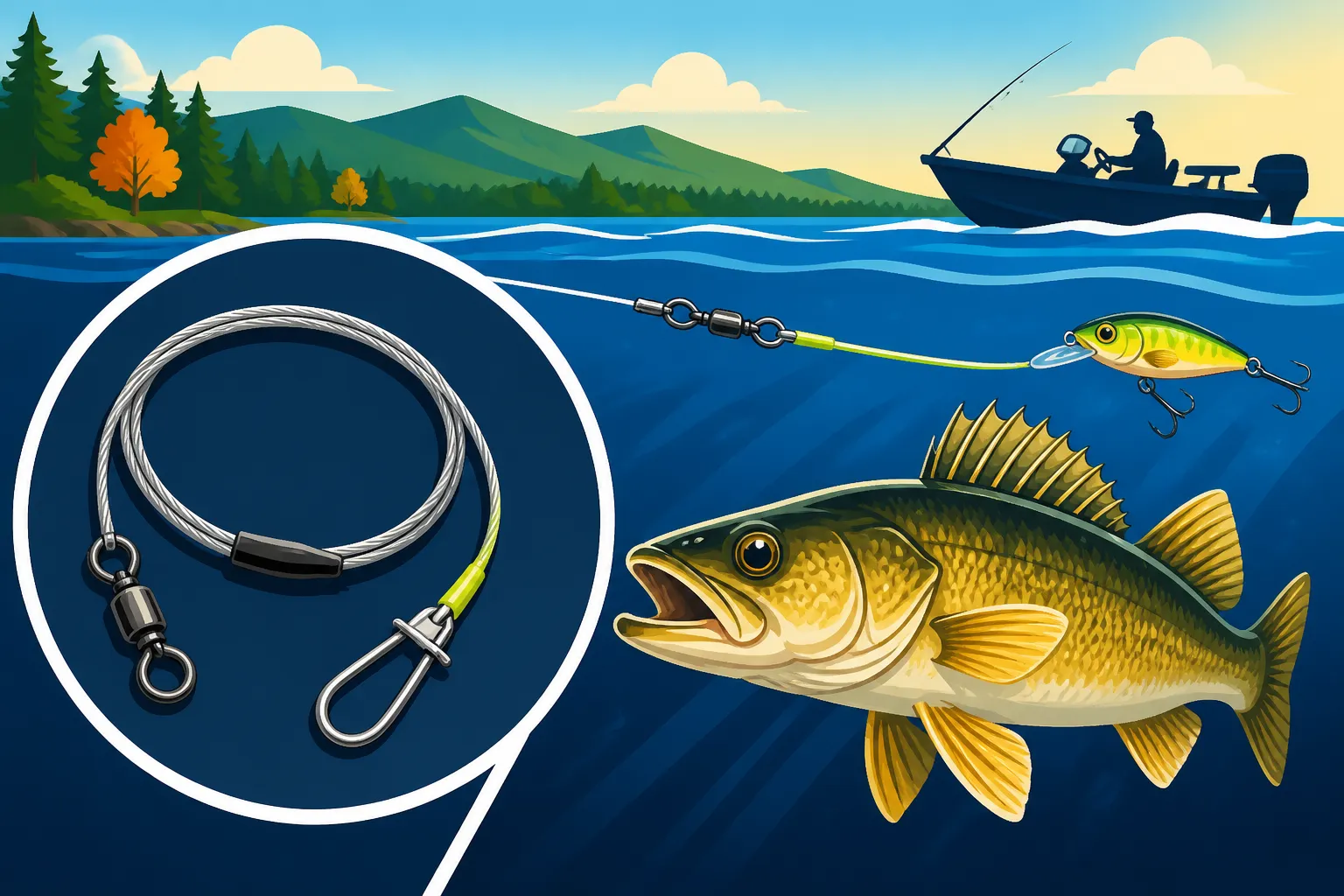
Directly tying your lure to leadcore is a recipe for disaster. Walleye can be incredibly line-shy, and the thick, brightly colored leadcore is not something you want them seeing. This is where your leader comes in.
- Material: Fluorocarbon is the top choice for walleye leaders. Its low visibility in water, abrasion resistance, and excellent knot strength make it ideal.
- Test Weight: Match your leader strength to your leadcore and target species. For walleye, 10-15 lb fluorocarbon is usually sufficient. If you're encountering larger fish or fishing snaggy areas, you might bump it up a bit.
- Length: This is critical. Your leader needs to be long enough to separate your lure from the leadcore line, but not so long that it becomes unmanageable for casting or netting. A leader length of 20 to 30 feet is common for walleye. This allows your lure to swim freely and naturally, well away from the main leadcore line.
Connecting your leadcore to your fluorocarbon leader requires specific knots designed for splicing, like the Blood Knot or an Albright Knot, or specialized crimps. Practice these knots at home until you're confident in their strength. You can often find pre-rigged leadcore leaders or spools of fluorocarbon leader material at your local Bass Pro Shops or through online retailers.
Mastering Leadcore Trolling Techniques for Walleye
Once you have your gear sorted, it's time to hit the water and learn the art of leadcore trolling. It's more than just dropping line; it involves understanding presentation, speed, and how to interpret your electronics.
Trolling Speed and Lure Selection
Trolling speed is perhaps the single most important factor influencing leadcore depth. Even small changes in speed can dramatically alter how deep your lure runs.
- Slower Speeds (1.5 – 2.0 mph): The leadcore will sink deeper per color. This is often effective for cold water conditions, sluggish fish, or when you want to really hug the bottom.
- Faster Speeds (2.0 – 3.0 mph): The leadcore will ride higher in the water column due to increased water resistance. Faster speeds can trigger aggressive strikes from active walleye.
It's a balance. The key is to experiment. Start with a known amount of line out, note your speed, and watch your fish finder. Adjust your speed in small increments (0.1 mph) and observe the changes in your lure's depth until you find the sweet spot where you're marking fish.
Lure selection is also crucial. For walleye, popular choices for leadcore trolling include:
- Crankbaits: Medium to deep-diving crankbaits are fantastic. The diving lip helps them get to their target depth even faster, and their erratic action is irresistible to walleye. Colors that imitate local baitfish like smelt or perch are always a good bet on Lake Champlain.
- Spoons: Flutter spoons or trolling spoons are excellent for mimicking injured baitfish. Their flash and wobble can attract walleye from a distance.
- Stickbaits: Long, slender stickbaits can be deadly, especially during low light conditions or when walleye are feeding on larger baitfish.
For more detailed information on specific lures, check out Best Lures for Walleye Trolling on Lake Champlain. Don't be afraid to experiment with different lures and colors until you find what the walleye are keying in on that day.
Reading Your Electronics and Identifying Structure
Your fish finder is your best friend when leadcore trolling. It helps you identify promising areas, track fish, and confirm your lure's depth.
- Depth Contours: Pay close attention to changes in bottom structure. Walleye often relate to drop-offs, humps, points, and channel edges. Leadcore allows you to keep your lure precisely along these contours.
- Baitfish Schools: Locate schools of baitfish. Walleye won't be far behind. If you see baitfish suspended at 25 feet, adjust your leadcore to present your lure at or just above that depth.
- Fish Arches: When you see those tell-tale arches on your screen, quickly note the depth and amount of leadcore line you have out. This is your cue to replicate that setup.
- Thermocline: During summer months, identify the thermocline (the layer where water temperature changes rapidly). Walleye often stack up just above, in, or below this layer, seeking cooler, oxygenated water. Leadcore makes it possible to precisely target this zone.
Using your GPS to mark successful trolling passes and waypoints where you catch fish is also essential. This allows you to return to productive areas and fine-tune your presentation. Understanding the nuances of your Fish Finder for Deep Lake Fishing can truly elevate your walleye game.
Maintenance and Storage Tips for Longevity
Leadcore line, while durable, does require a bit of care to ensure it lasts and performs reliably season after season. Neglecting your line can lead to frustrating break-offs and missed fish.
Proper Spooling and Backing
When spooling leadcore, it’s crucial to do it correctly from the start. Since leadcore fills a spool quickly, you'll almost always need backing.
- Backing First: Spool on a good amount of strong, inexpensive monofilament or braid as backing first. This fills the spool, provides a cushion for your leadcore, and gives you extra line in case a truly monster fish strips all your leadcore.
- Leadcore On Top: Then, connect your leadcore to the backing with a strong knot (like a Blood Knot or an FG knot) and spool it on. Ensure it's spooled tightly and evenly to prevent it from digging into itself under pressure.
- Leader Last: Finally, connect your fluorocarbon leader to the end of the leadcore.
A common mistake is trying to put too much leadcore on a reel that's too small, or not enough backing, which can lead to inefficient casting or not having enough line capacity for deeper presentations. Think about how many colors of leadcore you anticipate needing (e.g., 5, 7, or 10 colors) and choose a reel that can accommodate that plus adequate backing and leader.
Caring for Your Line and Gear
Regular maintenance extends the life of your leadcore setup and ensures peak performance.
- Rinse After Use: After every fishing trip, especially if you've been in murky or silty water, give your leadcore line a good rinse with fresh water. This removes any abrasive particles, salt (if you've fished brackish water, though less common for typical Vermont walleye fishing), or grime that can degrade the line over time.
- Inspect for Wear: Periodically inspect the first few colors of your leadcore line for any signs of fraying, nicks, or kinks. The leadcore sheath can wear down, especially from rubbing against structure or the boat. If you notice any damage, it’s best to cut back the affected section or, if extensive, replace the line entirely.
- Check Knots: Always check your leader knots before and after each trip. Re-tie them if they look worn or if you suspect any weakness.
- Store Properly: When not in use, store your reels in a cool, dry place away from direct sunlight, which can degrade fishing line. Keep the rods protected from physical damage.
Following these simple care tips will help prevent unexpected line failures and keep you focused on catching those delicious Vermont walleye. With proper care, your leadcore setup will be a reliable part of your Best Trolling Gear for Lake Champlain Walleye for many seasons to come.
Disclaimer
This article is for general informational purposes only and does not constitute professional advice. Laws, prices and regulations vary by location and change over time. Consult a qualified professional for guidance on your specific situation.