Best trolling motor battery for a fishing kayak
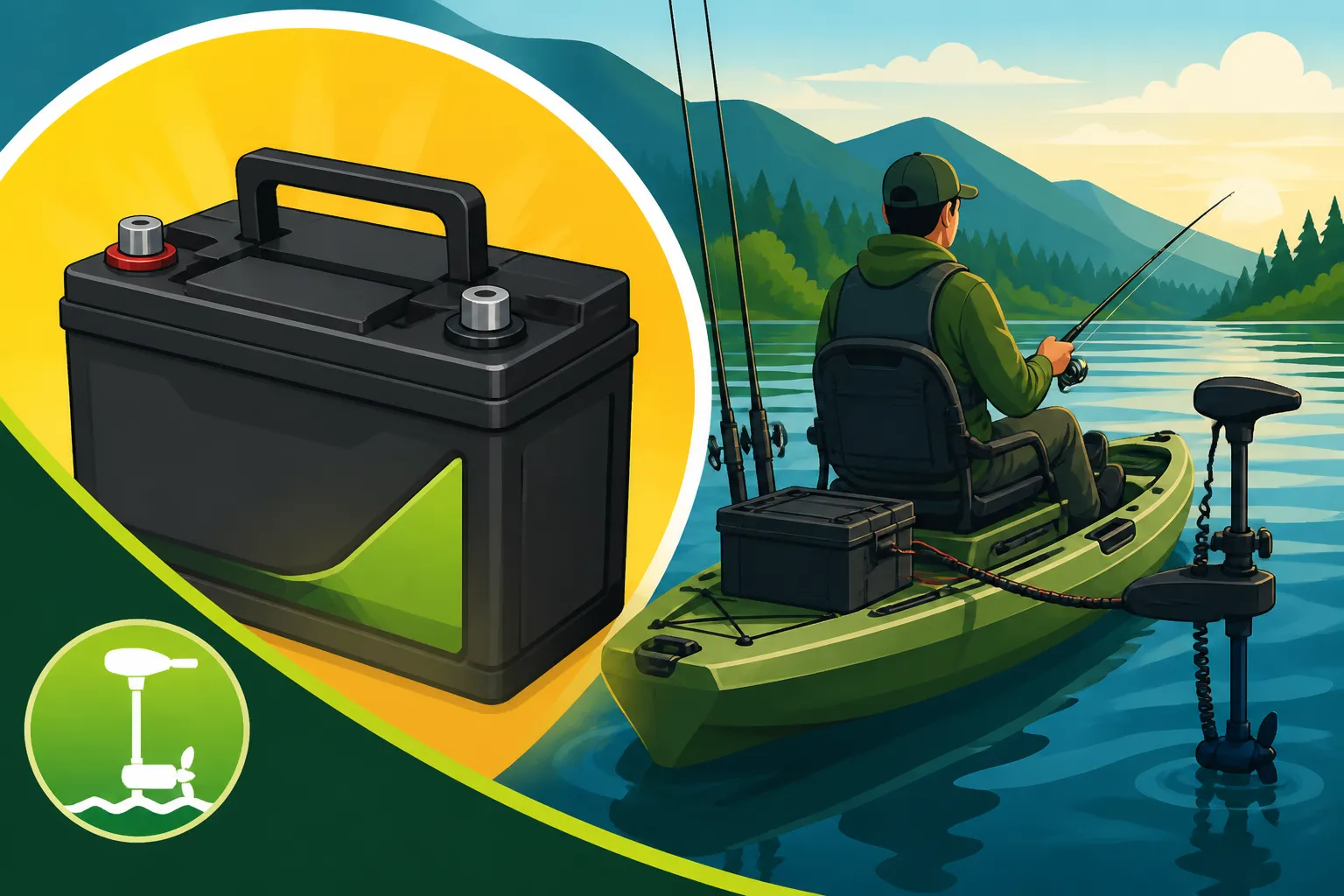
There’s nothing quite like the freedom of gliding across a pristine Vermont lake or a quiet stretch of river in your fishing kayak, the gentle hum of your trolling motor propelling you to that perfect fishing spot. But that peace can quickly turn to frustration when your battery dies prematurely, leaving you to paddle back against the current or wind. This guide is all about helping you understand the best battery options for your fishing kayak's trolling motor, ensuring you have reliable power for a full day of chasing bass, trout, or walleye across our beautiful state.
Why Your Trolling Motor Battery Choice Matters for Kayak Fishing
When you're out on the water, whether it's the sprawling expanse of Lake Champlain or a smaller, tucked-away pond, your trolling motor is your silent partner. It keeps you on course, positions you perfectly for casts, and saves your arms from endless paddling, especially when navigating against currents or wind. The battery powering that motor isn't just an accessory; it's the heart of your kayaking experience, and choosing the right one is far more critical for a kayak than for a larger boat.
The Unique Demands of Kayak Powering
Kayak fishing presents a distinct set of challenges when it comes to power. Unlike a traditional bass boat with ample space and weight capacity, a fishing kayak is a minimalist vessel. Every pound you add affects performance, stability, and ease of transport. You're typically working with limited storage, often in dry hatches or strapped to the deck, meaning the physical size and shape of your battery are paramount. You need consistent, reliable power for hours on end, without the option to simply "run the main engine to recharge" like a bigger boat might. Furthermore, many kayak anglers brave all sorts of conditions, from choppy waters to dense weed beds, requiring a battery that can handle intermittent surges of power without dropping voltage significantly. The battery needs to withstand vibrations, splashes, and the general rigors of being outdoors in Vermont's varied weather.
Frustrations of the Wrong Battery
Oh, the stories I've heard – and honestly, lived – about the wrong battery choice! Imagine you've spent an hour meticulously trolling for Lake Champlain Walleye Fishing, finally found a promising depth, and then… silence. Your motor dies. Or you're trying to hold position against a stiff breeze on Lake Bomoseen, and the motor just doesn't have the juice to keep you steady. It’s infuriating, isn’t it? Many anglers, myself included, started with cheaper, heavier lead-acid batteries, only to realize the trade-offs weren't worth it. Hauling a 70-pound battery from the truck to the water's edge, then wrestling it into a kayak, is a workout before you even start fishing. Then there’s the constant worry about how much charge you have left, wondering if you’ll make it back to the launch or if you'll be paddling in. A battery that takes forever to charge, or worse, degrades quickly after a few fishing seasons, feels like throwing money away. The wrong battery doesn't just impact your motor; it impacts your entire day on the water, turning a relaxing outing into a stressful ordeal.
Understanding Different Trolling Motor Battery Types
When you start looking into batteries, the options can feel overwhelming. It’s not just about voltage; it’s about the chemistry inside and how that chemistry impacts performance, weight, and lifespan. For kayak fishing, understanding these differences is crucial to making an informed decision that will serve you well on the water.
Lead-Acid Batteries: The Traditional Workhorse (and its drawbacks for kayaks)
For decades, lead-acid batteries have been the go-to power source for anything that needed portable electricity, including boats. They come in several variations, but for trolling motors, you're primarily looking at deep cycle types, designed to be discharged deeply and recharged repeatedly.
- Flooded Lead-Acid (FLA): These are your most basic and often cheapest option. They contain liquid electrolyte, requiring regular maintenance like checking water levels and topping them off. While they are deep cycle, their energy density is low, meaning they're incredibly heavy for their power output. For a kayak, this weight is a huge disadvantage, affecting your speed, maneuverability, and even how much gear you can comfortably bring. Plus, the risk of acid leaks or spills in a confined kayak space is a genuine concern, particularly if your kayak capsizes.
- Absorbed Glass Mat (AGM) Lead-Acid: An improvement over flooded batteries, AGMs use a fiberglass mat to absorb the electrolyte, making them spill-proof and maintenance-free. They can also handle deeper discharges and recharge faster than FLAs. For kayak anglers who want a lead-acid battery, an AGM is generally the preferred choice because of its sealed nature and better performance. However, they are still significantly heavier than modern alternatives. While an AGM might give you a good amount of power for a decent price, you'll still feel every one of those extra pounds when loading your kayak or trying to hit top speed on a big water body like Lake Champlain. They also don't deliver consistent voltage as they discharge, meaning your motor might feel less powerful as the day wears on.
- Gel Lead-Acid: These use a gelled electrolyte, offering similar benefits to AGM in being sealed and maintenance-free, but they generally have lower power output and are more sensitive to overcharging. They are less common for trolling motors specifically due to these limitations.
While lead-acid batteries offer a lower upfront cost, their weight, bulk, and performance limitations often lead to buyer's remorse for kayak anglers who spend a lot of time on the water. You might save a few dollars initially, but you pay for it in sweat, inconvenience, and potentially shorter fishing trips.
Lithium-Ion (LiFePO4) Batteries: The Modern Solution for Kayakers
If you're serious about kayak fishing and want the best possible experience, Lithium Iron Phosphate (LiFePO4) batteries are rapidly becoming the gold standard. These aren't your typical cell phone lithium-ion batteries; LiFePO4 chemistry is specifically designed for safety, stability, and power applications, making them incredibly well-suited for trolling motors.
The advantages for kayak anglers are truly game-changing. First and foremost, weight. A LiFePO4 battery can weigh as little as a quarter of a comparable lead-acid battery, drastically reducing the overall weight of your kayak setup. This means easier transport, better kayak performance, and more capacity for your Best Tackle for Vermont Smallmouth Bass or other gear. Second, they deliver consistent power throughout their discharge cycle. Your trolling motor will run at full strength right up until the battery is nearly depleted, without the gradual power fade you experience with lead-acid. Third, their lifespan is phenomenal. LiFePO4 batteries can last 5-10 times longer than lead-acid batteries, offering thousands of charge cycles. This longevity, despite a higher initial cost, often means they are a more economical choice over the long run. They also charge much faster and can be discharged far more deeply without damage, giving you maximum usable capacity. Many LiFePO4 batteries come with a built-in Battery Management System (BMS) for safety, protecting against overcharging, over-discharging, and overheating. While the upfront investment is higher, the performance, convenience, and long-term value make LiFePO4 batteries an absolute hero for the dedicated kayak angler. You can often find a good selection of these high-performance batteries from online retailers like Amazon or specialist marine stores.
Key Factors to Consider When Choosing Your Battery
Selecting the perfect trolling motor battery for your fishing kayak involves more than just picking the strongest one. It's about balancing several critical factors that directly impact your experience on Vermont's waters. Think about your typical fishing day: how long are you out? What kind of water are you on? How much gear do you bring?
Weight and Size: The Kayaker's Constant Battle
For a kayak angler, every ounce matters. Seriously. A battery that might be a non-issue in a bigger boat becomes a cumbersome burden in a kayak. Imagine trying to load a 60-pound lead-acid battery into the back of your car, then carrying it down to the shore of a remote pond. Now imagine doing that with a 15-pound LiFePO4 battery. The difference is night and day. Reduced weight means your kayak performs better: it's easier to paddle if needed, tracks better, and you'll find it less taxing to launch and retrieve.
Beyond just weight, physical size is also a huge consideration. Kayaks have limited storage space, and often specific dimensions for battery compartments or dry hatches. You need a battery that fits snugly without taking up valuable room for your Best Tackle for Vermont Smallmouth Bass or your lunch. A bulky battery awkwardly strapped to the deck can throw off your balance and get in the way of casting. Many manufacturers design LiFePO4 batteries in compact, "lunchbox" style shapes that are perfect for kayak storage. Always measure your available space before committing to a battery size.
Amp-Hours (Ah) and Run Time: How Long Will You Last?
The Amp-hour (Ah) rating of a battery is essentially its fuel tank. A higher Ah rating means more capacity and, consequently, a longer run time for your trolling motor. To figure out what you need, consider:
- Your Trolling Motor's Amperage Draw: Most trolling motors will list their maximum amperage draw. However, you rarely run them at full throttle all day. A good rule of thumb is to assume an average draw for your typical fishing speed. For example, a 30-lb thrust motor might draw 10 amps at medium speed.
- Your Typical Fishing Day: How many hours do you usually spend on the water? If you're doing a full-day trip chasing Lake Champlain Smallmouth Bass Fishing, you'll need significantly more capacity than someone who only fishes for a couple of hours in a sheltered cove.
- Environmental Factors: Wind, current (think the Winooski River), and thick weeds all make your motor work harder, increasing its amperage draw and reducing your run time. Always factor in a buffer for these conditions.
A simple calculation can help: (Battery Ah / Motor Amps) = Hours of Run Time. For instance, a 50Ah battery powering a motor drawing 10 amps would theoretically last 5 hours. But remember, with lead-acid, you only get about 50% of that usable capacity before performance drops, whereas LiFePO4 gives you nearly 100%. Aim for a battery that gives you at least 20-30% more run time than your longest typical fishing trip to avoid that dreaded dead battery scenario.
Longevity and Cycle Life: An Investment That Lasts
A battery isn't just a purchase; it's an investment. How many times can you charge and discharge it before it starts to lose significant capacity? This is known as "cycle life."
- Lead-Acid Batteries: Typically offer 200-400 charge cycles, especially if regularly discharged deeply. Improper charging or storage can further reduce this. This often means replacing your lead-acid battery every 1-3 seasons if you're a frequent angler.
- LiFePO4 Batteries: These boast an impressive cycle life, often 2,000-5,000 cycles or more. This means a single LiFePO4 battery could last you a decade or longer, making the higher upfront cost much more palatable over time. Imagine not having to buy a new trolling motor battery for ten years! That's serious value. This extended lifespan contributes significantly to the Vermont Fishing License Guide for 2026 overall cost of ownership.
When you factor in replacements, the long-term cost of a LiFePO4 battery often ends up being less than constantly buying new lead-acid batteries.
Safety and Maintenance: Protecting Your Investment (and Yourself)
Safety should always be a top priority, especially when electricity and water mix in a small vessel like a kayak.
- Lead-Acid Batteries: Flooded batteries require ventilation due to hydrogen gas emissions during charging and can spill corrosive acid if tipped. AGMs and Gel batteries mitigate these risks significantly as they are sealed and produce minimal gas. However, all lead-acid batteries can be damaged by overcharging or over-discharging.
- LiFePO4 Batteries: These are inherently safer due to their stable chemistry. Most quality LiFePO4 batteries include an advanced Battery Management System (BMS) that monitors voltage, current, temperature, and cell balance. This BMS prevents overcharging, over-discharging, short-circuiting, and overheating, greatly enhancing safety and extending the battery's life. Always use a charger specifically designed for your battery type.
Regardless of battery type, always secure your battery properly in your kayak to prevent it from shifting or falling out. Consider a waterproof battery box for added protection against splashes and unexpected capsizes, particularly if you're exploring the wilder waters of the Missisquoi River Fishing Guide.
Recommended Battery Options for Vermont Kayak Anglers
Alright, so with all that technical talk out of the way, let's get down to some practical recommendations for those of us who just want to spend more time fishing and less time worrying about power.
Best Overall Performance: LiFePO4 for the Dedicated Angler
For the Vermont kayak angler who spends significant time on the water, who values performance, convenience, and long-term value, a LiFePO4 battery is undeniably the best choice. Yes, the initial sticker price might make you wince a little, but when you break it down by pounds saved, hours gained, and years of reliable service, it's a smart investment.
Imagine launching your kayak on Lake Willoughby, a stunning body of water known for Lake Willoughby Landlocked Salmon Fishing, with a battery that weighs a fraction of what you're used to. You can easily lift your kayak, get it set up, and glide out with confidence. Your motor runs at peak power all day long, whether you're trolling across open water or holding position on a tricky current seam. These batteries are incredibly robust and durable, shrugging off the bumps and vibrations that come with kayak transport and use. Many models are designed with water-resistant casings, which is a huge plus when you're dealing with splashes or the occasional downpour that rolls in over the Green Mountains. You can find excellent LiFePO4 options from reputable brands. You might find a great deal on Amazon, or if you prefer to see the products firsthand and talk to specialists, a place like Bass Pro Shops often carries a selection of marine batteries suitable for kayaking. Look for models in the 30Ah to 100Ah range, depending on your motor's thrust and how long you typically fish. A 50Ah LiFePO4 battery will generally give you equivalent or better usable run time than a 100Ah lead-acid AGM battery, all while being dramatically lighter.
Budget-Friendly Options: AGM as a Step Up from Flooded
If your budget simply can't stretch to a LiFePO4 battery right now, and you're moving on from a flimsy flooded lead-acid battery, an AGM deep cycle battery is the next best choice. It's a significant improvement over the old-school flooded batteries in terms of safety and convenience, primarily because it's sealed and maintenance-free. You won't have to worry about topping off water levels or acid spills if your kayak gets a bit tippy.
However, you'll still be dealing with the weight. An AGM battery with sufficient capacity to power your trolling motor for a decent amount of time will still be heavy – expect 30-60 pounds depending on the Ah rating. While it's better than flooded, it won't give you the same consistent power delivery as a LiFePO4, meaning your motor might feel weaker as the battery drains. Your run time will also be less than the stated Ah capacity, as you can only safely use about half its charge before damaging it or significantly impacting performance. If you choose an AGM, ensure it's a true deep cycle battery, not a starting battery. You'll want to pair it with a good quality smart charger that has a specific AGM setting to maximize its life. You might find competitive prices for AGM batteries on Amazon, or check local auto parts stores which sometimes carry marine-grade options. For new anglers looking for a reliable starting point without breaking the bank, an AGM can serve you well, especially for shorter trips on calm waters like a small state park pond.
Practical Considerations for Charging and Storage
Regardless of the battery type you choose, proper charging and storage are paramount for maximizing its lifespan and ensuring it's ready for your next adventure.
- Chargers: Always use a charger specifically designed for your battery's chemistry. For LiFePO4 batteries, a dedicated LiFePO4 charger is crucial, as it provides the correct voltage and charging profile. For lead-acid (AGM or flooded), a multi-stage smart charger that matches the battery type is best. These chargers prevent overcharging and can even help recondition slightly depleted batteries. Don't cheap out on a charger; it's an extension of your battery's life.
- Off-Season Storage: When the Vermont winter arrives and ice fishing takes over, or you're just not using your kayak for an extended period, how you store your battery matters.
- LiFePO4: Store them at around 50-80% charge in a cool, dry place. They have a very low self-discharge rate, so they'll hold their charge for a long time. No need for trickle charging.
- Lead-Acid (AGM/Flooded): These should be fully charged before storage and periodically checked (every month or two) and topped off with a smart charger if the voltage drops. Never store a lead-acid battery completely discharged, as it can lead to sulfation and permanent damage. Store them in a cool, dry, well-ventilated area, away from anything flammable.
- Protection from Elements: Whether on your kayak or in storage, protect your battery from extreme temperatures and moisture. A good waterproof battery box is a wise investment, especially in a kayak where splashes are inevitable. In freezing Vermont temperatures, lead-acid batteries lose significant capacity, and it's recommended not to charge LiFePO4 batteries when their internal temperature is below freezing. Always bring your battery indoors during extreme cold. Protecting your battery from the elements extends its life and ensures it's reliable when Vermont Ice Fishing Season Dates roll around or when you're hitting the open water in spring.
Remember, a little care goes a long way in ensuring your battery provides years of reliable service, keeping you powered up for countless fishing trips across Vermont.
Here’s a quick comparison of the two main battery types for kayak trolling motors:
| Feature | Lead-Acid (AGM) | Lithium (LiFePO4) |
|---|---|---|
| Weight | Heavy (30-70 lbs for typical capacity) | Very Light (10-25 lbs for comparable capacity) |
| Usable Capacity | ~50% of rated Ah (to prevent damage/fade) | ~90-100% of rated Ah |
| Voltage Output | Drops steadily as discharged | Consistent throughout discharge cycle |
| Cycle Life | ~200-400 cycles | ~2,000-5,000+ cycles |
| Charging Speed | Slower (4-8+ hours) | Faster (2-4 hours, depending on charger) |
| Maintenance | Maintenance-free (AGM), but requires monitoring for charge | Maintenance-free, BMS handles protection |
| Initial Cost | Lower | Higher |
| Long-Term Value | Lower (frequent replacement) | Higher (lasts many years) |
| Safety | Sealed, but potential for off-gassing if abused | Very safe with integrated BMS |
| Ideal For | Budget-conscious, occasional shorter trips | Dedicated anglers, long trips, performance focus |
Choosing the right battery is a personal decision that balances your budget, your fishing habits, and your desire for convenience and performance. But armed with this knowledge, you can make a choice that powers your Vermont fishing adventures for years to come.
Disclaimer
This article is for general informational purposes only and does not constitute professional advice. Laws, prices and regulations vary by location and change over time. Consult a qualified professional for guidance on your specific situation.