Best inflatable kayak for river fishing
If you've ever dreamt of casting a line from the peaceful current of a Vermont river, but found yourself frustrated by the logistics of transporting a traditional hardshell kayak or canoe, you're not alone. Many anglers face this dilemma, especially when trying to access those hidden, out-of-the-way stretches of water. This guide is dedicated to helping you navigate the world of inflatable kayaks, proving they're not just pool toys but legitimate, incredibly practical vessels for river fishing in our beautiful Green Mountain State.
Why an Inflatable Kayak is a Game-Changer for Vermont River Fishing
Let's be honest, when you hear "inflatable kayak," your mind might jump to those flimsy pool toys that barely hold air, let alone a determined angler and their gear. But modern inflatable kayaks are a completely different beast, especially for river fishing here in Vermont. They offer a unique blend of portability, durability, and surprising performance that can open up a whole new world of fishing opportunities on our local waterways, from the meandering Otter Creek Fishing Spots to the faster flows of the Winooski River Fishing Spots.
Portability and Storage: Say Goodbye to Roof Racks
One of the biggest headaches for any angler who isn't lucky enough to live right on the water is getting their vessel to the launch. Hardshell kayaks are long, heavy, and often require a roof rack, tie-downs, and a buddy to help load and unload. This can be a real barrier to spontaneously heading out, especially after a long workday when you just want to hit the Best Fishing Rivers in Vermont for an hour or two.
Inflatable kayaks, however, fold down into a duffel bag or backpack. Think about it: you can toss it in your trunk, haul it in the bed of a small truck, or even carry it down a steep bank to an otherwise inaccessible stretch of river. This eliminates the need for expensive roof racks and makes solo trips a breeze. For those who live in apartments or have limited garage space, the compact storage is an absolute blessing. No more tripping over a 12-foot boat in your shed! You can store it away in a closet, ready for your next adventure.
Durability and Impact Resistance on Rocky Rivers
Vermont's rivers are beautiful, but they're not always kind to fishing boats. Shallow sections, submerged rocks, and unexpected snags are just part of the experience. A hardshell kayak can suffer dings, scrapes, and even serious punctures from these encounters. This is where high-quality inflatable kayaks truly shine. They're typically made from multi-layer PVC or Hypalon, materials similar to what whitewater rafts are constructed from.
These robust materials, combined with their flexible nature, allow inflatables to "bounce" off rocks and logs that would severely damage a rigid boat. While no boat is indestructible, the chances of a catastrophic puncture are much lower than you might think. Many models feature multiple air chambers, meaning if one chamber is compromised, the others remain inflated, keeping you afloat and giving you time to paddle to shore. This peace of mind, knowing your boat can take a beating, is invaluable when you're navigating unfamiliar river stretches or focusing on How to Fish a River for Smallmouth Bass.
Stability and Comfort for Anglers
Another common misconception is that inflatables are unstable. While some recreational models might be, those designed for fishing often feature wider beams and flat bottoms, providing exceptional stability. This is crucial for anglers who need to stand up to cast, lean over to net a fish, or simply feel secure while reaching for gear. The stability can be surprising, even allowing for minor movements without feeling like you're about to tip over.
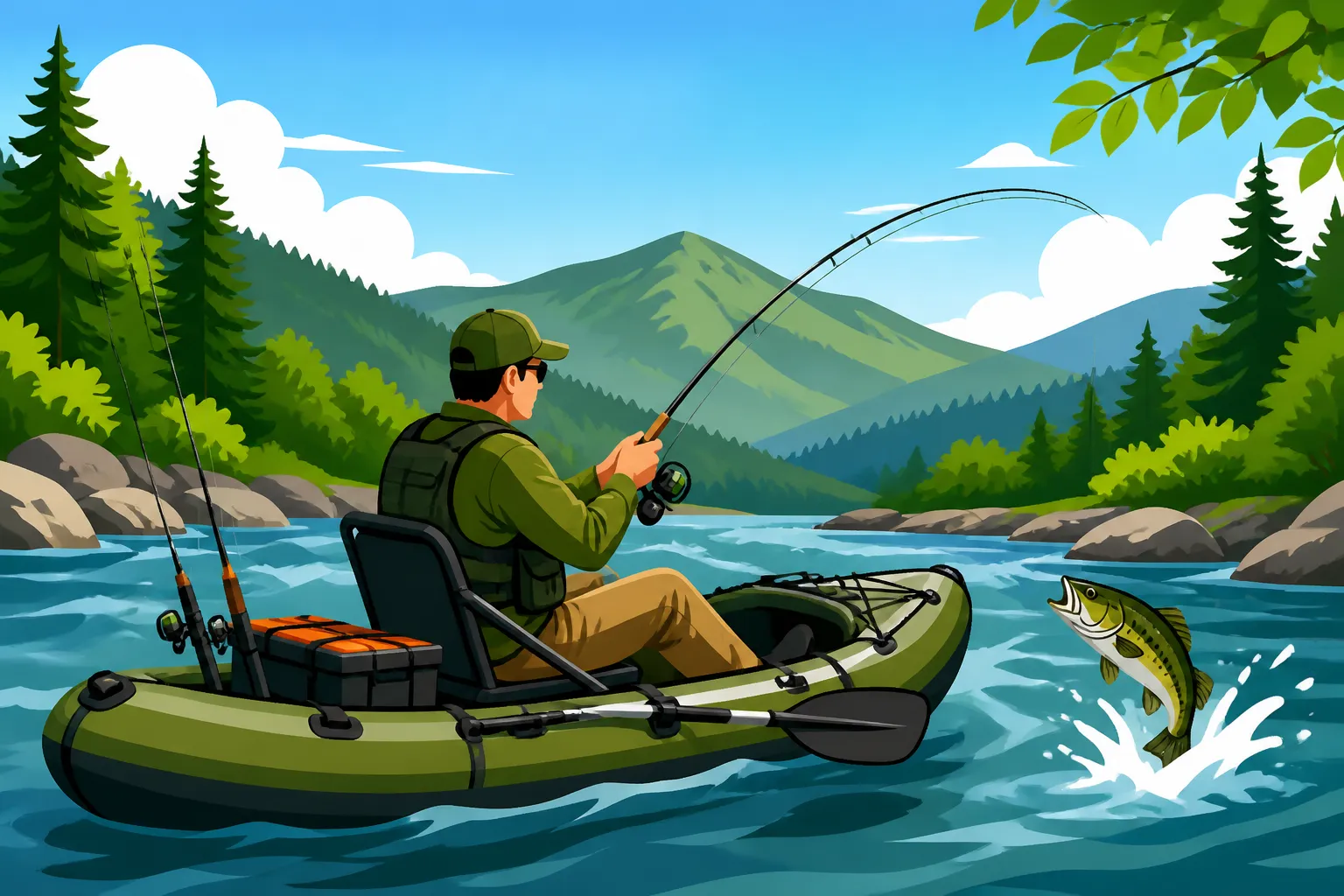
The inflated sidewalls also offer a level of comfort that hardshell kayaks often lack. They act like built-in cushions, making longer floats more enjoyable. Plus, many fishing-specific inflatables come with adjustable seats, rod holders, and ample storage for tackle and coolers, ensuring you have everything you need for a productive day on the water.
Key Features to Look for in an Inflatable River Fishing Kayak
Choosing the right inflatable kayak for river fishing means looking beyond just the "inflatable" aspect. There are several critical features that will make or break your experience, especially on Vermont's diverse waterways.
Construction Material and Durability
This is paramount. You're putting your trust, and your gear, into this boat. Look for kayaks made from heavy-duty materials like 1000-denier PVC (polyvinyl chloride) or Hypalon. PVC is very common, durable, and repairable. Hypalon is even tougher, more resistant to UV rays and chemicals, but typically found on higher-end models.
Pay attention to seam construction as well. Heat-welded seams are generally considered more reliable and durable than glued seams, especially for long-term use and exposure to varying temperatures and pressures. Multiple air chambers are a non-negotiable safety feature, providing redundancy in case of a puncture. Also, consider the thickness of the material – thicker is generally better for river use where you might encounter abrasions. Many reputable brands will clearly state these specifications, and it's worth checking them out on sites like Bass Pro Shops or Amazon.
Self-Bailing Design for River Currents
When you're paddling on a river, especially one with even minor riffles or rapids, water can inevitably splash into your kayak. With a traditional kayak, you'd need a bilge pump or sponge to clear it out. However, many river-specific inflatables feature a "self-bailing" design. This means they have small drain holes in the floor that allow water to escape automatically, preventing your kayak from filling up and becoming heavy or unstable.
This feature is absolutely essential for river fishing, as it keeps your cockpit dry and keeps you focused on fishing, not bailing water. If you plan to fish any river with moving current, even gentle ones like sections of the Lamoille or White River, a self-bailing design is a must-have. You don't want to be constantly dumping water out when you're trying to manage a feisty trout or smallmouth bass.
Maneuverability and Tracking
Rivers often require precise steering to navigate around obstacles, through tight turns, or to hold your position in a current. While inflatables typically don't track as straight as hardshells in open water due to their flat bottoms, good river models compensate with design features. Look for kayaks with:
- Rocker: A slight upward curve in the bow and stern helps the kayak turn more easily and ride over waves or obstacles, rather than plowing through them. This is great for handling minor rapids or quick directional changes.
- Skegs or Fins: These removable or fixed fins on the underside of the stern dramatically improve tracking in open water and help maintain a straight course in mild currents. For varied river conditions, having the option to add or remove skegs can be very beneficial.
- Length and Width: Shorter, wider kayaks are generally more stable and easier to turn, which is desirable for maneuvering in tighter river sections. Longer, narrower kayaks will track better but might be less agile. Consider the type of Vermont rivers you plan to fish most often when evaluating these dimensions.
Fishing-Specific Features
A kayak designed for recreation is different from one built for fishing. Angler-friendly features enhance your experience significantly.
- Rod Holders: Built-in flush mount or adjustable rod holders are incredibly convenient for trolling, storing rods while paddling, or keeping them out of the way when landing a fish.
- Gear Attachment Points: D-rings, bungee cords, or track systems allow you to secure tackle boxes, coolers, anchor systems, and other accessories. This prevents your gear from floating away or shifting unexpectedly.
- Comfortable Seating: Adjustable, elevated seats are a huge plus. They keep you drier, provide better visibility, and offer more ergonomic support for long hours on the water. Some higher-end models feature framed seats that are incredibly comfortable.
- Storage Space: Ample storage in the bow, stern, or behind the seat for tackle, a small cooler, and dry bags for essentials like your phone or car keys.
- Paddle Holders: Clips or bungees to secure your paddle when you need both hands free for fishing.
Types of Inflatable Kayaks for River Fishing
Not all inflatable kayaks are created equal, and understanding the different types can help you narrow down the best choice for your Vermont river adventures.
Sit-on-Top Inflatables
These are incredibly popular for fishing, and for good reason. As the name suggests, you sit on top of the kayak, rather than inside a cockpit. This offers several advantages for river anglers:
- Ease of Entry and Exit: Getting in and out is simple, which is great for shore fishing, wading, or taking a break on a riverbank.
- Freedom of Movement: You have more room to maneuver, cast, and even stand up in stable models.
- Self-Bailing: Most sit-on-top kayaks, both hardshell and inflatable, are inherently self-bailing due to their open design, making them ideal for rivers.
- Open Deck Space: Often provides more deck space for gear storage and rigging.
Many fishing-specific inflatable kayaks fall into this category, offering a wide, stable platform perfect for targeting bass or trout. If you envision yourself moving around a lot, or fishing in warmer weather where getting a little wet is no big deal, a sit-on-top inflatable is an excellent choice.
Inflatable Canoes
While technically canoes, some smaller, more maneuverable inflatable canoes offer similar benefits to kayaks for river fishing. They often have higher sides, which can be nice for keeping gear contained or providing a bit more shelter from splashes.
- Capacity: Often offer more carrying capacity, making them suitable for tandem fishing or hauling more gear for an overnight trip.
- Open Design: Similar to sit-on-tops, they are easy to get in and out of and can be rigged with custom seating or gear setups.
- Stability: Typically very stable due to their width and high volume.
If you like the idea of a more open boat, or frequently fish with a partner, an inflatable canoe might be a great option. Just be sure to check if it has self-bailing features for river use.
Hybrid Kayak/Raft Designs
Some advanced inflatable kayaks blur the line between kayaks and small rafts. These are often designed for more challenging river conditions and frequently seen on whitewater, but their robust construction and features can be a huge asset for serious river fishing in Vermont.
- Extreme Durability: Built to withstand constant abuse from rocks and rapids.
- Excellent Tracking and Maneuverability: Engineered to handle currents and eddies effectively.
- High Load Capacity: Can carry heavy loads of gear for multi-day trips.
While often pricier, these hybrids offer the ultimate in river performance and durability, making them a worthwhile investment for anglers who regularly tackle more remote or challenging river sections.
Essential Accessories for Inflatable River Kayak Fishing
Having the right inflatable kayak is only half the battle. To truly maximize your river fishing experience, you'll need a few key accessories. These items not only enhance comfort and convenience but also significantly improve safety, which is paramount when you're out on the water, especially on moving rivers. You can often find many of these essentials at Bass Pro Shops or by browsing the extensive selection on Amazon.
Personal Flotation Device (PFD)
This is absolutely non-negotiable. Vermont law requires a PFD for every person on board a vessel, and children under 12 must wear one at all times when underway. But beyond the law, it's a critical safety tool. Accidents happen – an unexpected snag, a sudden current, or a misstep could put you in the water. A good PFD will keep you afloat and increase your chances of being rescued.
Look for a comfortable, fishing-specific PFD that allows for a full range of motion for casting and paddling. Many feature pockets for small tackle, pliers, or a whistle, adding both convenience and safety. Always wear it, even on calm days, because you never know when things might take an unexpected turn. You can read more about safety by checking out Life Jacket Requirements for Vermont Boaters.
High-Quality Paddle
Your paddle is your engine, so don't skimp on it. A lightweight, durable paddle will make a world of difference over a long day of paddling. Consider a two-piece paddle that can be easily stored in your kayak bag.
Look for paddles with durable blades, often made of fiberglass or carbon fiber composite, and an adjustable length. For river fishing, a slightly shorter paddle might offer better control in tight spaces, while a longer one can provide more leverage in open sections. Test a few if you can to find what feels comfortable for your height and paddling style.
Repair Kit
Even the toughest inflatable can get a tiny pinhole leak from a sharp hook or a particularly nasty encounter with a submerged branch. A good repair kit, often included with the kayak, is essential. It should contain patches, adhesive, and a valve tool.
Familiarize yourself with how to use it before you hit the water. Knowing how to quickly patch a leak can save your day, or even your trip. Having it handy means you can often fix minor issues right on the spot and continue fishing.
Air Pump
You'll need a reliable pump to get your kayak ready for the water. Both manual foot pumps and electric pumps are available.
- Manual Pumps: Affordable, no power source needed, but require more effort. A double-action pump (inflates on both up and down strokes) is highly recommended to speed up the process.
- Electric Pumps: Faster and less strenuous, especially those that plug into a car's 12V outlet. Make sure it's designed for high-volume, low-pressure inflation, and ideally has a deflate function to pack up quickly.
Regardless of type, choose a pump that connects securely to your kayak's valves for efficient inflation.
Dry Bag
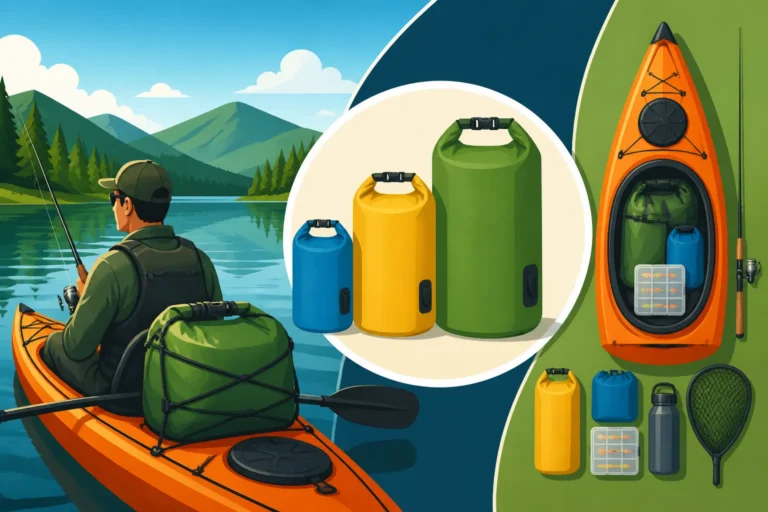
Protect your electronics, wallet, keys, and snacks from splashes and accidental submersion. A good dry bag is made from waterproof material with a roll-top closure.
Choose a size appropriate for the gear you need to protect, and consider having a few different sizes for various items. Clipping your dry bag to a D-ring on your kayak ensures it won't float away if you capsize.
Anchor System
For river fishing, an anchor is incredibly useful for holding your position in a current or staying put over a promising fishing spot. A small grapnel anchor (folding claw anchor) with about 50 feet of anchor rope is usually sufficient.
Consider an anchor trolley system, which allows you to move the anchor attachment point from the bow to the stern (or anywhere in between) along the side of your kayak. This lets you orient your boat perfectly to the current or wind, making casting and fishing much easier. Just remember to use a quick-release knot or system for safety in fast-moving water.
Where to Enjoy Your Inflatable River Kayak in Vermont
Vermont offers a myriad of rivers and streams perfect for exploring by inflatable kayak. From slow, winding flows ideal for beginners to more active stretches that challenge experienced paddlers, there's something for everyone. Remember to always respect private property and access laws when launching or landing your kayak.
Gentle Rivers for Relaxed Fishing
For those looking for a peaceful day casting lines, Vermont has plenty of serene options. These rivers are excellent for targeting panfish, smaller trout, and even some largemouth bass in quieter pools.
- Otter Creek: Flowing through Addison County, Otter Creek is Vermont's longest river. Its lower sections are often slow-moving and wide, making them ideal for leisurely floats and targeting smallmouth bass, northern pike, and panfish. There are numerous public access points, and the gentle current is perfect for those getting accustomed to their inflatable kayak.
- Missisquoi River (Lower Sections): The lower stretches of the Missisquoi, particularly as it approaches Lake Champlain, offer gentle currents and rich fishing opportunities. You'll find good populations of northern pike, bass, and various panfish. The wider, calmer waters are very forgiving for inflatable kayaks. You can learn more about specific spots in Missisquoi River Fishing Guide.
- Poultney River: Forming part of the border with New York, the Poultney River has some beautiful, slower sections perfect for a tranquil day of fishing. While some parts are more remote, an inflatable's portability makes accessing these spots much easier.
These rivers are fantastic places to experiment with techniques for bank fishing or simply enjoy the scenery while drift fishing.
Moderate Rivers for Diverse Angling
If you're looking for a bit more current and variety, Vermont's moderate rivers provide excellent opportunities for targeting trout and smallmouth bass, requiring a bit more active paddling and maneuvering.
- Winooski River: As it winds through central Vermont, the Winooski offers a mix of faster riffles and deeper pools. These sections are excellent for smallmouth bass, especially around structure, and hold good numbers of trout. The self-bailing feature of your inflatable will be appreciated here. Check out specific locations in Winooski River Fishing Spots.
- Lamoille River: Similar to the Winooski, the Lamoille River provides diverse habitat. You'll find areas with gentle currents, but also some faster flows and rocky sections. It's known for its smallmouth bass and good trout fishing, especially in the spring. An inflatable kayak is perfect for navigating its varied terrain. For more details, see Lamoille River Fishing Guide.
- White River: Renowned for its trout fishing, the White River has many sections that are perfect for floating by inflatable kayak. The current can be brisk in places, and you'll encounter numerous bends and submerged rocks, making an agile and durable inflatable kayak an excellent choice for accessing prime trout lies. The White River fishing spots are well-loved by local anglers.
Remember that river conditions can change quickly, especially after heavy rains, so always check water levels and flows before heading out.
Considerations for Boundary Waters
Vermont shares border waters with neighboring states, like the Connecticut River with New Hampshire and Lake Champlain with New York. For these unique locations, understanding reciprocity agreements and specific rules is crucial.
- Connecticut River: The Connecticut River, forming Vermont's eastern border, offers diverse fishing. While some sections are wider and more lake-like, many areas have strong currents and rocky shoals. An inflatable kayak can be a great way to access parts of the river that are difficult from shore or larger boats. Always be aware of which state's regulations apply, as Vermont fishing license reciprocity on the Connecticut River with New Hampshire dictates the specifics.
- Lake Champlain (River Mouths): While Lake Champlain is a massive lake, its various river mouths and bays offer river-like fishing experiences that an inflatable kayak can easily handle. Fishing near the mouths of the Missisquoi, Lamoille, or Winooski rivers where they enter the lake can be incredibly productive, blending river and lake techniques. You can also explore sections of South Bay Lake Champlain fishing access or Missisquoi Bay Lake Champlain fishing access.
An inflatable kayak provides incredible versatility for exploring these varied environments, allowing you to move between riverine and larger water conditions with ease, provided you have the right gear like the Best Kayak for Lake Champlain.
| Feature | Ideal for Inflatable River Fishing | Why it Matters |
|---|---|---|
| Material | 1000-denier PVC or Hypalon | Provides durability against rocks, snags, and abrasions common in rivers. |
| Seams | Heat-welded | Stronger, more reliable bond compared to glued seams, crucial for long-term use and river abuse. |
| Air Chambers | Multiple (3+) | Enhances safety; if one chamber punctures, others keep you afloat. |
| Self-Bailing | Yes | Automatically drains water, keeping the cockpit dry and the boat lighter in moving water. |
| Rocker | Moderate to High | Helps kayak turn easily and ride over waves/obstacles, improving maneuverability in currents. |
| Skegs/Fins | Removable or Fixed | Improves straight-line tracking, especially in open sections or mild currents. |
| Fishing Features | Rod holders, D-rings, stable seat | Secures gear, provides comfort, and keeps hands free for casting and landing fish. |
| Portability | Backpack/Duffel size when deflated | Allows easy transport to remote river access points and convenient storage. |
| Stability | Wide beam, flat bottom | Allows standing, easy casting, and comfortable movement without feeling tippy. |
Maintaining Your Inflatable Kayak for Longevity on Vermont's Rivers
Investing in a good inflatable kayak means you'll want it to last through many seasons of Vermont fishing. Proper care and maintenance are simple but crucial steps to ensure your boat remains in top condition, ready for every adventure on the Best Trout Streams in Vermont or any other waterway.
Cleaning After Every Use
This might sound obvious, but it's often overlooked. After each trip, especially if you've been in muddy or silty rivers, take a few minutes to clean your kayak.
- Rinse Thoroughly: Use fresh water to rinse off all mud, sand, grit, and any aquatic vegetation. Pay close attention to seams and crevices where debris can accumulate. This helps prevent mildew and preserves the material.
- Mild Soap Solution: For tougher grime, a mild soap (like dish soap) and a soft brush or sponge can be used. Avoid harsh chemicals or abrasive cleaners, as they can damage the material or coatings.
- Inspect: While cleaning, take the opportunity to visually inspect your kayak for any signs of wear, small abrasions, or potential leaks. It's much easier to spot and address minor issues early before they become bigger problems.
Thorough Drying Before Storage
This is perhaps the most critical step for preventing mildew, mold, and material degradation. An inflatable kayak must be completely dry before you pack it away.
- Air Dry: Inflate the kayak partially and let it air dry in a shaded, well-ventilated area. Direct sunlight can cause UV damage over time, so shade is preferred.
- Wipe Down: Use a towel to wipe down any remaining moisture, especially in folds and corners.
- Valve Care: Ensure the valves are also dry and free of debris. A tiny bit of silicone grease (specifically for marine use) can keep them supple and sealing properly.
Storing a damp kayak, even for a short period, can lead to unpleasant smells, stains, and ultimately shorten the lifespan of your boat.
Proper Storage Techniques
Once clean and dry, how you store your inflatable kayak makes a big difference.
- Deflate Completely: Ensure all air is out of the chambers. This allows it to fold compactly and prevents stress on seams.
- Fold Loosely: Avoid sharp, permanent creases if possible. Try to roll or fold it loosely. Repeated, identical sharp folds can weaken the material over time. If you can, store it partially inflated or spread out, that's even better, but not always practical.
- Climate Control: Store your kayak in a cool, dry place away from extreme temperature fluctuations. Attics or uninsulated sheds that get extremely hot or cold can stress the material. A basement, garage, or closet with stable temperatures is ideal.
- Protection from Pests: Keep it in its storage bag or a protective cover to deter rodents or insects that might chew through the material.
- UV Protection: If storing outdoors or in a bright area, ensure it's covered and out of direct sunlight. UV rays are a major culprit in breaking down PVC and other materials over time.
By following these simple maintenance tips, your inflatable kayak will be a reliable fishing companion for countless adventures on Vermont's beautiful rivers for years to come.
Disclaimer
This article is for general informational purposes only and does not constitute professional advice. Laws, prices and regulations vary by location and change over time. Consult a qualified professional for guidance on your specific situation.