Best chest waders for cold water trout fishing
When you're out chasing those elusive trout in the chilly streams and rivers of Vermont, nothing ruins a day faster than being cold and wet. The biting cold of a spring runoff stream or an autumn morning on a mountain river can quickly turn an exciting fishing trip into a miserable ordeal if you're not properly equipped. That's why choosing the right chest waders, specifically designed for cold water trout fishing, is absolutely critical for staying comfortable, focused, and ultimately, successful on the water. This guide will walk you through everything you need to know to select the best waders to keep you warm and dry, even in Vermont's most frigid conditions.
Understanding the Demands of Cold Water Trout Fishing in Vermont
Vermont's trout fishing season often coincides with some truly bracing temperatures, especially during early spring and late fall. Imagine standing thigh-deep in a snow-melt fed river like the White River or the Lamoille River, with the air temperature barely above freezing and the water even colder. This isn't just about a little chill; it's about prolonged exposure to temperatures that can lead to hypothermia if you're not adequately protected. Your waders aren't just a barrier against water; they're a crucial part of your insulation system.
The conditions here are often dynamic, too. One moment you might be wading through a gentle riffle, the next you're post-holing through deeper, faster currents. The terrain can be slippery with algae-covered rocks or uneven riverbeds. These factors demand waders that aren't just waterproof, but also durable, warm, and offer good mobility without being bulky. Trying to get by with thin, uninsulated waders in these scenarios is a recipe for shivering, discomfort, and potentially cutting your fishing day short. It's an investment in your comfort and your ability to stay on the fish longer.
Moreover, cold water often means more aggressive trout, especially during the Spring Trout Fishing Techniques for Vermont Streams period when they're actively feeding after a long winter. You want to be present and focused on your casts and drifts, not distracted by numb legs or a wet backside. The right waders allow you to ignore the environment and concentrate on the subtle takes and the beauty of the surroundings.
Essential Features of Cold Water Chest Waders
When you're hunting for the perfect pair of chest waders for Vermont's cold trout waters, there are several key features that move beyond basic waterproofing. These elements are designed to keep you warm, safe, and allow you to fish effectively.
Insulation and Material Thickness
For cold water, insulation is king. Neoprene waders are typically the go-to for serious cold. Neoprene is the same material used in wetsuits, and it works by trapping a thin layer of water against your body, which your body heat then warms up. However, in modern waders, especially those designed for trout fishing, the goal is often to stay completely dry while still retaining warmth. This is achieved through thicker neoprene or, more commonly now, through breathable waders designed with layering in mind.
Breathable waders might seem counterintuitive for cold, but advanced materials like Gore-Tex or similar proprietary fabrics offer excellent waterproofing while allowing sweat vapor to escape. This prevents clamminess and ensures that your insulating layers underneath stay dry. For cold weather, you'll want breathable waders with a higher denier fabric count, which means a thicker, more durable weave that offers better wind resistance and stands up to abrasions. When considering models from brands like those you might find at Bass Pro Shops, look for descriptions that emphasize cold-weather performance.
Seam Construction and Durability
The integrity of your waders depends heavily on their seams. In cold water, a leaky seam is not just annoying; it's a dangerous point of failure. Look for waders with welded seams, taped seams, or multiple layers of stitching that are then sealed. Cheaper waders often rely on simple stitching, which can be prone to leaks over time, especially with the stress of wading through brush and over rocks that Vermont's rivers often present.
Durability is equally crucial. Bushwhacking along riverbanks, kneeling to release a fish, or navigating slippery rocks all put stress on your waders. Reinforced knees and seat areas, often made with a thicker denier fabric or an extra layer of material, are a huge plus. This reinforcement protects high-wear areas and extends the lifespan of your investment. Think about how often you'll be kneeling or sitting on damp banks while Trout Fishing in Vermont; those reinforced spots will make a big difference.
Bootfoot vs. Stockingfoot Waders
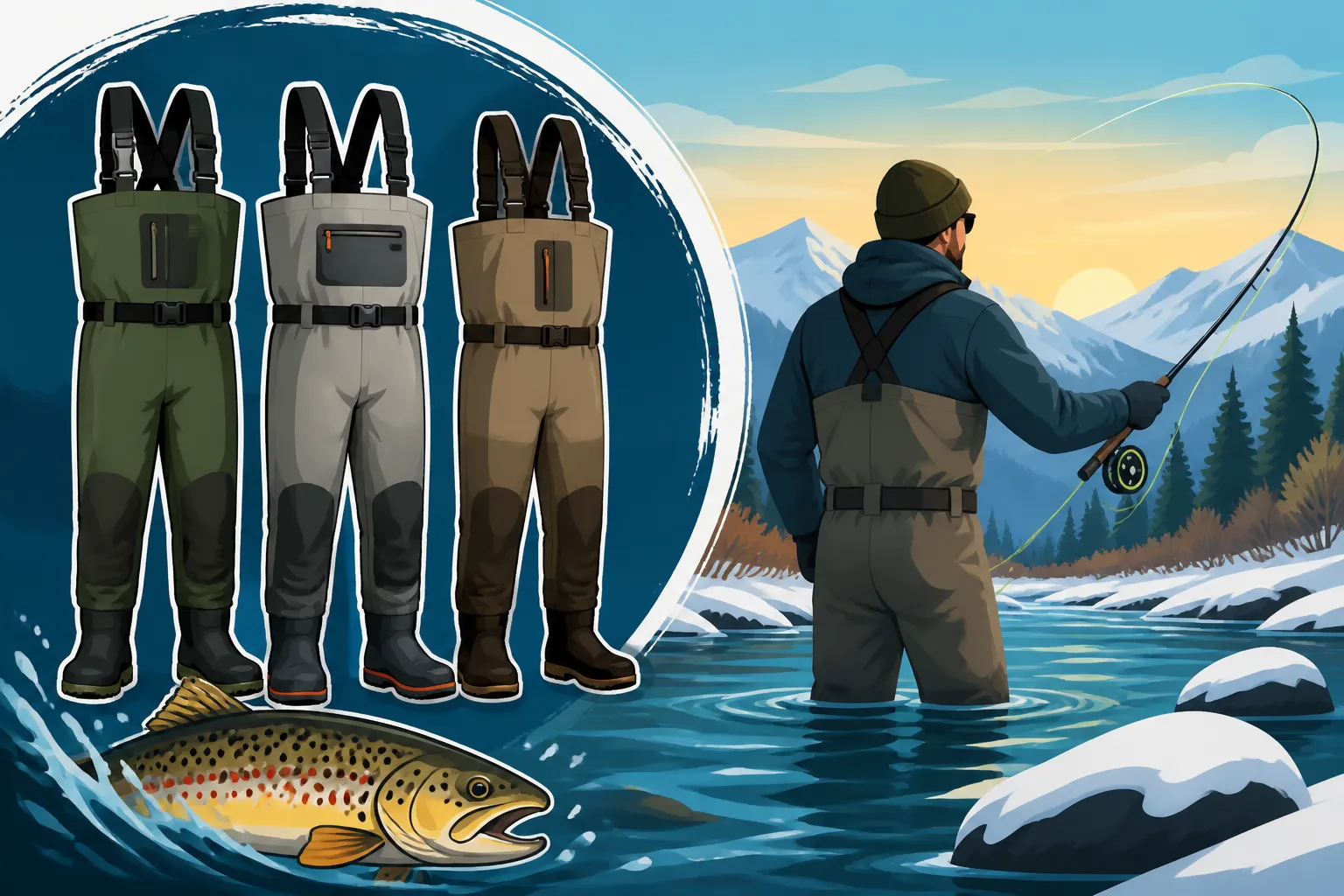
This is a fundamental choice. Bootfoot waders have integrated boots, meaning you just step into them, pull them up, and you're ready to go. They're convenient for quick on-and-off, and the integrated boots often have good insulation, which is a major advantage for cold feet. However, they can be bulkier for packing and the fit of the boot might not be as precise as a separate wading boot, potentially leading to less ankle support.
Stockingfoot waders, on the other hand, have neoprene "socks" at the bottom, and you wear separate wading boots over them. This setup allows for a more customized fit in your boots, often providing superior ankle support and better grip on slippery terrain. You can choose wading boots specifically designed for Best Wading Boots for Rocky Streams. The downside is the added cost of separate boots and the extra step of putting them on. For serious trout anglers who spend a lot of time walking and wading, stockingfoot waders paired with quality boots usually offer the best combination of comfort, support, and traction.
| Feature Type | Bootfoot Waders | Stockingfoot Waders |
|---|---|---|
| Convenience | Quick on/off, no separate boots | Requires separate wading boots, more steps |
| Warmth | Often insulated boots, good for cold feet | Depends on separate boot insulation and sock layering |
| Fit/Support | Boot fit can be less precise, less ankle support | Customizable boot fit, superior ankle support |
| Durability | Boots can be hard to replace if damaged | Wading boots are replaceable |
| Mobility/Weight | Can be bulkier and heavier | Lighter, more flexible for extensive walking |
| Cost | Potentially lower initial cost (boots included) | Higher initial cost (waders + separate boots) |
| Traction | Depends on integrated sole type, sometimes less grip | Can choose specialized wading boots for best traction |
Choosing the Right Wader Material and Construction
The material your waders are made from profoundly impacts their performance in cold water. It's a balance of warmth, breathability, durability, and cost.
Neoprene Waders: The Classic Cold Water Choice
For many years, neoprene waders were the undisputed champions for cold water. They offer excellent insulation, directly keeping your body heat in. The thickness of neoprene is measured in millimeters (mm), and for truly cold Vermont fishing, you'd typically look at 3mm to 5mm options. A 5mm neoprene wader provides substantial warmth and is great for standing for long periods in frigid water or for ice fishing applications.
However, neoprene isn't breathable. This means that while it keeps cold water out, it also keeps sweat in. If you're hiking a long way to a remote stretch of the Battenkill or the Otter Creek, you might arrive at the river a sweaty, clammy mess. This dampness can then make you feel colder once you're standing in the water. For stationary fishing or very short walks, neoprene is fantastic. But for active wading and covering ground, its lack of breathability can be a significant drawback. They tend to be more affordable than high-end breathable options and can be a great entry point for anglers primarily concerned with warmth on a budget.
Breathable Waders: Versatility for Varying Conditions
Modern breathable waders, made from multi-layer fabrics like Gore-Tex, Toray, or various proprietary nylons, have become incredibly popular, even for cold water. The magic lies in their ability to let water vapor (sweat) escape while completely blocking liquid water from entering. This keeps your internal layers dry, which is paramount for warmth. When your base layers stay dry, they retain their insulating properties much better than when they're damp with sweat.
For cold water fishing in Vermont, you'll pair these breathable waders with appropriate layering underneath. Think fleece pants, thermal leggings, and even heavier wool socks. This system allows you to adapt to different temperatures by adding or removing layers. For instance, on a mild early spring day, you might wear lighter thermals, but as the day progresses or you move to shadier, colder spots, you can layer up. The trade-off is often a higher price point for quality breathable waders, but the versatility and comfort for active anglers, perhaps those practicing How to Euro Nymph a Mountain Freestone Stream, often justify the investment. Brands available on Amazon or at Bass Pro Shops offer a wide range of breathable options from entry-level to high-end.
Hybrid Designs and Special Features
Some waders now offer hybrid designs, perhaps a neoprene lower section for maximum warmth where you're deepest in the water, combined with a breathable upper for comfort and ventilation. These can be a fantastic compromise for Vermont's variable conditions.
Beyond material, consider features like hand-warmer pockets – essential for those numb fingers on a blustery day. A waterproof internal pocket for your phone or car keys is also invaluable. Some waders include external pockets for fly boxes or tippet, or integrated accessory attachment points. A wading belt is non-negotiable for safety; it prevents water from rushing into your waders if you take a tumble and helps distribute the weight of the waders more evenly. Look for wide, comfortable suspenders that won't dig into your shoulders during a long day on the water.
Fit, Comfort, and Layering for Maximum Warmth
Getting the right fit for your cold water chest waders isn't just about comfort; it's absolutely crucial for warmth, mobility, and safety. A wader that's too tight will restrict movement and compress your insulating layers, reducing their effectiveness. One that's too loose will bag up, cause chafing, and be cumbersome.
Sizing Considerations for Layering
When trying on waders, remember you won't be wearing just your underwear underneath. You'll likely have thermal leggings, fleece pants, and thick socks. Always try waders on with the layers you expect to wear during your coldest fishing trips. This ensures you have enough room to move freely without feeling constricted. You should be able to comfortably squat, raise your knees to your chest, and take long strides without feeling any pull or tightness in the crotch or knees.
Pay particular attention to the boot size if you're going with bootfoot waders. Again, factor in thick wool or neoprene socks. For stockingfoot waders, the neoprene sock needs to fit snugly but not tightly, and your wading boots should accommodate the sock plus your thickest fishing socks without being too tight, which can cut off circulation and lead to cold feet. Remember, good circulation is vital for keeping your extremities warm.
The Art of Layering for Cold Water Success
Layering is the unsung hero of cold water fishing, especially when using breathable waders. It allows you to create an adaptable insulation system that traps warmth while managing moisture.
- Base Layer: Start with moisture-wicking synthetic or merino wool thermal underwear. This layer pulls sweat away from your skin, keeping you dry. Avoid cotton at all costs, as it retains moisture and will make you cold.
- Mid-Layer: This is your primary insulating layer. Fleece pants, wool blend hiking pants, or even specialized wading pants are excellent choices. On truly frigid days, you might even double up on mid-layers, using a thinner fleece under a heavier pair of wading pants.
- Socks: Two pairs of socks are often ideal: a thin, moisture-wicking liner sock underneath a thicker, insulated wool or synthetic sock. Again, no cotton. This layering helps prevent blisters and provides extra warmth.
The idea is to have enough room in your waders for these layers to loft, as trapped air is what provides insulation. However, you don't want so much room that the waders are sloppy or cause excessive friction. A good fit through the legs and torso, with just enough room for your cold-weather layers, is the sweet spot. When you're fishing a storied river like the Battenkill or even targeting Vermont Trophy Trout Program Waters in the colder months, proper layering beneath your waders makes all the difference for enduring long hours on the water.
Essential Accessories for Enhanced Comfort
Beyond the waders themselves, a few accessories can significantly boost your comfort in cold water. A quality wading jacket, preferably waterproof and breathable, is essential to pair with your chest waders. It keeps the upper half of your body warm and dry and completes your protective shell against the elements. A warm hat, gloves, and a neck gaiter are also vital to prevent heat loss, as a significant amount of body heat escapes from your head and neck. Even on a seemingly mild day, a cold breeze can quickly chill you if these areas are exposed. Investing in high-quality gear for Best Gear for Vermont Trout Fishing pays dividends in comfort and enjoyment. Best Tackle for Vermont Trout Fishing also often includes items like hand warmers, which can be slipped into your wader pockets for instant relief.
By carefully considering the specific demands of cold water trout fishing in Vermont, evaluating essential wader features, understanding material choices, and mastering the art of layering, you'll be well on your way to enjoying comfortable and productive days on the water, no matter how low the mercury drops.
Disclaimer
This article is for general informational purposes only and does not constitute professional advice. Laws, prices and regulations vary by location and change over time. Consult a qualified professional for guidance on your specific situation.