Best Landing Net for Muskellunge
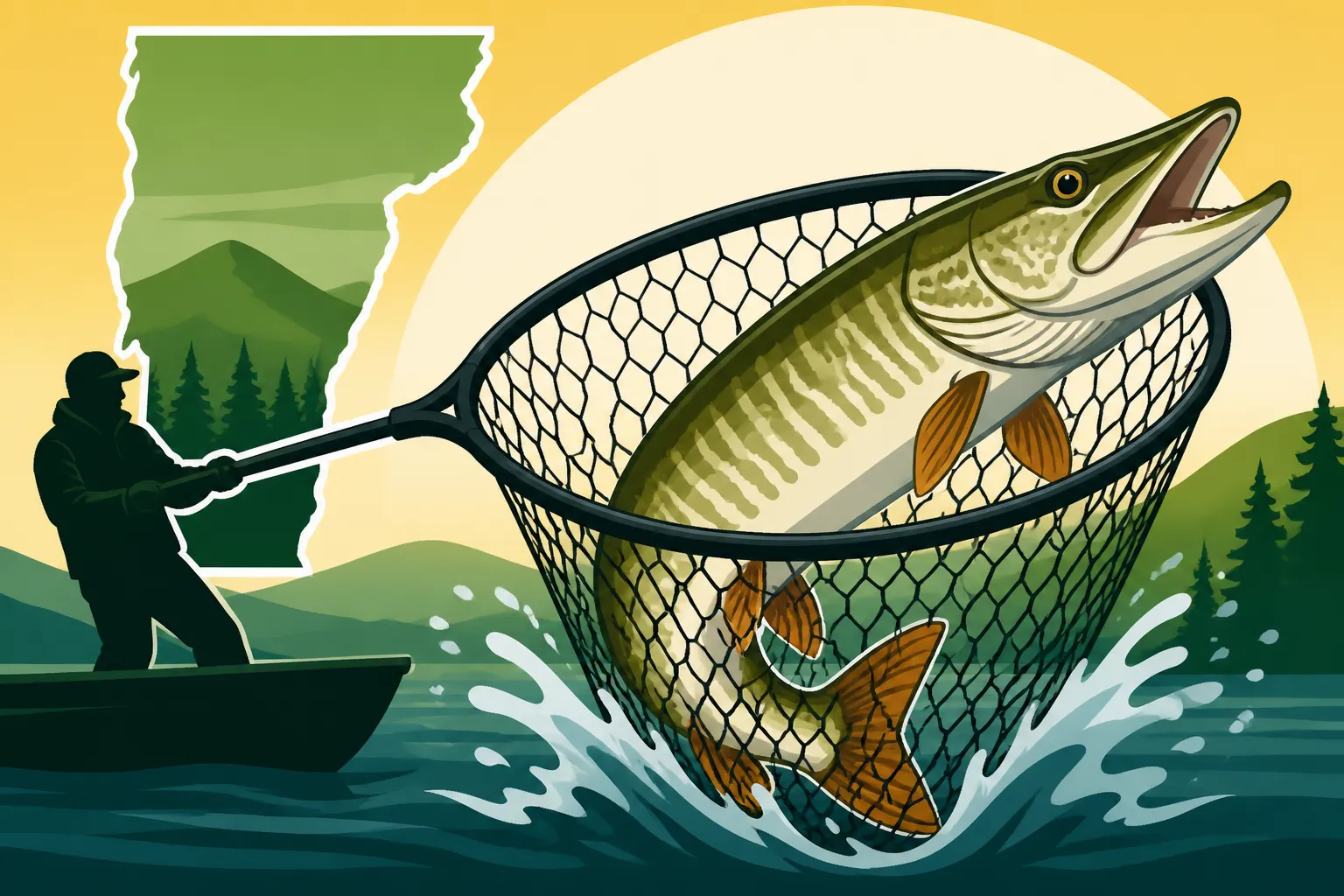
There's nothing quite like the heart-stopping moment a monstrous shadow emerges from the depths, chasing your lure right to the boat, only to reveal itself as a colossal muskellunge. That sheer power, the raw, untamed energy – it's what draws so many of us to pursue these apex predators. But when you finally get one of these toothy titans boat-side or bank-side, a common fear grips many anglers: "How in the world am I going to land this fish safely, both for me and for it?" This guide is all about tackling that very challenge, breaking down exactly what makes an exceptional landing net for muskellunge, and how to choose one that will stand up to the fight in Vermont's waters.
Why a Specialized Muskie Net is Non-Negotiable
Trying to land a big muskie with a net designed for bass or trout is like bringing a butter knife to a sword fight – it’s just not going to cut it, and someone's going to get hurt. Muskellunge are in a league of their own when it comes to size, strength, and their formidable dental work. A specialized net isn't just a convenience; it's an essential piece of equipment for ethical angling and angler safety.
Safety for the Angler
Imagine a thrashing, agitated muskie, weighing 20, 30, or even 40 pounds, with a mouth full of razor-sharp teeth and a lure with multiple treble hooks, all within inches of your hands and face. It's a recipe for disaster if you're not properly equipped. A large, well-designed muskie net acts as a critical buffer, allowing you to contain the fish quickly and safely. The wide hoop and deep bag prevent the fish from flopping out unexpectedly, which could send hooks flying or put your fingers too close to those teeth. This immediate containment means you can then methodically work to unhook the fish, measure it, and get it back into the water with minimal fuss and maximum safety for yourself.
Trying to handle a muskie without a proper net often leads to precarious situations. Anglers might try to grab the fish by hand, leading to deep cuts, punctures from hooks, or even broken bones from a powerful tail whip. A quality muskie net keeps the fish securely subdued, giving you the upper hand and protecting you from a potentially painful and dangerous encounter.
Safety for the Fish
Muskellunge are true trophies, often taking many years to reach their impressive size. Many anglers, especially those targeting giants in waters like Lake Memphremagog or even Lake Champlain, practice catch and release to preserve these magnificent fisheries. The right net is paramount for ensuring a healthy release. Standard nets with thin, knotted nylon mesh can strip off the fish's protective slime coat, damage fins, and even injure eyes. The knots themselves can rub and cause abrasions, making the fish susceptible to infection once back in the water.
A specialized muskie net, however, features large, knotless, rubberized or coated mesh. This material is far gentler on the fish's delicate skin and fins. The larger mesh size also prevents fins from getting caught and bent at awkward angles, which can cause long-term damage. The deep bag allows the entire fish to be cradled comfortably, reducing stress and physical harm during the brief time it's out of the water. This careful handling drastically improves the fish's chances of survival and successful recovery after release. When you're pursuing a species that can live for decades, every effort to ensure its well-being matters.
The Sheer Size and Power of Muskellunge
Let's face it: muskie are big. They're built for speed and power, with broad tails and muscular bodies that can explode with energy, even when seemingly subdued. A "small" muskie might still be 30 inches long, while a true trophy can push past 50 inches and weigh upwards of 40 pounds. Imagine trying to scoop something that large and powerful into a typical bass net. It’s simply inadequate. The fish will either be too long for the hoop, too heavy for the handle, or too energetic for the shallow bag.
Their immense power means they'll fight hard right up until the last second, making boat-side chaos a real possibility. A net designed for these giants accounts for this. It needs a wide, robust hoop that can encompass the entire fish in one swift motion, and a handle strong enough to withstand the weight and thrashing of a massive predator. Without these features, you risk losing your trophy right at the boat, potentially damaging your gear, or, worse, injuring yourself or the fish. Having the proper equipment, like a strong Best Net for Landing a Big Muskellunge from a Boat, makes all the difference in turning a chaotic moment into a controlled, successful landing.
Key Features of a Great Muskie Net
When you're out chasing muskellunge in Vermont, whether it's on the deeper sections of Lake Champlain or in the legendary waters of Lake Memphremagog, you need a net that's up to the task. It's not just about size; it's about the right combination of design elements that make a muskie net truly effective and reliable.
Hoop Size and Shape
The hoop is the business end of your net, and for muskies, bigger truly is better. We're talking about hoop dimensions that are substantially larger than what you'd use for any other freshwater fish. A typical muskie net will feature a hoop that is at least 30 inches wide, often closer to 36 inches or even 40 inches in its longest dimension. This generous size ensures that you can scoop the entire fish in one smooth motion, minimizing the chance of it slipping out or getting tangled around the edges.
Beyond just the width, consider the shape. Many muskie nets have an elongated, somewhat rectangular or D-shaped hoop. This shape is often preferred because it accommodates the long, cylindrical body of a muskie better than a round hoop might. A flat-bottomed hoop is also a significant advantage. It allows the fish to lie naturally and stably once netted, reducing stress and preventing it from rolling or thrashing excessively within the net. This flat base makes it much easier to manage the fish for unhooking and measuring.
Handle Length and Strength
A muskie net's handle is its backbone, and it needs to be incredibly robust. Imagine trying to lift a 40-pound muskie from the water with a flimsy handle – it would snap like a twig. Muskie net handles are typically made from heavy-gauge aluminum or strong composite materials, designed to withstand immense leverage and weight.
Length is also critical. Many muskie nets feature telescoping handles, allowing you to adjust the length from a compact boat-side reach to an extended length for reaching fish further from the boat or when wading from shore. A handle that extends to 6, 8, or even 10 feet can be invaluable, especially when trying to reach a fish that's been brought close to the boat after a long fight, or when you're working with a fishing partner. The locking mechanisms on telescoping handles should be secure and easy to operate, even with wet hands or gloves. You don't want the handle to collapse mid-scoop! Strong, slip-resistant grips are another small but important detail that makes a big difference when handling a heavy, wet net.
Netting Material and Depth
The actual netting material is arguably the most crucial feature for fish welfare. As mentioned before, standard knotted nylon mesh is a definite no-go. For muskies, you want knotless, rubberized, or coated mesh.
Rubberized mesh is generally considered the gold standard. It’s incredibly gentle on the fish's slime coat, minimizes fin damage, and drastically reduces the likelihood of hooks snagging in the mesh. Imagine trying to untangle a treble hook from fine nylon mesh while a muskie is in the net – it’s a nightmare. Rubberized mesh makes hook removal much quicker and safer for both you and the fish.
The depth of the net bag is equally important. A muskie net needs to have a deep bag – think 36 inches or more. This depth allows the entire fish, even a massive one, to be fully submerged or cradled within the net. A shallow net allows too much of the fish to hang out, increasing stress and the chance of injury or escape. A deep bag means the fish is contained and calmer, making the unhooking process much more manageable. When you're considering Best Tackle for Vermont Smallmouth Bass, you're looking for different features, but for muskie, size and material are king.
Comparing Net Styles and Construction
Choosing the right muskie net means understanding the different styles and construction materials available. Each option has its own set of pros and cons, and the best choice for you often depends on your specific fishing style and where you plan to target these incredible fish in Vermont.
Fixed vs. Telescoping Handles
The handle is more than just something to hold onto; it dictates how versatile your net can be.
Fixed Handles: These nets have a handle that is a single, non-adjustable length.
- Pros: Generally more rigid and durable, as there are no moving parts or locking mechanisms to fail. They tend to be lighter for their strength and are often preferred by anglers who fish from larger boats where space isn't as much of a concern. The consistent length means predictable reach every time.
- Cons: Less versatile. A long fixed handle can be cumbersome in smaller boats or when moving through tight spots, while a short fixed handle might not offer enough reach in certain situations, like when a fish is just out of arm's reach while you're standing on a high boat deck. They can also be harder to store.
Telescoping Handles: These handles extend and retract, allowing for adjustable length.
- Pros: Incredible versatility. You can shorten the handle for easy storage or close-quarters netting, and extend it for maximum reach, whether you're netting a fish from a high-sided boat or trying to reach over a wide gunwale. This adjustability is a huge advantage for many anglers, especially those who fish from different platforms or frequently change fishing partners with varying reaches. They also compact nicely for transport.
- Cons: The locking mechanisms, while usually robust on quality muskie nets, are potential points of failure. They can sometimes stick with dirt or corrosion, or even loosen over time. Telescoping handles can also feel slightly less rigid than fixed handles when fully extended under heavy load.
Regardless of your choice, ensure the locking mechanism (for telescoping) is sturdy. Best Fishing Rods for Vermont Lakes might come with different handle types too, but for a net, it’s about control and strength.
Aluminum vs. Composite Frames
The frame of the net, which forms the hoop, also comes in different materials, primarily aluminum or various composites.
Aluminum Frames: Most common for muskie nets.
- Pros: Very strong and durable, capable of handling the weight and abuse that comes with landing large, powerful fish. Aluminum is relatively lightweight for its strength, and it resists corrosion well, which is important for gear used in wet environments. It's also typically more affordable than high-end composite options.
- Cons: While durable, aluminum can bend or deform under extreme stress if not properly cared for. Dents and dings are possible, though they rarely compromise the net's function if minor.
Composite Frames: Made from materials like fiberglass, carbon fiber, or reinforced plastics.
- Pros: Often lighter than aluminum, which can reduce angler fatigue during extended netting sessions or when handling a large fish. Composites can also be incredibly strong and offer a degree of flexibility that might absorb some shock better than rigid aluminum. They are excellent for resisting corrosion and often boast a sleek, modern aesthetic.
- Cons: Generally more expensive than aluminum. While strong, some composites can be more brittle than aluminum under certain types of impact, potentially leading to cracks or breaks if subjected to harsh abuse. However, modern composites are extremely well-engineered for durability.
When deciding, consider how often you fish, the size of fish you expect to encounter, and your budget. Both materials can provide excellent performance, but composites often offer a premium experience at a higher price point.
Rubberized vs. Coated Mesh
The type of mesh used in the net bag is a critical consideration for both fish health and ease of use.
Rubberized Mesh: This is often the preferred choice for muskie anglers.
- Pros: Extremely gentle on fish. The smooth, soft rubber does not abrade the fish's slime coat or damage fins, making it ideal for catch-and-release. Hooks rarely snag in rubberized mesh, which means quicker unhooking and less stress on the fish. It's also easy to clean and doesn't absorb odors.
- Cons: Can be heavier and create more drag in the water than coated nylon. High-quality rubberized mesh nets can also be more expensive.
Coated Mesh: Typically a nylon or polyester mesh that has been coated with a protective layer (often PVC or a similar polymer).
- Pros: Offers a good compromise between traditional nylon and full rubber. The coating helps reduce hook snags and is gentler on fish than uncoated, knotted nylon. It's generally lighter and less expensive than fully rubberized mesh. It still offers good durability.
- Cons: While better than plain nylon, it may not be quite as gentle on the fish's slime coat as pure rubberized mesh. Hooks can still occasionally snag, though much less frequently than with knotted mesh.
For muskie fishing, rubberized or thickly coated, knotless mesh is essential. The health of these magnificent fish depends on it. When comparing options, look for specifications that explicitly state "knotless," "rubberized," or "fish-friendly coated mesh." You'll find a wide selection of these specialized nets at retailers like Bass Pro Shops and online through Amazon, allowing you to compare materials and features to find the best fit for your needs.
Proper Netting and Handling Techniques for Muskellunge
Landing a muskie isn't just about having the right net; it's also about knowing how to use it effectively and handle the fish respectfully. Even the best equipment can't compensate for poor technique. These practices ensure the safety of both the angler and the fish.
Bringing the Fish to the Net
This is a critical moment where teamwork (if you have a partner) and precision are key. Once you've hooked a muskie, the goal isn't just to get it to the boat; it's to guide it to a position where it can be netted cleanly and efficiently. The angler playing the fish should try to lead the muskie to the side of the boat where the netter is ready. Avoid dragging the fish head-first over the gunwale or trying to net a green (unspent) fish that's still thrashing wildly. A muskie still full of fight is a danger to everyone.
The netter should submerge the net before the fish arrives, keeping it still and ready. The angler should then guide the fish, ideally head-first, into the net. Once the fish's head and a significant portion of its body are inside the hoop, the netter can quickly and decisively scoop, lifting the net bag to fully contain the fish. The goal is one smooth, swift motion. Avoid multiple attempts, as this only agitates the fish further and increases the risk of it escaping or getting injured. Communication between the angler and netter is paramount. "Head first!", "Net ready!", "Scoop!" – these simple commands can make all the difference. Remember, the stronger the net, like a good Best Landing Net for Muskellunge, the more confidence you'll have in this crucial step.
Minimizing Time Out of Water
Muskellunge, like all fish, are under significant stress when removed from their aquatic environment. Their gills are designed to function in water, and exposure to air can cause damage, especially in warmer conditions. The key to a successful catch-and-release is to minimize the fish's time out of the water. This means having all your tools ready before the fish is landed.
Once the muskie is in the net, keep the net in the water, or at least partially submerged, as much as possible. This helps keep the fish calm and hydrated. If you need to bring the net into the boat, place it immediately on a soft, wet surface, such as a large measuring board or a wet mat. Have your hook removers (long-nosed pliers or jaw spreaders), measuring tape, and camera ready. Get your measurements and photos quickly, ethically, and efficiently. Aim for just a few seconds of air exposure for photos, keeping the fish horizontal and supported at all times. Avoid holding the fish vertically by the jaw or gill plate, as this can severely damage its internal organs. For deeper dives into muskie habits, check out Muskellunge Habits on Lake Memphremagog.
Handling in the Net
With the muskie securely in the net, you can begin the unhooking and measuring process. This is where the deep, rubberized net bag truly shines. The fish will be calmer in the dark, contained space of the net.
First, locate the hooks. Use long-nosed pliers or a sturdy hook remover to carefully extract the hooks. If the hooks are deeply embedded or there are multiple hooks, consider using jaw spreaders to safely access the mouth. Never put your bare hands inside a muskie's mouth. If a hook is difficult to remove, it's better to cut the hook with bolt cutters than to cause excessive damage to the fish by tearing or pulling.
For measuring, a bump board is ideal. If you're using a tape measure, lay it carefully along the fish's body while it's still in the net or briefly laid on a wet surface. Get your length and girth (if desired) quickly. Once measured and unhooked, gently guide the net back into the water, allowing the fish to swim off on its own power. If it needs a moment to recover, hold it upright in the water by its tail and gently move it back and forth to force water over its gills until it's ready to swim away strongly. Remember, a vigorous kick of the tail is your cue that the release was successful.
Where to Find and What to Look For
Finding the perfect muskie net can feel like a quest, especially with so many options out there. It's an investment in your fishing experience and the health of the fish, so it's worth taking your time to find the right one.
Online Retailers and Specialty Shops
The good news is that specialized muskie nets are widely available, both online and in physical stores that cater to serious anglers.
Online Retailers: Websites like Amazon and specialized fishing gear sites offer a vast selection. Shopping online allows you to compare features, read reviews from other muskie anglers, and often find competitive prices. You can sort by brand, material, hoop size, and handle type. This is particularly useful for researching specific models and ensuring you're getting the exact specifications you need. Just be sure to check the shipping dimensions, as these nets can be quite large!
Specialty Fishing Shops: Stores like Bass Pro Shops are fantastic resources. Not only do they often stock a good range of muskie nets, but you can also physically handle them. Feeling the weight, testing the telescoping mechanism, and examining the mesh in person can make a huge difference in your decision. The staff at these larger stores are often avid anglers themselves and can provide invaluable advice based on their own experiences, perhaps even recommending specific models that perform well in local Vermont waters. Local tackle shops, while they might have a smaller inventory, can also be excellent resources for highly specific, regional advice. You might even find custom net makers who can create something perfectly suited to your needs.
Budgeting for Your Muskie Net
Let's be real: a high-quality muskie net isn't going to be the cheapest item in your tackle box. These are heavy-duty, purpose-built tools, and their price reflects their robust construction and specialized materials. Expect to invest a decent amount, but consider it an investment in safety and sustainability.
Prices for muskie nets can vary widely, but generally, you'll find quality options starting in the middle three figures and going up from there for premium models with advanced features or exotic materials. When budgeting, think about the long-term value. A cheap, flimsy net might save you a few bucks upfront, but it's more likely to fail when you need it most, potentially costing you a trophy fish or, worse, leading to injury. A well-built net, properly cared for, can last for many seasons. Compare this to other essential gear, like your Best Fishing Rods for Vermont Lakes, where quality also comes at a price. Don't skimp on a muskie net; it's too important.
Maintenance and Care
Like any piece of fishing gear, your muskie net will last longer and perform better with proper care. These nets are built tough, but they're not indestructible.
Rinsing: After every use, especially in lake or brackish water, rinse your net thoroughly with fresh water. This removes any fish slime, dirt, weeds, and prevents corrosion on metal parts, especially the telescoping mechanisms.
Drying: Allow the net to air dry completely before storing it. Storing a wet net can lead to mildew, odors, and can weaken some mesh materials over time.
Inspection: Regularly inspect the hoop, handle, and mesh for any signs of damage. Check for bends in the frame, cracks in the handle, or tears in the mesh. Address any issues promptly. Small tears can be patched, but significant damage might require replacement.
Lubrication: If your net has a telescoping handle, occasionally apply a small amount of silicone lubricant to the moving parts to ensure smooth operation.
Storage: Store your net in a clean, dry place, ideally hanging it up or laying it flat to prevent any warping or damage to the hoop. Avoid leaving it exposed to harsh sunlight for extended periods, as UV rays can degrade some materials over time.
A well-maintained muskie net will be a reliable partner in your pursuit of Vermont's largest freshwater game fish, ensuring that every monumental catch is handled with the care and respect these magnificent creatures deserve.
Essential Muskie Net Features Comparison
To help summarize what we've discussed, here's a quick comparison of the essential features to look for when choosing your next muskie net.
| Feature | Ideal for Muskie | Why It Matters | Avoid If Possible |
|---|---|---|---|
| Hoop Size | 30+ inches, often 36-40 inches wide | Encompasses entire large fish for quick, safe netting | Small hoops (bass/trout nets) |
| Hoop Shape | Elongated, D-shape, with a flat bottom | Better accommodates long muskie body, reduces rolling | Round, shallow hoops |
| Handle Type | Telescoping (6-10 ft) or strong fixed | Versatility, reach, durability for heavy loads | Flimsy, short fixed handles |
| Frame Material | Heavy-gauge Aluminum or durable Composite | Withstands weight and thrashing, corrosion-resistant | Thin, easily bent metal or plastic |
| Mesh Material | Knotless, rubberized, or heavy-coated mesh | Gentle on fish slime, prevents fin damage, reduces hook snags | Knotted nylon mesh (abrasive, hooks snag easily) |
| Mesh Depth | Deep (36+ inches) | Fully cradles fish, reduces stress, prevents escape | Shallow nets (fish hangs out, more agitated) |
| Grip | Non-slip, ergonomic | Secure handling, especially when wet or cold | Smooth, hard plastic grips |
Choosing the right net is a commitment to responsible angling, protecting yourself and these incredible fish for future generations. Whether you're targeting a trophy on Lake Champlain or exploring new waters, having the best gear ensures you're ready for whatever Vermont's wild places throw your way. Remember to also brush up on Vermont Muskellunge Regulations on Lake Memphremagog to ensure you're always fishing legally and ethically.
Disclaimer
This article is for general informational purposes only and does not constitute professional advice. Laws, prices and regulations vary by location and change over time. Consult a qualified professional for guidance on your specific situation.