Best Kayaks for Vermont Fishing
Oh, the dream of gliding silently across a glassy Vermont lake at dawn, or navigating a winding river bend, rod in hand, searching for that elusive trout or feisty smallmouth bass! Kayak fishing in Vermont is an experience unlike any other, offering unparalleled access to stunning waters and hidden honey holes. But let's be real, choosing the right kayak for our incredibly diverse Vermont waters can feel like a quest in itself, leaving many anglers overwhelmed by options. This comprehensive guide is here to cut through the confusion, helping you understand the different types of fishing kayaks and what features truly matter for your angling adventures across the Green Mountain State.
Why Kayak Fishing in Vermont is Special and Challenging
Vermont isn't just a pretty face; it's a state with an incredible variety of fishing environments, each demanding something a little different from your gear. From the vast, sometimes unruly waters of Lake Champlain to the tranquil, high-elevation mountain ponds, and the swift, rocky rivers, a kayak has to be versatile. This unique landscape is what makes choosing the right vessel so crucial, and honestly, a bit intimidating for many folks just starting out or looking to upgrade.
The Diversity of Vermont's Waters
When we talk about Vermont fishing, we're really talking about a spectrum of experiences. You've got the grand dame, Lake Champlain, which can feel like an inland ocean on a windy day, complete with waves that will make you rethink your life choices if you're in the wrong boat. Then there are our countless smaller lakes and ponds, like Lake Bomoseen or Waterbury Reservoir, which offer more sheltered paddling but still demand a stable platform for casting and battling fish. And let's not forget the miles of rivers and streams, from the broad Winooski to the legendary Battenkill, where current, submerged rocks, and tight casting quarters become the main challenges.
Imagine trying to navigate the choppy waters of Lake Champlain on a breezy afternoon in a short, wide pond kayak. It would be a struggle, to say the least, and potentially unsafe. Conversely, trying to sneak into a remote, shallow beaver pond with a massive, heavy pedal-drive boat designed for big water isn't practical. This incredible diversity means that while there's no single "perfect" kayak for all of Vermont, there's definitely a perfect kayak for your preferred style of fishing and the waters you intend to frequent most often. Thinking about where you'll spend 80% of your time on the water is a great starting point for making your selection.
Unique Considerations for Vermont Anglers
Beyond the sheer variety of water bodies, Vermont throws a few other curveballs that kayak anglers need to consider. Our weather can change on a dime, especially in the mountains. A sunny morning can quickly turn into a gusty, rainy afternoon. This means your kayak should ideally offer some protection or at least be stable enough to handle sudden shifts in wind and chop. Cold water fishing is also a significant part of the Vermont angling calendar, whether it's early spring trout fishing or Vermont Ice Fishing Season Dates. Kayaks that keep you drier or offer more room for layers are a huge plus.
Access is another big one. Many of Vermont's most pristine fishing spots, particularly mountain ponds or smaller river stretches, involve portaging or launching from less-than-ideal spots. A heavy, cumbersome kayak will quickly become a deterrent to reaching these untouched areas. You might be dragging it through a field, sliding it down a bank, or even carrying it a short distance. This brings the weight and overall portability of your kayak into sharp focus. Finally, remember that Vermont has its own boating laws, including Life Jacket Requirements for Vermont Boaters, so ensuring your kayak is compliant and safe is paramount. The last thing you want is a day on the water ruined by a forgotten safety item or an unstable boat.
Key Features to Look for in a Vermont Fishing Kayak
When you start browsing kayaks, you'll quickly realize there's a dazzling array of features, shapes, and sizes. It's easy to get lost in the jargon. For Vermont anglers, it really boils down to a few core attributes that will make or break your experience on the water. These are the aspects you should scrutinize first, long before you start dreaming about fancy electronics or custom rod holders.
Stability vs. Speed: The Eternal Compromise for Anglers
This is probably the biggest trade-off you'll face. Do you want to stand up and cast confidently, or do you want to zip across the lake to hit multiple spots quickly? A wider, flatter hull generally means more initial stability (how stable it feels when you first get in) and secondary stability (how stable it feels when you're leaning to the side). This is fantastic if you plan on standing, bringing a dog, or are just a bit wobbly yourself. Many anglers crave this stability, especially when battling a big Smallmouth Bass Fishing in Vermont or wrestling a walleye on Lake Champlain.
However, that extra width and flatter profile come at a cost: speed and tracking. A wider kayak takes more effort to paddle and doesn't glide through the water as efficiently. It can also be more susceptible to wind, getting pushed around rather than holding a straight line. Conversely, a narrower, longer kayak with a V-shaped hull will be faster and track straighter, making long paddles across Lake Champlain or navigating upstream on a river much less taxing. But you'll sacrifice a lot of stability, making standing risky or even impossible. Think about your primary fishing style: are you a stealthy sight-fisher who wants to stand and cast, or do you cover a lot of water and prefer to sit and troll? Your answer will guide you toward either a stable barge or a sleek paddler.
Storage and Rigging Options: Where to Put Your Gear
Fishing, as we all know, involves gear. Lots of it. Rods, tackle boxes, coolers, bait buckets, anchors, cameras, safety equipment – the list goes on. A good fishing kayak will have ample and well-thought-out storage. Look for features like spacious bow and stern hatches, a large tankwell (that open storage area usually at the stern, often bungee-corded), and readily accessible compartments. Many modern fishing kayaks also incorporate track systems, which are horizontal rails that allow you to easily mount accessories like rod holders, fish finders, and camera mounts without drilling holes.
Consider how you fish. If you carry multiple rods, you'll want flush-mount rod holders or a system to secure them during transport and paddling. If you use a cooler for drinks or to keep your catch fresh, ensure there's a dedicated space for it in the tankwell. Think about tackle management too. Some kayaks have built-in tackle box storage, while others rely on external crate systems. The ability to customize and rig your kayak to your exact specifications is a huge advantage, especially for serious anglers. This is where brands like Hobie, Old Town, and Native Watercraft really shine, offering systems that allow for endless personalization right out of the box, or at least a clean slate to add your own accessories. You can find many of these rigging accessories and mounting options on Amazon or at dedicated outdoor retailers like Bass Pro Shops.
Propulsion Methods: Paddle, Pedal, or Motor?
How do you want to move your kayak? This isn't just about personal preference; it fundamentally changes your fishing experience, especially on Vermont's diverse waters.
-
Paddle Kayaks: The traditional choice. They're typically lighter, simpler, and more affordable. You use a double-bladed paddle to propel yourself. This is great for fitness, getting into very shallow water, and for those who enjoy the quiet, rhythmic motion of paddling. However, it means your hands are often occupied, which can be frustrating when you're trying to cast, fight a fish, or adjust your lure. For smaller rivers and ponds, or when you need maximum stealth, a paddle kayak can be ideal. Think about floating down a gentle section of the Lamoille River or quietly approaching a beaver lodge on a remote pond.
-
Pedal-Drive Kayaks: These have exploded in popularity for a very good reason: they offer hands-free propulsion. Systems like Hobie's MirageDrive or Old Town's PDL Drive allow you to propel the kayak using your legs, similar to riding a bike. This frees up your hands for casting, reeling, eating a sandwich, or even just holding a coffee. It's a game-changer for trolling, maintaining position in current, or battling a fish without drifting. They are generally faster and more efficient over long distances than paddle kayaks. The downside? They're heavier, more expensive, and the drive unit can sometimes get snagged in very shallow or weedy water, or be an obstacle when launching from shore. For covering significant water on Lake Champlain or power-fishing for bass, a pedal-drive is incredibly effective. Best Pedal Kayak for Hands-Free Fishing is a topic many anglers explore as they advance.
-
Motorized Kayaks: Some kayaks are designed to accept a small electric trolling motor, either in the stern or as a dedicated bow-mounted unit. This provides the ultimate in hands-free propulsion and effortless movement, especially against strong winds or currents. Brands like Old Town have integrated motor options that are incredibly stealthy and effective. While a motor means you don't have to exert yourself, it adds weight, complexity (batteries!), and significantly increases the cost. There are also specific regulations for motorized vessels, even small ones, that you'll need to be aware of, including potential registration requirements in Vermont. For serious multi-species anglers who cover vast distances on big lakes, a motorized kayak offers incredible advantages.
Types of Fishing Kayaks Best Suited for Vermont
Now that we've covered the critical features, let's dive into the different categories of fishing kayaks you'll encounter and how they stack up for our Vermont angling scenarios. Each type has its own strengths and weaknesses, making it more or less suitable for specific waters and fishing styles.
Sit-on-Top Kayaks: Versatility for Lakes and Rivers
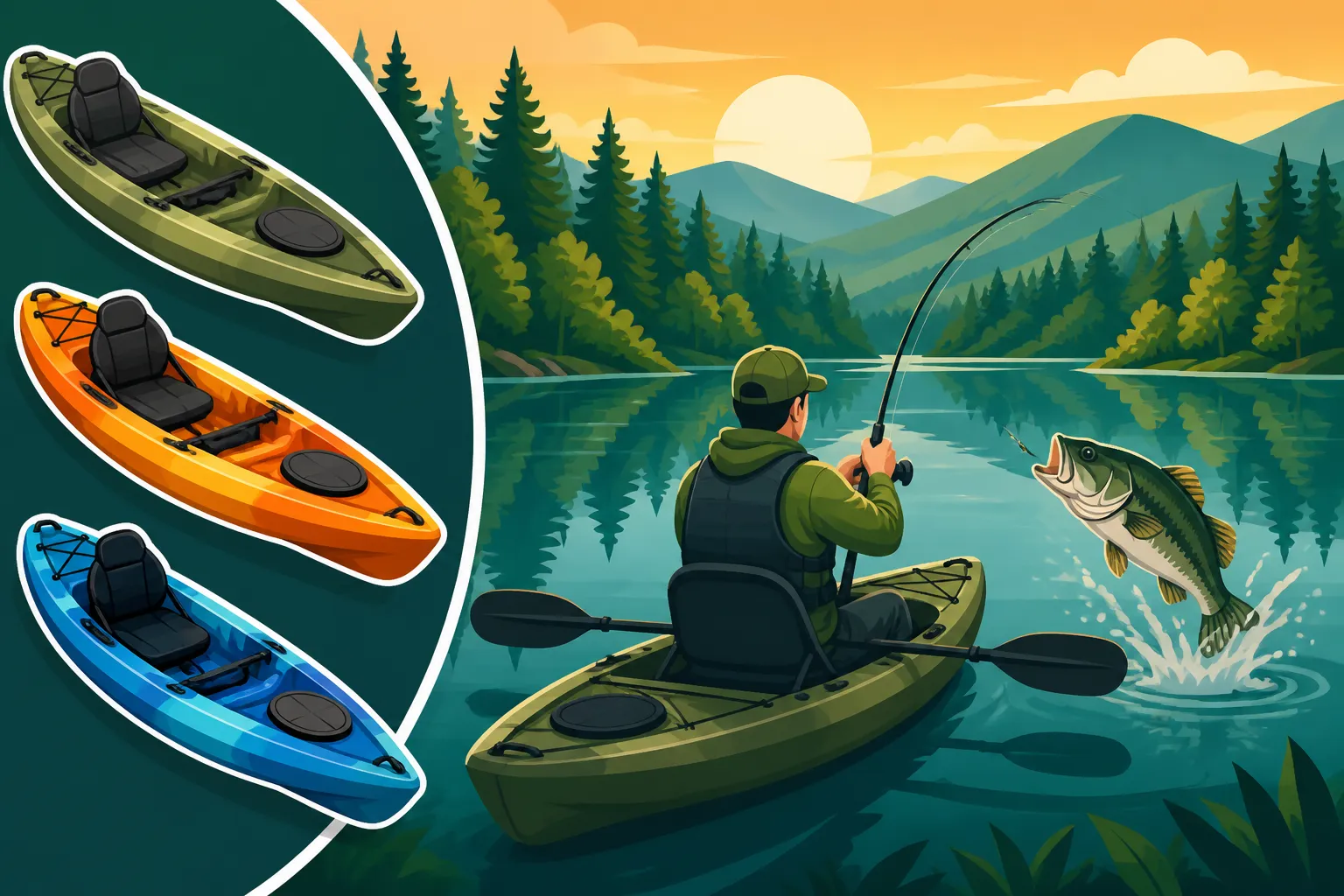
Sit-on-top (SOT) kayaks are, by far, the most popular choice for fishing, and for good reason. You literally sit on top of the kayak's deck, which is typically self-bailing (meaning water drains through scupper holes). This design offers several key advantages for Vermont anglers. Firstly, they are generally very stable. Their wider hulls and open decks make them excellent platforms for casting, moving around, and even standing in some models. This stability is a huge plus when you're on a breezy Lake Champlain or fighting a big fish.
Secondly, the open deck provides easy access to all your gear. No fumbling inside a cramped cockpit. You can rig them with crates, tackle boxes, and specialized gear right where you need it. Re-entry from the water (should you go for an unplanned swim) is also much easier with a SOT than a sit-inside. They are incredibly versatile, performing well on everything from calm ponds to moderately choppy lakes and even slow-moving rivers. However, because you're exposed, you will get wet, especially on a windy day or when paddling vigorously. This can be a concern during colder spring and fall fishing outings in Vermont. They can also be heavier than comparable sit-inside models due to their wider, more robust construction. For the majority of Vermont anglers looking for a good all-around fishing platform, a SOT is often the best starting point.
Sit-Inside Kayaks: When to Consider a Traditional Hull
While less common for dedicated fishing, sit-inside kayaks (SIK) still have a place in the Vermont angling world. These are your more traditional kayaks, where you sit inside a cockpit, with your legs covered by the deck. Their primary advantage is protection from the elements. You'll stay much drier and warmer in a sit-inside kayak, which can be a huge benefit during early spring trout fishing or late fall adventures. Their narrower, often longer hulls tend to be faster and track better, requiring less effort to cover distances. This makes them excellent for exploring linear features like river stretches or traversing long lake shorelines.
The downsides for fishing are significant, however. The cockpit restricts movement, making standing impossible and limiting casting angles. Storage is often confined to smaller hatches, making gear organization more challenging. Re-entry if you capsize can also be more difficult and requires practice. They are generally less stable than SOTs, which can be unnerving for new anglers or those who want to feel secure. Still, for the minimalist angler focused on speed, warmth, and quiet paddling on smaller, calmer waters or narrow trout streams, a well-chosen sit-inside kayak can be a stealthy and enjoyable option. Imagine paddling a remote mountain pond for Brook Trout: Vermont's Native Trout in a sleek, quiet sit-inside.
Inflatable Kayaks: Portability for Remote Spots
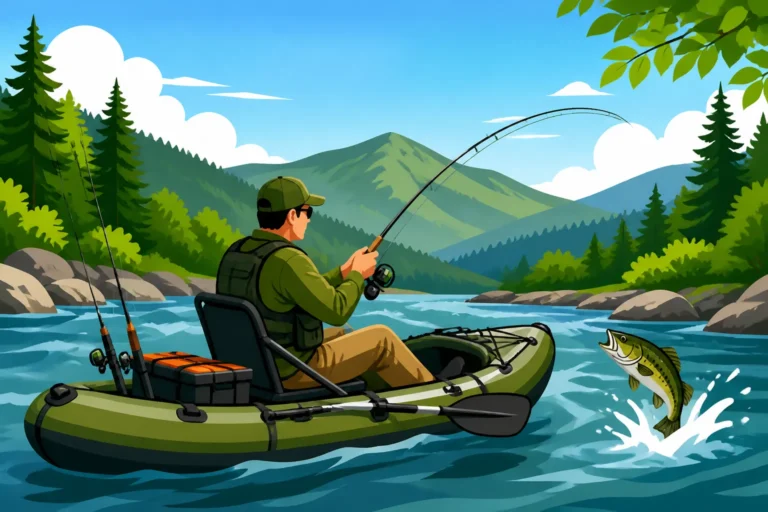
Inflatable kayaks (IKs) have come a long way from the flimsy pool toys of yesteryear. Modern fishing-specific inflatables, often made from durable PVC or Hypalon, are surprisingly robust, stable, and capable. Their number one selling point for Vermont anglers is portability. They pack down into a large bag, making them ideal for those with limited storage space, small vehicles, or who want to access remote, hike-in ponds or difficult-to-reach river sections. No roof rack needed – just toss it in the trunk! Inflation and setup typically take 10-20 minutes, which is a small price to pay for access to untouched waters.
While they offer excellent stability due to their wide, air-filled pontoons, they generally track less efficiently than hardshell kayaks and can be slower. They are also susceptible to punctures, though repair kits are usually included and patches are very effective. You'll also need a pump, which adds another piece of gear to carry. Brands like Sea Eagle offer dedicated fishing models with ample rigging options. For the adventurous Vermont angler who dreams of pristine, unpressured waters and values portability above all else, an inflatable kayak could be a fantastic solution. Consider one for exploring those obscure, smaller ponds in the Northeast Kingdom or accessing tricky stretches of the White River.
Pedal-Drive Kayaks: Hands-Free Fishing Advantages
We touched on propulsion earlier, but pedal-drive kayaks deserve their own category because they are a distinct class of fishing machine. These are almost always sit-on-top designs, specifically engineered around a pedal-drive system (like those from Hobie, Old Town, or Native Watercraft). The ability to use your legs to propel the kayak, leaving your hands free, revolutionizes how you fish. You can cast repeatedly, retrieve lures, manage your line, and even fight a fish, all while maintaining precise boat positioning. This is a massive advantage when trolling for Lake Trout Fishing in Vermont on Lake Champlain, holding position against a river current while jigging, or working a shoreline for Largemouth Bass Fishing in Vermont.
Pedal kayaks are generally built for stability and have excellent rigging options. They tend to be heavier and significantly more expensive than paddle kayaks. The pedal drive system also has a draft, meaning it requires a certain depth of water to operate, and can be fouled by thick weeds or shallow rocks. Some systems can be easily retracted, while others require more effort. Despite these drawbacks, for many serious Vermont anglers who spend long days on the water, especially on larger lakes or rivers where covering ground and precise boat control are paramount, the investment in a pedal-drive kayak is well worth it. They are truly the workhorses of the kayak fishing world.
Matching Your Kayak to Vermont's Diverse Fishing Scenarios
Choosing a kayak isn't just about picking a type; it's about matching that type to the specific waters you'll be frequenting most often. Vermont's fishing opportunities are vast, so let's break down what works best for different scenarios.
Lake Champlain and Large Lakes: What You Need for Big Water
Lake Champlain is a beast, in the best possible way. It's huge, can get incredibly windy, and offers fantastic fishing for walleye, smallmouth, lake trout, and more. Fishing these large bodies of water demands a kayak that prioritizes stability, tracking, and the ability to cover significant distances.
For Lake Champlain, a longer (12-14+ feet), wider sit-on-top kayak is almost a necessity. The extra length helps with speed and tracking, cutting through chop more efficiently. The width provides the crucial stability you'll need when the wind picks up or a boat wake rolls through. A pedal-drive system is a game-changer here, allowing you to troll lures for Walleye Fishing on Lake Champlain without constantly juggling a paddle, or to hold your position in a stiff breeze while casting to structure. Electric motors are also popular on Champlain for covering vast expanses. Ample storage is also key, as you'll likely be out for longer durations, needing room for tackle, safety gear, and a cooler. Don't skimp on safety gear; a good PFD, a whistle, and a visibility flag are non-negotiable. Consider checking out specific advice on Best Kayak for Lake Champlain if this is your primary destination.
Smaller Lakes and Ponds: Maneuverability and Stealth
Vermont is dotted with hundreds of smaller lakes and ponds, from quiet state park ponds perfect for panfish and bass, to remote high-elevation waters holding wild brook trout. These waters typically offer more sheltered conditions, but often require more maneuverability and stealth.
Here, medium-sized (10-12 feet) sit-on-top kayaks excel. They offer a great balance of stability and portability. While a pedal-drive can still be beneficial for hands-free fishing, a good paddle kayak might be perfectly sufficient and more budget-friendly. The key here is often quietness and the ability to slip into tight coves or navigate through lily pads without creating a huge disturbance. Look for kayaks that are relatively easy to launch and retrieve, as access points might be primitive. For truly remote, hike-in ponds, an inflatable kayak or a very lightweight, shorter hardshell SOT could be the ideal choice. Stealth is paramount when approaching wary pond fish, so a quiet hull and controlled movements are more important than outright speed. Think about stalking largemouth bass in a shallow cove or casting to rising trout in a glassy mountain pond.
Rivers and Streams: Handling Currents and Obstacles
Vermont's rivers, like the Connecticut River or Otter Creek, present a whole different set of challenges and opportunities. Currents, submerged rocks, shallow riffles, and overhanging trees all factor into your kayak choice. Best Kayak for River Fishing in Vermont often leads anglers to specific designs.
For river fishing, shorter, more maneuverable sit-on-top kayaks (8-11 feet) are often preferred. Their shorter length makes them easier to turn quickly to avoid obstacles or navigate tight bends. Stability is still important, especially if you plan to stand in slower pools, but the ability to handle varying currents and pivot quickly often trumps outright speed. Look for kayaks with a robust hull that can withstand bumps and scrapes from rocks. Scupper holes that drain quickly are also essential for shedding any water that splashes into the cockpit in rapids. If you're tackling smaller, calmer rivers or wide, slow-moving sections, a pedal-drive kayak can work, but for faster, rockier rivers, a paddle kayak might be more practical as the drive unit can be vulnerable to damage. Many river anglers also appreciate features like a good anchor system to hold position in current, and easily accessible storage for tackle. Consider a jon boat-style kayak or a more open-deck SOT that allows for easy gear access and quick adjustments.
Essential Kayak Fishing Accessories for Vermont Waters
Getting the right kayak is a huge step, but it's just the beginning. The right accessories can dramatically improve your safety, comfort, and success on the water, especially when dealing with Vermont's unique conditions. Don't overlook these crucial items!
Safety Gear: PFDs, Whistles, Lights
Safety is not optional, especially on Vermont's sometimes unpredictable waters. A properly fitting Personal Flotation Device (PFD) is absolutely non-negotiable. Make sure it's comfortable enough to wear all day, as regulations often require it to be worn or readily accessible. There are fishing-specific PFDs with extra pockets and tool attachment points that are incredibly handy. A whistle is also required by law on many waters and can be invaluable for signaling in an emergency. If you're on the water at dawn, dusk, or in low visibility conditions, a 360-degree white light (like a collapsible boat light or headlamp mounted high) is essential for visibility to other boaters.
Beyond these legal requirements, consider carrying a first-aid kit, a knife or line cutter (for tangled lines or emergencies), and a water bottle or hydration pack. A marine-band VHF radio or a fully charged cell phone in a waterproof case can be a literal lifeline on larger bodies like Lake Champlain where help might be distant. Remember, colder water temperatures in Vermont, even in summer, mean hypothermia is a real risk if you unexpectedly go for a swim. Be prepared.
Anchoring Systems: Staying Put in Current or Wind
Few things are more frustrating than finally getting on a school of fish, only to have the wind or current immediately push you away. A reliable anchor system is a game-changer for kayak anglers in Vermont. For most situations, a 1.5-3 lb grapple or folding anchor is sufficient. The key is how you deploy it. An anchor trolley system is incredibly popular, consisting of a line that runs along the length of your kayak, allowing you to position your anchor point anywhere from bow to stern. This lets you swing your kayak around, orienting yourself to the wind, current, or your target structure, without having to re-deploy the anchor.
For river fishing, a drift sock or a stake-out pole can also be invaluable. A drift sock slows your drift, allowing you to present lures more effectively in current. A stake-out pole is perfect for pinning your kayak in shallow water, offering silent and secure positioning without disturbing the bottom. Consider the specific conditions you'll face most often – open water wind, river current, or shallow marsh – to determine the best anchoring solution for your needs.
Electronics and Rod Holders: Modern Conveniences
Modern technology has made kayak fishing more efficient and enjoyable than ever. A fish finder can be a huge asset, especially on larger lakes like Champlain or Willoughby, helping you locate structure, baitfish, and target species like walleye or lake trout. Look for compact, waterproof units with good battery life. Many can be easily mounted on a track system. Don't forget a dedicated, sealed battery box for power. Best Fish Finders for Vermont Lakes covers this topic in more detail.
Rod holders are also essential. Flush-mount holders are great for storage and transport, keeping rods out of the way. Adjustable, surface-mount rod holders (like those from RAM Mounts or Scotty) are crucial for trolling or keeping a spare rod at the ready. You'll likely want at least two, if not more, to manage different presentations or have backup rods pre-rigged. A few carefully placed rod holders can drastically improve your efficiency and reduce clutter in the cockpit.
Storage and Organization: Crates, Dry Bags
Staying organized is key to an enjoyable day on the water, especially in the compact space of a kayak. A milk crate or a purpose-built kayak fishing crate is a classic and highly effective storage solution for your stern tankwell. You can customize them with PVC pipe rod holders, tackle box racks, and tool hangers. Many major brands offer their own modular crate systems.
Dry bags are a must-have for anything you absolutely cannot get wet – your phone, wallet, keys, extra layers, first-aid kit, and camera. Get several in different sizes. For smaller items you need readily accessible, a small dry box or a clear-top tackle bag that fits under your seat can be very useful. The goal is to keep essential items dry, secure, and within easy reach, minimizing the need to rummage around or create clutter that could snag a line. Thinking through your typical gear list and how you want to access it will help you choose the right storage solutions.
Budgeting for Your Vermont Fishing Kayak
Let's talk money, because for many of us, that's the real bottom line. Kayak fishing can be as affordable or as expensive as you want to make it. Understanding the different price tiers can help you set realistic expectations and find the best value for your hard-earned dollars.
Entry-Level Options: Getting Started Without Breaking the Bank
If you're just dipping your toes into kayak fishing, or you're on a tight budget, there are plenty of excellent entry-level options. These will typically be shorter (8-10 feet) paddle sit-on-top kayaks. You can find basic models that offer decent stability and a few rod holders for a more accessible cost. Brands like Lifetime, Pelican, and Perception often have great beginner-friendly kayaks available at larger sporting goods stores or through online retailers like Amazon and Bass Pro Shops.
What you'll typically sacrifice in this category is advanced features, tracking performance, and premium comfort. The seats might be basic molded-in ones, storage could be simpler, and they won't have the sophisticated rigging capabilities of higher-end models. However, they are perfectly capable of getting you on the water to catch fish in smaller ponds and calmer lake coves. Many experienced anglers started on these types of kayaks and still keep one around for quick trips or lending to friends. Don't feel pressured to buy the most expensive model right away; getting on the water is the most important part. You can always upgrade later if you find yourself truly bitten by the kayak fishing bug.
Mid-Range Kayaks: Balancing Features and Cost
This is where the sweet spot is for many Vermont anglers. Mid-range kayaks typically fall into the 10-12 foot length, offering a much better balance of stability, speed, and features without venturing into the premium price points. In this category, you'll start seeing more comfortable, adjustable seating, better hull designs for improved tracking and glide, and integrated track systems for easier accessory mounting.
Many popular brands, including Ascend, Feelfree, Jackson Kayak, and Wilderness Systems, have excellent offerings in this range. You might find some basic pedal-drive options appearing here, though they will usually be at the higher end of this price tier. This category is perfect for anglers who have some experience or know they want to take kayak fishing seriously without making a massive initial investment. You get a significant upgrade in comfort and capability over entry-level models, making longer days on the water more enjoyable and productive. These kayaks are versatile enough to handle most Vermont lake and river scenarios quite well.
High-End Investment: What You Get for More Money
At the top end of the spectrum, you're looking at premium fishing kayaks, often 12-14+ feet in length, almost always with advanced pedal-drive systems or even integrated motor mounts. Brands like Hobie, Old Town, and Native Watercraft dominate this space. These kayaks are engineering marvels, designed from the ground up for serious angling.
What justifies the higher cost? You get unparalleled stability (many are designed for standing all day), superior speed and tracking, incredibly comfortable and adjustable seats, sophisticated rigging capabilities (like internal wiring for electronics, transducer ports), and durable, high-quality construction. These kayaks are often optimized for specific fishing styles or conditions, whether it's battling big waves on Lake Champlain or offering ultimate stealth and speed for bass tournaments. While the initial investment is substantial, these kayaks are built to last, offer advanced performance, and truly enhance the fishing experience, often allowing anglers to reach new levels of efficiency and success on the water. For the dedicated, passionate Vermont angler who plans to spend hundreds of hours annually on the water and demands the best performance, this investment often pays dividends in enjoyment and capability.
Maintaining and Transporting Your Fishing Kayak
Your kayak is an investment, whether it's an entry-level model or a high-end fishing machine. Proper care and transportation will extend its life, maintain its performance, and prevent frustrating (and costly) damage. This is especially true given Vermont's varied seasons and road conditions.
Care and Storage: Extending the Life of Your Investment
Kayaks are generally very durable, but they're not invincible. The biggest enemies are UV rays, extreme temperatures, and impacts.
- Cleaning: After every outing, give your kayak a quick rinse with fresh water, especially if you've been in murky lake water or a silty river. This removes dirt, sand, and any aquatic invasive species (remember "Clean, Drain, Dry" to protect Vermont's waters!). A mild soap and brush can be used for deeper cleaning periodically.
- Sun Protection: UV rays will degrade plastic over time, making it brittle and fading its color. When not in use, store your kayak out of direct sunlight. A garage, shed, or even a simple tarp cover will suffice. If storing outdoors, consider a UV protectant spray like 303 Aerospace Protectant.
- Temperature: Avoid storing your kayak in extreme heat (like inside a closed car on a summer day) or extreme cold if possible. While they can handle it, rapid temperature fluctuations can stress the plastic.
- Proper Support: When storing long-term, ensure your kayak is supported evenly along its hull to prevent warping or flat spots. Wall slings, saw horses, or purpose-built kayak racks are ideal. Don't just leave it resting on a narrow rail or on the ground for months on end. If you have a pedal drive, remove it and store it separately, making sure it's clean and dry. Vermont boat registration renewal period might also be a reminder to give your boat a good once-over!
Transportation Solutions: Car Toppers, Trailers, and Carts
How you get your kayak to and from the water is almost as important as the kayak itself. Vermont roads, from paved highways to bumpy dirt access roads, require a robust and secure transportation method.
- Car Toppers (Roof Racks): For most single kayaks, a good quality roof rack system with J-cradles or stackers is the most common solution. J-cradles hold the kayak on its side, freeing up roof space for a second kayak or other gear. Stackers allow you to carry multiple kayaks flat. Always use bow and stern tie-downs in addition to straps over the hull – this prevents the kayak from shifting and acts as a safety net if straps fail, especially crucial on Vermont's winding roads. Invest in quality straps and ensure they are tightly secured.
- Trailers: If you have multiple kayaks, a very heavy pedal-drive kayak, or simply prefer not to lift, a small kayak trailer is a fantastic option. They make loading and unloading a breeze and can often carry much more gear. This is particularly popular for larger, heavier fishing kayaks. You can find single or multi-kayak trailers, and some even double as utility trailers.
- Carts and Dollies: For shorter distances from your vehicle to the water, a kayak cart or dolly is an absolute back-saver. These typically have wheels and straps, allowing you to easily roll your kayak over various terrain. Some are designed for specific kayak types (e.g., scupper hole carts for sit-on-tops). Even with a roof rack or trailer, a cart can greatly simplify the final stretch to the launch point, especially if you're alone. Think about those longer carries at some of Vermont's state park access points, or when you're trying to reach a hidden spot on the Winooski River Fishing Spots.
| Kayak Type | Primary Propulsion | Best for Vermont Waters | Key Advantages | Key Disadvantages |
|---|---|---|---|---|
| Sit-on-Top | Paddle / Pedal | Large Lakes, Smaller Lakes, Wider Rivers | Stable, easy re-entry, open deck storage | Can get wet, heavier, may be slower |
| Sit-Inside | Paddle | Calm Ponds, Narrow Streams, Cold Water | Drier, warmer, faster/better tracking, lightweight | Restricted movement, limited storage, harder re-entry |
| Inflatable | Paddle | Remote Ponds, Calm Rivers, Space-Limited Storage | Highly portable, stable, easy to store | Slower, less tracking, risk of punctures, setup time |
| Pedal-Drive SOT | Pedal | Large Lakes, Wider Rivers, Trolling, Hands-Free Fishing | Hands-free, faster, excellent boat control, stable | Heavier, more expensive, draft issues in shallow/weeds |
This article is for general informational purposes only and does not constitute professional advice. Laws, prices and regulations vary by location and change over time. Consult a qualified professional for guidance on your specific situation.