When landlocked salmon run up Vermont tributaries
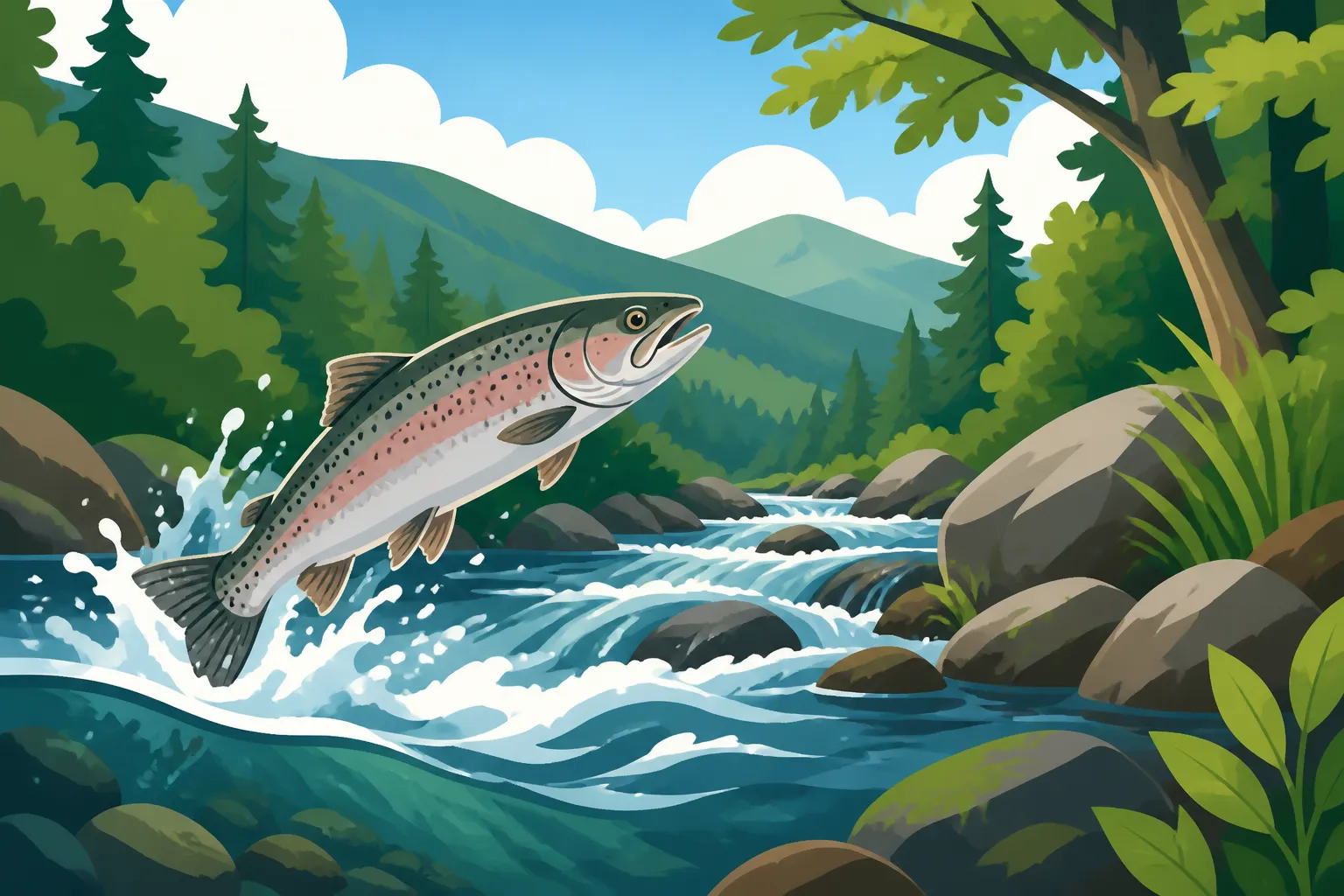
For many anglers, the thought of landlocked salmon pushing upstream from Vermont’s grand lakes into their spawning tributaries is the stuff of dreams. It’s a moment steeped in tradition and raw nature, but knowing when exactly these magnificent fish decide to make their arduous journey can feel like trying to solve a cryptic puzzle. This guide aims to demystify the timing of these vital salmon runs, helping you understand the rhythms of Vermont’s waters and increase your chances of witnessing, and perhaps even engaging with, these incredible fish.
Understanding the Landlocked Salmon's Drive to Spawn
Landlocked salmon, often mistaken for their sea-run cousins, are a unique and cherished species in Vermont. Unlike Pacific salmon, they don't necessarily die after spawning, though the toll on their bodies is immense. Their migratory urge to move from the deep, cold waters of the lakes into smaller, gravel-bottomed rivers and streams is purely for reproduction.
The Annual Spawning Cycle and Lake Life
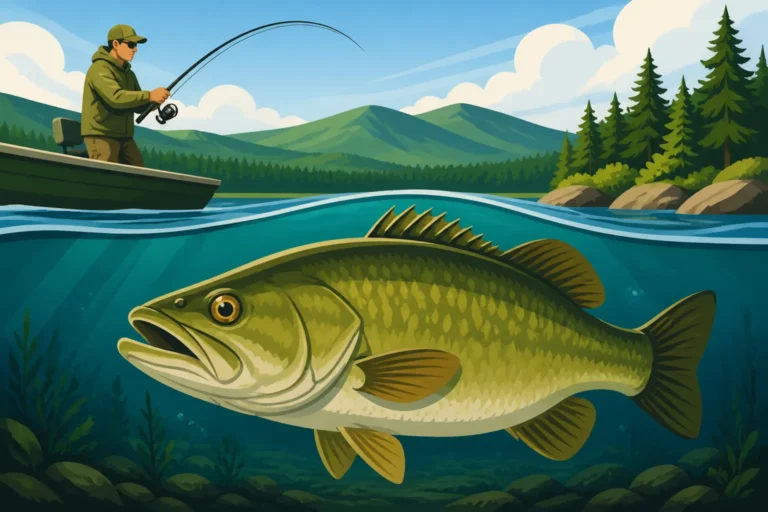
Most of the year, these powerful fish reside in the colder, deeper sections of Vermont's larger lakes, such as Lake Champlain, Lake Memphremagog, and Lake Willoughby. They spend their days chasing baitfish, primarily smelt, which are a critical food source. Anglers targeting them in the lakes often use various trolling techniques, employing downriggers or lead core lines to reach the depths where these fish lurk. For a deeper dive into their habits, you might want to read about the Landlocked Salmon Life Cycle in Vermont Lakes. As summer wanes and the days shorten, an ancient instinct begins to stir within them. This instinct draws them from the vastness of the lake into the relatively narrow confines of the tributary rivers, a journey fraught with challenges but essential for the perpetuation of their species.
What Triggers the Upstream Migration
The primary trigger for landlocked salmon to begin their upstream run is a combination of decreasing water temperatures and often, increased water flow. As lake waters cool, especially in the shallower areas near tributary mouths, the salmon sense the change. A significant rainfall event, which causes rivers to rise and cool even further, can act like a giant "go" signal, creating the necessary conditions for their migration. These environmental cues are deeply ingrained, guiding them toward the gravel beds where they will create their redds (spawning nests) and deposit their eggs. It's a critical window for both the fish and for observant anglers who understand these natural signals.
Key Seasons for Landlocked Salmon Runs in Vermont Tributaries
While the spawning ritual of landlocked salmon is primarily a fall affair, there are nuances in their migratory patterns that anglers should be aware of throughout the year. Knowing these different "runs" can greatly enhance your understanding and success.
The Primary Fall Spawning Runs
The most significant and anticipated landlocked salmon runs in Vermont occur in the fall. This is when the biological imperative to spawn is at its peak, drawing mature fish into the tributaries.
Timing and Conditions for Fall Runs
Typically, the fall runs begin in late September and continue through October, often peaking in mid-October. However, this isn't a hard and fast rule. The exact timing is heavily dependent on those environmental factors we discussed: water temperature and flow. A warm, dry autumn can delay the runs, keeping salmon in the lakes longer. Conversely, a cold snap combined with heavy rains can kick off the migration earlier and more intensely. Anglers often watch weather forecasts eagerly for sustained periods of cool temperatures and significant precipitation. These conditions make the rivers more appealing and easier for the salmon to navigate upstream. Many seasoned anglers will check river gauges and temperature reports, knowing that a sudden rise in water accompanied by a drop in degrees often signifies the start of prime activity. You'll find a lot of discussion about this on local fishing forums and at bait shops during this time.
Spawning Behavior and Location in Rivers
Once in the tributaries, salmon seek out specific areas. They look for gravelly river bottoms in stretches with moderate current, where they can build their redds. These locations are often at the tail end of pools or in riffles, where there's a good flow of oxygenated water. Female salmon will use their tails to fan out depressions in the gravel, while males guard the territory fiercely. During this period, their focus is entirely on reproduction, and they become incredibly territorial. While they might strike at a fly or lure out of aggression, they are not actively feeding. This makes them a challenging but highly sought-after catch. Observing this natural phenomenon, even without a rod in hand, is a breathtaking experience. Remember to always respect the fish and their spawning grounds; avoid disturbing redds or harassing fish, especially when they are vulnerable. For specific regulatory details, consult the Vermont Landlocked Salmon Regulations.
Spring "False" Runs and Post-Spawn Activity
While fall is the main event, sometimes salmon can be found in tributaries during other seasons, leading to what some call "false runs" or post-spawn movements.
Early Spring Forays
In early spring, right after ice-out, some landlocked salmon may make short forays into the lower stretches of tributaries. This isn't a spawning run, but rather a search for newly hatched baitfish or a reaction to rapidly warming water near the river mouth. These fish are usually still quite active and feeding. They're often hungry after a long winter and can offer excellent fishing opportunities for those willing to brave the chilly conditions. These early season movements are generally much shorter in duration and less predictable than the fall spawning migrations. It’s more of a opportunistic feed than a determined journey.
Post-Spawn Recuperation and Return
After the arduous fall spawning, salmon, especially the males, will often remain in the tributaries for a period to recuperate. These post-spawn fish are often thin and bruised but can sometimes be enticed to bite as they try to regain strength before returning to the lake. This can extend the tributary fishing season into early winter, depending on ice formation. While some fish may be "spawned out" and not in prime condition, catching a survivor of the fall run can be a testament to their resilience. It's important to handle these fish with extreme care, as their energy reserves are depleted, giving them the best chance to recover and spawn again in future years. Always prioritize catch and release for these vital breeding fish.
Factors Influencing the Timing of the Runs
Predicting the exact day a salmon run will begin can be tricky, but understanding the environmental cues that trigger it can give you a significant advantage. It's rarely just one factor, but a combination that creates the perfect storm for migration.
The Role of Water Temperature
Water temperature is arguably the most critical factor. Landlocked salmon prefer cooler water, and as the lake temperatures drop into the ideal spawning range, typically between 40-50°F (4-10°C), they get the urge to move.
Optimal Temperature Ranges
When lake water temperatures near the mouths of tributaries start to dip below 55°F and continue to fall, salmon activity in those areas increases. Once the river temperatures themselves are consistently in the low 50s and 40s, the full-blown run often commences. Too warm, and they'll stay in the lake; too cold, and they might hold in deeper pools within the river without actively spawning. This narrow window of ideal temperatures makes timing your trip crucial. Keep a close eye on local water temperature reports, as even a few degrees can make a world of difference. Many serious anglers use portable thermometers to check water temps right at the river's edge.
Impact of Sudden Temperature Drops
A sudden, significant drop in air temperature that translates into cooling water, especially if accompanied by rain, can be the catalyst for a massive influx of salmon into the tributaries. It's as if an invisible signal goes out, telling them it's time. These dramatic shifts in weather often align with the peak of the fall foliage, making for some truly breathtaking fishing backdrops. However, prolonged warm spells in the fall can delay the runs, frustrating eager anglers who are ready for the action. Persistence and flexibility are key when trying to intercept these fish.
Water Levels and Flow
After temperature, water levels and flow are perhaps the next most important factors. Salmon need enough water to navigate upstream effectively.
The Influence of Rain and Snowmelt
Heavy rainfall in the watershed, or significant snowmelt (though less common for fall runs), increases river flow and depth. This not only makes it easier for salmon to swim upstream over shallow riffles and obstacles but also seems to invigorate them, pushing them to make the journey. A river that's too low and clear can be a major deterrent, making the fish vulnerable and hesitant to enter. Conversely, flood-stage waters can make the river unfishable and unsafe for anglers, and sometimes even difficult for fish to hold in. The sweet spot is a river that has risen slightly from its normal flow, with a bit of color, but not raging.
Dam Releases and Hydroelectric Impact
In some Vermont rivers, dams for hydroelectric power or flood control can significantly impact water levels. Anglers often keep an eye on dam release schedules, as these can artificially create conditions that trigger or prolong a run. While these can be beneficial, they can also sometimes disrupt natural patterns. Understanding the local hydrology of your chosen tributary is an important piece of the puzzle. For example, some rivers might have fluctuating levels throughout the day depending on power generation schedules, which can influence when and where salmon decide to move.
Prime Vermont Tributaries for Landlocked Salmon Runs
Vermont is blessed with several magnificent lakes that host vibrant landlocked salmon populations, and each has its own network of rivers and streams that attract these migratory fish.
Lake Champlain Tributaries
Lake Champlain is Vermont's largest lake and home to a strong population of landlocked salmon, providing ample opportunities for tributary runs.
Otter Creek, Winooski River, and Lamoille River
The Otter Creek, Winooski River, and Lamoille River are among the most notable tributaries flowing into Lake Champlain that experience landlocked salmon runs. These are significant rivers with substantial flow, providing excellent habitat for both spawning salmon and the baitfish they pursue. Anglers often focus on the lower stretches of these rivers, particularly near rapids or falls that might create temporary holding pools for the salmon. Access points can be found along these rivers, and many local fishing spots are well-known among the angling community. For detailed information on specific access points, check out Otter Creek Fishing Spots, Winooski River Fishing Spots, and Lamoille River Fishing Guide. These rivers offer diverse fishing experiences, from wide, slow sections to faster, rockier areas, all potentially holding salmon during the run.
Lake Willoughby Tributaries
Lake Willoughby, renowned for its crystal-clear, deep waters and stunning scenic beauty, also boasts a highly sought-after landlocked salmon fishery.
Local Streams and Coldwater Inflows
While not as large as the Champlain tributaries, the streams flowing into Lake Willoughby are vital for its landlocked salmon population. These smaller, colder streams provide the perfect spawning habitat. Due to the clarity of Willoughby's water, the salmon runs here can be particularly visible, offering an incredible sight-fishing experience (though specific regulations may apply to sight-fishing or targeting spawning fish, so always check the latest rules). Anglers should respect the fragile nature of these smaller systems and practice extreme caution to avoid disturbing the spawning grounds. The concentrated nature of these runs in smaller waters makes them particularly special. You can learn more about fishing this unique lake by exploring Lake Willoughby Landlocked Salmon Fishing.
Lake Memphremagog Tributaries
Lake Memphremagog, straddling the US-Canada border, is another fantastic landlocked salmon destination, with its own set of critical spawning tributaries.
Black River and Clyde River
The Black River and Clyde River are key tributaries feeding into Lake Memphremagog. These rivers provide the necessary cold, oxygenated water and gravel beds for landlocked salmon to complete their spawning cycle. Fishing opportunities exist for those targeting the salmon as they enter and move up these systems. Like with all spawning runs, the fish are incredibly powerful and will put up an impressive fight, making for a memorable angling experience. These rivers, often surrounded by the stunning landscapes of the Northeast Kingdom, offer a truly wild and immersive fishing adventure.
Gear and Techniques for Targeting Spawning Salmon
When landlocked salmon are actively running, they present a unique challenge and require specific approaches. Their aggression during this period means they might strike, but it's not always out of hunger.
Appropriate Tackle for River Fishing
You'll need reliable gear to handle these strong fish in moving water. A medium-heavy spinning rod or a 7-8 weight fly rod is generally recommended.
Rods, Reels, and Line Strength
For spinning gear, a 7 to 8-foot rod with a medium-heavy action will give you the backbone needed to cast heavier lures and fight a powerful salmon in current. Pair this with a robust spinning reel spooled with 10-15 lb test monofilament or fluorocarbon line. Braided line can also be effective, but a fluorocarbon leader is often preferred for its invisibility. If you're a fly angler, a 7 or 8-weight fly rod, typically 9 feet long, is your best bet, paired with a matching weight-forward floating or sink-tip line. The heavier rod helps turn large fish and casts larger, weighted flies. Make sure your reel has a smooth, strong drag, as these fish can make explosive runs. You can find a wide selection of durable fishing lines and leaders suitable for salmon on Amazon, ensuring your setup is ready for the fight.
Landing Nets and Release Tools
A large, rubberized landing net is essential for safely handling these fish. The rubberized mesh protects the salmon's delicate slime coat and fins, which is crucial for catch-and-release, especially for spawning fish. Long-nosed pliers or a de-hooking tool are also vital for quickly and efficiently removing hooks, minimizing stress on the fish. Remember, these fish are incredibly important for the future of the fishery, so quick, careful handling is paramount. Having a good quality, fish-friendly net available on Amazon before your trip is a wise investment.
Effective Lures and Baits
During a spawning run, salmon are often not interested in feeding. Instead, they strike out of aggression or territorial defense.
Flies, Spinners, and Spoons
Fly anglers will often use large streamer patterns that imitate baitfish or are designed to provoke an aggressive strike. Patterns like Clouser Minnows, Woolly Buggers, or large articulated streamers in colors like olive, black, white, or various shades of chartreuse can be highly effective. For spin fishing, brightly colored spinners and spoons are popular choices. Think about anything that flashes and moves erratically in the current, mimicking an intruder in their spawning territory. Bright orange, chartreuse, silver, and gold are common color choices. Small crankbaits or even drifted egg patterns (where legal) can also sometimes trigger a strike. For those curious about mimicking their natural prey, What lures imitate the smelt landlocked salmon eat might offer some ideas.
The Importance of Ethical Angling
When targeting spawning salmon, ethical angling is not just a recommendation; it's a responsibility. These fish are at their most vulnerable. Practice catch and release, especially for the larger, actively spawning fish. Minimize handling, keep the fish in the water as much as possible, and revive them gently before release. Avoid fishing directly on redds or disturbing spawning pairs. Respecting the fish during this critical time ensures that future generations will continue to make these incredible runs. Local regulations, such as those found in Vermont Fishing Season Dates and Closures, often contain specific rules for fishing during spawning seasons or in certain tributaries, so always check the latest Fish & Wildlife guidelines.
Comparing Key Landlocked Salmon Run Factors
Understanding the various elements that influence when landlocked salmon run can seem like a lot to juggle. Here's a quick comparison of the primary factors to help you keep them straight.
| Factor | Primary Season | Optimal Range | Impact on Runs | Key Considerations |
|---|---|---|---|---|
| Water Temperature | Fall | 40-50°F (4-10°C) | Initiates and sustains migration; too warm delays, too cold slows activity. | Monitor daily temps in lake & river; sudden drops are a strong trigger. |
| Water Flow/Levels | Fall | Moderate to slightly elevated | Provides easy passage upstream; too low deters, too high makes fishing difficult. | Watch weather for rain events; check dam release schedules where applicable. |
| Moon Phase | Fall | Often aligns with new/full moon | Can influence fish activity and movement, though less critical than temp/flow. | Some believe low light (new moon) or high tides (if applicable) help migration. |
| Time of Day | Fall | Dawn/Dusk, or overcast days | Salmon are often more active and less spooky during low light conditions. | Early mornings can be prime; bright midday sun may make fish hold deep in pools. |
This table provides a snapshot, but remember, fishing is an art as much as a science, and local conditions can always present unique variations. Getting out on the water and observing is truly the best education.
Conclusion
The landlocked salmon runs up Vermont's tributaries are one of the state's most magnificent natural spectacles, offering both a challenge and a profound connection to the wild. While the precise timing can fluctuate from year to year, understanding the critical roles of fall water temperatures, increased flow, and the salmon's inherent drive to spawn will put you in a much better position to intercept these incredible fish. Whether you're heading to the Best Rivers for Landlocked Salmon Runs in Vermont or a quiet stream off Lake Willoughby, always approach these runs with respect for the fish and their vital journey. Equip yourself with the right gear, like durable waders and a good net you can trust, perhaps found easily on Amazon, and always adhere to Vermont's fishing regulations. Witnessing these powerful fish complete their life cycle is a privilege, and by doing our part to protect them, we ensure these runs will continue for generations to come.
Disclaimer
This article is for general informational purposes only and does not constitute professional advice. Laws, prices and regulations vary by location and change over time. Consult a qualified professional for guidance on your specific situation.