What fish species are unique to Vermont’s lakes
It's easy to assume that Vermont's lakes, with their pristine beauty, simply hold the same fish you'd find anywhere else. But if you're an angler who loves a good mystery and appreciates the subtle nuances of aquatic life, you might be surprised to learn that some of our waters harbor fish species that are genuinely unique, or at least represent highly distinct and rare populations within the state. This guide will take a deeper dive into what makes certain finned residents of Vermont's lakes truly special, exploring species that stand out either due to their genetic heritage, their relict status from ancient times, or their highly localized importance.
Defining "Unique" in Vermont's Aquatic Ecosystems
When we talk about "unique" fish species in Vermont's lakes, it's not always about finding a fish that exists only within our borders and nowhere else on Earth. While truly endemic fish species (those found exclusively in one geographic area) are incredibly rare globally, especially in freshwater systems shaped by recent glacial activity, Vermont does boast populations that are distinct enough to be considered unique within our state's context.
What defines "unique" for us often falls into a few categories:
- Relict Populations: These are species that were once widespread but now survive only in isolated pockets, often in deep, cold lakes, as remnants of past geological eras (like the last Ice Age). They're like living fossils adapted to specific, unchanging conditions.
- Genetically Distinct Strains: Sometimes, a species common elsewhere might have a specific genetic strain or subspecies that has evolved in isolation within a Vermont lake, adapting to its particular environment over millennia. This can result in fish with unique behaviors, sizes, or appearances compared to their broader species counterparts.
- Locally Significant or Restored Populations: While the species itself might exist outside Vermont, its presence in a specific Vermont lake might be critically important, either as a rare, self-sustaining population, or as the focus of significant, unique conservation and restoration efforts within the state.
Vermont's geological history, shaped by glaciers that carved out our deep lakes and left behind specific ecological niches, has played a massive role in fostering these distinctive fish populations. The isolation of these lakes, some remaining deep and cold while others warmed, created a natural laboratory for adaptation.
Spotlighting Vermont's Truly Unique or Highly Distinct Fish Species
Let's cast our lines into the waters and explore some of the most fascinating and unique fish species you might encounter, or at least learn about, in Vermont's diverse lake environments. These are the species that truly tell a story of our natural history and ongoing conservation efforts.
The Vermont Strain of Lake Trout
While Lake Trout (Salvelinus namaycush) are found across much of northern North America, Vermont's Lake Champlain is known to harbor genetically distinct strains that represent important native populations. These aren't just any lake trout; they are adapted to the unique characteristics of Lake Champlain's vast and varied depths.
Historically, Lake Champlain had its own native strain of Lake Trout that was extirpated by overfishing and environmental changes. However, through dedicated restoration efforts, including stocking programs using genetically similar strains from other Great Lakes, the goal has been to re-establish a self-sustaining population that reflects the original genetic diversity. The importance here lies in the long-term adaptation of these fish to a specific ecosystem. They're not just stocked fish; they represent a commitment to re-establishing a native component of the fishery, with the hope that continued natural reproduction will lead to a truly re-established, unique population. Anglers interested in the historical and ongoing efforts to bring back this majestic fish can find a wealth of information through various resources, perhaps even a specialized book on Lake Champlain's fishery available on Amazon. The size and longevity of these fish make them truly magnificent and a testament to the lake's rich heritage.
Deepwater Sculpin
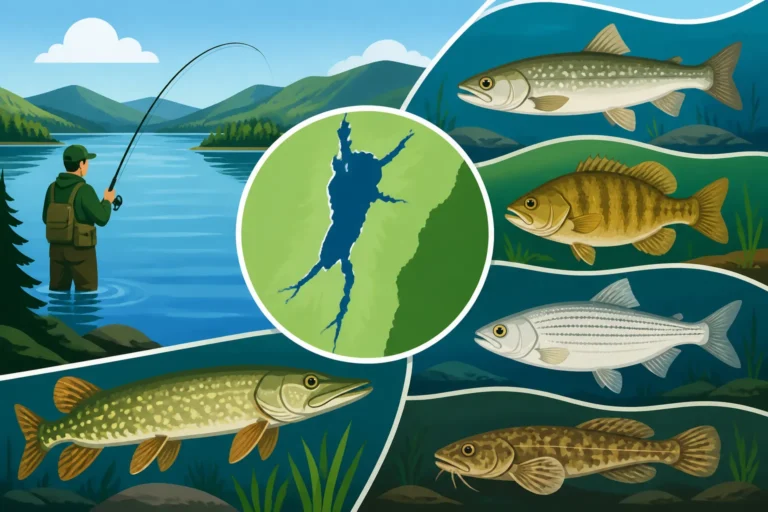
Now, here's a true relict! The Deepwater Sculpin (Myoxocephalus thompsonii) is perhaps one of Vermont's most genuinely unique fish residents, specifically found in the very deepest, coldest parts of Lake Champlain. This small, fascinating fish is a classic example of a glacial relict species. As glaciers retreated thousands of years ago, they left behind immense amounts of cold meltwater. The Deepwater Sculpin thrived in these conditions, but as many lakes warmed, its habitat shrank.
Today, this sculpin survives only in the deep, cold hypolimnion (the lowest, coldest layer) of a handful of North American lakes, with Lake Champlain being one of its crucial strongholds. Its existence is precarious, as it is incredibly sensitive to changes in water temperature and oxygen levels. You won't be catching these with a typical fishing rod; they require highly specialized scientific sampling methods to locate and study. Their importance cannot be overstated, as they represent a direct link to the Ice Age and serve as an indicator of the health of Lake Champlain's deepest, coldest waters. They are a vital part of the food chain for other deepwater predators, like the Lake Trout.
Lake Memphremagog's Muskellunge (Muskie)
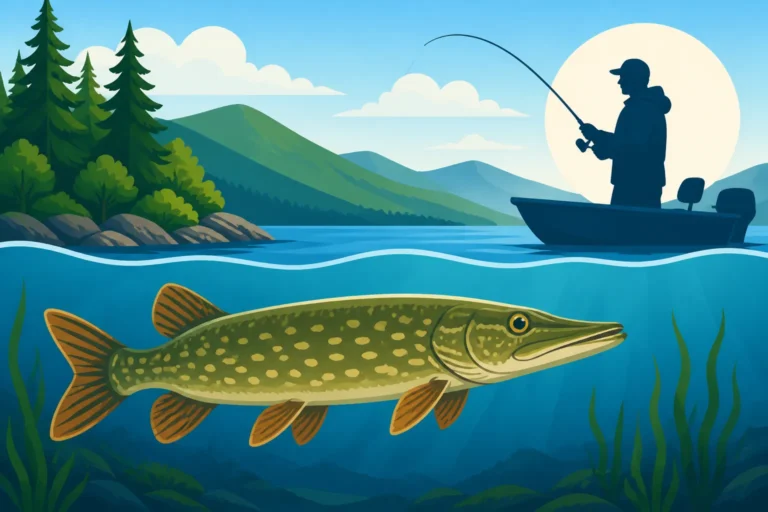
While Muskellunge (Esox masquinongy) aren't exclusively found in Vermont, the population in Lake Memphremagog stands out as a unique and naturally self-sustaining population within the state. Unlike efforts to establish muskie in other waters, Memphremagog's muskies have a long, storied history, representing a distinct lineage that has thrived in that specific, transboundary lake.
These apex predators are incredibly sought after by trophy anglers, renowned for their elusive nature and formidable size. The genetic distinctiveness of the Memphremagog muskies is a point of pride and a focus of careful management, ensuring their unique characteristics are preserved. Fishing for these giants requires specialized gear and immense patience, but the reward of landing one of these storied fish is unparalleled. You might look for specialized Muskie lures and heavy-duty rods on Amazon if you're serious about targeting these magnificent creatures. Meanwhile, other initiatives, such as the ongoing Muskellunge Fishing on Lake Memphremagog restoration efforts in Lake Champlain, aim to bring muskie back to that system, creating another unique chapter for the species in Vermont.
Relict Smelt Populations
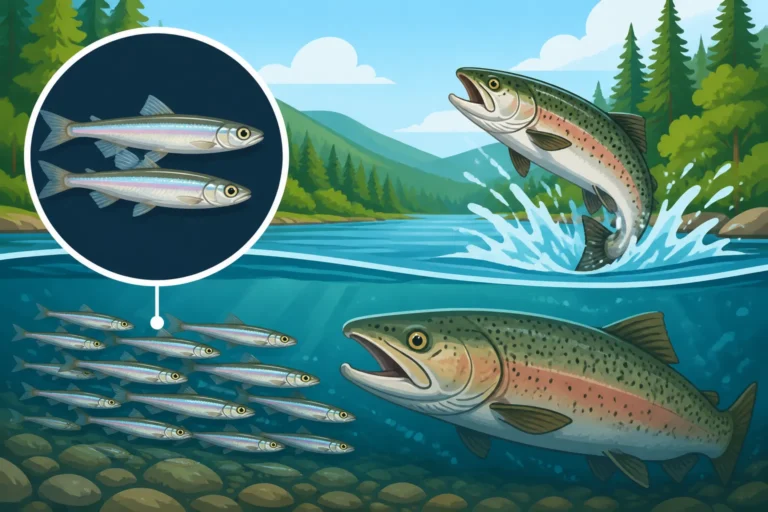
Rainbow Smelt (Osmerus mordax) are common forage fish across many colder waters. However, some of Vermont's deep, cold lakes might harbor relict populations of landlocked smelt that have been isolated since glacial times, evolving subtle differences from their anadromous (sea-run) counterparts or even other landlocked populations. These landlocked forms are crucial components of the food web in their respective lakes, serving as primary forage for larger game fish like Lake Trout and Landlocked Salmon.
The unique aspect here isn't necessarily a distinct species, but rather isolated populations that have adapted to their specific lake environments over millennia. Their health is often tied to the overall ecological balance of these coldwater systems, making them an important indicator species. Fluctuations in smelt populations can have ripple effects throughout the entire lake ecosystem, impacting the growth and survival of the trophy fish that prey on them. Understanding these populations is key to managing Vermont's coldwater fisheries effectively.
Understanding "Unique" Challenges and Conservation Efforts
The very factors that make these fish unique also make them particularly vulnerable. Their specialized adaptations to specific, often narrow, ecological niches mean they are highly susceptible to environmental changes.
Threats to Vermont's Unique Fish
The primary threats to these unique and distinct populations in Vermont's lakes are multifaceted:
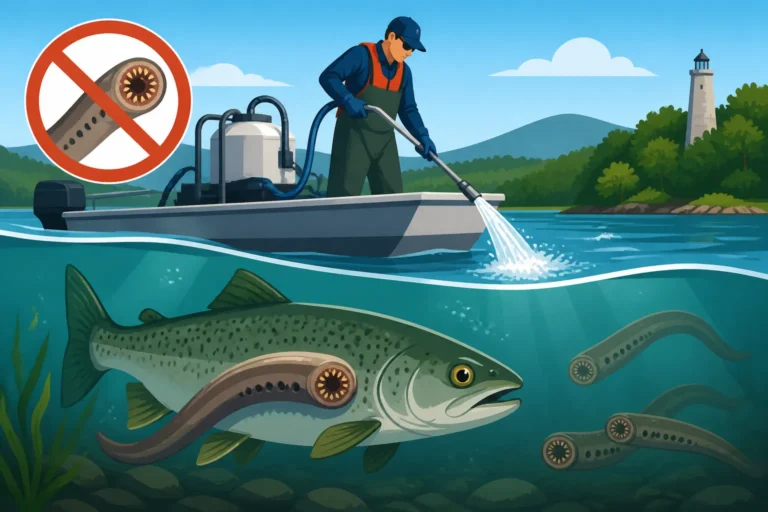
- Invasive Species: Perhaps the most insidious threat comes from invasive species. Organisms like Zebra Mussels alter the food web and water clarity, impacting native species' feeding and spawning behaviors. The Sea Lamprey Control on Lake Champlain program is a testament to the ongoing battle against invasives that prey on or compete with native and unique fish species. These invaders can outcompete native fish for food, disrupt spawning grounds, and even introduce diseases, all of which can severely impact the delicate balance these unique populations rely on.
- Habitat Degradation: While Vermont is diligent in protecting its waterways, pollution, shoreline development, and sedimentation can degrade crucial deepwater or spawning habitats. The pristine quality of these unique fish's environments is paramount to their survival. Runoff from agricultural areas or urban development, for example, can introduce pollutants or excess nutrients, leading to oxygen depletion in deeper waters, directly threatening species like the Deepwater Sculpin.
- Climate Change: For coldwater relicts and deepwater species, rising water temperatures pose an existential threat. A slight increase in average lake temperatures can shrink the available cold, oxygen-rich habitat, pushing these species to their physiological limits. This is a particularly pressing concern for species like the Deepwater Sculpin and the cold-adapted strains of Lake Trout. Even a small change can disrupt their intricate life cycles.
Conservation and Management
Vermont takes the protection of its unique aquatic heritage very seriously. The Vermont Fish & Wildlife Department plays a critical role in monitoring these populations, conducting scientific research, and implementing management strategies.
Conservation efforts often involve:
- Habitat Protection and Restoration: Safeguarding critical spawning grounds and deepwater refugia is essential. This includes land-use planning around sensitive lakes and stream restoration projects that improve water quality.
- Targeted Stocking Programs: For species like Lake Trout, carefully managed stocking programs, using genetically appropriate strains, are vital for re-establishing self-sustaining populations. This isn't just dumping fish; it's a science-driven approach to genetic preservation. You can often use the Vermont Fish Stocking Search Tool, Explained to see where fish are being stocked and what species.
- Strict Regulations and Monitoring: Specific fishing regulations are often put in place to protect vulnerable populations, including catch-and-release rules, size limits, and seasonal closures. Understanding Vermont Fishing Regulations Explained is crucial for any angler who wants to help protect these valuable resources. Regular surveys and data collection help biologists track population health and adapt management strategies.
- Public Education and Angler Involvement: Educating anglers about the importance of these unique species and promoting ethical fishing practices are cornerstones of conservation. Anglers can contribute significantly by reporting unusual catches or environmental concerns. Finding a detailed guide on Vermont's specific fisheries, perhaps a comprehensive resource found on Amazon, can greatly enhance an angler's understanding and contribution to conservation.
Distinguishing Unique from "Simply Rare" or "Introduced" Species
It's important to clarify that not every uncommon fish in Vermont's waters is "unique" in the sense of being endemic or a relict population. Many species might be rare simply because Vermont is at the edge of their natural geographic range, or they might be highly valued introduced species that, while important to our fishery, are not unique to our state.
Beyond Endemic: The Concept of Range-Edge Species
Some fish species might be considered "rare" in Vermont because our climate or habitat conditions are at the northern or eastern limits of their natural range. While you might not encounter them often, and they are certainly a special treat when you do, they aren't unique to Vermont. For instance, some warm-water species might struggle to establish robust populations in our colder waters, making them less common here than further south. These species are important for biodiversity but don't hold the same "unique" genetic or relict status.
Important Introduced Species Not Unique to Vermont
Vermont's lakes and rivers are home to many thriving introduced species that provide fantastic fishing opportunities, but they aren't unique to our state. These include:
- Walleye: A highly sought-after game fish, especially in Lake Champlain. While Walleye Fishing on Lake Champlain is a premier experience, walleye are widely distributed across North America.
- Brown Trout and Rainbow Trout: Both are non-native species (with rainbow trout having native populations in the Pacific Northwest, but introduced here) that have been successfully introduced and are extensively stocked in Vermont's streams and lakes. They create exceptional fishing opportunities, but they are not unique to our ecosystem. Rainbow Trout Stocking in Vermont efforts highlight their importance to the recreational fishery.
These species are incredibly valuable for anglers and play significant roles in their respective ecosystems, but it's important to differentiate them from the truly unique or relict populations that tell a deeper story of Vermont's natural history. Each fish, whether unique, rare, or introduced, contributes to the rich tapestry of aquatic life in the Green Mountain State.
| Species Name | Primary Unique Factor | Primary Habitat in Vermont | Conservation Status (General) |
|---|---|---|---|
| Vermont Strain Lake Trout | Genetically distinct, native restoration focus | Deep, cold waters of Lake Champlain | Recovering, Management Intensive |
| Deepwater Sculpin | Glacial relict, highly cold-adapted | Very deep, cold waters of Lake Champlain | Vulnerable, Indicator Species |
| Memphremagog Muskellunge | Naturally self-sustaining, distinct population | Lake Memphremagog's diverse structure | Stable, Trophy Management |
| Relict Smelt Populations | Isolated, adapted forage fish populations | Cold, deep pockets of various large lakes | Varies, important forage |
Disclaimer
This article is for general informational purposes only and does not constitute professional advice. Laws, prices and regulations vary by location and change over time. Consult a qualified professional for guidance on your specific situation.