How deep lake trout go in summer
Ah, summer fishing in Vermont! There's nothing quite like the crisp morning air over a sparkling lake, but when the sun gets high and the water warms up, finding those elusive lake trout can feel like trying to solve a riddle. Many anglers get frustrated because the fish they found easily in spring seem to vanish, leaving them scratching their heads and burning fuel. This guide is all about unraveling that mystery, helping you understand precisely why lake trout go deep in the summer months and, more importantly, how you can find and catch them when they do.
Why Lake Trout Seek the Depths in Summer
Lake trout are true cold-water warriors, and as Vermont's lakes warm up through late spring and into summer, these magnificent fish don't just disappear; they simply retreat to their preferred environment: the deep, cold, oxygen-rich waters. It’s a survival instinct driven by several crucial environmental factors.
The Thermal Stratification Phenomenon
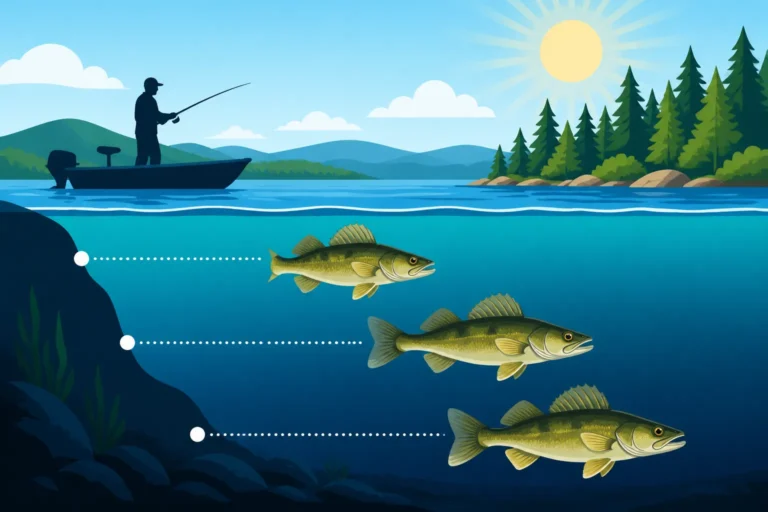
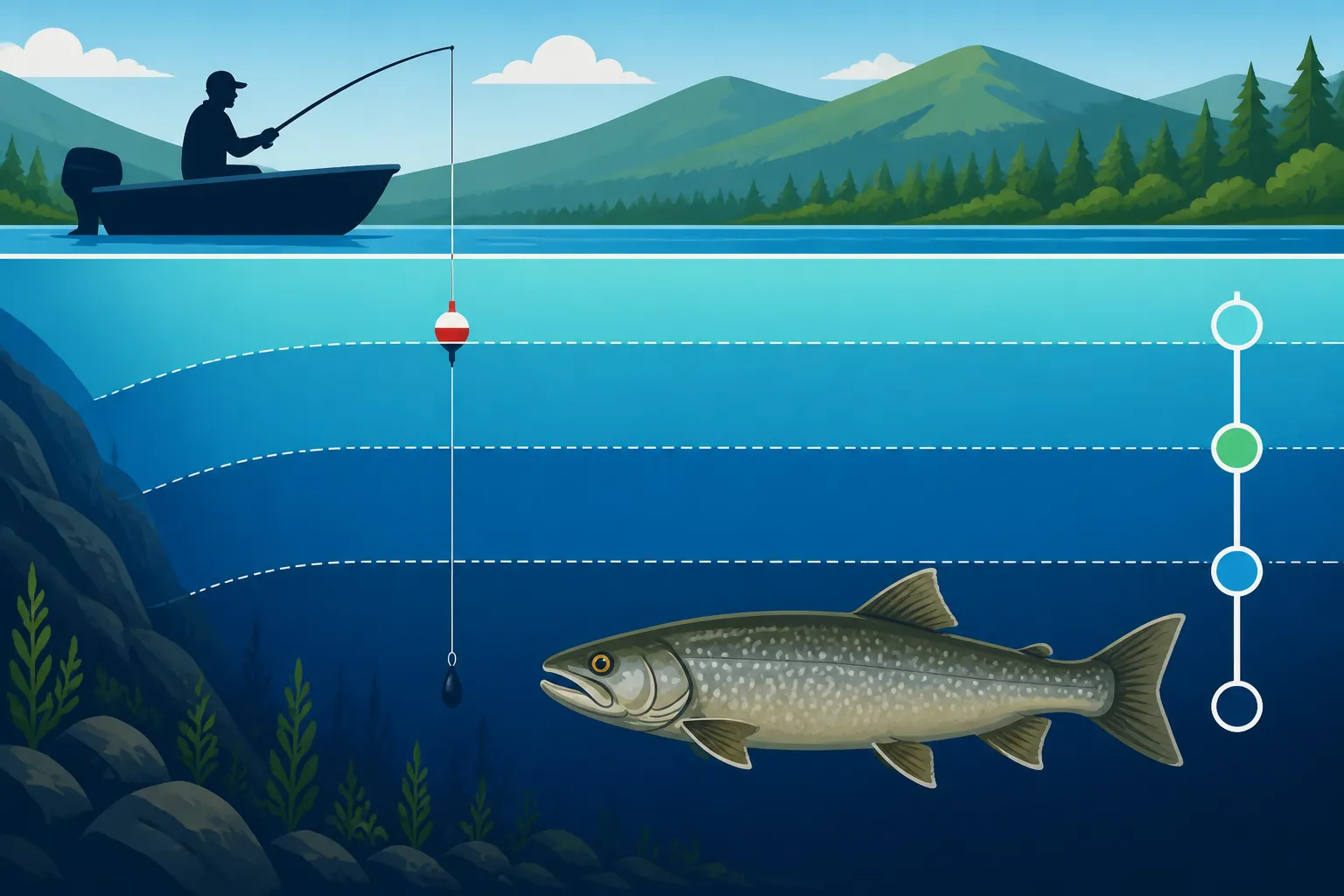
When summer hits Vermont, our larger, deeper lakes undergo a process called thermal stratification. Imagine a three-layer cake:
- Epilimnion: This is the top layer, warmed by the sun and wind. It's usually where most recreational swimmers and boaters enjoy themselves. For lake trout, this layer quickly becomes too warm and stressful.
- Metalimnion (Thermocline): This is the middle layer, where water temperature changes rapidly with depth. It's often where you'll find baitfish, and thus, where lake trout will often hover, just above or within this cooler boundary, seeking food.
- Hypolimnion: This is the bottom layer, consistently cold and dark, often holding the highest concentrations of dissolved oxygen that lake trout crave. This is their ultimate summer sanctuary.
Lake trout are essentially biologically programmed to seek out water temperatures in a very specific range, typically between 45 and 55 degrees Fahrenheit (7 to 13 degrees Celsius). As the surface warms, this ideal temperature band sinks deeper and deeper into the lake. It's not just about comfort; it's about survival. Their metabolism is optimized for these cold temperatures, and warmer water causes them undue stress, forcing them to burn more energy and making them more susceptible to disease. Think of it like a human trying to function optimally in a sweltering desert without air conditioning – eventually, you'd find the coolest, darkest cave to hide in!
Oxygen Levels and Light Sensitivity
Beyond temperature, two other vital factors push lake trout into the abyss during summer: dissolved oxygen and light penetration.
- Oxygen Depletion: While the top layers of a lake are usually well-oxygenated due to interaction with the air and photosynthetic activity, the bottom layers can sometimes become anoxic (lacking oxygen) in shallower lakes or during prolonged heat waves, especially if there's a lot of decaying organic matter on the bottom. However, in the deep, clear lakes where lake trout thrive, the hypolimnion typically holds excellent oxygen levels because it's less affected by surface activity and decomposition. Lake trout have a high oxygen demand, and the deep, cold water provides this stability.
- Light Avoidance: Lake trout are also notoriously light-sensitive. Their eyes are adapted for low-light conditions, and bright summer sunshine penetrating clear water can be irritating, potentially making them less effective predators. By retreating to deeper water, they escape the intense sunlight, finding comfort and a tactical advantage for ambushing prey in the dimmer environment. This is particularly true in crystal-clear lakes like Lake Willoughby or many of Vermont's deeper glacial tarns, where light can penetrate surprisingly far down. What water temperature lake trout prefer is directly tied to all these factors, making it a crucial piece of the puzzle for summer success.
Typical Depth Ranges for Summer Lake Trout in Vermont
Understanding the general principles is one thing, but knowing the specific depths for Vermont's diverse lakes is where the rubber meets the road. While there's no single magic number, historical data and angler experience give us solid benchmarks.
Major Lake Trout Fisheries: Lake Champlain and Lake Willoughby
Vermont is blessed with some incredible lake trout waters, and the two giants are undoubtedly Lake Champlain and Lake Willoughby.
- Lake Champlain: This massive body of water offers a huge variety of depths and structures. In the summer, lake trout on Lake Champlain will often be found anywhere from 60 to 120 feet deep, sometimes even deeper in the central and northern sections of the lake. They'll gravitate towards structure like sunken islands, deep rock piles, and sharp drop-offs. Imagine a vast underwater mountain range; the lake trout will be hugging the sides and peaks of those submerged features where cool water and baitfish congregate. Anglers often target depths near the main lake channel or around prominent underwater contours. You might find them shallower on cloudy days or during early morning/late evening hours, but as the sun climbs, they dive.
- Lake Willoughby: Known for its incredible depth and crystal-clear water, Lake Willoughby is a prime landlocked salmon and lake trout fishery. Here, lake trout can often be found in the 80 to 150-foot range during the peak summer months. The steep, rocky walls of the lake continue far below the surface, providing ample cold water habitat. Because the water is so clear, light penetration is significant, pushing the trout even deeper to find their preferred low-light conditions. Lake Willoughby Fishing Guide offers more specific insights into this unique fishery.
Other Vermont Lakes and Factors to Consider
Many other Vermont lakes, while perhaps not as famous for lake trout as Champlain or Willoughby, still hold respectable populations.
- Smaller Deep Lakes: Lakes like Averill, Seymour, and parts of Lake Bomoseen can also hold lake trout. Their summer depths might vary but generally fall within the 40 to 100-foot range, depending on the lake's maximum depth, oxygen levels, and the presence of a distinct thermocline. A good rule of thumb is to look for the deepest water available that still holds good oxygen.
- Thermocline Location: The true key is finding the thermocline. This is the thermal boundary that separates the warm surface water from the cold bottom water. Lake trout will often position themselves just above, in, or directly below the thermocline, especially if baitfish (like smelt or alewives) are concentrated there. A good fish finder is invaluable for identifying this layer. You can often see it as a distinct band on your sonar screen.
| Lake Type/Condition | Typical Summer Depth Range (Feet) | Key Considerations |
|---|---|---|
| Large, Deep Lakes (e.g., Champlain) | 60 – 120+ | Thermocline, structure, baitfish schools |
| Very Deep, Clear Lakes (e.g., Willoughby) | 80 – 150+ | Extreme light sensitivity, stable cold water |
| Medium Deep Lakes (e.g., Averill) | 40 – 100 | Thermocline strength, oxygen levels, lake-specific structure |
| Early Summer / Overcast Days | Potentially shallower (40-70 ft) | Reduced light, cooler surface temps |
| Late Summer / Heat Wave | Deeper (80-150 ft+) | Stronger stratification, oxygen depletion in mid-layers possible |
This table provides a general idea, but remember that every lake is a living ecosystem that can change day by day. Checking a lake's contour map is always a smart first step to identify potential deep-water haunts before you even launch your boat. Best Fishing Lakes in Vermont can help you pinpoint more specific locations.
How to Locate and Fish for Deep Lake Trout
Successfully targeting lake trout in their summer deep-water retreats requires a combination of technology, specialized gear, and patience. You can't just cast from shore and expect results; you need to go to them.
Essential Gear and Electronics
First and foremost, you need the right tools to find them and present your offerings effectively.
- Fish Finder/Sonar: This is your absolute best friend. A quality fish finder will not only show you the bottom contours and depth but, crucially, help you identify the thermocline and mark baitfish schools. Look for units with strong transducer power and clear displays. Many anglers find excellent models on Amazon from brands known for their reliability. Knowing the depth of the thermocline is like knowing where the dinner table is for lake trout. You're trying to fish where the trout are, and where their food is.
- Downriggers or Dipsy Divers: To consistently get your lures down to 60, 80, or even 100+ feet, you'll need assistance. Downriggers allow you to precisely control the depth of your lure. You clip your line to a release clip attached to a heavy cannonball weight, lower it to your desired depth, and when a fish strikes, your line pops free. Dipsy Divers or similar diving planers also achieve significant depth without the need for a separate weight system, though depth control is less precise. You can often find a wide selection of these essential deep-water trolling tools on Amazon. Best Downriggers for Walleye Trolling also offers insights into gear that can be adapted for lake trout.
- Heavy Trolling Rods and Reels: You'll need sturdy rods with enough backbone to handle heavy weights (from downriggers or large diving planers) and the fight of a powerful lake trout from the deep. Reels should have good line capacity, as you'll be letting out a lot of line, and a smooth drag system. Best Gear for Vermont Trout Fishing dives deeper into specific gear recommendations.
Effective Deep-Water Techniques
Once you have the gear, it's about applying the right techniques.
- Trolling: This is the most popular and effective method for covering water and finding deep lake trout. You'll want to troll slowly, typically between 1.5 to 2.5 miles per hour, watching your fish finder constantly. Experiment with different depths until you start marking fish or getting strikes.
- Lure Selection: Large spoons (like Suttons, Mooselook Wobblers, or Daredevils) in silver, blue, green, or bright fluorescent colors are perennial favorites. Stickbaits and minnow imitations, sometimes even large soft plastic swimbaits, can also be deadly. Size often matters; don't be afraid to go with bigger lures when targeting larger lake trout.
- Leader Length: When using downriggers, a longer leader (6-10 feet of fluorocarbon) between your main line and your lure can be very effective, giving the lure a more natural action. Fluorocarbon is nearly invisible underwater, which can be a huge advantage in clear Vermont waters where lake trout can be picky. Trolling Techniques for Vermont Lake Trout provides even more detail.
- Jigging: While trolling is primary, vertical jigging can be incredibly effective once you've marked fish directly below your boat. Heavy metal jigs (spoons, blade baits, or even soft plastics on heavy jig heads) dropped directly into a school of marked fish can trigger strikes. This requires precise boat control, often with a powerful trolling motor to hold your position.
Structure and Baitfish Identification
Lake trout don't just hang out in random deep water; they relate to structure and their food source.
- Underwater Structure: Look for humps, submerged points, drop-offs, and deep channels. These features create current breaks and ambush points where lake trout can hide and wait for prey. Your sonar will be crucial here. Spend time mapping out these areas if you're on a new lake.
- Baitfish Schools: Lake trout follow their food. If you find large schools of smelt, alewives, or other baitfish in the mid-water column or hugging deep structure, chances are the lake trout won't be far behind. Your fish finder will show these baitfish as dense clouds or arches. Focus your efforts in and around these baitfish concentrations. Many anglers will spend hours just idling around, looking for these "dinner bells" on their sonar before even dropping a line.
Factors Influencing Lake Trout Depth Day-to-Day
Even after understanding the general summer pattern, lake trout depths aren't entirely static. Several daily and weekly factors can cause them to shift, requiring anglers to remain adaptable.
Weather Patterns and Barometric Pressure
Just like many other fish species, lake trout can be influenced by changes in weather.
- Cloud Cover and Storms: On heavily overcast days or during approaching storms, lake trout may temporarily move shallower. The reduced light penetration makes the mid-depths more comfortable for them, and changes in barometric pressure can also influence their feeding behavior. A steady, falling barometer often signals an active bite, and they might ascend a bit in the water column to feed more aggressively.
- Prolonged Heat Waves: Conversely, a long stretch of hot, sunny weather with stable high pressure can push lake trout even deeper, reinforcing the thermal stratification and potentially diminishing oxygen levels in the upper thermocline. In these conditions, you might need to target the very deepest parts of the hypolimnion. Anglers often find this particularly challenging, as the fish become less active.
Baitfish Movements and Currents
The movement of baitfish is perhaps the most significant daily influence on lake trout depth and location.
- Vertical Migration: Many baitfish, like smelt, perform daily vertical migrations, moving shallower at dawn and dusk to feed under low light, and descending to deeper water during the bright midday hours to avoid predators. Lake trout will often follow these patterns. If the smelt are 70 feet deep, the lake trout won't be far off.
- Wind and Current: While deep lake water isn't subject to strong riverine currents, sustained winds can create subtle underwater currents in large lakes like Champlain. These currents can concentrate baitfish and, by extension, lake trout, along certain underwater features. Pay attention to how the wind has been blowing for a few days, as it might give you clues about where baitfish (and therefore lakers) might be congregating on wind-blown points or ledges.
Remaining flexible and constantly observing your surroundings and electronics are the hallmarks of a successful summer lake trout angler. What worked yesterday at 80 feet might be 60 or 100 feet today, depending on these subtle environmental cues. Always be ready to adjust your depth and presentation to find where these magnificent cold-water fish are holding. When you finally connect with a hard-fighting lake trout from the depths of a pristine Vermont lake, all that effort will be more than worth it!
Disclaimer
This article is for general informational purposes only and does not constitute professional advice. Laws, prices and regulations vary by location and change over time. Consult a qualified professional for guidance on your specific situation.