Why Lake Champlain has a sea lamprey control program
If you've spent any time fishing the beautiful, expansive waters of Lake Champlain, you've probably heard hushed conversations, seen signs, or even noticed some scarred fish that hint at a bigger problem lurking beneath the surface: the sea lamprey. It's a subject that can sometimes feel a bit mysterious or even alarming, but understanding why there's a dedicated sea lamprey control program is crucial for appreciating the ongoing efforts to protect our beloved fishery. This guide aims to pull back the curtain on this complex issue, explaining the history, the impact, and the vital work being done to manage this challenging invasive species.
The Uninvited Guest: Understanding the Sea Lamprey's Impact on Lake Champlain
When you first hear "sea lamprey," you might picture some kind of exotic fish, but that's really not quite right. These creatures are ancient, eel-like vertebrates with a rather unsettling parasitic lifestyle, and their presence in Lake Champlain has had a profound, often devastating, impact on the very fish we love to catch. It’s a classic tale of an invasive species finding a new home with unforeseen consequences, making the need for intervention painfully clear.
What Exactly is a Sea Lamprey?
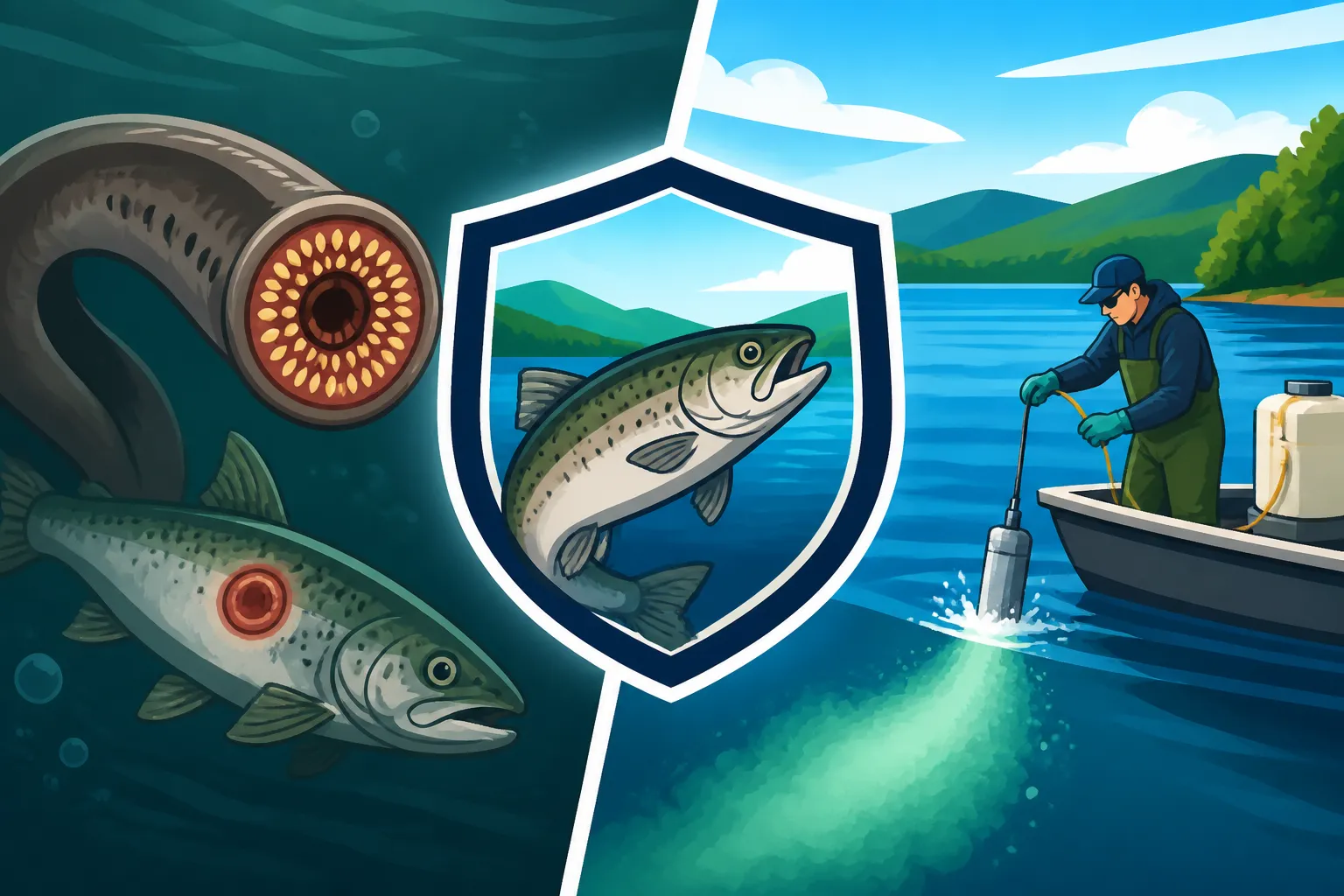
Let's start with the basics. Imagine an eel, but instead of a typical fish mouth, it has a large, circular, jawless sucking disc lined with rows of sharp, horny teeth and a rasping tongue. That's a sea lamprey. They are parasitic in their adult stage, attaching themselves to host fish using that suction-cup mouth. Once attached, they use their teeth and tongue to rasp a hole through the fish's scales and skin, feeding on its blood and other bodily fluids. It's a truly gruesome thought for any angler who cares about the health of the fish. These aren't the kind of fish you'd want to find on the end of your line, nor are they a natural part of Lake Champlain’s ecosystem.
They spend their larval stage, called "ammocoetes," burrowed in the sediment of rivers and streams, filter-feeding on microscopic organisms for several years. This is a critical life stage for control efforts, as we'll discuss later. After this larval period, they metamorphose into their parasitic adult form and migrate to the open waters of the lake, ready to attach to a host. Understanding this life cycle is key to grasping why control programs target them in specific ways and at specific times.
Devastating Effects on Native Fish Populations
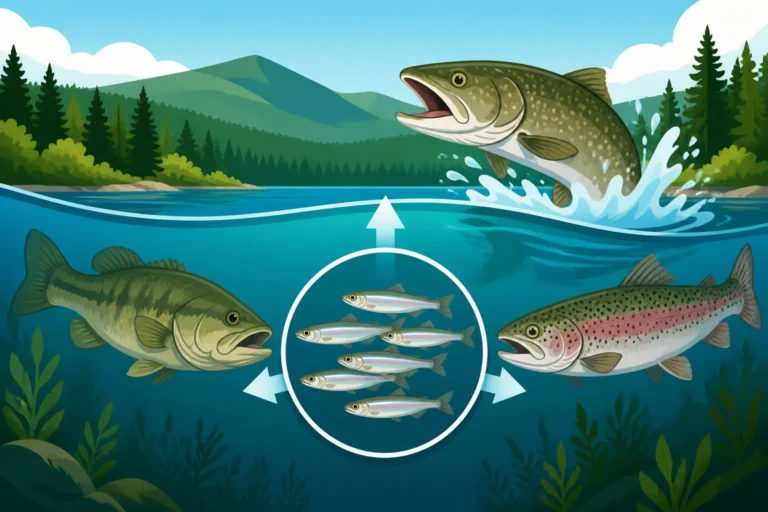
The parasitic feeding habits of sea lamprey have had catastrophic effects on Lake Champlain's native and stocked fish populations, particularly on larger, cold-water species that are highly prized by anglers. Think about our majestic lake trout, the powerful landlocked salmon, and even popular sport fish like walleye and bass—they are all vulnerable. When a sea lamprey attaches, it doesn't always kill the host fish immediately, but it leaves behind debilitating wounds. These wounds can become infected, weaken the fish, and make it more susceptible to disease or predation. Imagine trying to fight a strong current or escape a predator when you've got a gaping, infected wound on your side. It's a struggle many Lake Champlain fish face.
Over time, this continuous assault leads to high mortality rates, especially for larger, older fish that are targeted by lamprey more often. This directly impacts the trophy potential of the lake, making it harder for anglers to find those big, healthy fish they dream of. Many anglers have pulled in beautiful Lake Champlain Lake Trout Fishing or a feisty Smallmouth Bass Fishing in Vermont only to find unsightly, healed-over scars or fresh wounds from a lamprey attack. This visual evidence of lamprey damage is a stark reminder of their pervasive presence and the stress they put on the fish.
Economic and Recreational Ramifications
Beyond the ecological damage, the sea lamprey invasion has tangible economic and recreational consequences for Vermont. A fishery in decline, or one where the fish are visibly scarred and unhealthy, is simply less attractive to anglers. This means fewer people booking charter trips, fewer sales at local bait and tackle shops, and a general dampening of the vibrant tourism industry that revolves around Lake Champlain fishing. Local businesses, from gas stations to restaurants, feel the pinch when fishing activity decreases.
The state invests significant resources into stocking programs, particularly for species like lake trout and salmon, to maintain healthy populations and provide angling opportunities. When sea lamprey are abundant, a large percentage of these stocked fish can be attacked and killed before they ever reach a catchable size, essentially wasting conservation dollars. The goal is to grow healthy, thriving fish that can contribute to a robust fishery, not to become lamprey meals. Protecting these investments, and the recreational experiences they provide, is a major driver behind the control program. Anglers often pick up a new tackle box or specialized sonar unit from Amazon to stay ahead, but even the best gear can't make up for a depleted fish population.
A History of Invasion: How Sea Lamprey Became a Problem in Lake Champlain
It's easy to assume that sea lamprey are just naturally occurring in large bodies of water, but their significant presence in Lake Champlain isn't a natural phenomenon. It's a consequence of human activity, inadvertently creating a pathway for these parasitic creatures to colonize an ecosystem where they were never meant to be. Understanding this historical context helps to clarify why such an intensive control program is necessary today.
The Barrier That Fell: Connecting Lake Champlain to the Atlantic
For thousands of years, Lake Champlain was naturally protected from sea lamprey by a series of waterfalls and rapids on the Richelieu River, which flows north out of the lake towards the St. Lawrence River and eventually the Atlantic Ocean. These natural barriers acted as an impenetrable blockade, preventing adult sea lamprey from migrating upstream into the lake to spawn. Lake Champlain was a pristine freshwater environment, isolated from the marine influences that characterize the lamprey's native habitat.
However, human ingenuity, aimed at improving transportation and commerce, inadvertently breached this natural defense. The construction of canals and locks, most notably the Chambly Canal in Quebec, Canada, during the 19th century, bypassed these protective rapids. While these waterways opened up vital shipping routes, they also created a clear highway for sea lamprey to enter Lake Champlain. It wasn't a slow, natural seep, but rather an abrupt, man-made connection that changed the lake's ecology forever. This critical turning point marked the beginning of the lamprey's establishment and subsequent impact. You can find a myriad of resources, from identification guides for different species to historical accounts of invasive species, available on platforms like Amazon if you're looking to deepen your knowledge of these events.
A New Ecosystem, No Natural Predators
Once sea lamprey gained access to Lake Champlain, they found an environment that was, for them, a paradise. The lake offered an abundance of large, unsuspecting fish species that had never evolved defenses against this type of predator. Unlike their native marine habitats, where they face a broader range of environmental challenges and perhaps some level of predation, Lake Champlain presented a relatively consequence-free feeding ground. They could attach, feed, and detach with little to no threat to themselves.
This lack of natural checks and balances allowed the sea lamprey population to explode. With ample food and ideal spawning grounds in the lake's tributaries, they reproduced rapidly and established a significant, self-sustaining population. The native fish populations, particularly species like Trout Fishing in Vermont and Walleye Fishing on Lake Champlain, were ill-equipped to handle this new parasitic threat. The ecological balance was severely disrupted, leading to the dramatic decline in native fish health and numbers that sparked the urgent need for a comprehensive control program. This situation is a prime example of the far-reaching consequences of Invasive Fish Species in Vermont Waters.
The Battle Plan: Strategies for Sea Lamprey Control on Lake Champlain
Dealing with an established invasive species like the sea lamprey isn't a simple task. It requires a well-orchestrated, multi-pronged approach that targets different stages of the lamprey's life cycle. The control program on Lake Champlain is a collaborative effort, combining scientific research, careful application of specialized tools, and ongoing monitoring to minimize the lamprey's impact and restore the health of the fishery.
Lampricides: Targeting the Larval Stage
One of the primary tools in the sea lamprey control arsenal is the use of lampricides. These are highly specific pesticides, primarily TFM (3-trifluoromethyl-4-nitrophenol) and, sometimes, Bayluscide, that are applied to the rivers and streams where sea lamprey larvae (ammocoetes) live embedded in the sediment for several years. The genius of this method lies in its targeting: these lampricides are toxic to sea lamprey larvae at concentrations that are generally safe for most other fish and aquatic organisms when applied correctly by trained professionals.
Before any lampricide application, extensive surveys are conducted to identify streams with significant lamprey larval populations. The treatments are then precisely timed and carefully monitored to ensure maximum effectiveness against the lamprey while minimizing any non-target impacts. It's not a blanket spraying; it's a strategic, calculated strike at a vulnerable point in the lamprey's life cycle. By killing the larvae before they can transform into parasitic adults and migrate into the main lake, the program aims to reduce the overall number of adult lamprey that can attack fish. This forms the backbone of the Sea Lamprey Control on Lake Champlain efforts.
Barriers and Traps: Preventing Spawning and Capturing Adults
While lampricides tackle the larval stage, other methods are crucial for managing adult sea lamprey. Physical barriers are constructed in certain rivers to prevent adult lamprey from migrating upstream to reach their spawning grounds. If lamprey can't reproduce successfully, their numbers will naturally decline. These barriers are strategically placed to block lamprey while allowing other desirable fish species to pass or providing alternative passage mechanisms. Even for home projects or monitoring equipment that supports local conservation efforts, some specialized tools might be found through suppliers listed on Amazon.
Complementing these barriers are traps. As adult lamprey attempt to migrate upstream to spawn, they are funneled into specialized traps. These captured lamprey are then removed from the ecosystem, preventing them from spawning and reducing the parasitic pressure on the lake's fish. Trapping efforts are particularly effective in rivers where lampricide application might be difficult or less efficient, offering another vital layer of control. These methods require constant vigilance and adaptation, as lamprey are persistent creatures.
Integrated Pest Management: A Multi-Pronged Approach
It's important to understand that no single method is a silver bullet. The success of the Lake Champlain sea lamprey control program relies on an integrated pest management (IPM) approach. This means combining lampricide treatments, physical barriers, and trapping, alongside ongoing research, monitoring, and adaptive strategies. Scientists continuously study lamprey populations, their movements, and the effectiveness of various control methods. This allows them to adjust tactics, ensuring the program remains as efficient and impactful as possible.
The program involves a significant amount of collaboration between the Vermont Fish & Wildlife Department, the New York State Department of Environmental Conservation, and the U.S. Fish & Wildlife Service. It's a testament to regional cooperation in addressing a shared ecological challenge, all aimed at restoring a healthy, thriving fishery for everyone. This includes managing Vermont Lake Champlain Fishing Rules in conjunction with control efforts.
The Path Forward: Continuing Efforts and Angler Awareness
The battle against the sea lamprey is not a one-time fight; it's an ongoing commitment. The nature of invasive species, especially one with a reproductive capacity and adaptability like the sea lamprey, means that control programs must be sustained and continually refined. The future health of Lake Champlain's fishery depends on this enduring vigilance and the cooperation of everyone who enjoys its waters.
The Ongoing Commitment and Future Challenges
Because sea lamprey can re-establish populations if control efforts cease, the Lake Champlain program is a long-term endeavor. Funding, resources, and dedicated personnel are continuously required to conduct surveys, apply lampricides, maintain barriers, and manage traps. It's an expensive but absolutely necessary investment to protect the ecological and economic value of Lake Champlain. Challenges like climate change, which could alter stream flows and temperatures, or the potential for lamprey to adapt to control methods, mean that the program must remain flexible and rooted in cutting-edge science.
Researchers are constantly looking for new and even more targeted ways to manage lamprey, including exploring pheromones that could be used to lure them into traps or disrupt their spawning. It's a dynamic field, and while the current methods have proven effective in significantly reducing lamprey populations and improving fish health, the work is never truly done. The commitment to maintain a healthy Lake Champlain for Lake Champlain Fishing Guide is unwavering.
What Anglers Can Do to Help
As anglers and enthusiasts of Lake Champlain, we all have a role to play in supporting these efforts. Here are a few ways you can contribute:
- Report Scarred Fish: If you catch a fish with fresh lamprey wounds or obvious scars, consider reporting it to the Vermont Fish & Wildlife Department. This information can help biologists monitor lamprey activity and population trends.
- Practice Responsible Angling: Healthy fish populations are more resilient to parasitic attacks. Practice catch-and-release techniques responsibly, especially for larger breeding fish, and always follow Vermont Bag and Possession Limits by Species. The healthier our fish, the better they can cope.
- Clean, Drain, Dry Your Gear: While this mostly pertains to preventing other invasive species, developing good habits across the board helps maintain the overall health of the ecosystem. Always clean your boat, dispose of bait properly, and drain livewells before leaving an access area.
- Stay Informed: Understanding the program, its goals, and its challenges helps build public support, which is vital for securing continued funding and resources. If you're looking for books on fish identification or the history of Lake Champlain's ecology, Amazon has a wide selection that can help you understand these complex issues better.
Ensuring your boat is well-maintained and stocked with essential safety gear, often purchased from trusted vendors on Amazon, is another way to support a healthy recreational fishery by being a responsible boater. The ongoing success of the sea lamprey control program is not just about scientists and state agencies; it's about a collective commitment to protecting one of Vermont's most precious natural resources.
| Program Component | Description | Primary Goal | Target Life Stage |
|---|---|---|---|
| Lampricides | Chemical treatments applied to lamprey-infested streams | Reduce larval lamprey populations | Larvae (ammocoetes) |
| Barriers | Physical structures in rivers | Prevent adult lamprey from reaching spawning areas | Adults |
| Traps | Devices to capture adult lamprey migrating upstream | Remove spawning adults from the system | Adults |
| Monitoring | Surveys, wound assessment, population tracking | Evaluate program effectiveness, guide actions | All stages |
| Research | Study lamprey biology and new control methods | Improve existing tactics, develop new solutions | All stages |
Disclaimer
This article is for general informational purposes only and does not constitute professional advice. Laws, prices and regulations vary by location and change over time. Consult a qualified professional for guidance on your specific situation.