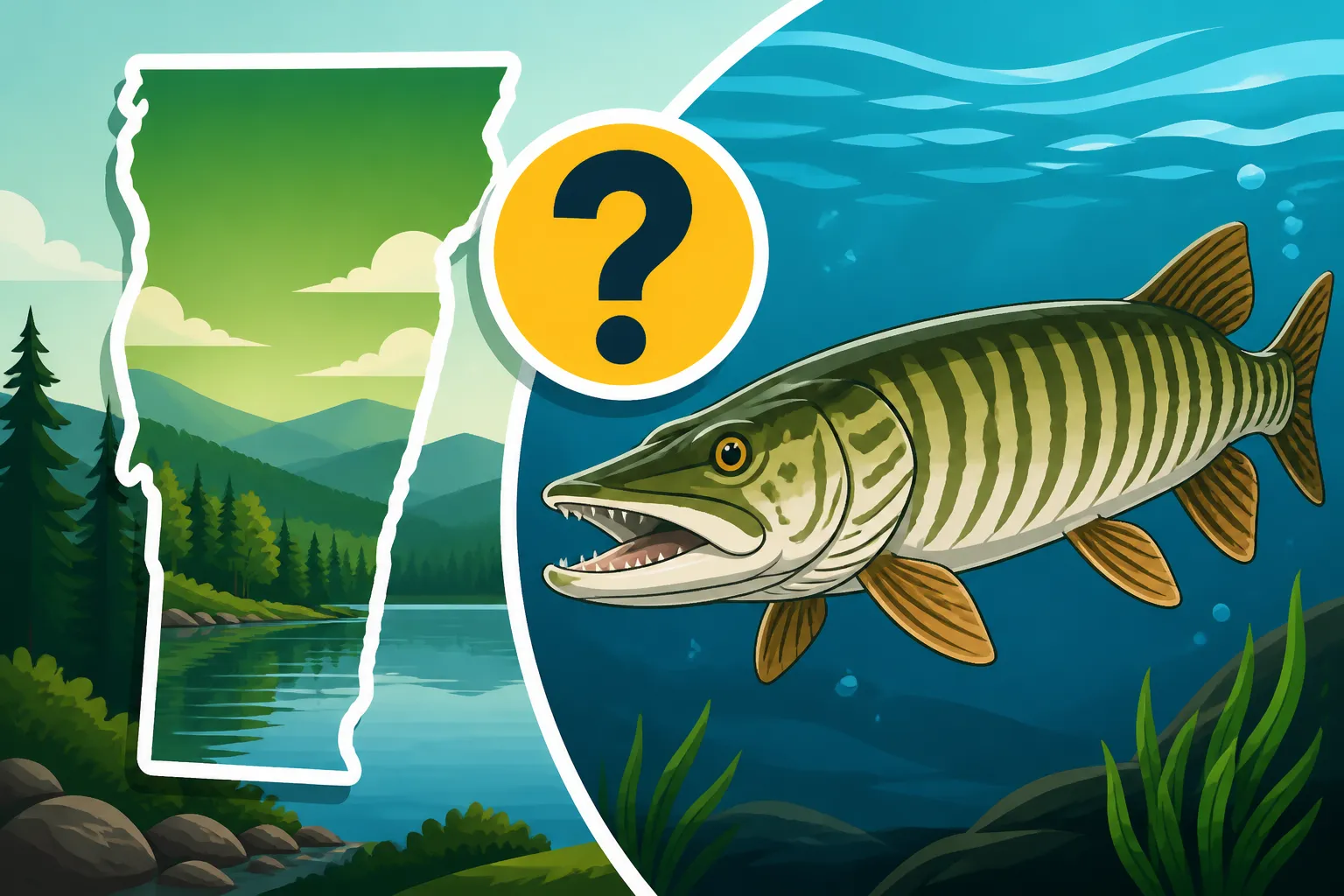
Are Tiger Muskie Stocked in Vermont?
Oh, the allure of those exotic, hard-fighting fish! It's completely understandable to wonder if unique species like the Tiger Muskie, known for their aggressive strikes and impressive size, might be swimming in Vermont's beautiful lakes and rivers. Many anglers, myself included, dream of battling a true freshwater giant. It can be a little frustrating sifting through information to figure out exactly what's out there, what's stocked, and what's just a whispered legend. This guide is here to clear the waters for you, specifically addressing whether Vermont’s waters are home to the fabled Tiger Muskie, and what thrilling alternatives our Green Mountain State truly offers for those seeking a trophy catch.
Understanding the Allure of Tiger Muskie and What They Are
Let's start by diving into what makes the Tiger Muskie such a captivating fish and why they've gained such a legendary status among anglers. It's not just their size, but their striking appearance and reputation for being fierce fighters that draw so much attention.
What Exactly is a Tiger Muskie?
A Tiger Muskie isn't a naturally occurring species in the wild. It's actually a hybrid—a cross between a Northern Pike and a Muskellunge. Think of it as nature's own power-up version, combining the aggressive nature and torpedo-like body of a pike with the sheer size potential and predatory prowess of a muskie. These fish are typically sterile, meaning they can't reproduce on their own, which is why any population would be entirely dependent on stocking efforts by fisheries management agencies. They get their "tiger" name from their distinctive barred or spotted pattern on a lighter background, a sort of striped camouflage that makes them look incredibly cool. They’re fast-growing, often reaching impressive sizes quickly, which is a big part of their appeal for trophy hunters.
Why Anglers Dream of Catching Them
For many anglers, the thought of hooking into a Tiger Muskie is the stuff of dreams. Imagine the thrill: a powerful, explosive strike, followed by a drag-screaming fight that tests every ounce of your tackle and skill. They're renowned for their fighting spirit, their incredible speed, and their sheer power. Plus, that unique tiger-striped pattern makes for an absolutely stunning photo opportunity. Anglers often travel far and wide to places where these fish are stocked, seeking that one memorable battle. It’s a challenge, a quest, and when you finally come face-to-face with one, it's an experience that truly sticks with you. The anticipation alone, knowing there's a chance to tie into something so formidable, keeps many coming back to the water.
The Current Reality: Are Tiger Muskie Found in Vermont Waters?
Now, let's get to the heart of the matter. It's a question many ask, especially those who've heard tales from other states. The short answer, and I know it might be a little disappointing if you were hoping for a "yes," is that Tiger Muskie are not currently stocked in Vermont waters, and therefore, you won't find established populations here.
Vermont's Stocking Philosophy
The Vermont Fish and Wildlife Department has a very thoughtful and specific philosophy when it comes to fish stocking. Their primary focus is generally on native species, or those that have been naturalized and thrive within the state's existing ecosystems. This often includes species like various trout species, salmon, and occasionally walleye to bolster populations or create new fishing opportunities. The emphasis is on maintaining ecological balance and supporting the fish that naturally belong here or have proven their ability to integrate without causing harm. Introducing a hybrid species like the Tiger Muskie, which cannot reproduce and requires continuous stocking, often doesn't align with this long-term management strategy, especially when there are already robust native predator fish populating our lakes and rivers. They invest significant resources into species that can sustain themselves or provide targeted, high-value fisheries like Vermont Trophy Trout Program Waters.
Distinguishing Tiger Muskie from Native Vermont Pike and Muskie
It's easy to get excited and maybe mistake a particularly large or uniquely marked Northern Pike for a Tiger Muskie. However, it's important to know the differences. Northern Pike are common throughout many Vermont lakes and rivers, and they can grow quite large, offering excellent sport. They typically have a more elongated, 'bean-shaped' spot pattern on a dark background. Muskellunge, on the other hand, are the true giants of Vermont's waters, and we do have a thriving population, primarily in Lake Memphremagog. Muskies generally have dark markings (bars or spots) on a lighter background, but the pattern is more variable and less uniform than the distinct bars of a Tiger Muskie. Plus, their overall body shape, fin structure, and scale patterns differ slightly. If you're ever in doubt, the Vermont Fish and Wildlife Department is a great resource, but generally, if you're catching a fish that looks like a muskie or a pike in Vermont, it's almost certainly one of those two species, not their hybrid cousin.
Here’s a quick visual comparison to help you tell them apart:
| Feature | Northern Pike | Muskellunge | Tiger Muskie (Hybrid) |
|---|---|---|---|
| Body Markings | Light, bean-shaped spots on dark body | Dark bars or spots on lighter body | Dark, pronounced vertical bars on light body |
| Tail Fin | Rounded or slightly forked | More deeply forked, often pointed tips | More deeply forked |
| Scales on Cheek | Fully scaled | Upper half scaled, lower half bare | Typically fully scaled |
| Scales on Opercle | Fully scaled | Upper half scaled, lower half bare | Upper half scaled, lower half bare (variable) |
| Pores on Underside of Jaw | Usually 5 or less per side | Usually 6-9 per side | Typically 6-9 per side |
| Native to Vermont | Yes | Yes (Lake Memphremagog) | No |
Vermont's True Giants: Native and Naturalized Predator Fish
While the Tiger Muskie may not call Vermont home, that certainly doesn't mean our waters are lacking in thrilling, hard-fighting predator fish! In fact, Vermont boasts several species that grow to impressive sizes and offer incredible angling experiences. You absolutely do not need a hybrid to experience the thrill of a lifetime; our native and naturalized giants are more than up to the task.
Lake Memphremagog's Muskellunge: The Real Deal
If you're truly seeking a muskie experience, look no further than Lake Memphremagog. This magnificent international lake, straddling the Vermont-Quebec border, is famous for its healthy and robust population of purebred Muskellunge. These aren't stocked hybrids; these are the genuine article, apex predators that can grow to truly enormous sizes. Anglers here regularly tangle with fish pushing into the 40-50 inch range, with even larger specimens caught occasionally. Fishing for muskie on Lake Memphremagog is a serious endeavor, requiring heavy tackle, immense patience, and specialized techniques. It's a fantastic fishery, and if you dedicate the time and effort, you have a real shot at catching the fish of a thousand casts. It's also important to be aware of the specific rules for these magnificent fish, including length limits and handling guidelines, which you can read more about in Vermont Muskellunge Regulations on Lake Memphremagog and Muskellunge catch and release survival tips.
Northern Pike: Widespread and Aggressive
The Northern Pike is another fantastic freshwater predator that is much more widely distributed across Vermont. You'll find them in many of our larger lakes and rivers, including Lake Champlain, Lake Bomoseen, and the Missisquoi River. Pike are ambush predators, known for their explosive strikes and powerful runs. While they might not reach the extreme sizes of the largest muskies, a large pike in the 30-40 inch range is an incredible fight on the right gear. They're often found lurking in weed beds or near submerged structure, ready to dart out and ambush unsuspecting baitfish. Their toothy grins and aggressive nature make them a favorite target for many anglers seeking a thrilling fight. Plus, they're generally more accessible than muskie, offering opportunities for both boat and shore anglers. If you're looking for where to start, check out Northern Pike Waters in Vermont for some great suggestions.
Lake Trout and Landlocked Salmon: Deep Water Apex Predators
Don't overlook the incredible deep-water fighters found in some of Vermont's colder, deeper lakes. Lake Trout and Landlocked Salmon are absolute powerhouses, offering incredible battles, especially during cooler water periods. Lake Champlain is renowned for its Lake Trout Fishing in Vermont, where these cold-water giants can grow to impressive sizes, often requiring specialized trolling techniques to reach them in the depths. Similarly, lakes like Willoughby, Memphremagog, and Dunmore hold beautiful Landlocked Salmon Fishing in Vermont, which are known for their acrobatic leaps and strong runs once hooked. These fish offer a different kind of challenge compared to pike and muskie, often requiring a good understanding of sonar, thermoclines, and specific trolling patterns, but the reward of landing one of these pristine beauties is absolutely worth the effort.
Chasing Big Fish in Vermont: Gear and Strategy for Our Local Monsters
So, you're ready to tackle Vermont's big predator fish? That's the spirit! While Tiger Muskie aren't on the menu, our local giants like Muskellunge, Northern Pike, Lake Trout, and Landlocked Salmon provide all the excitement you could ever want. But catching these impressive fish isn't something you can do with just any old rod and reel. You need to be prepared.
Essential Gear for Targeting Vermont's Large Predators
When you're targeting big, toothy, or powerful fish, your gear needs to be up to the challenge. Skimping here will only lead to heartbreak.
- Rods and Reels: For muskies and pike, you'll want heavy or medium-heavy casting or spinning rods, typically 7 to 9 feet long, paired with robust baitcasting reels capable of handling heavy lines and big lures, or strong spinning reels. For lake trout and salmon, medium to medium-heavy trolling rods are often preferred, especially when using downriggers, matched with line-counter reels. You can find a great selection of high-quality, durable rods and reels on platforms like Amazon that will stand up to the abuse these fish can dish out.
- Line: Braided line is almost a necessity for these species due to its strength, lack of stretch, and thin diameter. For pike and muskie, 50-80 lb test is common, often with a heavy fluorocarbon or wire leader to prevent bite-offs from their razor-sharp teeth. For lake trout and salmon, 15-30 lb monofilament or fluorocarbon is typical, with specialized lead core or copper lines used for deep trolling.
- Lures: This is where it gets fun!
- Pike/Muskie: Large spinnerbaits, bucktails, jerkbaits, glide baits, and big soft plastics are excellent choices. Topwater lures can also be incredibly exciting when conditions are right. Look for reputable brands and read reviews on Amazon to ensure you're getting quality lures that can handle powerful strikes.
- Lake Trout/Salmon: Spoons, flasher/fly combinations, stickbaits, and even live bait like smelt (where permitted) are popular.
- Net: A large, sturdy landing net is absolutely crucial for safely landing and releasing these fish. A net with a deep, rubberized mesh is best, as it's easier on the fish and less likely to tangle hooks. Nobody wants to lose a trophy at the boat! You can find excellent landing nets for large fish on Amazon, often with extendable handles.
- Tools: Long-nosed pliers, bolt cutters (for cutting hooks if necessary), and jaw spreaders are essential for safely unhooking toothy critters like pike and muskie without injuring yourself or the fish. Remember, safety first!
You can explore a wide variety of these specialized items and read user reviews on Amazon to help you make informed decisions about your purchases, ensuring you're well-equipped for your next big fish adventure in Vermont.
Best Practices for Catch and Release of Large Fish
Catching a giant is exhilarating, but ensuring its survival after the fight is paramount. These large predators are often older, slower-growing fish that are vital to maintaining a healthy fishery.
- Minimize Fight Time: Use appropriate tackle to bring the fish in as quickly as possible without over-stressing it. A long, drawn-out fight can exhaust a fish to the point where it can't recover.
- Keep the Fish in the Water: Whenever possible, keep the fish in the net or in the water while you remove hooks. Lifting large fish horizontally by the head or tail can cause significant internal damage. If you must lift it for a quick photo, support its body horizontally with two hands, one under the belly and one near the tail.
- Use Proper Tools: Those long-nosed pliers and jaw spreaders aren't just for your safety; they help you remove hooks quickly and efficiently, minimizing the fish's time out of water.
- Revive the Fish: Hold the fish gently in the water, facing into any current, until it regains its strength and can swim away under its own power. Don't just toss it back; make sure it's vigorous.
- Be Prepared: Have your camera ready for a quick shot, your net deployed, and your tools accessible before you even cast. This preparedness makes the whole process smoother and less stressful for the fish.
By following these practices, you're not just enjoying your fishing; you're actively contributing to the health and sustainability of Vermont's incredible fisheries, ensuring future generations can also experience the thrill of our true giants.
Disclaimer
This article is for general informational purposes only and does not constitute professional advice. Laws, prices and regulations vary by location and change over time. Consult a qualified professional for guidance on your specific situation.