What walleye eat on Lake Champlain
One of the biggest head-scratchers for any angler hitting the majestic waters of Lake Champlain is figuring out what those elusive walleye are actually munching on. It can be incredibly frustrating to spend hours on the water, throwing every lure in your tackle box, only to come up empty-handed because you're not offering what's on their menu. This comprehensive guide will pull back the curtain on the dietary habits of Lake Champlain walleye, helping you understand their preferences, seasonal shifts, and ultimately, how to choose the right bait and lures to entice them to bite.
Understanding Walleye as a Predator in Lake Champlain
Walleye are formidable predators in Lake Champlain, perfectly adapted to hunt in its often murky or deeper waters. They're not just passively waiting for food to swim by; they actively seek out and pursue their prey. To truly understand How to Catch Walleye on Lake Champlain, you first need to get inside their predatory mindset and appreciate the specific biological advantages they possess.
Opportunistic Feeders: A Key to Walleye Success
One of the defining characteristics of walleye is their opportunistic feeding behavior. This isn't to say they'll eat just anything, but rather that they'll readily consume whatever abundant and accessible forage is available to them. Their diet can shift based on the season, water temperature, depth, and even the time of day. This adaptability is precisely why Lake Champlain supports such a healthy walleye population; if one food source becomes scarce, they can switch to another. It means that as anglers, we can't get stuck on one single "secret bait." We need to be observant and willing to adapt our presentations to match what the walleye are currently keying in on. Think of it like a diner with a rotating specials board – the walleye are always checking for the easiest, most delicious meal available right now.
Low-Light Vision: How Walleye Hunt
The walleye's incredible low-light vision is perhaps their greatest hunting asset, and it profoundly dictates what walleye eat on Lake Champlain and when they prefer to feed. Their large eyes have a reflective layer called a tapetum lucidum, which amplifies available light, giving them a significant advantage over most prey species, and indeed over other game fish, especially during dawn, dusk, cloudy days, or in deeper, darker water. This means they are often most active when the light is dim. Picture a walleye cruising the edges of a weed bed or a rocky drop-off at twilight, their eyes glowing like marbles in your flashlight beam; they can see the subtle movements of a smelt or a perch much better than their prey can see them. This superior vision allows them to ambush effectively, making them particularly vulnerable to anglers presenting baits that mimic injured or disoriented prey in these low-light conditions.
The Primary Forage Base of Lake Champlain Walleye
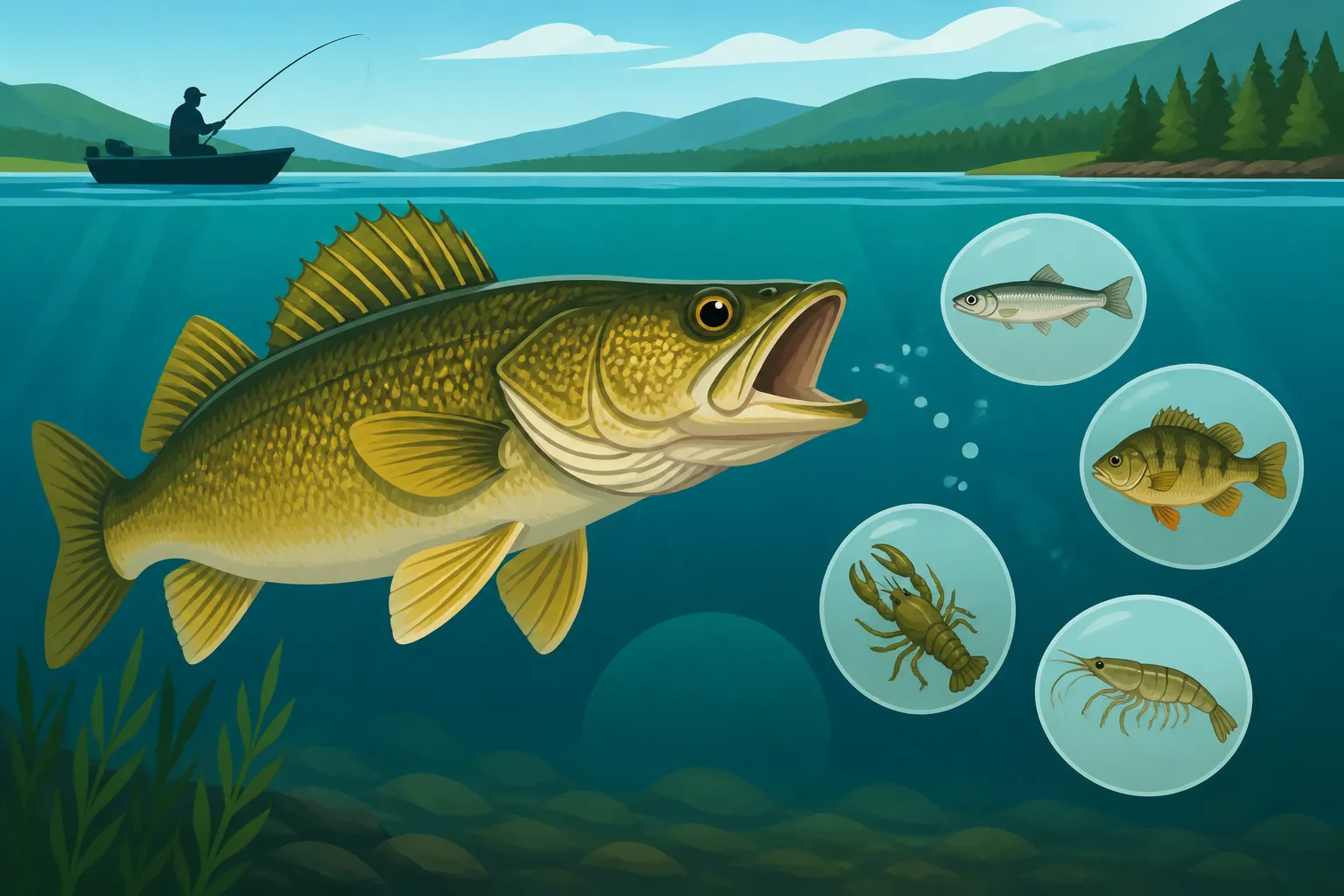
When you're trying to figure out what walleye eat on Lake Champlain, it really boils down to a few key species that make up the bulk of their diet. Understanding these primary forage fish is crucial for any angler hoping to consistently hook into these sought-after fish. These baitfish are the building blocks of the walleye's energy, growth, and overall health in the lake.
Rainbow Smelt: The Walleye's Favorite Meal
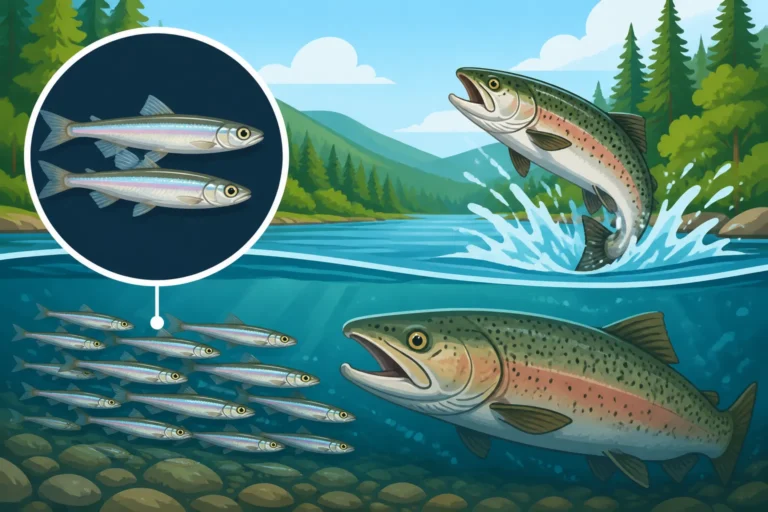
If there's one item that consistently tops the walleye menu in Lake Champlain, it's the rainbow smelt. These slender, oily fish are absolutely packed with protein and fat, making them an ideal food source for walleye, especially during the colder months and right after ice-out. Smelt are schooling fish, often found in deeper, cooler waters, which aligns perfectly with walleye preferences. In the early spring, when smelt migrate into shallower areas to spawn, it creates a feeding frenzy for walleye. Anglers who can effectively mimic the size, profile, and action of a smelt, either with live bait or artificials, often find themselves in the best position for success. You might even see large aggregations of walleye following smelt schools on your fish finder, a clear sign that you're in the right place.
Alewife: A Newer, Abundant Food Source
The alewife is a more recent addition to Lake Champlain's ecosystem, and their abundance has definitely altered the walleye's diet. These silvery, fast-moving baitfish provide an incredibly rich food source, and walleye have adapted to take full advantage of them. Alewife tend to stay in open water, often suspending in large schools, which means walleye will often follow suit, moving away from traditional structure to hunt them. The presence of alewife can sometimes make walleye fishing a bit more challenging, as the walleye have such a readily available and massive food supply. When walleye are gorging on alewife, they can be tough to tempt, but understanding this pattern means you might need to present your baits differently – perhaps faster, or in open water, to match the alewife's erratic movements. Their distinct silvery flash is also a key characteristic to remember when choosing artificial lures.
Yellow Perch: A Constant Presence
Yellow perch are a cornerstone of the Lake Champlain fishery and a consistently reliable food source for walleye throughout the year. Perch are incredibly widespread, inhabiting everything from shallow weed beds to rocky reefs and deeper flats. They're also relatively slow-moving compared to smelt or alewife, making them an easier target for walleye. Young-of-the-year perch are particularly vulnerable and represent a major component of the walleye diet, especially in areas where perch are schooling. Many anglers swear by lures that imitate the distinct green and yellow stripes of a perch, particularly when fishing areas where perch are known to congregate. You can often find walleye lurking around the same structures as perch, patiently waiting for an easy meal to swim by. This consistent prey item makes perch imitations a staple in many walleye anglers' tackle boxes, whether you're buying them at a local bait shop or browsing for realistic lures on Amazon.
Seasonal Dietary Shifts and How They Affect Fishing
Just like we change our eating habits with the seasons, so do walleye. Their diet on Lake Champlain isn't static; it constantly evolves throughout the year, driven by water temperature, spawning cycles, and the availability of different forage species. Understanding these seasonal shifts is absolutely critical for successful walleye fishing. You can't just use the same approach in May that you would in August or January.
Springtime Feasting: Post-Spawn Hunger
After the Walleye Spawning Season in Vermont in early spring, walleye are often ravenous. They've expended a tremendous amount of energy and are looking to quickly replenish their reserves. During this time, they'll often be found in shallower bays and near river mouths, transitioning from spawning grounds back to feeding areas. Smelt are still a major draw, especially as they move into shallower waters to spawn themselves. Walleye will also readily consume smaller yellow perch, minnows, and even some aquatic insects. The key here is that they're not picky; they're driven by hunger. This is often a prime time for anglers to target them, as they're actively looking for food and willing to chase down a variety of presentations. Trolling shallow-diving stickbaits or jigging with live shiners can be particularly effective.
Summer Deepwater Pursuits
As Lake Champlain's waters warm up in the summer, walleye generally retreat to cooler, deeper parts of the lake. This is where you'll find them holding on deep structure like humps, points, and sudden drop-offs. Their diet during this period primarily consists of suspended baitfish like alewife and rainbow smelt, which also prefer these cooler, deeper zones. Walleye will also continue to feed on yellow perch, particularly larger ones that inhabit deeper areas. How deep walleye go in summer on Lake Champlain depends on many factors, including the availability of oxygen and baitfish, but generally, you'll be looking at depths ranging from 20 to 60 feet or even deeper. Trolling with crankbaits and spoons, or vertical jigging with heavy jigs and soft plastics, are popular techniques to reach these fish. It's a game of finding the baitfish schools and presenting your lure right in the strike zone.
Fall Fattening for Winter
Autumn on Lake Champlain brings a noticeable change in walleye behavior. As water temperatures begin to cool, walleye go into a "fattening up" mode, trying to consume as much as possible to prepare for the lean winter months. They become incredibly aggressive feeders. During this period, they'll often move back into shallower to mid-depth ranges, especially during low-light periods, chasing large schools of baitfish. Smelt and alewife are still high on their list, but larger yellow perch and cisco can also become significant prey. The walleye's metabolism is still relatively high, and they'll readily strike larger lures, making fall a fantastic time for targeting trophy fish. Best Techniques for Fall Walleye often involve trolling with larger crankbaits or casting hefty swimbaits to cover water and intercept actively feeding fish.
Winter Ice Fishing Diet
Even under the ice, Lake Champlain walleye need to eat, although their metabolism slows down considerably. During the winter, their diet is dominated by what's readily available and easily caught. Yellow perch are a huge part of their winter diet, as they are ubiquitous and relatively easy to ambush through holes in the ice. Smelt are also important, especially in deeper, clear waters. Walleye will also opportunistically feed on smaller minnows. Ice fishing for walleye often involves jigging with spoons or small jigs tipped with live bait like emerald shiners or even a perch eye. You might also set up tip-ups with larger minnows suspended near the bottom. Understanding that they're conserving energy means your presentation needs to be slower and more enticing, drawing them in rather than requiring an energetic chase.
Other Important Prey and Incidental Forage
While rainbow smelt, alewife, and yellow perch form the core of the walleye diet in Lake Champlain, these intelligent predators aren't limited to just those three. They're opportunistic for a reason, and a closer look reveals a broader range of snacks and meals they'll happily consume.
Cisco and Other Minnows
Lake Champlain hosts a variety of other smaller baitfish that contribute to the walleye's overall diet. Cisco, a coldwater schooling fish, can be an important food source, especially in deeper, colder parts of the lake where they overlap with walleye. While not as dominant as smelt or alewife, cisco offer a substantial meal when encountered. Beyond cisco, various other minnow species, often lumped together as "shiners" or "chubs," can also be part of a walleye's diet, particularly in shallower areas or near tributary mouths where these smaller fish are abundant. Anglers using live minnows, such as fatheads or emerald shiners, as bait are effectively tapping into this aspect of the walleye's natural diet. You can often find a good selection of live minnows at local bait shops or even larger online retailers like Amazon for other fishing accessories.
Crayfish, Insects, and Leech Morsels
While walleye are primarily piscivorous (fish-eating), they are not exclusively so. When conditions dictate, or if other forage is scarce, they will readily turn to invertebrates. Crayfish are a prime example. These crustaceans are abundant in many rocky and sandy areas of Lake Champlain, and walleye will certainly feast on them, especially smaller ones, when they are accessible. Many walleye lures, particularly jigs and soft plastics, are designed to imitate a crayfish's movement and appearance. Beyond crayfish, large aquatic insects, particularly larval forms, and even leeches can occasionally make up a small portion of a walleye's diet, especially for younger fish or in specific habitats. These are more incidental meals, but they show the walleye's adaptability and willingness to consume whatever nutritious morsels are available on the lakebed.
Mimicking the Menu: Best Lures and Baits for Lake Champlain Walleye
Knowing what walleye eat on Lake Champlain is only half the battle. The real trick is translating that knowledge into successful fishing techniques. This means choosing the right live baits and artificial lures that effectively mimic their natural food sources. It's about presenting something so convincing that the walleye can't resist it, even when they're not in a full-blown feeding frenzy.
Live Bait: When Natural is Best
Sometimes, nothing beats the real thing. Live bait is incredibly effective for walleye, precisely because it offers the natural scent, action, and appearance of their preferred prey.
- Smelt or Shiners: Small live smelt or large shiners (such as golden shiners or emerald shiners) are absolute walleye magnets. These can be fished on a slip-bobber rig, on a Carolina rig near the bottom, or slowly trolled behind a bottom bouncer. The natural struggle and flash of a live minnow can trigger strikes even from finicky walleye. When you're fishing in areas known for a strong smelt population, this is often your best bet.
- Perch Minnows: If you can get your hands on small live yellow perch, they make excellent walleye bait, especially in waters where perch are abundant. They're hardy and offer a familiar profile to walleye.
- Leeches: While not a primary forage fish, leeches are a fantastic walleye bait, particularly in warmer water. They are tough, wiggly, and emit a natural scent that walleye find appealing. They can be fished under a bobber or on a slow-trolled rig.
Using live bait often requires a slower presentation, allowing the bait to work its magic. Remember to check local regulations for any restrictions on bait use.
Artificial Lures: Replicating the Real Thing
When live bait isn't practical or available, a wide array of artificial lures can convincingly imitate the walleye's diet. The goal is to match the size, shape, color, and action of the primary forage. Best Lures for Walleye Trolling on Lake Champlain often include many of these types.
- Jerkbaits/Stickbaits: These lures are fantastic for imitating slender baitfish like smelt and alewife. Brands like Rapala Husky Jerks, Smithwick Rogues, or similar models in silver, blue/silver, or perch patterns can be trolled or cast and retrieved with a twitch-pause action to mimic an injured baitfish.
- Crankbaits: Diving crankbaits, both shallow and deep-running, are excellent for covering water and imitating swimming baitfish. Colors that mimic perch, smelt, or alewife (e.g., firetiger, chrome/blue, natural shad) are often very effective. These are especially popular for trolling when walleye are spread out or suspended.
- Soft Plastics: Paddle-tail swimbaits, grubs, and soft jerkbaits rigged on jig heads can be deadly. They offer a versatile presentation, mimicking everything from minnows to perch. Colors like chartreuse, white, natural shad, and darker greens are staples. The flexibility of soft plastics allows for subtle movements that can be irresistible.
- Jigging Spoons: For vertical jigging, especially in deeper water or through the ice, spoons are hard to beat. Their fluttering action on the fall imitates a wounded baitfish, and the flash can draw attention from a distance. Silver, gold, or glow-in-the-dark are common effective colors.
- Bottom Bouncers and Crawler Harnesses: While not a lure itself, a bottom bouncer rigged with a crawler harness is a classic walleye setup, especially for trolling. The spinning blades and a live nightcrawler (or an artificial worm imitation) appeal to the walleye's opportunistic nature, hitting on both the visual and olfactory senses.
Color and Size Matters: Matching the Hatch
Choosing the right color and size is paramount. If walleye are primarily feeding on small, silvery alewife, a large, brightly colored crankbait might be ignored. Conversely, if they're gorging on large perch, a tiny minnow imitation might not generate enough interest.
- Natural Colors: When the water is clear, or fishing pressure is high, more natural colors like silver, white, blue/silver, or subtle perch patterns often perform best, closely mimicking the real forage.
- Bright Colors: In stained or murky water, or during low-light conditions, brighter colors like chartreuse, orange, or firetiger can be more visible and help walleye hone in on your offering.
- Size Matching: Pay attention to the size of the baitfish currently in the area. Your fish finder might show schools of small bait, or you might even observe baitfish jumping. Try to select lures that are similar in length and profile to what the walleye are likely chasing.
Remember, experimentation is key. Start with what you believe is the most likely food source, and if that's not working, be willing to change your tactics and presentations. Keep an eye on what other successful anglers are using, and don't be afraid to try something completely different if the bite is tough.
Here's a quick reference table for common walleye forage and how to mimic it:
| Primary Forage Species | Key Characteristics | Best Live Bait to Mimic | Effective Artificial Lures | Best Lure Colors |
|---|---|---|---|---|
| Rainbow Smelt | Slender, silvery, oily, schooling | Live Smelt, Emerald Shiners | Long Jerkbaits, Trolling Spoons, Paddle-tail Swimbaits | Silver, Blue/Silver, White, Chrome |
| Alewife | Silvery, deep-bodied, schooling, open water | N/A (Hard to keep alive) | Crankbaits, Jerkbaits, Paddle-tail Swimbaits | Silver, Chrome, Shad, Blue |
| Yellow Perch | Green/yellow stripes, spiny fins, common | Live Perch Minnows | Perch-pattern Crankbaits, Jigs with Soft Plastics | Perch, Firetiger, Chartreuse, Green/Orange |
| Cisco | Silvery, torpedo-shaped, cold water | Large Shiners | Long Jerkbaits, Spoons, Blade Baits | Silver, White, Chrome |
| Crayfish | Bottom dweller, reddish-brown, scuttling | Small Live Crayfish | Jigs with Craw-style Soft Plastics, Deep Diving Crankbaits | Brown, Green Pumpkin, Orange |
| Minnows (general) | Small, silvery/dark, various species | Fathead Minnows, Golden Shiners | Small Crankbaits, Grubs on Jig Heads, Small Jerkbaits | Natural Shad, Silver, Black, White |
By understanding what walleye are feeding on, whether it's Lake Champlain Walleye Fishing or other bodies of water, and then presenting baits and lures that imitate those food sources, you'll dramatically increase your chances of a successful day on Lake Champlain. Don't be afraid to adjust your approach based on the season and conditions; that's the mark of a truly adaptable and effective angler. The more you learn about the patterns of these incredible fish, the more rewarding your time on the water will be.
Disclaimer
This article is for general informational purposes only and does not constitute professional advice. Laws, prices and regulations vary by location and change over time. Consult a qualified professional for guidance on your specific situation.