How big walleye get on Lake Champlain
The allure of fishing Lake Champlain is undeniable, but for many anglers, the burning question isn't just if they'll catch walleye, but how big those walleye can truly get. It's a common frustration to hear tales of giants and then wonder if your own local spot has the potential to produce such monsters, or if you're just destined for average catches. This guide will dive deep into the exciting world of Lake Champlain walleye, exploring their typical sizes, the factors that contribute to their impressive growth, and what you can realistically expect when you cast a line into these storied waters.
The Lake Champlain Walleye Fishery: A Haven for Big Fish
Lake Champlain isn't just any body of water; it's a massive, diverse ecosystem that provides ideal conditions for a thriving walleye population. From its deep, cold basins to its shallower, weedy bays, the lake offers a smorgasbord of habitats and food sources that allow walleye to grow to impressive sizes. It’s this rich environment that fuels the dreams of many anglers hoping to land a true trophy. If you’re serious about chasing these golden-eyed predators, understanding what makes Champlain special is the first step.
What to Expect: Average Walleye Size on Lake Champlain
When you're out on the lake, the average walleye you're likely to encounter will be a respectable fish, certainly enough to make for a fantastic meal. These fish often fall into the "eater" category, meaning they are within the legal slot limits and provide excellent table fare. They're strong, feisty, and a joy to catch on appropriate tackle. You'll find that many of these fish are perfectly healthy and a testament to the lake's robust fishery.
Generally, a typical keeper walleye on Lake Champlain will measure in the mid-to-high teens, perhaps 15 to 20 inches. These fish usually weigh between one and a half to three pounds, sometimes a bit more depending on their body condition and the time of year. They represent the bread and butter of the fishery and are a frequent target for those looking to fill a cooler. Don't underestimate the fight of these "average" walleye; they can still put a significant bend in your rod and make for memorable moments on the water.
While many anglers are happy with these consistent catches, the potential for something larger is always present. It's what keeps us coming back, isn't it? The possibility that the next bite could be the fish of a lifetime is a powerful motivator. Knowing the average helps set a baseline, but Lake Champlain certainly doesn't stop there in its offerings.
Factors Influencing Walleye Growth Rates
Several key factors play a critical role in determining how large walleye can grow in Lake Champlain. It's not just about luck; it's about the entire ecosystem supporting these fish. Understanding these elements can give you a better appreciation for the fishery and even help you anticipate where the bigger fish might be found. The natural processes at play are truly fascinating.
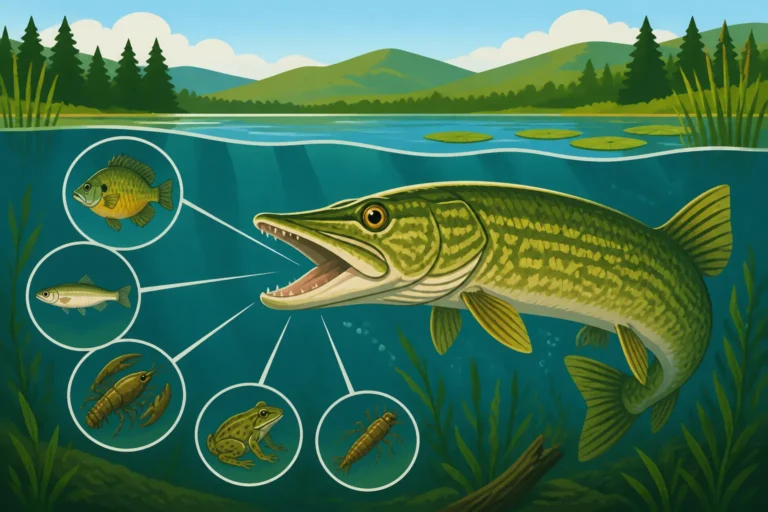
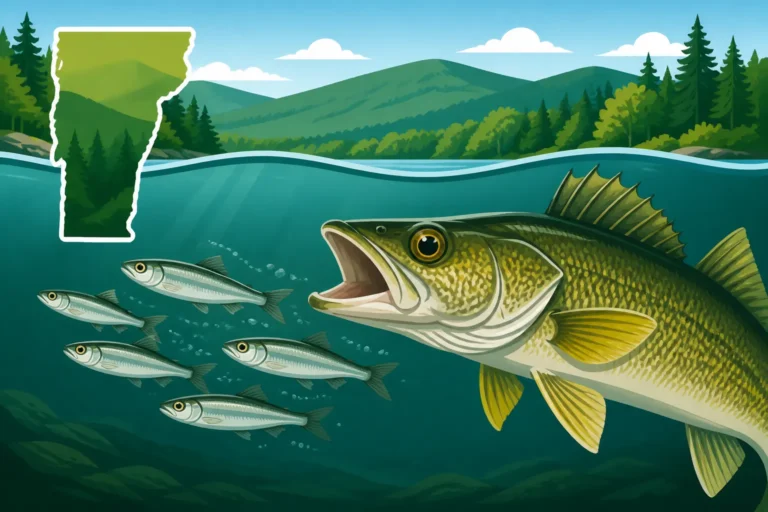
First and foremost is the abundance of forage fish. Lake Champlain is absolutely teeming with various baitfish, including alewives, smelt, and yellow perch, which are staple diets for walleye. A rich food supply means walleye have all the fuel they need to grow quickly and reach impressive sizes. Without this robust food chain, even the best genetics wouldn't produce large fish. You can learn more about their diet in What walleye eat on Lake Champlain.
Water quality and habitat diversity are also crucial. Lake Champlain boasts vast expanses of clean, oxygen-rich water, along with a mosaic of rocky reefs, drop-offs, weed beds, and tributary mouths that provide perfect conditions for walleye at all life stages. These varied habitats offer protection, spawning grounds, and prime ambush points. Healthy habitats mean healthy fish that can grow undisturbed.
Lastly, genetic potential and fishing pressure contribute significantly. While wild walleye populations in Lake Champlain have good genetics for growth, heavy fishing pressure on certain size classes can sometimes limit the number of older, larger fish. However, Vermont's management strategies, including slot limits and harvest regulations, are designed to protect larger breeding stock and allow fish to reach trophy dimensions. It’s a delicate balance to maintain a healthy fishery for all.
Reaching Trophy Status: How Big Can They REALLY Get?
This is where the excitement truly builds! Lake Champlain is renowned for its potential to produce walleye that far exceed the average. These aren't just "big" fish; they're genuine trophies, the kind that make your heart pound and your arms ache. The pursuit of such a fish is a quest for many, and Champlain delivers year after year.
The Realm of State Records and Near-Record Fish
Every angler dreams of catching a state record, and while it's an incredibly rare feat, Lake Champlain holds that potential for walleye. The state record walleye from Vermont is a fish of legendary proportions, a testament to the lake's capacity to grow truly monstrous specimens. While specific numbers like exact weights or years are best checked on the official Vermont Fish & Wildlife Department website (and can change over time), you can be assured that it’s an awe-inspiring catch that stands as a benchmark for what's possible. To delve deeper into this, you might explore Vermont state record walleye weight.
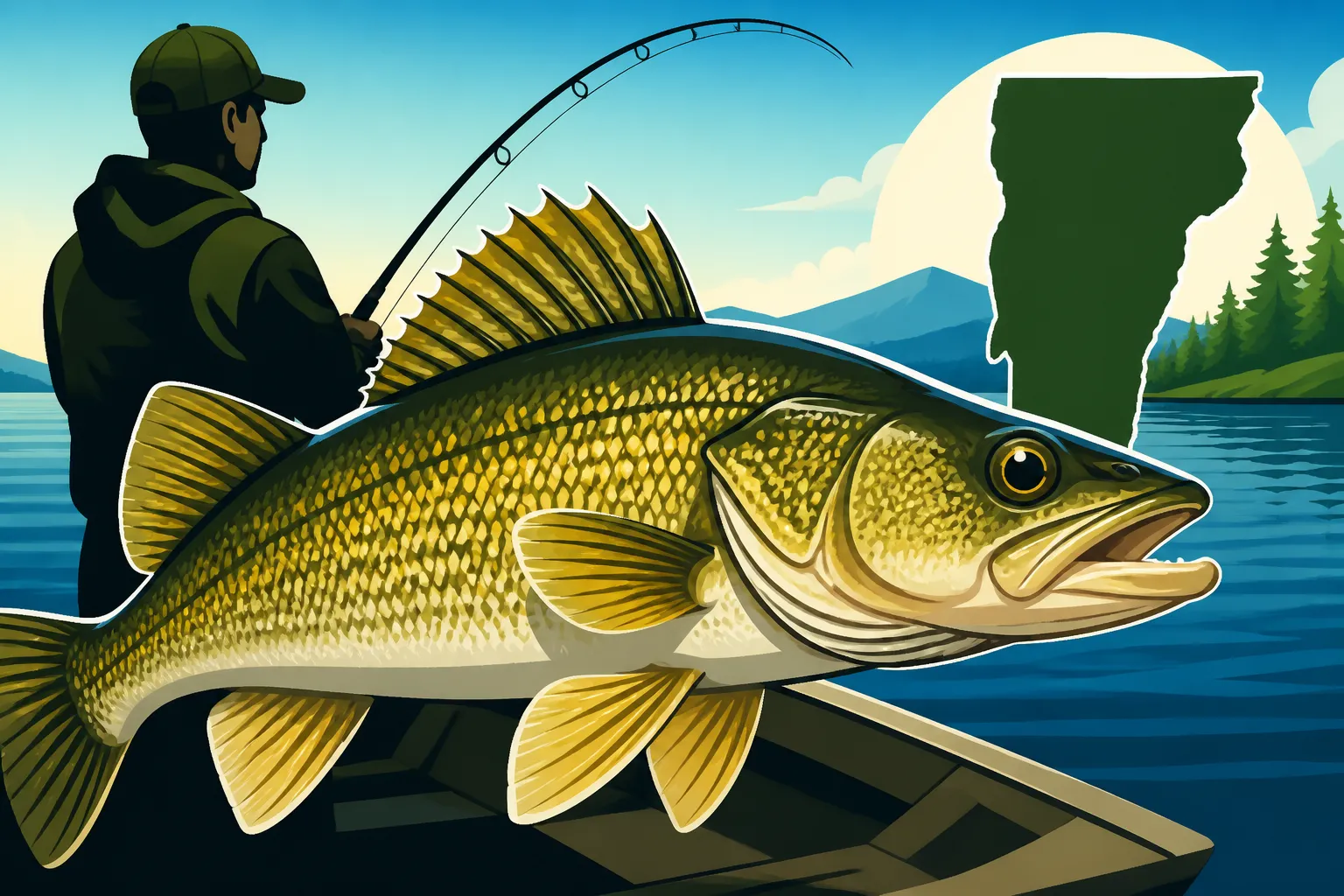
Fish that approach this size, even if they don't break the record, are considered once-in-a-lifetime catches for most anglers. We're talking about walleye that are often 25 inches or longer, pushing well past seven, eight, or even ten pounds. These magnificent creatures have survived countless seasons, evaded predators, and outsmarted legions of anglers. They are truly the apex predators of their environment.
Landing a fish of this caliber requires a combination of skill, patience, and often, a little bit of luck. It's about being in the right place at the right time, with the right presentation. But knowing that such fish exist and thrive in Lake Champlain is what makes every cast filled with anticipation. The whispers of giant walleye persist because they are, indeed, out there.
Age and Longevity of Large Walleye
The simple truth about trophy walleye is that they are old walleye. Fish don't just grow to immense sizes overnight; it takes years, even decades, of consistent feeding and survival to reach those coveted lengths and weights. A walleye growing to 25 inches or more in Lake Champlain could easily be over ten years old, with some reaching significantly greater ages. Their longevity is a direct reflection of the lake's health and their ability to thrive.
The growth rate of walleye can vary based on food availability and water temperatures, but generally, they grow steadily throughout their lives. In the early years, growth is rapid, but it slows down as they get older, with most of their substantial weight gain coming from increased girth rather than length in later stages. These older, larger fish are incredibly wise, making them particularly challenging and rewarding to target.
Understanding their age helps put the challenge into perspective. When you hook into a truly large walleye, you're not just fighting a fish; you're connecting with a survivor, a veteran of Lake Champlain's waters. This appreciation for their age often leads anglers to practice careful catch-and-release, ensuring these valuable genetics remain in the fishery to produce more giants for future generations.
Strategies for Targeting Lake Champlain's Larger Walleye
While any walleye on Lake Champlain is a great catch, if you're specifically hoping to increase your chances of landing a true behemoth, there are certain strategies and areas to consider. It's not always about more effort, but often about smarter effort, focusing on where and how these bigger fish tend to live and feed.
Locating Deep Water Structure and Cover
Larger walleye, particularly during the warmer months, often gravitate towards deeper water and complex underwater structures. Think about offshore humps, deep rock piles, sharp drop-offs, and submerged points. These areas offer cooler temperatures, ambush points, and often hold schools of baitfish that walleye key in on. Knowing How deep walleye go in summer on Lake Champlain is crucial for this type of fishing.
Using good sonar and GPS mapping is invaluable for identifying these prime spots. You're not just looking for flat bottom; you're actively searching for changes in depth, hard bottom, and baitfish schools suspended near structure. Many anglers spend hours idling around, scanning their electronics, before making their first cast. Products like marine charts and advanced fish finders can be found on platforms like Amazon, helping you unlock these hidden gems.
Once you've located promising structure, the next step is to present your bait or lure effectively. This often means vertical jigging, deep trolling, or using weighted rigs to get your offering down to where these big walleye are holding. Precision is key; being just a few feet off the mark can mean the difference between a bite and an empty hook.
Lure and Bait Considerations for Bigger Bites
It's a common adage in fishing that "big bait equals big fish," and while not always universally true, it often holds for trophy walleye. Larger walleye tend to be more opportunistic and may prefer a more substantial meal, especially if they're conserving energy in deeper water. This doesn't mean you won't catch big walleye on smaller offerings, but increasing your presentation size can sometimes tip the odds in your favor for a true monster.
Consider using larger crankbaits for trolling, especially those designed to dive deep and mimic the larger baitfish found in Lake Champlain. When jigging, don't shy away from bigger spoons or heavier jigs tipped with substantial soft plastics or even large shiners or suckers. The idea is to make your offering stand out as a worthwhile meal for a fish that doesn't want to expend energy chasing small morsels. You might find some excellent options by looking up Best Lures for Walleye Trolling on Lake Champlain.
During different seasons, the preferred baits might change. For example, in the fall, walleye often feed aggressively to put on weight for winter, and larger minnow-imitating lures can be deadly. Familiarizing yourself with Best Techniques for Fall Walleye can give you an edge. Experimentation is always key, but leaning towards larger, more robust presentations can often draw strikes from the biggest fish in the school.
Preserving the Future: Responsible Angling for Lake Champlain Giants
Catching a truly massive walleye is an exhilarating experience, but it also comes with a responsibility to protect these magnificent fish and ensure the health of the fishery for generations to come. Sustainable angling practices are essential, especially when dealing with older, larger trophy fish.
Practicing Careful Catch and Release
For those truly monumental walleye that exceed typical keeper sizes, especially those nearing state record dimensions, catch and release is often the most responsible choice. These large fish are invaluable breeders, contributing significantly to the genetic strength and overall population health of Lake Champlain's walleye. Releasing them allows them to continue their vital role in the ecosystem.
When practicing catch and release, handle the fish as little as possible. Use wet hands to avoid removing their protective slime coat, and support their body horizontally. Remove hooks quickly and gently, using needle-nose pliers or a de-hooking tool. If the fish is deeply hooked, it may be better to cut the line as close to the hook as possible. Minimize air exposure, especially in warmer weather, and revive the fish gently alongside the boat until it swims away under its own power. A proper landing net designed for catch and release can be found on Amazon, offering soft mesh that minimizes harm to the fish.
By consciously choosing to release these larger specimens, we contribute directly to the sustainability of the Lake Champlain walleye population. It's a way of giving back to the lake that provides us with so much joy and incredible fishing opportunities.
Understanding Walleye Spawning and Conservation Efforts
Walleye in Lake Champlain have specific spawning periods, typically in the spring when water temperatures are just right. During this time, they gather in shallower areas, often near rocky shorelines or river mouths, to lay their eggs. Understanding Walleye Spawning Season in Vermont is important, as fishing during peak spawning can put undue stress on the population.
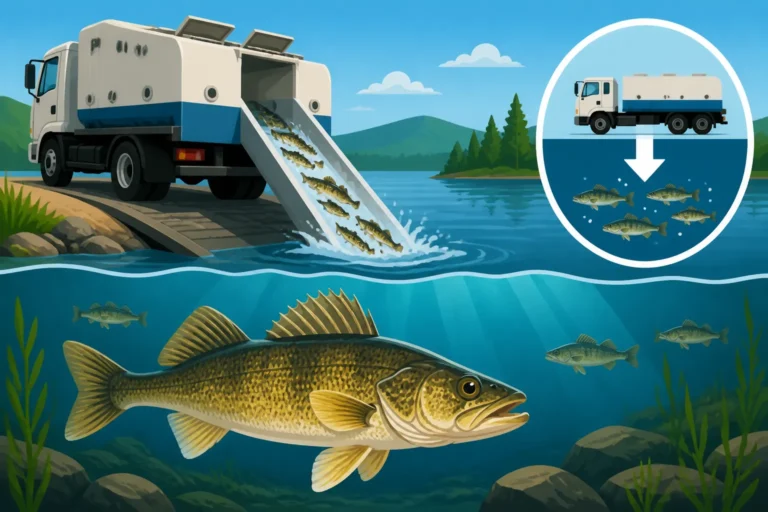
Vermont Fish & Wildlife Department actively manages the walleye fishery through regulations, stocking programs, and habitat conservation efforts. These initiatives are designed to ensure a healthy and sustainable population, allowing fish to grow to impressive sizes and providing excellent fishing opportunities for everyone. The rules regarding When walleye spawn on Lake Champlain are often tied to conservation, and following them helps protect the next generation of fish.
Anglers are a crucial part of these conservation efforts. By adhering to regulations, practicing responsible angling, and supporting habitat protection, we ensure that the incredible opportunity to catch a giant Lake Champlain walleye remains for many years. It's about being a steward of the resource, not just a consumer.
Ultimately, Lake Champlain truly offers the potential for some absolutely massive walleye. While average catches are generally in the 1.5 to 3-pound range, the lake consistently produces trophy fish measuring 25 inches and upwards, pushing into the 7-10+ pound class. The prospect of hooking into one of these freshwater giants is a dream for many, and with its abundant forage, diverse habitats, and dedicated conservation efforts, Lake Champlain remains one of the premier destinations for walleye fishing in the Northeast.
| Walleye Size Category on Lake Champlain | Typical Length Range (inches) | Typical Weight Range (pounds) | Characteristics & Angler Experience |
|---|---|---|---|
| Small Keepers | 14-17 | 1-2 | Common, delicious, excellent for dinner. Signals a healthy population of younger fish. |
| Average Keepers | 18-22 | 2-4 | Respectable size, provides a good fight, frequently targeted for harvest within regulations. Often what most anglers consistently catch. |
| Large Fish | 23-26 | 5-8 | Memorable catches that require skill and patience. Often older, wiser fish. Many anglers consider these "trophy class" for personal bests. |
| True Trophy / Giant | 27+ | 9-12+ | Rare, exceptional specimens that are many years old. Often near state record sizes. Highly sought after, usually released for conservation. A fish of a lifetime. |
Disclaimer
This article is for general informational purposes only and does not constitute professional advice. Laws, prices and regulations vary by location and change over time. Consult a qualified professional for guidance on your specific situation.