Where the Vermont walleye record was caught
There's a certain thrill that comes with chasing a true trophy fish, isn't there? That feeling of anticipation, the hope that this cast, this troll, will connect you with a fish of a lifetime. For many anglers in Vermont, that dream often revolves around the elusive and magnificent walleye, especially when stories of the state record catch begin circulating. It can be frustrating to hear whispers of a colossal fish without knowing the full story of where such a monster was hauled in. This guide isn't just about sharing a historical fact; it’s about understanding the unique conditions that allowed such a fish to thrive and the strategies you can employ to pursue your own legendary walleye on Vermont's most celebrated waters.
The Legendary Catch: Pinpointing Vermont's Walleye Record
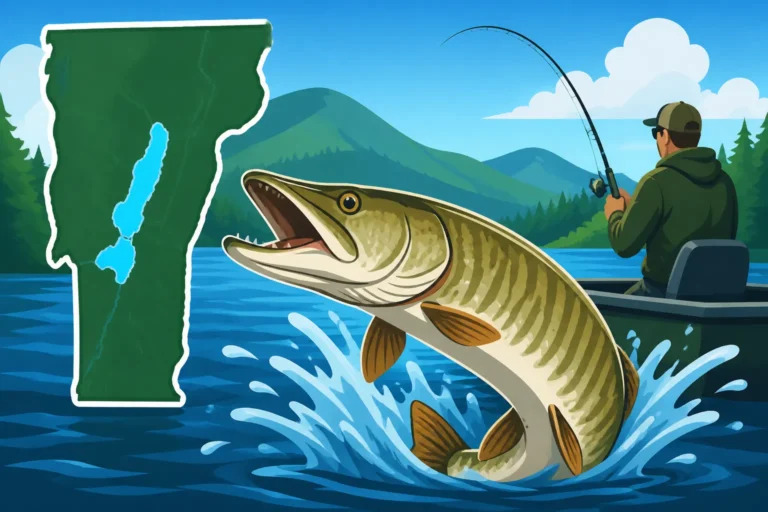
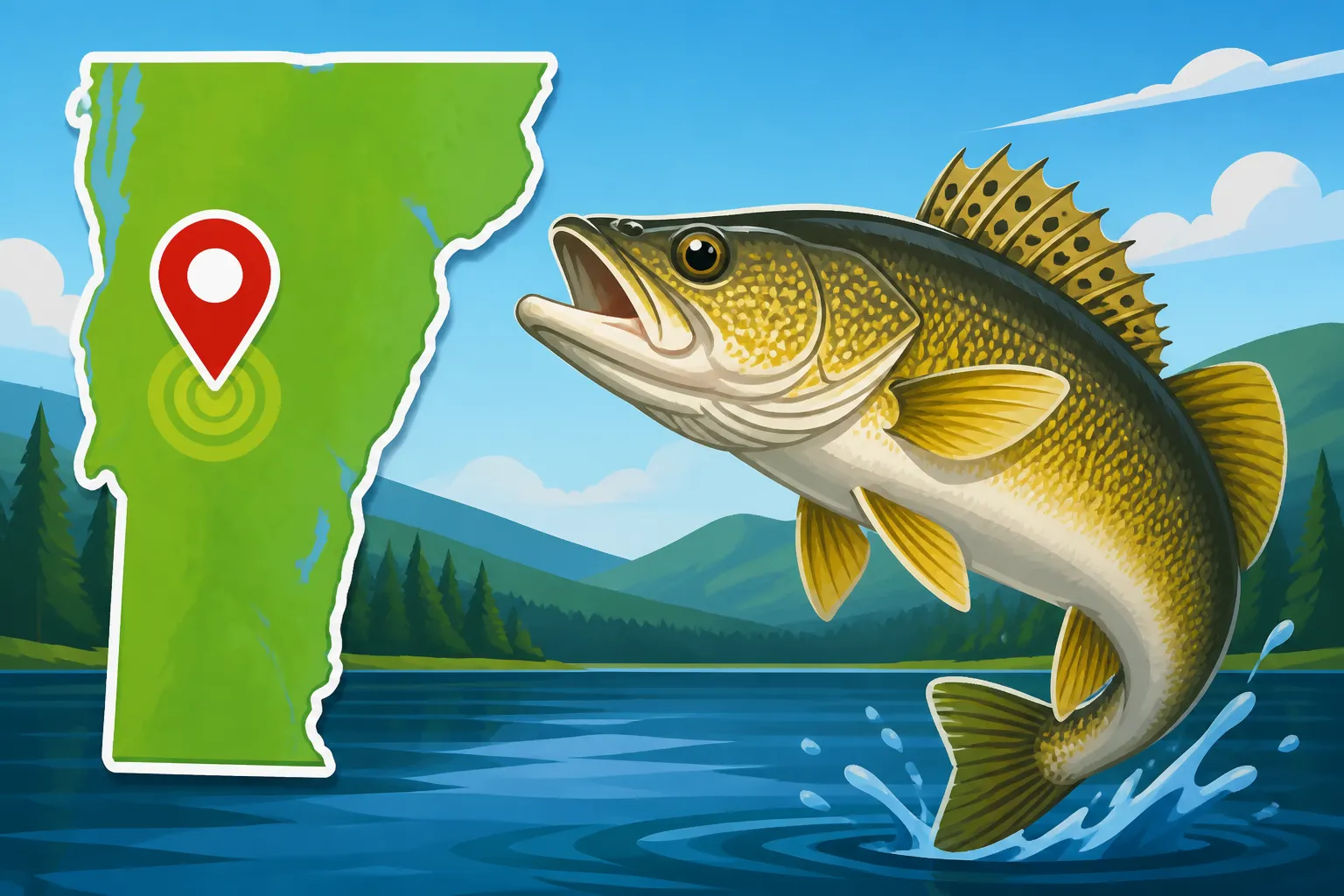
When we talk about the Vermont state record walleye, we're really talking about a fish that defines what's possible in our waters. It's a testament to the incredible fishery we have right here. The official state record walleye was caught in none other than Lake Champlain, the undisputed jewel of Vermont's fishing scene. This massive lake, shared by Vermont, New York, and Quebec, is a sprawling ecosystem known for its diverse fish populations and its ability to grow fish to truly impressive sizes.
The record-setting walleye didn't just appear out of thin air; it came from a body of water that provides everything a walleye needs to become a giant. This isn't just a random spot on the lake, but rather a reflection of Lake Champlain's entire character. Knowing where the record was caught gives us crucial insights into the prime habitats and conditions that produce truly massive walleye in Vermont. It serves as a beacon for what makes this particular lake so special for serious walleye anglers.
A Deep Dive into Lake Champlain's Walleye Habitat
Lake Champlain isn't just one big, uniform body of water. It's a complex tapestry of bays, channels, deep main lake basins, and varying bottom structures. Walleye are incredibly adaptable, but they have distinct preferences, especially when they grow to trophy sizes. These fish thrive in areas with specific characteristics that offer both abundant food and suitable cover.
Think about the sheer size of Lake Champlain – over 120 miles long, with depths plummeting to over 400 feet in some areas. This vastness provides countless opportunities for walleye to find exactly what they need. They're often found hugging distinct underwater structures like rock piles, humps, ledges, and transition zones where different bottom compositions meet. These features offer ambush points for prey and provide shelter from strong currents or bright sunlight, which walleye tend to avoid. Areas with a mix of gravel, sand, and deeper mud flats, particularly those adjacent to sharp drop-offs, are classic walleye haunts. The colder, deeper waters of the main lake basin, especially around the middle and northern sections, are often cited as prime spots for mature walleye seeking cooler temperatures during the warmer months, as well as abundant schools of baitfish. Knowing these general habitat preferences can help you narrow down your search on such an immense body of water.
The Angler Behind the Feat
Every record-breaking catch has a story, and often, it's the result of persistence, local knowledge, and a bit of good fortune. While the identity of the record holder is part of the public record, the real story often lies in the journey of the angler. This wasn't someone who just stumbled upon a huge fish by accident (though sometimes that happens!). More often than not, it's an angler who has spent countless hours on the water, meticulously studying patterns, understanding the behavior of Walleye Fishing on Lake Champlain, and refining their techniques.
Imagine the dedication: early mornings, late nights, braving all kinds of weather. Trophy walleye don't give themselves up easily. The angler who landed the state record likely employed a combination of proven strategies, perhaps deep trolling with specific lures, or jigging over submerged structure identified with careful sonar work. It’s usually someone who understands the nuances of the lake's currents, the seasonal movements of baitfish, and the preferred depths of larger walleye. This kind of success speaks to a deep connection with the fishery and a profound understanding of what it takes to target and land such a magnificent specimen. It inspires all of us to spend more time learning and observing, because you never know when your turn to connect with a true giant might come.
Why Lake Champlain Breeds Giants
Lake Champlain isn't just a beautiful body of water; it's a finely tuned ecosystem that has all the ingredients necessary to produce colossal walleye. When you consider the factors that contribute to a fish's growth – food availability, habitat, water quality, and genetics – Lake Champlain consistently delivers on all fronts. This isn't unique to walleye, as the lake also boasts impressive Lake Champlain Smallmouth Bass Fishing and Lake Champlain Lake Trout Fishing.
The conditions here are simply ideal for walleye to not just survive, but to truly thrive and reach extraordinary sizes. It’s a dynamic environment where everything seems to align perfectly for these predatory fish. Understanding these underlying reasons can give you a significant advantage when planning your own walleye excursions.
Abundant Forage: The Walleye Diet
One of the primary reasons Lake Champlain can grow such impressive walleye is the sheer abundance and diversity of its forage base. Simply put, these fish have a constant buffet of high-protein meals available to them, allowing for rapid growth and substantial weight gain. Just like a person needs good food to grow, a fish needs a rich diet to put on size.
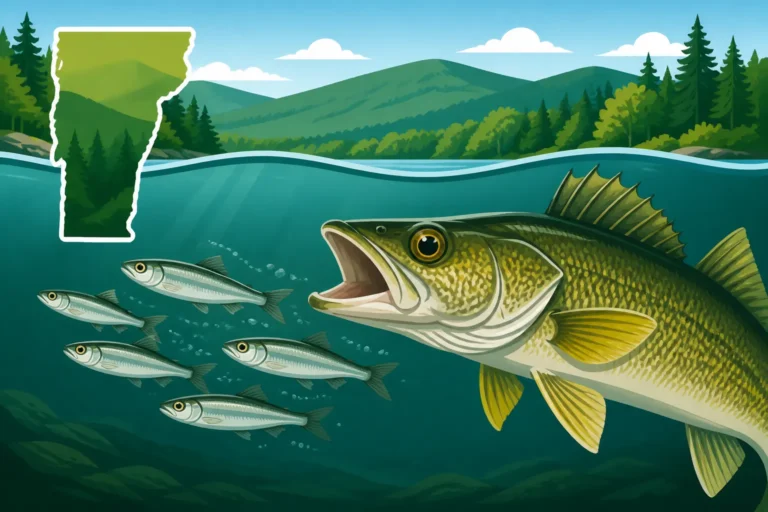
Lake Champlain is teeming with various baitfish that walleye absolutely feast on. Key among these are alewives and rainbow smelt. Alewives are a relatively recent introduction to the lake, but they've become a crucial food source, offering a high-fat, high-calorie meal that fuels rapid growth in predatory fish. Rainbow smelt, a native species, are also incredibly important, especially in deeper, colder sections of the lake. Walleye will also readily consume yellow perch, particularly smaller ones, which are also very numerous in the lake. This diverse menu ensures that walleye can find food year-round, adapting their hunting strategies to the seasonal movements of different baitfish. When the walleye on Lake Champlain are consistently feeding on these rich prey species, it's no wonder they reach such monumental sizes, including the one that set the state record. This abundant food supply is a critical piece of the puzzle for understanding What Walleye Eat on Lake Champlain.
Vast Structure and Deep Water
Beyond the buffet of baitfish, the physical characteristics of Lake Champlain provide the perfect structural elements and deep-water refuges that trophy walleye require. Walleye are ambush predators that love to relate to structure, and Lake Champlain offers an endless supply of it.
Imagine vast underwater landscapes: rock reefs, expansive gravel flats, steep drop-offs, and deep humps that rise from the main lake basin. These features are not only excellent ambush points but also provide essential thermal refuge. During the warmer summer months, larger walleye often retreat to the cooler, oxygen-rich depths, often relating to these structures. The ability to move into deep water (sometimes over 100 feet!) when the surface warms up helps these big fish conserve energy and stay comfortable, further contributing to their growth. Areas where these deep structures transition to shallower feeding flats can be incredibly productive, as walleye will often move up to feed during low light conditions before retreating back to the depths. Using a quality fish finder to locate these specific structural elements is absolutely key to finding where walleye might be holding. This complex underwater topography provides endless possibilities for finding Best Walleye Spots on Lake Champlain.
Chasing Your Own Walleye Dream in Vermont
So, you're inspired by the record and want to try your hand at catching a giant walleye in Vermont? That's the spirit! While catching a state record is a rare feat, pursuing trophy walleye on Lake Champlain is an achievable goal for dedicated anglers. It requires understanding the seasons, employing the right techniques, and having the appropriate gear. It’s a challenge, but a rewarding one that puts your skills to the test against one of Vermont's most prized game fish.
Remember, fishing is as much about the experience as it is about the catch. Every trip out on Lake Champlain is an opportunity to learn more about the lake, its patterns, and its magnificent walleye. Don't get discouraged if you don't land a monster on your first outing; persistence is truly the key.
Best Times and Techniques for Big Walleye
Timing and technique are everything when it comes to targeting large walleye, especially on a lake as vast as Champlain. You can't just throw out a line and expect a record-setter; you need a strategy tailored to the walleye's behavior throughout the year.
- Spring (Post-Spawn): After the Walleye Spawning Season in Vermont in early spring, walleye are often hungry and aggressive. This is a prime time for targeting them in shallower bays and tributary mouths where they recover and feed heavily. Casting jigs tipped with plastic or live bait (like a shiner) can be very effective, especially during low light hours. Trolling shallow-diving crankbaits along weed lines or rocky points can also produce results.
- Summer: As waters warm, bigger walleye tend to move deeper, seeking cooler temperatures and stable forage. This is when deep trolling becomes a go-to technique. Using lead core line, snap weights, or downriggers (which you can often find a wide selection of on Amazon) to present deep-diving crankbaits or spinner-and-worm harness rigs at precise depths is crucial. Look for walleye suspended over deep humps, along thermoclines, or near significant drop-offs. Night fishing for walleye can also be incredibly productive during summer, as they move shallower to feed under the cover of darkness. For more on this, check out How to Catch Walleye at Night on Lake Champlain.
- Fall: Many experienced walleye anglers consider fall to be one of the best times for trophy fish. As water temperatures begin to drop, walleye become very active feeders, bulking up for winter. They often move back into shallower to mid-depth areas, especially around rocky points, reefs, and river mouths, where they aggressively pursue baitfish. Trolling large crankbaits, jigging blade baits, or using vertical jigging spoons over structure can be incredibly effective. Pay close attention to current seams and areas where baitfish are congregating. Understanding Best Techniques for Fall Walleye will greatly increase your chances.
Regardless of the season, consistency in your presentation and meticulous attention to detail, like maintaining a specific trolling speed or finding the exact depth where fish are holding, will greatly improve your success.
Essential Gear for Trophy Walleye
You don't need to break the bank to catch a big walleye, but having the right tools for the job certainly helps. Trophy walleye put a lot of strain on your equipment, so investing in quality gear designed for the task is a smart move.
- Rods and Reels: For trolling, a medium-heavy rod with a moderate action, typically 7-9 feet long, paired with a reliable line counter reel is ideal. This setup allows for accurate bait placement and the power to handle large fish. For jigging, a sensitive medium-light to medium power spinning rod, around 6'6" to 7' long, with a fast action tip will help you detect subtle bites. You can find a good range of these rods and reels on Amazon.
- Line: Spool your reels with quality monofilament or fluorocarbon line for jigging, offering good sensitivity and low visibility. For trolling, braided line with a fluorocarbon leader is a popular choice due to its strength, thin diameter, and lack of stretch, which helps with lure depth and sensitivity.
- Lures: A diverse tackle box is key. For trolling, deep-diving crankbaits in various colors (perch, smelt, alewife patterns are often effective) are a must. Blade baits, jigging spoons, and soft plastic swimbaits rigged on heavy jig heads are excellent for vertical jigging over structure. Don't forget spinner rigs with live nightcrawlers for a classic and often deadly presentation. Many anglers swear by specific colors for different conditions, so having options is always a good idea. Looking up Best Lures for Walleye Trolling on Lake Champlain can give you a starting point.
- Electronics: A good fish finder with GPS and mapping capabilities is invaluable on Lake Champlain. It allows you to locate structure, mark baitfish schools, identify suspended walleye, and navigate safely. Modern units with side-imaging or down-imaging can paint a detailed picture of the underwater world, helping you pinpoint those elusive walleye hotspots.
- Other Essentials: A sturdy landing net with a long handle is crucial for handling large walleye, minimizing stress on the fish. A good cooler for keeping your catch (if you choose to keep one within limits) or drinks and snacks is also important. Don't forget your polarized sunglasses to cut glare and spot structure or fish in shallower water, especially those available from Amazon.
Respecting the Resource and Regulations
Part of being a responsible angler, especially when chasing trophy fish, is understanding and adhering to the rules and showing respect for the environment. Vermont's fishing regulations are designed to protect our fisheries and ensure their sustainability for generations to come. Ignoring these rules not only risks penalties but also jeopardizes the health of the very resource we cherish.
Anglers are stewards of the environment, and our actions on the water have a direct impact. When you're fishing for trophy walleye, especially in a storied place like Lake Champlain, it's about more than just the catch; it's about the entire experience and leaving the lake better than you found it.
Understanding Vermont Walleye Regulations
Before you even think about casting a line, especially when aiming for a potential trophy, you absolutely must be familiar with Vermont Fishing Regulations Explained for walleye on Lake Champlain. These regulations cover critical aspects like:
- Season Dates: Walleye have specific open and closed seasons, particularly around their spawning period, designed to protect them during their most vulnerable time.
- Daily Bag Limits: This specifies how many walleye you can legally keep in a single day.
- Possession Limits: This dictates the total number of walleye you can have in your possession, including those at home.
- Minimum Length Limits: Often, there's a minimum length a walleye must be to be legally kept. This protects younger fish, allowing them to grow and reproduce.
- Slot Limits: In some cases, there might be a "slot limit" where fish within a certain size range must be released, while those below or above the slot can be kept. This is a management tool to protect prime breeding-size fish.
These rules can change, so always check the most current Vermont Fish & Wildlife Department regulations before heading out. Violating these regulations can result in significant fines and loss of fishing privileges, which is a headache no one wants. Make it a habit to check the current Vermont Fishing License Guide for 2026 and its accompanying regulations booklet every year.
Practicing Responsible Angling
Catching a record-size walleye is an incredible achievement, but how you handle that fish is just as important as how you caught it. Practicing responsible angling ensures that even the biggest fish can be released unharmed to potentially spawn again or give another angler the thrill of a lifetime.
- Catch and Release Best Practices: If you're not planning to keep your catch, or if it falls within a protected slot limit, quick and careful release is paramount.
- Minimize Fight Time: Use appropriate tackle that allows you to land the fish efficiently without over-stressing it.
- Keep it Wet: Try to keep the fish in the water as much as possible. If you must bring it aboard for a quick photo, wet your hands thoroughly before handling it. Avoid dragging it across rough surfaces.
- Support its Weight: When lifting a large walleye, support its body horizontally, especially under the belly, rather than just by the jaw or gills. Large fish have internal organs that can be damaged by unsupported vertical hanging.
- Quick Photo Op: Get your picture quickly and efficiently, then release the fish promptly.
- Proper Hook Removal: Use needle-nose pliers or a dehooking tool to remove hooks. If the fish is deeply hooked and removal would cause more damage, it might be best to cut the line as close to the hook as possible.
- Revive if Necessary: If the fish seems sluggish, hold it gently upright in the water, facing into the current, until it regains its strength and swims off on its own.
- Leave No Trace: Always pack out everything you pack in, and perhaps even more. This includes discarded fishing line, bait containers, and any other trash. Our beautiful lakes and rivers depend on us to keep them clean.
- Respect Other Anglers and Property: Be mindful of other boats and anglers, give them space, and always ask permission before accessing private land.
By following these principles, we can all contribute to a healthy and thriving Vermont fishing environment, ensuring that the dream of catching a record-size walleye remains a possibility for many years to come.
Disclaimer
This article is for general informational purposes only and does not constitute professional advice. Laws, prices and regulations vary by location and change over time. Consult a qualified professional for guidance on your specific situation.