Vermont state record muskellunge weight
There's a special kind of thrill that comes with chasing trophy fish, that feeling of immense anticipation and the knowledge that every cast could connect you with a true behemoth. For anglers in Vermont, the muskellunge holds a revered spot, representing not just a powerful adversary but a testament to the wild beauty of our waters. You're probably here because you've heard whispers of legendary catches, or perhaps you dream of one day making your own mark on the record books, and you want to know just how big these giants can truly get. This guide dives deep into the realm of Vermont's biggest muskies, including the official state record, and what it takes to even dream of such a catch.
The Quest for Vermont's Largest Muskellunge
The pursuit of a state record fish is more than just a hobby; it's an obsession for many, a testament to dedication, skill, and often, a touch of pure luck. When we talk about muskellunge, or "muskies" as they're affectionately known, this pursuit takes on an even grander scale. These aren't your average panfish; they are apex predators, elusive and incredibly powerful, demanding respect and specialized tactics.
Understanding the Allure of a State Record
Imagine the stories that are born from these pursuits. Anglers spend countless hours, often in challenging conditions, learning the habits of these magnificent creatures. They invest in specific gear, study mapping data, and analyze every detail of their chosen waters. The allure isn't just about the sheer size of the fish, although that's certainly a huge part of it. It's about the challenge, the intellectual game of cat and mouse, and the profound connection to the wilderness. To hold a state record means your name is etched in local angling history, a permanent nod to an extraordinary achievement that inspires generations of future fishermen and women. It's not just a fish; it's a legend.
Why Muskellunge are a Trophy Species
Muskies aren't just big; they're built for power. With their long, torpedo-shaped bodies, razor-sharp teeth, and incredible bursts of speed, they are the freshwater equivalent of a saltwater barracuda. When you hook into a musky, you're not just reeling in a fish; you're engaging in a tug-of-war with a creature that can strip line off your reel with terrifying ease and make acrobatic leaps that defy belief. Their rarity in many waters, combined with their notoriously picky eating habits, only adds to their mystique and elevates them to the pinnacle of trophy angling. Catching a musky of any size is an accomplishment, but landing one that pushes the tape and tips the scales into state record territory is truly a once-in-a-lifetime event. For many, it's the ultimate angling dream, an experience that transcends the ordinary and enters the realm of the truly epic. You can read more about Muskellunge Fishing on Lake Memphremagog if you're keen to learn about where these giants lurk.
The Official Vermont State Record Muskellunge
Every state has its legends, and in Vermont, the muskellunge record is a story that still excites anglers. These are the fish that define what's possible in our waters, demonstrating the incredible potential lurking beneath the surface.
Revealing the Record-Holding Fish
The official Vermont state record muskellunge is a truly remarkable fish, weighing in at an astonishing 42 pounds, 12 ounces. This colossal musky measured an incredible 51.5 inches in length. It was caught by Robert H. Hull, Sr. on June 18th from Lake Memphremagog, a body of water renowned for its trophy musky potential. To put that into perspective, imagine a fish that's over four feet long and heavier than a small child. This isn't just a big fish; it's a living legend, a testament to the immense growth potential of muskies in our northern waters.
The Story Behind the Catch
While specific details of every record catch can sometimes fade into angling folklore, the essence of Robert H. Hull, Sr.'s achievement speaks volumes. Landing a fish of that magnitude is never a fluke; it requires patience, determination, and likely, a fair bit of grit. On that June day, he was undoubtedly fishing the waters of Lake Memphremagog, a sprawling international lake that straddles the U.S.-Canadian border and has long been known as prime musky territory. The fight would have been epic, a true test of tackle and nerves. Imagine the moment that massive fish surfaced, the sheer disbelief, and then the careful, deliberate process of bringing such a powerful creature to the boat. This wasn't just another day on the water; it was the culmination of countless hours of angling, leading to a moment that would forever be etched in Vermont's fishing history. Stories like this remind us why we endure cold mornings and long days without a bite—for the chance at that one unforgettable fish. For those interested in this legendary waterbody, consider delving into the Lake Memphremagog Fishing Guide.
Factors Contributing to a Record-Breaking Musky
It's no accident that certain waters produce record-breaking fish. There's a confluence of environmental conditions, food sources, and unique habitats that allow fish to grow to truly colossal sizes. For muskies in Vermont, Lake Memphremagog stands out as the primary stage for these giants.
Prime Waters: Lake Memphremagog's Role
Lake Memphremagog isn't just any lake; it's a deep, cold, nutrient-rich environment that provides the perfect conditions for muskellunge to thrive and reach their maximum potential. Its sheer size offers vast areas for these territorial predators to establish large home ranges, minimizing competition and maximizing access to food. The lake's deep basins provide cold, oxygenated water even in the height of summer, which is crucial for a large, cold-water predator like the musky. Furthermore, the diverse forage base, including abundant baitfish, provides the sustained nutrition needed for these fish to pack on pounds year after year. It's a natural musky factory, a place where the conditions align perfectly to grow giants. Anglers serious about targeting these fish often focus their efforts on this lake, understanding its unique role in growing massive muskies. Make sure you're aware of the Vermont Muskellunge Regulations on Lake Memphremagog before heading out.
Growth, Diet, and Longevity
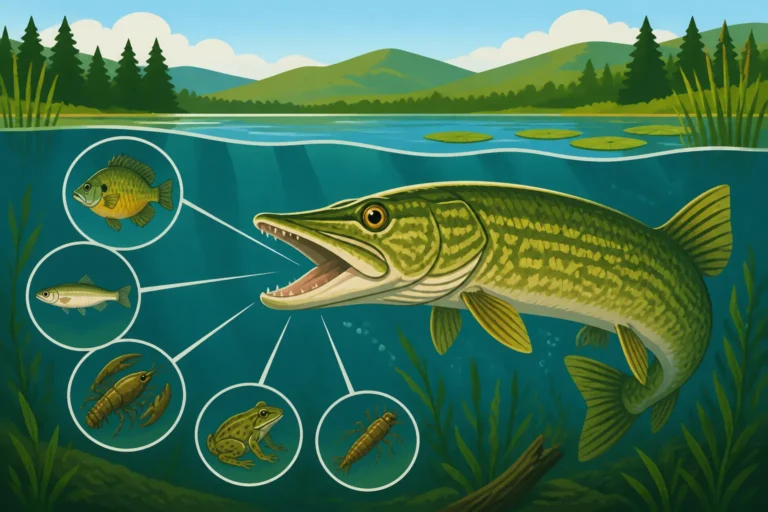
Muskies grow big because they live long and eat well. These fish can live for 15-20 years, sometimes even longer, and throughout their lives, they are relentless predators. Their diet consists almost entirely of other fish, including perch, suckers, and even smaller pike and bass. The healthier and more abundant the forage base, the faster and larger muskies can grow. In a lake like Memphremagog, where food is plentiful and competition is managed, muskies have the ideal conditions to simply grow, grow, grow. They are opportunistic feeders, but they also expend a lot of energy chasing down prey, so the quality and quantity of their food sources are paramount to their impressive size. This sustained growth over many years is what allows a handful of individuals to eventually reach that monumental, record-breaking size. Curious about their eating habits? Check out What muskellunge eat on Lake Memphremagog.
Angler Skill and Dedication
Catching a musky, let alone a record-breaker, requires a specific kind of angler. It's not just about luck; it's about unparalleled dedication and a deep understanding of the species. Musky anglers often spend hundreds of hours on the water for just a few bites, embodying patience to an extreme degree. They develop specialized techniques, from precise casting to intricate boat control, and learn to "figure-eight" their lures at the boat to trigger follow-ups. They are meticulous about their gear, ensuring every knot is strong and every hook is needle-sharp. Furthermore, they are often conservation-minded, practicing careful catch-and-release to ensure these magnificent fish can continue to grow and reproduce. The combination of this skill, knowledge, and sheer perseverance is what ultimately puts an angler in a position to land a fish that becomes a state record. This dedication is a hallmark of How to Catch Muskellunge on Lake Memphremagog.
What It Takes to Chase a Potential Record
Dreaming of a state record musky is one thing; actually going out and pursuing it is another entirely. It requires a specific mindset, the right tools, and an unwavering commitment to both the sport and the fish itself.
Essential Gear for Monster Musky
When you're targeting a fish that can easily exceed 40 pounds and measure over four feet, your everyday fishing gear simply won't cut it. Musky fishing demands heavy-duty equipment built to withstand immense stress. You'll need:
- Rods: Extra-heavy power, fast action casting rods, typically 8 to 10 feet long, designed for casting massive lures and handling powerful runs.
- Reels: Large, robust baitcasting reels with high line capacity and strong drag systems.
- Line: Heavy braided line, often 80-100 pound test, for strength and abrasion resistance, coupled with a heavy fluorocarbon or steel leader to prevent bite-offs from those razor-sharp teeth. Best Line Weight for Muskellunge Fishing
- Lures: A vast array of oversized lures, from foot-long crankbaits and glide baits to massive bucktails and soft plastics, each chosen for specific conditions and presentations.
- Tools: A large, rubberized landing net specifically designed for muskies (often with a 40-inch hoop or larger) to safely land the fish, long-nose pliers, and jaw spreaders for hook removal, and heavy-duty cutting tools for emergencies. You can find many of these specialized items through online retailers like Amazon, which often stock a wider selection of musky-specific tackle than local shops.
- Gloves: Heavy-duty gloves are also crucial to protect your hands from teeth and gill plates during handling.
Investing in quality gear isn't just about catching the fish; it's about ensuring a safe and successful release, which is paramount for these magnificent creatures.
Regulations and Conservation
The pursuit of a record musky goes hand-in-hand with strict adherence to regulations and a deep commitment to conservation. Vermont has specific rules regarding muskellunge fishing, including seasons, length limits, and sometimes even specific handling requirements to ensure the species' health. For a record fish, the emphasis on catch-and-release is even stronger. Most record muskies are released after being weighed and measured, ensuring they can continue to contribute to the population and potentially be caught again. Knowing how to properly handle a large musky—minimizing its time out of water, supporting its body, and carefully removing hooks—is absolutely critical for its survival. Anglers who chase these giants understand that they are stewards of the resource, and their actions directly impact the future of musky fishing in Vermont. Always consult the latest Vermont Fishing Regulations Explained before your trip, and practice proper handling for Muskellunge catch and release survival tips.
Official Weighing and Documentation
Should you be so incredibly fortunate to hook and land a fish that you believe could challenge the state record, there's a very specific protocol to follow. You can't just snap a picture and call it a day!
First, the fish needs to be weighed on a certified scale. This usually means finding a local sporting goods store, general store, or bait shop that has scales certified for trade. You'll need to transport the fish carefully, ideally in a livewell if you intend to release it, or quickly to the weigh station if keeping it.
Second, the length and girth of the fish must be accurately measured. Multiple witnesses are often required, and ideally, a Vermont Fish & Wildlife Department official should be present to verify the catch. Clear, well-lit photographs from multiple angles are also essential.
Finally, all documentation, including a completed state record application form, witness statements, and photos, must be submitted to the Vermont Fish & Wildlife Department for official review and certification. This rigorous process ensures the integrity of the state record books and gives every angler confidence that the records truly represent the largest fish caught in Vermont waters.
| Category | Average Adult Musky (Lake Memphremagog) | Vermont State Record Musky |
|---|---|---|
| Weight | 15-30 lbs | 42 lbs, 12 oz |
| Length | 35-45 inches | 51.5 inches |
| Longevity | 10-15 years | Up to 20+ years |
| Likelihood of Catch | Very Low (Known as "Fish of 10,000 Casts") | Extremely Rare |
| Primary Habitat | Large, deep, cold lakes | Lake Memphremagog |
This table highlights the incredible difference between a large musky and a truly record-breaking specimen, underscoring the monumental nature of the state record.
Disclaimer
This article is for general informational purposes only and does not constitute professional advice. Laws, prices and regulations vary by location and change over time. Consult a qualified professional for guidance on your specific situation.