Smallmouth Bass Average Size in Vermont Lakes
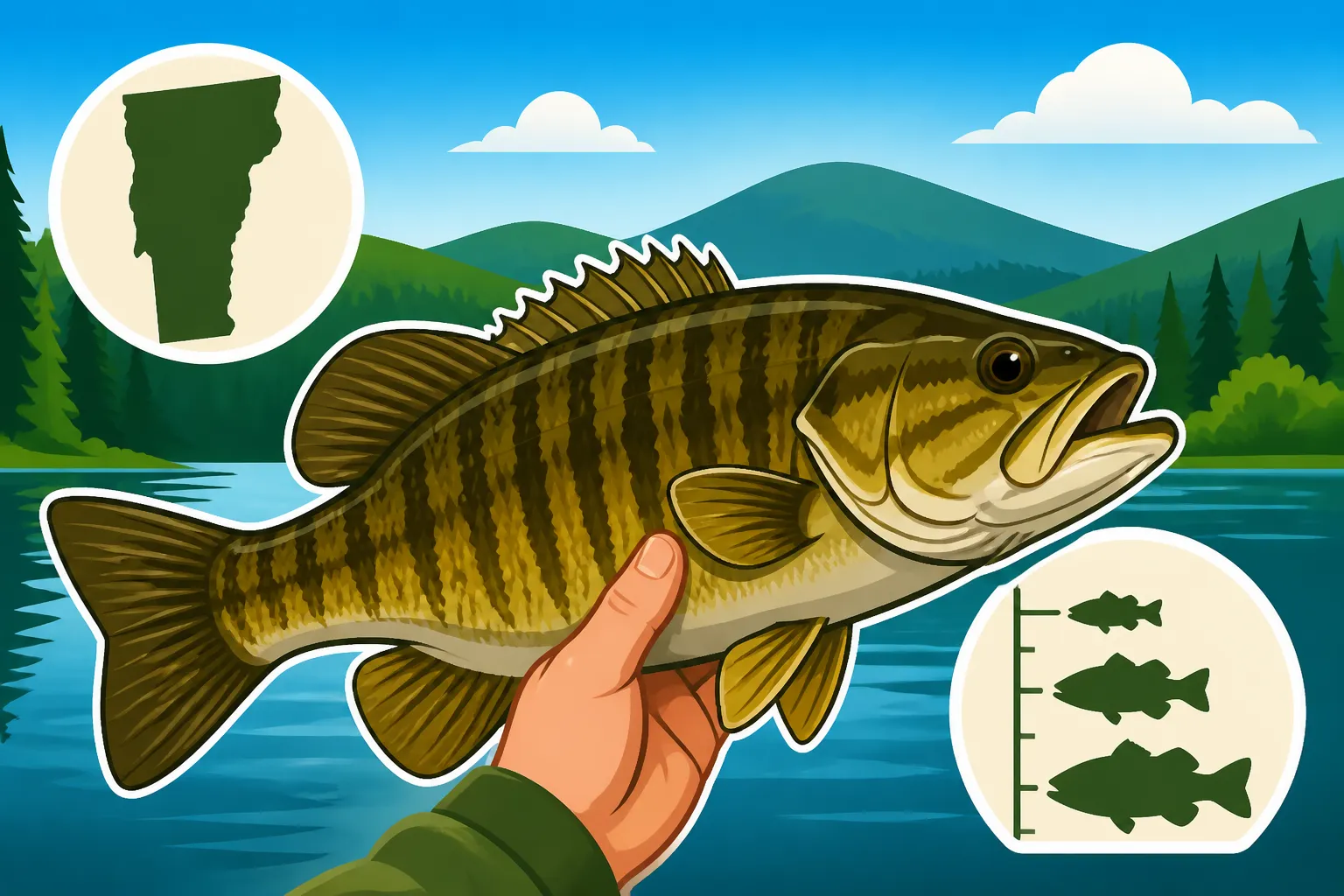
Many anglers hitting the picturesque waters of Vermont wonder about the smallmouth bass lurking beneath the surface: just how big do they get? It's a common and exciting question, especially when you're dreaming of that powerful tug on your line. This guide dives deep into the average size expectations for smallmouth bass across Vermont's diverse lakes and rivers, exploring the factors that influence their growth and helping you set realistic goals for your next fishing adventure.
Understanding Smallmouth Bass Growth Factors in Vermont
Smallmouth bass are incredible fighters, known for their powerful runs and acrobatic leaps. But their size isn't uniform across the landscape; it's a fascinating blend of environmental conditions, food availability, and even genetics. In Vermont, where the seasons paint a dramatic picture from icy winters to warm summers, these factors play an especially critical role in how big a smallmouth bass can grow.
The Influence of Lake Size and Forage Availability
Think about the buffet line: the more options and the richer the food, the more you can eat! It's much the same for smallmouth bass. Larger lakes, especially those with diverse ecosystems, tend to offer a more abundant and varied diet, which directly translates to bigger fish. Lakes like the sprawling Lake Champlain, for instance, are teeming with various baitfish – alewives, rainbow smelt, yellow perch, and shiners – that provide a rich, high-calorie diet for growing bass. A constant, ample food supply means smallmouth don't have to expend as much energy foraging, allowing them to put more into growth.
Conversely, smaller ponds or less fertile lakes might have smaller baitfish populations or a less diverse forage base. In these environments, smallmouth might grow slower and reach a smaller maximum size simply because the food chain isn't as robust. They might subsist more on insects, crayfish, and smaller minnows, which, while nutritious, might not offer the same growth potential as a steady diet of larger baitfish found in a vast system like Lake Champlain. It’s not uncommon to find a lake where a 12-inch smallmouth is considered a decent catch, whereas in another, it’s just a juvenile.
Water Temperature, Growing Seasons, and Genetics
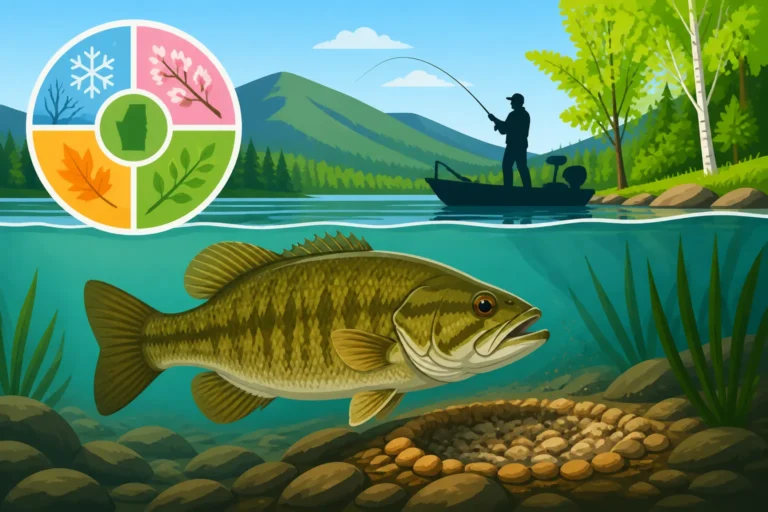
Vermont is known for its relatively short, but intense, warm-water fishing season. Unlike states further south with longer periods of optimal growing temperatures, Vermont's smallmouth bass have a more compressed window for rapid growth. Smallmouth are cold-blooded creatures, and their metabolic rate, and thus their growth, is heavily influenced by water temperature. They thrive and grow most efficiently when water temperatures are in their preferred range, typically from the mid-60s to low 70s Fahrenheit. The long, cold winters mean that the growing season is shorter, and bass spend a significant portion of the year in a less active, slower-growth state.
Beyond environmental factors, genetics also play a part. Just like people, some fish are simply predisposed to grow larger than others. Fish from populations that have historically produced larger specimens might carry genes that allow them to reach trophy sizes more readily, provided the conditions are right. While impossible to predict for an individual fish, consistent observation of trophy-sized smallmouth in certain lakes over decades suggests a strong genetic component within those populations. It's a subtle but important piece of the puzzle that contributes to the overall average size you might encounter.
Average Size Expectations Across Key Vermont Lakes
When you picture a smallmouth bass in Vermont, what comes to mind? Is it a feisty little 12-incher or a broad-shouldered 5-pound bruiser? The truth is, it depends entirely on where you’re dropping your line. Vermont offers an incredible variety of waters, each with its own unique ecosystem that shapes the smallmouth bass populations within. Let's break down what you can realistically expect from different types of Vermont's smallmouth habitats.
Lake Champlain: The Smallmouth Mecca
If there's one place in Vermont synonymous with big smallmouth bass, it's Lake Champlain. This massive, deep, and incredibly diverse lake is truly a smallmouth paradise. Anglers routinely report catching fish in the 2- to 3-pound range, and these are often not even considered "trophies" by local standards – they're just good, solid fish. The lake's vastness, incredible forage base of smelt and alewives, and varied structure, from rocky points to deep ledges, provide everything a smallmouth needs to grow large and stay healthy. It's not uncommon to hear tales of 4-pounders, and if you put in the time and effort, hooking into a 5-pound-plus smallmouth is a very real possibility here. Lake Champlain Smallmouth Bass Fishing is an experience every serious bass angler should have.
The average size is bolstered by the lake's rich ecosystem. The plentiful baitfish offer a continuous, high-protein diet, while the cold, clear waters allow smallmouth to thrive. This means that while you might catch many fish in the 1-2 pound range, the likelihood of encountering significantly larger specimens is much higher than almost anywhere else in the state. Many anglers specifically target these larger fish, focusing on deep structure, current breaks, and offshore humps where the biggest smallmouth tend to hold. Understanding Smallmouth Bass Habits on Lake Champlain can really boost your chances.
Inland Lakes and Reservoirs: What to Expect
Venturing beyond Champlain, Vermont's numerous inland lakes and reservoirs offer fantastic smallmouth fishing, though often with a slightly different size profile. Lakes like Lake Bomoseen Fishing Guide, Lake Dunmore Fishing Guide, or the Harriman Reservoir consistently produce healthy populations of smallmouth. Here, the average smallmouth might be closer to 1.5 to 2.5 pounds. While you'll still find plenty of fish in the 12-16 inch range, these waters frequently kick out fish in the 3-pound class, with occasional 4-pounders making an appearance to really make your day.
The dynamics in these smaller bodies of water differ. The forage base might be more dependent on yellow perch, sunfish, and crayfish, rather than the pelagic baitfish schools found in Champlain. This can lead to a slightly slower growth rate and a slightly smaller maximum size on average. However, don't underestimate them! These lakes can still offer incredibly exciting fishing, often with less pressure than the larger lake. They are also fantastic places to hone your skills and enjoy consistent action, and catching a robust 3-pound smallmouth in one of these gems is a truly rewarding experience. Many of these lakes boast clear water, making for exciting sight-fishing opportunities on sunny days.
Rivers and Streams: A Different Kind of Fight
Then there are Vermont's rivers and larger streams, which hold smallmouth bass that offer a completely different angling challenge. These fish tend to be leaner, more streamlined, and incredibly powerful due to constantly fighting current. While the average size might be smaller – often in the 1- to 2-pound range, with many fish between 10-14 inches – they fight with an intensity that can rival fish twice their size from still water. Rivers like the Lamoille River Fishing Guide, Otter Creek, or sections of the Winooski River are excellent for this kind of fishing.
The constant current and often rockier, more challenging habitats demand a different kind of physique from these river smallmouth. They rely heavily on crayfish, hellgrammites, and other insect larvae, along with opportunistic minnows. While a 3-pound river smallmouth is considered a very respectable catch, and a 4-pounder is a true trophy, they typically won't reach the sheer bulk seen in their Lake Champlain cousins. For anglers who love the challenge of reading currents and battling strong, feisty fish in a moving water environment, Otter Creek Fishing Spots offer a unique and highly enjoyable smallmouth experience, regardless of the average size.
| Water Body Type | Typical Average Size Range (lbs) | Common Length Range (inches) | Potential for Trophy (>4lbs) | Primary Forage Factors |
|---|---|---|---|---|
| Lake Champlain | 2.0 – 3.5 | 15 – 19 | High | Alewives, Smelt, Perch, Crayfish |
| Large Inland Lakes | 1.5 – 2.5 | 13 – 17 | Moderate | Perch, Sunfish, Crayfish, Shiners |
| Smaller Inland Lakes | 1.0 – 2.0 | 11 – 15 | Low to Moderate | Minnows, Crayfish, Insects |
| Rivers and Larger Streams | 1.0 – 2.0 | 10 – 14 | Low | Crayfish, Hellgrammites, Minnows, Aquatic Insects |
Note: These are general averages; individual fish size can vary greatly based on specific conditions within any given body of water.
The "Trophy" Smallmouth in Vermont: Defining and Chasing Them
Every angler dreams of landing that one fish that stands head and shoulders above the rest—the true trophy. When it comes to smallmouth bass in Vermont, chasing that exceptional fish is a pursuit filled with challenge, strategy, and immense satisfaction. It's not just about luck; it's about understanding what makes a smallmouth grow truly large in these northern waters and then tailoring your approach to find them.
What Constitutes a Trophy Smallmouth in Vermont?
In many regions, a 3-pound smallmouth is a fantastic fish. In Vermont, particularly on its premier smallmouth waters, the bar for a "trophy" tends to be a bit higher. Most seasoned Vermont smallmouth anglers would agree that a smallmouth bass weighing 4 pounds or more firmly enters trophy territory. A 5-pound smallmouth is truly exceptional, and anything above that is often a fish of a lifetime, attracting significant attention and admiration. These are stout, broad-shouldered fish with deep bodies and powerful tails, often exhibiting dark, rich coloring.
Catching one of these beauties isn't an everyday occurrence, even on a lake like Champlain. It requires dedication, patience, and often a willingness to brave less-than-ideal conditions or explore more remote areas. The fight from a 4-pound-plus smallmouth is legendary, characterized by explosive runs, deep dives, and often multiple aerial displays that test both your tackle and your angling prowess. It's a battle you won't soon forget, and the memory of landing such a magnificent creature is often the fuel for countless future fishing trips.
Factors Contributing to Trophy Potential
Several critical factors converge to create an environment where smallmouth bass can not only survive but also thrive to trophy sizes. Firstly, a rich and consistent forage base is paramount. Lakes with abundant populations of high-calorie baitfish like alewives and rainbow smelt (as seen in Lake Champlain) provide the necessary fuel for rapid growth and substantial bulk. Without this readily available food source, smallmouth simply cannot pack on the pounds needed to reach trophy status.
Secondly, structural diversity and deep-water access are crucial. Larger smallmouth often prefer to hold on offshore humps, deep rock piles, current-swept points, or extensive ledges where they can ambush prey and quickly retreat to deeper, cooler water. These areas offer both prime feeding grounds and sanctuary from predators and fishing pressure. Lakes with complex underwater topography and significant deep-water habitat, like the deep basins of Lake Champlain or even certain sections of Lake Memphremagog, are more likely to harbor these larger, older fish. For a list of specific places, check out Best Trophy Bass Lakes in Vermont. Finally, reduced fishing pressure or specific regulations, such as minimum length limits, can allow more fish to grow to older ages and larger sizes, creating a self-sustaining population of potential trophies.
Angler Experience and Gear's Role in Catching Larger Smallmouth
It’s one thing to know where the big smallmouth live, but it's another entirely to convince them to bite and then successfully land them. This is where angler skill and the right gear become indispensable. While luck always plays a small part, consistently catching larger smallmouth bass in Vermont often boils down to strategic technique and having confidence in your equipment.
Techniques for Targeting Bigger Bass
Larger smallmouth bass tend to be warier, more experienced, and often hold in deeper, more complex structures than their smaller counterparts. Therefore, specific techniques are often more effective. Slow, methodical presentations, especially with larger profile baits that mimic their natural forage, can be key. Think about using a 4-5 inch tube jig, a football jig with a creature trailer, or a larger soft plastic swimbait. These baits often appeal to the predatory instincts of bigger fish looking for a substantial meal rather than expending energy on tiny prey. You can find a fantastic selection of these specialized lures on platforms like Amazon, often with detailed reviews to help you choose.
Understanding depth and structure is also vital. Learning to read your electronics to identify humps, drops, rock piles, and transition zones where different bottom types meet can put you directly on schools of larger fish. Many seasoned anglers also focus on specific times of day, like dawn and dusk, or periods of stable weather, when larger smallmouth are more actively feeding. For a comprehensive overview of how to approach these fish, dive into How to Catch Smallmouth Bass in Vermont Lakes. Remember, the biggest fish didn't get big by being easily fooled, so patience and precision are your allies.
Selecting the Right Gear for Vermont Smallmouth
Having the appropriate gear isn't just about catching fish; it's about landing those hard-fighting, large smallmouth, especially when they dive into cover. A medium-heavy to heavy power spinning or baitcasting rod, typically 6'9" to 7'6" in length, will provide the backbone needed to cast heavier lures and turn a big fish from structure. Pairing this with a reel spooled with 10-15 lb fluorocarbon or braided line with a fluorocarbon leader ensures sensitivity, abrasion resistance, and the stopping power required for strong runs. Strong, sharp hooks are also non-negotiable – a dull hook can cost you a trophy.
For specific recommendations on tackle, explore Best Tackle for Vermont Smallmouth Bass. If you're looking to upgrade your setup or try new lures, Amazon offers a vast selection of high-quality fishing rods, reels, and lines suitable for targeting Vermont's robust smallmouth. Investing in reliable gear isn't about extravagance; it's about minimizing equipment failures and maximizing your chances when that big fish finally takes your bait. You wouldn't go deer hunting with a BB gun, and similarly, you need gear that can handle the explosive power of a trophy smallmouth.
Conservation and Responsible Angling for Healthy Bass Populations
As stewards of Vermont's incredible fishing resources, our actions on the water directly impact the health and sustainability of smallmouth bass populations. This is especially true when it comes to the larger, older fish that are crucial for successful breeding and maintaining good genetics within a lake or river system. Responsible angling isn't just a suggestion; it's a practice that ensures future generations can enjoy the same thrilling smallmouth fishing experiences we do today.
Catch and Release Practices for Large Bass
When you finally land that 4 or 5-pound smallmouth, the excitement is palpable, and it's tempting to want to show it off. However, the best practice for these larger, more mature fish is to release them quickly and carefully. These big bass are often important breeders, contributing significantly to the next generation of smallmouth. Improper handling can lead to delayed mortality, even if the fish swims away initially.
Always minimize the time the fish spends out of the water. Handle them with wet hands or a wet net to protect their slime coat, which is their natural defense against disease. If possible, support the fish horizontally with two hands – one under the belly and one near the tail – avoiding hanging them vertically by the jaw, especially for larger fish, as this can damage their internal organs and jaw structure. Use tools like de-hookers to quickly remove hooks, and if a fish is deeply hooked, it’s often best to cut the line as close to the hook as possible. Revive the fish gently in the water until it can swim away under its own power. Following these guidelines, detailed further in Vermont Bass Catch-and-Release Season, Explained, ensures these magnificent fish can continue to thrive and reproduce.
Understanding Regulations and Slot Limits
Vermont's fishing regulations, particularly those concerning minimum length limits and sometimes slot limits, are specifically designed to protect and enhance fish populations. For smallmouth bass, these rules often aim to ensure that fish have a chance to spawn at least once, contributing to the population before they can be harvested. For instance, a minimum length limit means you cannot keep any smallmouth bass shorter than a specified length, allowing younger fish to grow and mature.
It's absolutely essential to be familiar with the current Vermont Bass Minimum Length Limits for the specific body of water you are fishing, as regulations can vary. Carrying a measuring board or tape is a must, and if you're in the market for one, Amazon has a wide range of durable and easy-to-read options. By adhering to these regulations, anglers play a direct role in maintaining healthy smallmouth bass numbers and promoting the growth of larger fish. The laws are there for a reason, rooted in scientific research to ensure the long-term sustainability of this prized sportfish. Taking the time to understand and respect them is a fundamental part of responsible angling in Vermont.
Disclaimer
This article is for general informational purposes only and does not constitute professional advice. Laws, prices and regulations vary by location and change over time. Consult a qualified professional for guidance on your specific situation.